
Main Courses
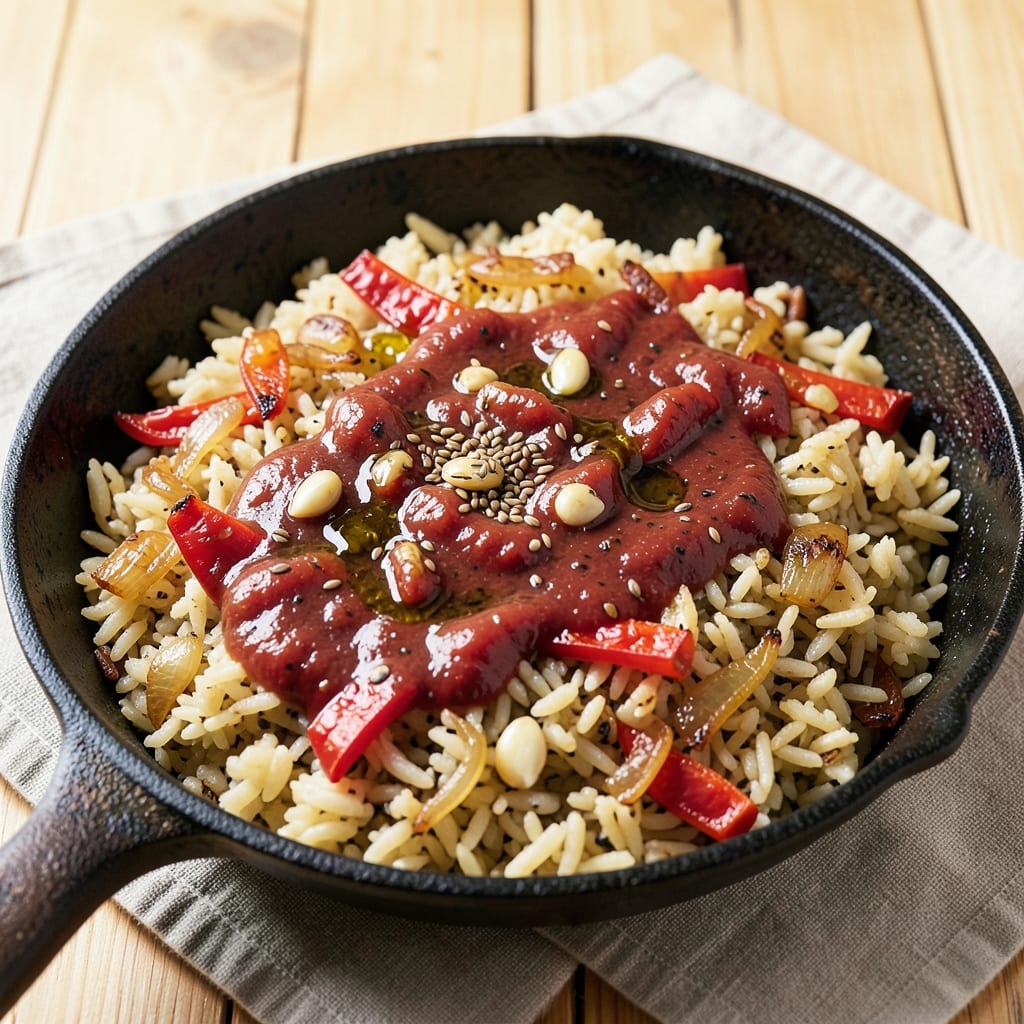
This 1960s Spanish rice recipe transports you to sun-drenched kitchens where saffron threads dissolved into tomato-rich broths, creating a dish that was both humble and extraordinary. The secret lies in slow-cooked sofrito—onions, garlic, and peppers toasted until deep golden—layering flavors that build with every simmer. I first discovered this version in a yellowed 1962 cookbook, where it was called "arroz a la española," meant to stretch modest ingredients into a meal fit for family gatherings.
The technique is what makes this rice unforgettable: long-grain rice cooked low and slow until tender yet distinct, never mushy, with saffron threads steeped in warm water to release their golden essence. Traditional recipes relied on basic pantries—tomatoes, olive oil, and a pinch of salt—but modern twists like smoked paprika or chorizo add depth without losing authenticity. What you'll end up with is rice that's creamy in texture yet holds its shape, infused with the earthy sweetness of caramelized sofrito and the delicate floral notes of saffron.
This dish was designed to be the centerpiece of a Spanish feast, pairing perfectly with grilled meats, seafood, or even as a standalone meal with a crisp green salad. The aroma alone—smoky, tomato-forward with a whisper of saffron—will fill your kitchen like a warm embrace from a long-ago Sunday afternoon. The best part? It's a recipe that respects tradition while allowing room for personal touches, whether that's adding a bay leaf or a splash of white wine.
Ready in just 45 minutes, this Spanish rice delivers restaurant-quality results with minimal effort. The key is patience—letting flavors meld and the rice absorb the rich, aromatic broth. Once mastered, it becomes a staple in your rotation, proving that some dishes only get better with time, just like the memories they evoke.
Ingredients for 1960s spanish rice
Sun-drenched flavors start with these humble yet transformative ingredients—each playing its part in that iconic Spanish rice aroma.
| Ingredient | Amount | Notes |
|---|---|---|
| Long-Grain White Rice 🍚 | 1 ½ cups | Uncooked, rinsed well before cooking |
| Yellow Onions 🧅 | 1 whole | Medium size, finely chopped |
| Garlic Cloves 🧄 | 6 cloves | Fresh, minced for sofrito |
| Red Bell Pepper 🌶️ | 1 whole | Medium size, diced small |
| Canned Crushed Tomatoes 🍅 | 14 ½ oz | High-quality, no salt added |
| Extra-Virgin Olive Oil 🫒 | ½ cup | For frying and finishing |
| Saffron Threads 🌼 | ¼ tsp | High-quality, steeped in warm water |
| Smoked Paprika 🌶️ | 1 tsp | For smoky depth (optional) |
| Bay Leaves 🍃 | 2 whole | Fresh or dried, removed before serving |
| Salt 🧂 | 1 ½ tsp | Adjust to taste, kosher preferred |
| White Wine 🍷 | ¼ cup | Dry, optional for richness |
| Chicken Broth 🍲 | 1 ½ cups | Low-sodium preferred |
The sofrito base—onions, garlic, and bell pepper—is where the magic begins. Yellow onions from the grocery store's fresh produce section work perfectly, but if you're feeling fancy, grab Spanish onions at Whole Foods or a Latin market for extra sweetness. The red bell pepper should be firm and vibrant—avoid any with soft spots. Garlic? Fresh is non-negotiable here—pre-minced cloves from jars have no soul. Toast these together in olive oil until deep golden, about 15 minutes. That's the foundation of the flavor. Pro tip: Save the skins—they'll make a killer broth later if you're feeling ambitious.
No saffron? Turmeric at half the amount will give you color, but it won't have that floral aroma. The white wine is truly optional—skip it if you're avoiding alcohol, but trust me, a splash adds depth. For the tomatoes, San Marzano cans are the gold standard, but any high-quality crushed tomatoes will do. The smoked paprika? Penzeys has the best selection if you want to splurge, but the regular grocery store stuff works fine. Need to swap the chicken broth? Vegetable broth works just as well, and honestly, you won't taste the difference if you're using quality ingredients. The bay leaves can be fresh or dried—just remember to remove them before serving.
This rice tastes even better the next day, so make extra—it's perfect for lunches or as a side for grilled meats. Store leftovers in an airtight container in the fridge for up to 4 days. The saffron-infused water can be saved in an ice cube tray for future recipes—just freeze it and pop out as needed. For maximum flavor, let the rice sit covered for 10 minutes after cooking before fluffing. And if you're serving with seafood? Add a splash of lemon juice at the end—trust me, it's a game-changer.
Why You'll Love This Recipe
- No-Fuss Staple: I swear by this for nights when I’m too tired to fuss—just sauté onions, garlic, and bell pepper, dump in rice and tomatoes, then let it simmer. The crushed tomatoes handle all the heavy lifting while I grab a glass of wine.
- Crispy-Tender Magic: That perfect texture—crispy edges hugging a tender center—comes from toasting the rice in the oil until it’s golden before adding liquid. Honestly, it’s the little things like this that make a dish feel special.
- Meal Prep MVP: Between us, this rice reheats like a dream and pairs with everything—grilled chicken, steak, even just eggs for breakfast. I make a big batch on Sundays and call it my secret weapon for lazy weeknights.
- Pantry-Proof Perfection: No fresh herbs? No problem. The canned tomatoes and bell pepper give it a sweet, smoky depth that’s foolproof. Plus, it’s cheap enough to feed a crowd without breaking the bank—my college apartment staple, basically.
Step-by-step instructions for 1960s Spanish rice
Here's how to build that iconic Spanish rice with deep tomato-saffron flavors and perfectly toasted aromatics.
Toast the Aromatics in Olive Oil
Heat the 0.5 cup extra-virgin olive oil in a heavy-bottomed pot over medium heat. Add the 1 whole finely chopped yellow onions and cook for 5-7 minutes until they soften and begin to color. You'll see them turn from pale to a lovely golden hue - this is your first flavor foundation.
Add the 6 cloves minced garlic cloves and the 1 whole diced red bell pepper. Stir frequently for 3-4 minutes until the garlic becomes fragrant and the bell pepper softens. Watch carefully - garlic burns quickly, so keep the heat steady. This step builds the toasted aroma that defines authentic Spanish rice.
Develop the Tomato-Saffron Base
Stir in the 1 tsp smoked paprika and cook for 30 seconds until fragrant. Add the 14.5 oz canned crushed tomatoes and 1.5 tsp salt, stirring well to combine. Let this mixture simmer gently for 5 minutes until slightly thickened - you want the tomatoes to break down into a rich sauce.
In a small bowl, steep the 0.25 tsp saffron threads in 2 tablespoons of warm water for 5 minutes. Stir this vibrant liquid into the tomato mixture along with the 2 whole bay leaves. The saffron will infuse the dish with its signature floral aroma and golden color. This is where the magic happens - the saffron transforms ordinary rice into something extraordinary.
Cook the Rice to Perfect Texture
Add the 1.5 cups long-grain white rice, stirring to coat each grain with the tomato-saffron mixture. Cook for 2 minutes, stirring constantly, until the rice is evenly coated and begins to look translucent at the edges. This initial toasting creates the distinct texture that separates Spanish rice from other varieties.
Pour in the 0.25 cup white wine (if using) and stir until completely absorbed. Then add the 1.5 cups chicken broth. Bring to a gentle simmer, then reduce heat to low, cover tightly, and cook for 15 minutes. Don't peek! Every time you lift the lid, you release steam that could make your rice dry.
Finish with Gentle Heat and Rest
After 15 minutes, remove the pot from heat and let it sit covered for 10 minutes. This resting period allows the rice to absorb any remaining liquid and develop its final texture. The grains should be tender but still hold their shape - al dente perfection.
Fluff the rice gently with a fork, removing the bay leaves as you go. If the rice seems dry, sprinkle with a splash of warm water and fluff again. Serve immediately with your favorite protein - this Spanish rice shines alongside grilled meats or as a standalone dish. The saffron will give it that beautiful golden hue and complex flavor that makes it so special.
Pro Tips For Making 1960s Spanish Rice
- TOAST THE RICE FIRST: Skip the raw rice straight into liquid—this isn’t soup. Heat your dry rice in the pot over medium-high for 2-3 minutes until it smells nutty and the grains look slightly translucent. I learned this the hard way after making mushy rice for years; the starch needs to release before adding moisture.
- CHOP ONIONS LIKE GRANULATED GARLIC: Dice the yellow onions into tiny, even pieces—think 1/8-inch cubes, not thick slices. They’ll cook faster and blend into the rice instead of sitting as separate chunks. (Yes, it takes a little longer, but your rice won’t taste like you’re eating a side salad.)
- DON’T STIR THE RICE AFTER TOMATOES: Once you add the crushed tomatoes, stir once to combine, then walk away. Stirring breaks the grains and turns your Spanish rice into a sad, gluey mess. Let the tomatoes simmer into the rice—just give it a gentle shake if needed.
- USE A LITTLE LESS WATER: The classic 1960s ratio is 1:1.5 rice-to-liquid, but crushed tomatoes add extra moisture. Start with 1:1.3 and adjust—your rice should absorb everything by the end, not sit in a sauce. (I know, it feels counterintuitive, but trust me.)
Storing and reheating this dish
Refrigerator Storage
Let your Spanish rice cool completely before transferring to an airtight container—I prefer glass Pyrex with snap-on lids for even heat distribution. Store at 40°F or below for up to 4 days, but I always make extra because it tastes even better reheated. The saffron and tomato flavors deepen overnight, creating a richer dish for leftovers. Just be sure to press plastic wrap directly on the surface before sealing to prevent drying. 🌟
Freezer Storage
For longer storage, freeze your Spanish rice in quart-sized freezer bags (leave 1 inch of headspace for expansion). I like to portion it into single-serving bags for easy grab-and-go meals. Label with the date—it keeps for up to 3 months without losing quality. When ready to eat, thaw overnight in the fridge or microwave on defrost mode for 2-3 minutes. The texture remains perfect when reheated properly. ❄️
Stovetop Reheating
My preferred method is stovetop reheating—it restores the creamy texture beautifully. Transfer rice to a skillet with 2 tablespoons water or broth, cover, and heat over low heat for 5-7 minutes. Stir occasionally to prevent sticking, and add more liquid if needed. The gentle heat reactivates the saffron's floral notes, making it taste almost as good as fresh. For extra richness, finish with a drizzle of olive oil and a pinch of smoked paprika. 🔥
Microwave Safety
For quick reheating, use the microwave on 50% power in 1-minute intervals, stirring between each. Cover with a damp paper towel to retain moisture—this prevents the rice from becoming rubbery. A splash of warm water (about 1 tablespoon) helps revive the texture if it looks dry. Avoid high heat; it can overcook the edges while leaving the center cold. This method works in just 2-3 minutes for a fast meal. ✨
Reviving Day-Old Rice
If your rice has sat in the fridge too long and feels dry, don't toss it! Add 2 tablespoons of warm broth or water per cup of rice, cover, and steam on the stovetop for 3-4 minutes. The residual heat will restore moisture without overcooking. I also like to fold in a pat of butter or a spoonful of tomato sauce for extra flavor. This trick works wonders for rice that's lost its snap. 💡
Serving Leftovers
Reheated Spanish rice makes an excellent base for tapas-style dishes—top with fried eggs, chorizo, or avocado slices for a modern twist. It also pairs perfectly with grilled chicken or seafood, recreating the flavors of a Spanish feast. For a quick lunch, serve with a simple green salad and a drizzle of lemon vinaigrette. The reheated version holds up beautifully, proving this dish only gets better with time. 🍽️
Nutrition facts
Frequently asked questions
Why does authentic Spanish rice need saffron?
Saffron isn't just for color—it adds a delicate floral aroma and earthy depth that's essential to the dish's character. The threads release their maximum flavor when steeped in warm water for at least 5 minutes before adding to the rice. Traditional Spanish cooking considered saffron a precious ingredient, often reserved for special occasions like family gatherings or festive meals.
Can I make this rice without white wine?
The white wine adds richness and balances acidity, but it's completely optional. For a non-alcoholic version, substitute with an extra 0.25 cup chicken broth or a splash of lemon juice. The dish will still develop its signature tomato-saffron flavor, though the texture might be slightly lighter without the wine's fat content.
What's the secret to getting distinct rice grains?
The key is using the right rice-to-liquid ratio and cooking method. This recipe uses 1.5 cups rice to 1.5 cups broth, which creates slightly undercooked grains that finish steaming during the resting period. Never stir the rice while cooking—let it develop its own texture. The 10-minute rest after cooking is crucial for achieving that perfect al dente bite.
How do I know when the sofrito is properly toasted?
Look for deep golden color and rich aroma. The onions should be soft with slightly caramelized edges, and the garlic should smell intensely fragrant (but not burnt). This typically takes 15-20 minutes of gentle cooking. The sofrito forms the flavor foundation, so take your time—rushing this step results in bland rice. If it starts to darken too quickly, reduce the heat immediately.
What's the best way to serve this 1960s Spanish rice?
This dish was traditionally served as a side with grilled meats like chicken or lamb, or as part of a paella spread. For a modern twist, pair it with shrimp scampi or Spanish tortilla. The rice also works beautifully as a standalone dish with a simple green salad and crusty bread. The saffron-infused grains add vibrant color that makes any meal feel special.