

You have read a hundred of these
You’re right—there’s a sea of recipe sites promising the world. Most of them are just repackaged instructions with stock photos and no real skin in the game. We get it: another voice screaming ‘try this!’ without proof is noise you don’t need.
But here’s the difference: we don’t ask you to trust us on faith. Every recipe here is tested in real kitchens—ours, yours (if you tell us), and the ones where our test cooks burned dinner more times than we’d like to admit.
The numbers don’t lie, and neither do the scars (metaphorical and literal).
If you’ve ever followed a recipe that sounded perfect until the final dish tasted like a science experiment gone wrong, you know what we’re up against. That’s why we don’t just tell you *what* to do; we tell you *why* it works (or why it didn’t the first five times).
No fluff, no guesswork.
We’ve heard it too—so we built a site where the proof is in the burn marks on the pans.
Anyone can write that they test things
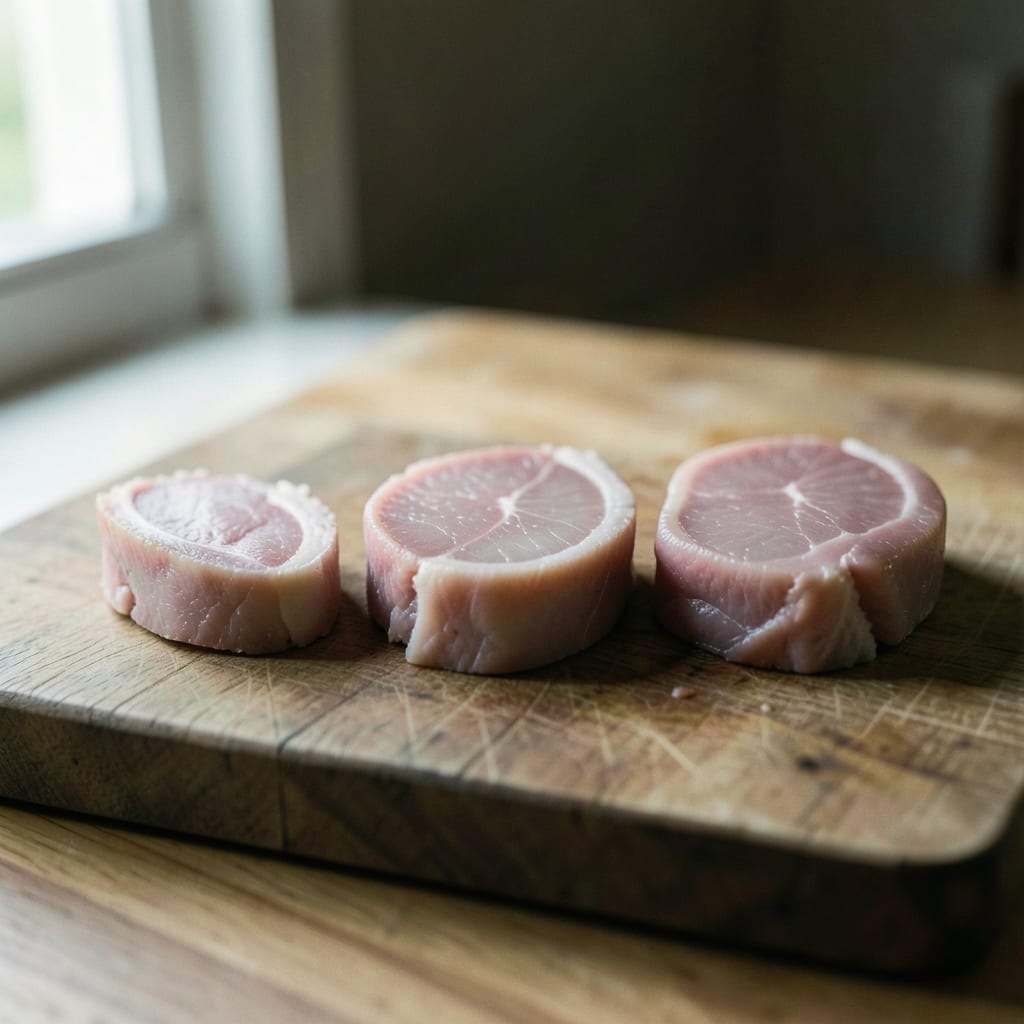
Testing isn’t a checkbox. It’s a process that looks like this: a recipe for *arroz con pollo* might start with three attempts where the rice turns to mush because the liquid-to-grain ratio was off by a tablespoon.
The fourth time, we adjust the ratio, then realize the chicken needs to marinate overnight—not 30 minutes—because the skin stays chewy. By the seventh attempt, we’ve also learned that toasting the rice in butter first makes the difference between ‘good’ and ‘this belongs on a restaurant menu.’
We don’t count ‘tests’ until the dish holds up three days later, tastes the same reheated, and doesn’t make the people eating it question their life choices. That’s why some recipes take weeks to ‘finish’—not because we’re perfectionists, but because we refuse to call something done until it’s actually *done*.
And yes, we’ve thrown out entire batches. The failed *biryani* that sat in the fridge for a month because the spices were wrong? Gone. The *risotto* that curdled because we misjudged the stock temperature? Down the drain.
If it doesn’t pass the ‘would I serve this to my abuela?’ test, it doesn’t get published.
We’re not counting ‘tests’—we’re counting failures until we get it right.
About the author

Roxanne Gallagher is the founder and editor of *Rice Recipes Now*, where she turns family traditions into recipes that actually work.
The rules we work by
- 1No shortcuts for basics
If the recipe calls for soaking beans overnight, we soak them overnight—not ‘as long as you remember.’ Skipping steps doesn’t save time; it just guarantees disappointment. And we’d rather spend an extra hour than serve you something that feels like an afterthought.
- 2We eat our own failures
Every test batch gets tasted, critiqued, and—if it’s truly awful—written off. No ‘but it looked good in photos’ excuses. If it doesn’t pass the ‘would I eat this?’ test, it’s back to the drawing board. This costs us food, time, and sometimes dignity.
- 3No recipe gets published until it’s foolproof
That means testing it with a beginner’s mistakes—like forgetting to rinse the rice or using the wrong pot. If it still works, it’s ready. If not, we keep tweaking. The goal isn’t perfection; it’s reliability. And that takes patience.
- 4We admit when we’re wrong
If a recipe flops after publication, we update it with what we learned. No pride, no ego—just better food. This costs us credibility with readers who prefer untouchable ‘authority,’ but we’d rather be right than look infallible.
- 5Every recipe has a ‘why’
We don’t just say ‘add salt’—we explain *how much* and *why*. This means more words upfront, but it saves you from trial and error. And yes, it means some recipes are longer to read. But a 10-minute read now beats a 10-minute cleanup later.
When we break a rule, it’s not because we’re lazy or arrogant—it’s because we misjudged something. Maybe the humidity in our test kitchen made the rice stick differently than it would in yours. Maybe we assumed everyone has a heavy-bottomed pot, and you don’t.
If that happens, we fix it publicly, and we learn. The alternative—pretending we never failed—would be worse than the mistake itself.
This will not be right for everyone
If you’re looking for quick hacks, ‘5-minute meals,’ or recipes that treat cooking like assembly-line work, close this page now. We’re not here to sell you speed over substance. If you’d rather scroll past a recipe because it has 20 steps instead of 5, this isn’t the site for you.
This is for people who cook with curiosity, who don’t mind a little mess if it means the final dish tastes like it was made with love (even if yours isn’t the most patient kind).
If you’d rather follow a recipe that sounds like it was written by a robot, there are plenty of those out there. We just don’t do them.
You could just be told what you want to hear
We could tell you that our rice is ‘perfect for busy people,’ that our techniques are ‘foolproof,’ or that our recipes will ‘change your life.’ But those are lies by omission—and we’d rather you know upfront that some of our dishes take time, that not every recipe will work the first try, and that we’d prefer you ask questions than assume we’ve got it all figured out.
Worth telling us
- The one ingredient you always mess up (we’ll tell you how to fix it).
- The dish you’ve tried to make but gave up on (we might have a solution).
- The kitchen tool you wish you had but can’t afford (we’ll find a workaround).
If there’s something we’re missing—or something you’d rather we wrote about—tell us. The contact page is the place for it.
The recipes are grouped by category: Appetizers, Beverages, Breakfast & Brunch, Desserts, Main Courses and Salads.