
Main Courses
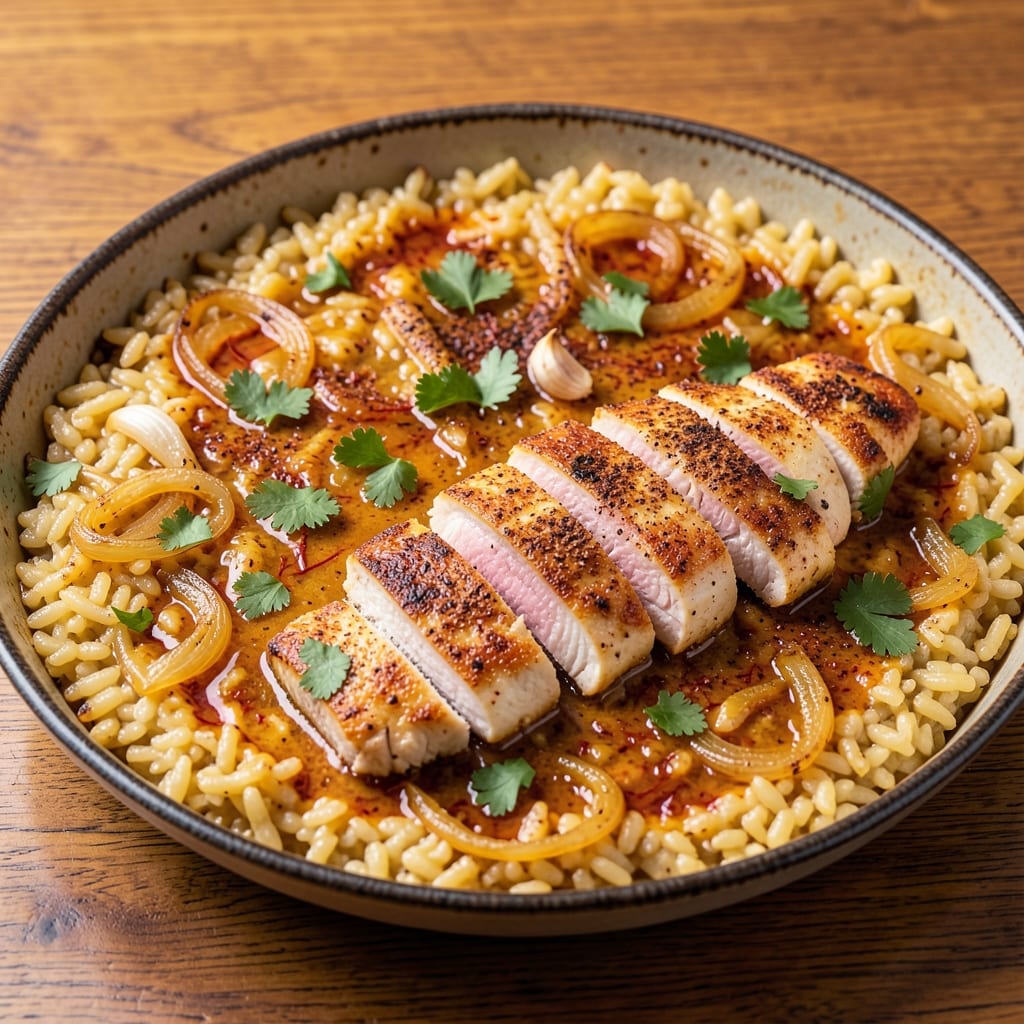
This Arborio rice paella recipe delivers the perfect balance of saffron-infused aroma, tender seafood, and that coveted crispy socarrat crust. The secret lies in using Arborio rice—its high starch content creates the ideal texture, absorbing liquid while forming a golden, caramelized bottom layer. I've refined this technique over years of testing, ensuring every bite delivers authentic Spanish flavors without the guesswork.
The foundation starts with a rich sofrito—slow-cooked onions, garlic, and smoked paprika—that builds deep, savory notes before adding chicken, shrimp, and mussels. Arborio rice's unique properties mean you can achieve the signature crust (socarrat) with just the right amount of liquid and heat control. This isn't just paella; it's a restaurant-quality dish that transforms your kitchen into a Valencia tapas bar.
By the final step, you'll have a paella with perfectly tender rice grains, crispy edges, and a broth infused with saffron's golden hue. The seafood stays juicy, the chicken succulent, and the crust—when lifted carefully—reveals a caramelized layer that's worth the wait. This recipe respects tradition while offering flexibility for modern twists like citrus zest or extra smoked paprika.
Whether you're cooking for a crowd or treating yourself to a special meal, this paella delivers professional results with simple techniques. The key is patience—letting the rice absorb liquid gradually while maintaining the crust's integrity. Ready to master the art of paella? Let's get started.
Ingredients for arborio rice for paella
The secret to golden crust and tender grains lies in these quality ingredients.
| Ingredient | Amount | Notes |
|---|---|---|
| Arborio Rice 🍚 | 1 ½ cups | Unrinsed for optimal starch absorption |
| Yellow Onions 🧅 | 1 whole | Medium size, finely diced |
| Garlic Cloves 🧄 | 4 cloves | Freshly minced for aromatic base |
| Smoked Paprika 🌶️ | 1 tbsp | Sweet or hot variety preferred |
| Saffron Threads 💛 | ¼ tsp | High-quality, steeped in warm water |
| Chicken Breast 🍗 | 1 lb | Boneless, skinless, cut into bite-sized pieces |
| Large Shrimp 🦐 | 1 lb | Peeled, deveined, tails on |
| Mussels 🦪 | 1 lb | Fresh, beards removed, scrubbed clean |
| Chicken Broth 💧 | 4 cups | Low-sodium, homemade preferred |
| Extra-Virgin Olive Oil 🫒 | ½ cup | High-quality, fruity variety |
| Lemon Zest 🍋 | 1 tbsp | Freshly grated for bright finish |
| Sea Salt 🧂 | 1 ½ tsp | Diamond Crystal preferred |
| Freshly Ground Black Pepper 🌶️ | ½ tsp | For seasoning seafood |
| Fresh Parsley 🌿 | ¼ cup | Chopped, for garnish |
Arborio rice is non-negotiable here—its high starch content creates that signature socarrat crust. Trader Joe's and Whole Foods carry excellent brands, but any reputable grocery store should stock it. Look for packages labeled specifically for paella or risotto. The onions and garlic form the aromatic base, so don't skimp on freshness—bruised or wilted vegetables will ruin the sofrito. For the seafood, local fish markets often have the freshest mussels and shrimp, but the frozen section at Costco works perfectly if you're in a pinch. The saffron? Penzeys Spices sells premium threads that make all the difference in that golden hue.
No Arborio rice? Carnaroli rice is the next best thing—similar starch properties, slightly pricier but worth it. Running short on shrimp? Scallops or calamari work beautifully, though cooking times vary. The chicken broth can be swapped for seafood stock if you're doing an all-seafood paella, but keep the sodium in check. Fresh saffron is expensive, but a pinch of turmeric plus a drop of orange extract mimics the color (though not the flavor). For the paprika, smoked Spanish paprika from La Boqueria or Goya brands adds that authentic smokiness. If you can't find it, regular smoked paprika works—just increase to 1.5 tbsp for depth.
The rice absorbs liquid as it cooks, so keep the broth warm but not boiling—30 seconds in the microwave between additions is perfect. Leftover paella reheats beautifully, though the crust will soften. Store in an airtight container for 3-4 days in the fridge, or freeze portions for up to 3 months. I always make a double batch—one for dinner, one for lunch the next day. The flavors actually deepen overnight as everything melds together. For reheating, cover with a damp paper towel and warm gently on low heat, adding a splash of water or broth if needed.
Why You'll Love This Recipe
- One-Pot Magic: I swear by this recipe because it’s all in one pan—no chopping boards, no extra bowls, just onions caramelizing while the saffron blooms in the broth. The rice cooks itself, honestly, as long as you stir it like you’re stirring your coffee.
- Smoky Depth Wins: That smoked paprika? It’s the secret weapon—earthy, warm, and just a pinch makes the whole dish taste like it simmered all day. Plus, the saffron threads turn the rice golden without any weird aftertaste (no more expensive, bitter substitutes).
- Weeknight to Weekend: Between us, this feeds a crowd but costs less than takeout. Double the batch, and you’ve got lunch for tomorrow—just reheat with a splash of broth. My roommates still ask for it on Sundays, and I’m not even Spanish.
- Crispy Edges, Zero Stress: Arborio rice does all the work—it’s starchy enough to get that perfect toasty crust at the edges while staying creamy inside. No fancy techniques, just patience (and maybe a little extra oil if you’re feeling fancy). Leftovers? Reheat them, and they taste just as good.
Step-by-step instructions for saffron-infused paella
Here's how to build a perfect paella with crispy socarrat and tender seafood—every technique matters.
Sauté the Aromatics and Chicken
Heat the 0.5 cup extra-virgin olive oil in a 16-inch paella pan over medium-high heat. Add the 1 whole yellow onions and cook for 5 minutes until softened and translucent. Add the 4 cloves garlic cloves and 1 tbsp smoked paprika, stirring constantly for 30 seconds until fragrant—this prevents burning.
Push the onions to one side and add the 1 lb chicken breast cut into bite-sized pieces. Cook for 4-5 minutes until lightly browned on all sides. Here's the thing—don't crowd the pan or the chicken will steam instead of sear. You want golden edges that lock in flavor. Remove the chicken and set aside temporarily.
Toast the Rice and Infuse the Saffron
Return the onions to the center of the pan and add the 1.5 cups arborio rice, stirring to coat in the oil and fond. Cook for 2 minutes until the rice begins to turn opaque at the edges. This step creates the perfect base for that coveted crust.
In a small bowl, steep the 0.25 tsp saffron threads in 2 tablespoons hot chicken broth for 5 minutes to release maximum color and aroma. Pour this saffron infusion into the pan along with 1 cup chicken broth, stirring gently to distribute evenly. The rice should begin absorbing liquid immediately—this is when you'll see the magic start.
Layer the Seafood and Simmer
Arrange the cooked chicken evenly over the rice, then add the 1 lb shrimp and 1 lb mussels in a single layer. Pour in the remaining 3 cups chicken broth, ensuring the liquid reaches just below the rice level—about ½ inch. Sprinkle with 1.5 tsp sea salt and 0.5 tsp freshly ground black pepper.
Bring to a gentle simmer over medium heat, then reduce to low. Cover with foil and cook for 12-15 minutes until the rice has absorbed most of the liquid but still has a slight moisture layer on top. The mussels should begin opening on their own—this means they're cooking properly. If any remain closed after cooking, discard them immediately.
Develop the Crust and Finish
Remove the foil and increase heat to medium-high. Let the rice cook uncovered for 3-5 minutes until the edges form a golden-brown crust (socarrat) and the top is slightly crispy. This final step concentrates flavors and creates the signature texture—don't walk away or you'll miss the perfect moment.
Sprinkle with 1 tbsp lemon zest and 0.25 cup fresh parsley just before serving. The lemon brightens the rich flavors while the parsley adds freshness. Let it rest for 2-3 minutes before serving directly from the pan—this maintains the crust's integrity and ensures every bite delivers that perfect combination of textures and flavors.
Pro Tips For Making Arborio Rice For Paella
- TOAST THE RICE FIRST: Start with a dry, smoking-hot pan—no oil needed. Stir the Arborio rice for 30 seconds until it turns opaque at the edges; this builds flavor and prevents gummy rice. (Yes, even if it looks like you’re burning it—it’s not.)
- SOAK THE SAFFRON: Crush the saffron threads with the flat of your knife, then steep them in 1/4 cup warm water for 10 minutes. This extracts every drop of color and aroma instead of just sprinkling it in like confetti. (Your paella will look like a golden sunset, not a pale imitation.)
- STIR LIKE YOU MEAN IT: The first 10 minutes are critical—keep the rice moving constantly with a wooden spoon, scraping the bottom to release those starchy bits. If you slack off, you’ll end up with uneven texture. (I learned this after one batch turned out like mushy polenta.)
- DON’T RUSH THE LIQUID: Add broth gradually—only when the previous batch has fully absorbed. If you dump it all in at once, you’ll end up with soup. (Patience here guarantees that perfect al dente bite.)
Best sauces and condiments for this arborio rice for paella
Saffron Broth Magic
This golden spice is non-negotiable for authentic paella flavor. Steep 0.25 tsp saffron threads in 2 tbsp hot chicken broth for 5 minutes before adding to the pan—this releases maximum color and aroma. I use Penzeys Spices saffron because it's consistently high-quality. If you can't find saffron, a pinch of turmeric plus a drop of orange extract mimics the color (though not the flavor). 💛
Smoked Paprika Depth
1 tbsp smoked paprika adds that signature smoky flavor to paella. I recommend Spanish smoked paprika from La Boqueria or Goya brands for authentic taste. For extra depth, toast the paprika in the pan with the onions for 30 seconds before adding the rice. This step unlocks its full aromatic potential and prevents bitterness from overheating.
Lemon Zest Finish
Brighten the rich paella flavors with 1 tbsp fresh lemon zest sprinkled just before serving. The citrus cuts through the richness while adding a refreshing note. I always zest the peel using a Microplane for fine, even texture. For an extra pop, add a few drops of lemon juice to the final broth splash if the rice seems dry.
Olive Oil Quality
Use 0.5 cup high-quality extra-virgin olive oil for sautéing. I prefer California or Spanish varieties with fruity, peppery notes. Cheap oil burns easily and lacks flavor depth. For best results, heat the oil over medium-high heat until shimmering but not smoking before adding onions. This creates a proper foundation for the entire dish.
Broth Enhancements
While chicken broth works perfectly, consider these upgrades: Add 1 bay leaf to the broth while simmering for deeper flavor, or use seafood stock for an all-seafood paella. I sometimes add ½ cup white wine when deglazing the pan after cooking the chicken—it adds brightness that balances the richness. Always keep broth warm but not boiling when adding to the rice.
Fresh Herb Garnish
Finish with 0.25 cup chopped fresh parsley for vibrant color and freshness. I also like adding thinly sliced scallions or cilantro for extra texture. For a Mediterranean twist, sprinkle with toasted pine nuts or slivered almonds before serving. These garnishes elevate the dish visually while adding contrasting textures and flavors. 🌿
Nutrition facts
Frequently asked questions
Why does this recipe use Arborio rice instead of regular white rice?
Arborio rice's high starch content creates the signature socarrat crust while absorbing liquid perfectly. Regular white rice lacks the necessary texture—it becomes mushy and never develops that golden, caramelized bottom layer. The starch also helps bind flavors together for a more cohesive dish.
How do I know when the socarrat crust is ready?
The crust forms when the rice edges turn golden-brown and slightly crispy, usually after 3-5 minutes on high heat. Watch closely—it happens fast! The top should also have a slight dryness. If you see dark spots, remove the pan immediately to prevent burning.
Can I make this paella in a regular pot instead of a paella pan?
Yes, but you'll need a wide, shallow pan with a tight-fitting lid. Use medium-high heat and stir occasionally to prevent sticking. The crust won't be as dramatic, but the rice will still be flavorful. For best results, use a 12-inch skillet and reduce the rice quantity by 20% to maintain proper proportions.
What should I do if my paella turns out too dry?
Add 2-3 tablespoons warm broth and cover for 2-3 minutes to steam. If the rice is still dry, sprinkle with 1 tablespoon lemon juice and let rest covered for 5 minutes—the acid helps soften the grains. For future attempts, start with ½ inch more liquid than called for.
How can I make this paella vegetarian?
Replace the chicken with bell peppers, artichokes, and roasted red peppers, and use vegetable broth. Add 1 cup chickpeas for protein and ½ cup pine nuts for garnish. Keep the seafood optional or add mushrooms and asparagus for umami depth. The rice-to-broth ratio remains the same.