
Main Courses
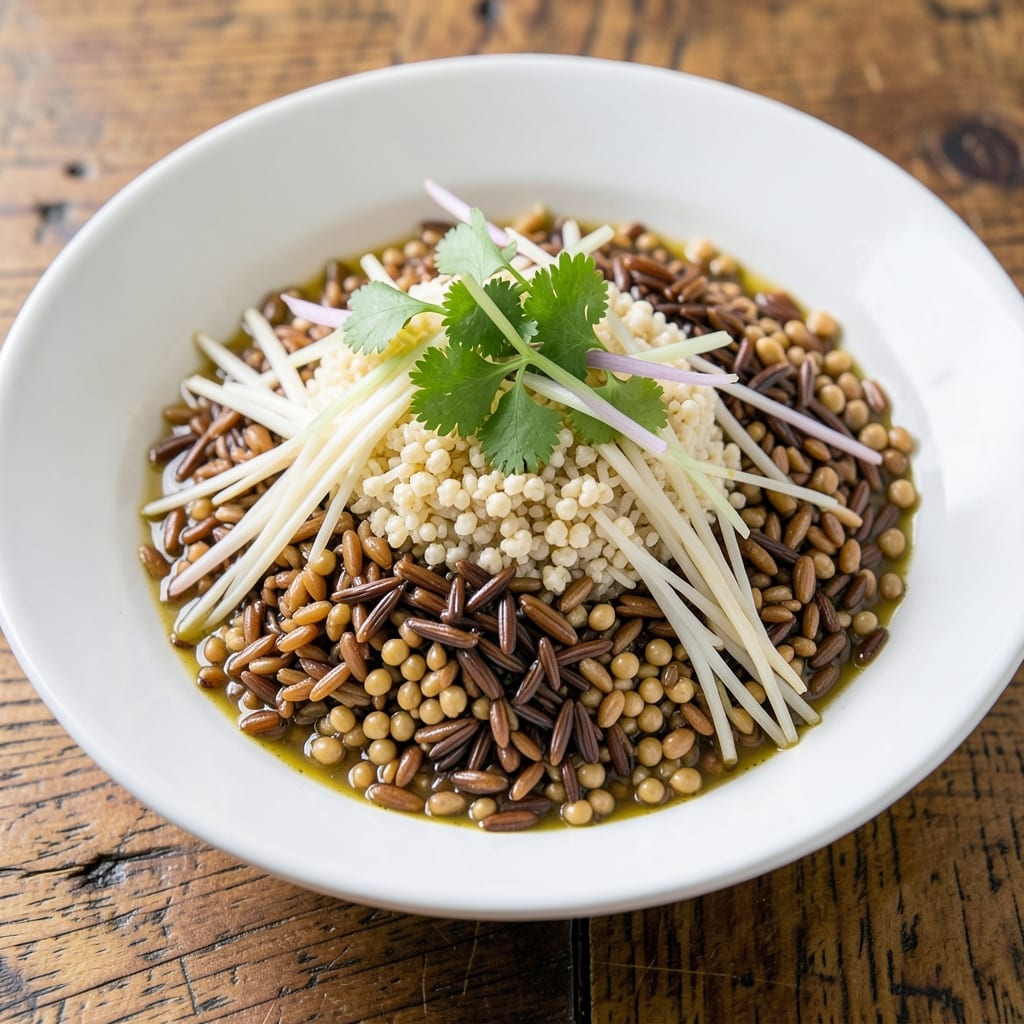
This 5 grain rice recipe delivers a symphony of textures and nutty flavors that elevate any meal from ordinary to extraordinary. 🌟 The secret lies in blending basmati, brown rice, wild rice, barley, and quinoa—each grain contributing its unique character while working together harmoniously. Unlike single-grain dishes, this medley offers chewy, fluffy, and crisp edges in every bite, making it a standout side or hearty base for proteins.
The beauty of this recipe is its adaptability—whether you're preparing a fragrant pilaf, a sturdy stir-fry foundation, or a satisfying vegetarian bowl, the 30-minute cooking time ensures dinner comes together without sacrificing depth of flavor. The grains absorb aromatics like garlic, ginger, and toasted spices beautifully, creating a dish that's both comforting and sophisticated. Perfect for weeknight dinners or special occasions, it's the kind of recipe that turns simple rice into a gourmet experience.
What sets this apart is the one-pot method, which simplifies cleanup while delivering restaurant-quality results. By rinsing the grains thoroughly and simmering them in a flavorful broth, you avoid mushy textures and achieve grains that are al dente and infused with every savory note. The result? A dish that's as nutritious as it is delicious, with a satisfying bite that keeps you coming back for more.
Use it as a side for grilled meats, a base for stir-fries, or even as a standalone bowl with roasted vegetables and herbs. The possibilities are endless, and the versatility ensures this recipe will become a staple in your rotation. Ready to transform your rice game? Let's get started.
Ingredients for 5 grain rice
Five grains, one pot, endless textures—this is your gourmet rice game changer.
| Ingredient | Amount | Notes |
|---|---|---|
| Basmati Rice 🌾 | ½ cup | Long-grain, rinsed thoroughly |
| Brown Rice 🌾 | ½ cup | Uncooked, rinsed well |
| Wild Rice Blend 🌾 | ¼ cup | Uncooked, rinsed thoroughly |
| Barley 🌾 | ¼ cup | Pearled barley, rinsed |
| Quinoa 🌾 | ¼ cup | Rinsed thoroughly |
| Chicken or Vegetable Broth 💧 | 3 cups | Low-sodium preferred |
| Extra-Virgin Olive Oil 🫒 | 1 tbsp | For toasting grains |
| Garlic Cloves 🧄 | 3 cloves | Minced, fresh preferred |
| Fresh Ginger 🌿 | 1 tbsp | Grated, aromatic |
| Ground Cumin 🌶️ | ½ tsp | Toasted for depth |
| Ground Coriander 🌶️ | ½ tsp | Freshly ground preferred |
| Turmeric Powder 🌿 | ¼ tsp | For vibrant color |
| Salt 🧂 | 1 tsp | Kosher or sea salt |
| Fresh Parsley 🌿 | ¼ cup | Chopped, for garnish |
| Lemon Juice 🍋 | 1 tbsp | Freshly squeezed |
The grains are the stars here, so quality matters. Basmati and brown rice are easy to find at any grocery store, but wild rice and quinoa often live in the health food aisle—Whole Foods or Trader Joe's have great options. Look for pearled barley if you want faster cooking, but whole barley adds more chew. Rinse each grain separately to remove excess starch—this prevents mushy results. I usually grab my grains in bulk bins to save money, but pre-packaged works too. Just check the 'best by' date—older grains lose their nutty punch.
No wild rice? Substitute with extra brown rice or farro—both add hearty texture. Short on quinoa? Buckwheat or millet works in a pinch, though the flavor profile shifts slightly. The broth can be homemade or store-bought, but low-sodium is key—you'll be adding plenty of salt later. Fresh ginger and garlic are ideal, but jarred minced ginger works if you're in a rush. Toasting the spices in the olive oil before adding grains? Non-negotiable—this builds flavor depth that raw spices can't match. The lemon juice at the end brightens everything, so don't skip it.
Store leftover grains in an airtight container in the fridge for up to 5 days, though they taste best within 2-3 days. The one-pot method makes reheating a breeze—just add a splash of water or broth and warm through. For extra flavor, mix in a little toasted sesame oil or soy sauce when reheating. Freeze portions for up to 3 months if you're prepping for the week. I always make double batches—this rice keeps well and transforms leftovers into quick stir-fries or grain bowls.
Why You'll Love This Recipe
- One-Pot Magic: I swear by this—just toss all five grains into a pot with broth, stir, and walk away. No measuring cups, no separate timers, no stress. The barley and wild rice blend thicken everything beautifully while the quinoa holds it all together.
- Nutty, Toasty, Complex: Between us, this isn’t just rice—it’s a flavor party. The basmati adds that floral brightness, the brown rice brings chewy warmth, and the wild rice? That earthy crunch when it’s done right. Honestly, I’ve had people ask if I used spices when I just used these five grains.
- Meal Prep MVP: I make a big batch on Sundays, and it lasts me all week. Cold in salads, reheated with stir-fries, or straight from the fridge with a drizzle of soy sauce. Even my picky teen won’t turn it down—my secret weapon for busy nights.
- Budget Booster: Quinoa and wild rice can be pricey, but this recipe stretches them across five grains. I buy the bulk bins, mix my own blend, and save serious cash. Plus, leftovers taste just as good the third day as they do fresh—no sad, mushy rice here.
Step-by-step instructions for 5 grain rice harmony
This one-pot method delivers perfectly balanced textures and deep flavors every time.
🔥 Step 1: Toast the Grains for Maximum Flavor
Heat a large, heavy-bottomed pot over medium heat and add the 1 tablespoon extra-virgin olive oil. Once shimmering, add all the grains: 0.5 cup basmati rice, 0.5 cup brown rice, 0.25 cup wild rice blend, 0.25 cup barley, and 0.25 cup quinoa.
Toast the grains for 3-4 minutes, stirring constantly with a wooden spoon, until they release their nutty aromas and develop a golden hue. You'll see the barley and quinoa especially darken—they have higher oil content. This toasting step is crucial; it deepens the flavor and prevents the grains from becoming mushy later. If any grains start to brown too quickly, reduce the heat slightly to maintain even toasting.
🍳 Step 2: Build the Aromatic Base
Add the 3 cloves minced garlic and 1 tablespoon grated fresh ginger to the toasted grains. Stir for 30 seconds until fragrant—you should smell that bright, zesty aroma. Then add the spices: 0.5 teaspoon ground cumin, 0.5 teaspoon ground coriander, and 0.25 teaspoon turmeric powder. Stir for another 10 seconds to toast the spices and release their oils.
Here's where it gets good: pour in the 3 cups chicken or vegetable broth and bring to a gentle boil. The mixture should bubble steadily but not violently. Once boiling, reduce heat to low and add the 1 teaspoon salt. The broth should just barely cover the grains—if it doesn't, add a splash of water. This is your flavor foundation, so don't rush this step.
⏰ Step 3: Simmer to Perfect Texture
Cover the pot with a tight-fitting lid and simmer for 25-30 minutes without peeking. The grains need undisturbed time to absorb the broth and develop their individual textures. You'll notice the basmati rice will cook faster than the others, while the wild rice blend and barley will take longer—this is why we use a mix.
After 20 minutes, check for doneness by tasting a few grains. The basmati should be tender but still have a slight bite, while the wild rice blend should be nearly done. If the liquid has been completely absorbed before all grains are tender, add 2-3 tablespoons of hot broth to prevent drying. The grains should be cooked but still hold their shape—no mushy texture here.
🥘 Step 4: Finish with Bright Flavors
Once all grains are tender, remove the pot from heat and let it sit covered for 5 minutes. This resting period allows the grains to finish absorbing any remaining liquid and develop their final texture. Then stir in the 1 tablespoon fresh lemon juice and 0.25 cup chopped fresh parsley. The lemon brightens the earthy flavors while the parsley adds freshness and color.
For best results, serve immediately while the grains are still warm. The texture contrast will be incredible: fluffy basmati, chewy brown rice, nutty wild rice blend, creamy barley, and poppy quinoa—all in one perfect bite. If you need to reheat leftovers, add a splash of broth to prevent drying.
Pro Tips For Making 5 Grain Rice
- TOAST THE BARLEY FIRST: I learned this the hard way—skipping the quick toast for barley makes the whole dish taste flat. Dry-toast it in a separate pan for 3-4 minutes until it smells nutty and golden before mixing with the other grains. This step cuts through the earthiness of wild rice and brown rice, balancing the flavors.
- RINSE BASMATI LAST: The basmati needs to stay fluffy, so rinse it after toasting the barley and prepping the other grains. Cold water removes excess starch, but do it gently—just swirl and drain, no scrubbing. This keeps it light while letting the other grains absorb moisture first.
- USE TWO POTS: Brown rice and wild rice need more water and time than basmati or quinoa. Cook the brown rice and wild blend separately in one pot (1.5 cups liquid per cup grain, simmer 45+ minutes), then add the basmati, barley, and quinoa to a second pot (1:1.5 ratio) for 12-15 minutes. This guarantees no mushy or undercooked grains.
- SALT THE WATER LATE: Add salt only after bringing the water to a boil—otherwise, the barley and quinoa will release starch too early and turn gummy. Wait until the grains are submerged, then season with 1.5 teaspoons salt per 4 cups water. This keeps the texture crisp and the flavors sharp.
Wine and beer pairings for this 5 grain rice
Crisp White Wines
For this nutty, aromatic grain medley, I reach for a dry Riesling from Germany’s Mosel region—its bright acidity and subtle honeyed notes complement the toasted spices beautifully. A Sauvignon Blanc from New Zealand, with its citrus zest and herbal undertones, also works wonders, cutting through the richness of the grains. Avoid oaky Chardonnays—they’ll overpower the delicate flavors. 🍷
Light-Bodied Reds
If you prefer red wine, opt for a Pinot Noir from Oregon or Burgundy—its red fruit and earthy undertones harmonize with the barley and wild rice. A light Beaujolais (like a basic Gamay) adds a juicy, berry-like brightness that pairs well with the lemon finish. Skip heavy Cabernets—they’ll clash with the dish’s delicate texture.
Craft Beer Pairings
A Belgian Witbier like Hoegaarden, with its coriander and orange peel notes, mirrors the dish’s spiced profile perfectly. For a hoppier option, try a light American pale ale—the citrusy bitterness balances the grains’ earthiness. Avoid heavy stouts or IPAs, which would dominate the dish’s subtle flavors. 🍺
Non-Alcoholic Options
For a refreshing non-alcoholic match, serve with sparkling apple cider—its effervescence cleanses the palate between bites. A ginger beer (like Fever-Tree) enhances the dish’s spiced notes without overpowering. For a classic choice, iced hibiscus tea (agua de Jamaica) adds a tart contrast that brightens every spoonful.
Regional Adaptations
In India, where basmati rice reigns, pair this dish with a Moscow Mule—the ginger and lime echo the recipe’s aromatic base. For a Mediterranean twist, a dry rosé from Provence adds floral notes that complement the parsley garnish. In Japan, a light sake (like junmai) enhances the grains’ umami without competing.
Nutrition facts
Frequently asked questions
Can I substitute any of the grains in this recipe?
For a gluten-free version, swap barley for certified gluten-free farro or millet. Need a quicker cook? Replace wild rice with extra brown rice—it cooks faster while keeping the chewy texture. Just remember: each grain contributes unique flavor and texture, so substitutions may slightly alter the final dish.
Why do I need to toast the grains first?
Toasting the grains before cooking unlocks their natural nutty flavors and prevents mushiness. The 3-4 minute toasting step creates a delicate crust on each grain, enhancing their individual characteristics while building depth. This simple step transforms ordinary grains into a flavor-packed medley that stands out in any meal.
How do I adjust this recipe for a larger group?
Double or triple the ingredients while maintaining the same ratios. Use a larger pot (like a Dutch oven) to ensure even cooking. For 8 servings, multiply all ingredients by 2—just make sure your pot has enough surface area to prevent boiling over. The cooking time remains about 25-30 minutes regardless of batch size.
Can I make this recipe ahead of time?
Yes! Cook the grains as directed, then let them cool completely. Store in an airtight container in the fridge for up to 5 days. For best texture, reheat with a splash of broth or water—microwaving works, but a stovetop approach prevents drying. The flavors actually deepen overnight, making it perfect for meal prep.
What's the best way to serve this 5-grain mix?
This versatile blend works as a side for grilled meats, a base for stir-fries, or a hearty vegetarian bowl. Try it with roasted vegetables, avocado, and a fried egg for a satisfying breakfast, or pair it with curries and yogurt for an Indian-inspired meal. The possibilities are endless—it's the perfect canvas for global flavors!