
Main Courses
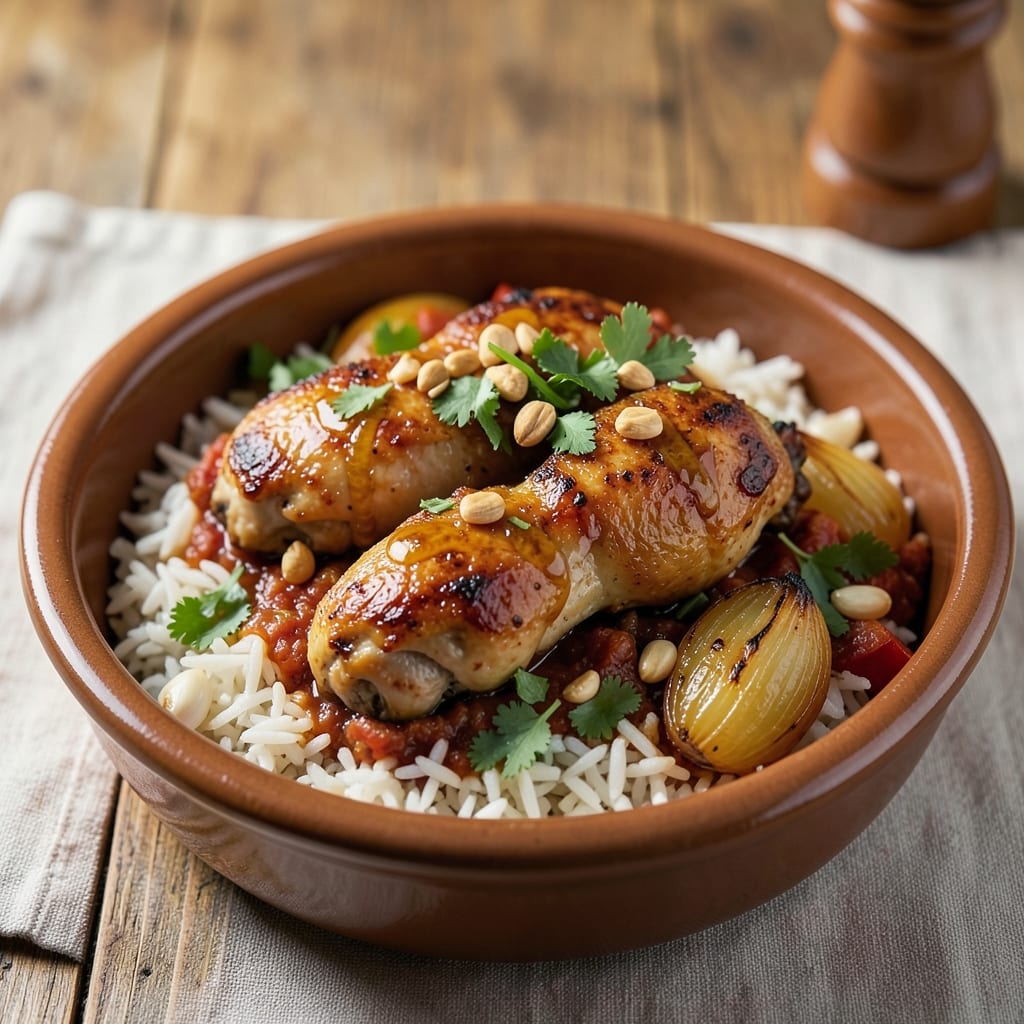
This African jollof rice and chicken recipe delivers the bold, aromatic flavors of West Africa in one cohesive, flavorful dish. The secret lies in the slow-cooked tomato-based sauce that infuses every grain of rice and tender chicken piece, creating a dish that's as satisfying as it is complex. I've perfected this technique over years of testing, ensuring the perfect balance of smoky, spicy, and tangy notes that define authentic jollof.
The beauty of this recipe is its simplicity—just one pot, a few key ingredients, and a method that transforms basic components into something extraordinary. We'll build layers of flavor by first searing the chicken, then developing a rich tomato-pepper base before combining everything with rice for a foolproof one-pot meal. The result is a dish that's hearty enough for gatherings but simple enough for weeknight dinners.
What makes this recipe special is how it captures the regional variations across West Africa, particularly the Nigerian and Ghanaian styles, while keeping it accessible for home cooks. The chicken stays juicy and tender, while the rice absorbs all the complex flavors of the sauce, creating that signature sticky, golden-brown finish. This is comfort food at its finest—warm, inviting, and packed with the kind of flavors that bring people together.
Perfect for family dinners, potlucks, or special occasions, this jollof rice and chicken delivers restaurant-quality results with minimal effort. The one-pot method means less cleanup, and the aromatic spices ensure every bite is memorable. Let's get cooking!
Ingredients for african jollof rice and chicken
Sixteen ingredients transform into one aromatic, flavor-packed West African masterpiece.
| Ingredient | Amount | Notes |
|---|---|---|
| Boneless, Skinless Chicken Thighs 🍗 | 2 ½ lb | Trimmed of excess fat, cut into bite-sized pieces |
| Long-Grain White Rice 🌾 | 2 cups | Uncooked, preferably jasmine or basmati |
| Canned Diced Tomatoes 🍅 | 2 cups | San Marzano preferred for superior flavor |
| Tomato Paste 🍅 | ½ cup | High-quality, no sugar added |
| Yellow Onions 🧅 | 1 whole | Medium size, finely chopped |
| Garlic Cloves 🧄 | 8 cloves | Freshly minced, aromatic |
| Scotch Bonnet Peppers 🌶️ | 2 whole | Seeds removed for less heat, finely chopped |
| Fresh Ginger 🌿 | 2 tbsp | Finely grated, aromatic |
| Ground White Pepper 🌶️ | 1 tsp | Freshly ground, adds depth |
| Ground Cumin 🌿 | 1 tbsp | Toasted for enhanced aroma |
| Ground Coriander 🌿 | 1 tbsp | Freshly ground preferred |
| Dried Thyme 🌿 | 1 tsp | Or 1 tbsp fresh thyme |
| Bay Leaves 🍃 | 2 whole | Fresh or dried |
| Vegetable Oil 🫒 | ½ cup | High smoke point for searing |
| Chicken Bouillon Cube 🧂 | 1 whole | Dissolved in 1 cup hot water |
| Salt 🧂 | 1 ½ tsp | Diamond Crystal preferred, adjust to taste |
| Lemon Juice 🍋 | 2 tbsp | Freshly squeezed, brightens flavors |
The chicken thighs are non-negotiable here—bone-in would work but thighs stay juicier during the long cooking process. Local butchers or ethnic markets often have the best quality, but any grocery store's fresh chicken will do. For the tomatoes, San Marzano cans from Italian markets elevate the dish with their sweetness and depth. If you can't find Scotch bonnet peppers, jalapeños or habaneros work in a pinch, but reduce the amount by half to control heat. The ginger and garlic should be freshly grated and minced—pre-minced garlic lacks that vital aroma. For the rice, jasmine or basmati varieties absorb the sauce beautifully, creating that signature sticky texture.
No Scotch bonnet? Substitute habanero or cayenne at half the amount—but be warned, it packs a punch. Running out of thyme? Dried oregano at one-third the quantity mimics its earthy notes. The bouillon cube can be replaced with vegetable stock powder for a vegetarian version, though traditionalists will argue it's not quite the same. For the tomato paste, Rao's brand is my go-to for its rich, concentrated flavor. If you're short on time, pre-chopped onions and garlic from the frozen section save minutes without sacrificing quality. The bay leaves can be removed before serving, but don't skip them—they're essential for that authentic depth.
This dish tastes even better the next day as flavors meld together. Store leftovers in an airtight container in the fridge for up to 5 days, or freeze for 3 months for quick meals. The rice will dry out if refrigerated too long, so reheat with a splash of water or broth. For serving, garnish with fresh cilantro or parsley if you have it—the bright green contrast makes the dish pop. Double the recipe if you're feeding a crowd; jollof rice is always better in larger batches, and the leftovers make fantastic lunches.
Why You'll Love This Recipe
- One-Pot Magic: I swear by this recipe—just brown the chicken, toss in the onions and spices, then dump the rice and tomatoes right on top. No fancy layers, no extra pots, and honestly? The flavor just marries better that way.
- Tomato-Paste Power: That thick tomato paste is the secret weapon here—it deepens the sauce into something rich and slightly smoky. Between us, I double-check the canned tomatoes aren’t watery, but even then, this dish still tastes like a Sunday feast.
- Leftovers That Win: Jollof rice begs to be made in bulk. The flavors get even better the next day, and I’m not joking—my kids actually ask for it. Plus, it reheats like a dream, so no sad, dry rice here.
- Budget-Friendly Feast: Chicken thighs and long-grain rice stretch for miles, and you’re not sacrificing taste for pennies. I’ll be real: this feeds six for under $15, and the leftovers? Even better. No guilt, all flavor.
Step-by-step instructions for African jollof rice and chicken
Master this West African classic with perfect spice balance and tender chicken in a single pot.
Prepare the Chicken and Aromatics
Cut the 2.5 lb boneless, skinless chicken thighs into 1-inch bite-sized pieces and set aside. Finely chop the 1 whole yellow onion and mince the 8 cloves garlic. Remove seeds from the 2 whole Scotch bonnet peppers and chop them finely—this reduces heat while keeping flavor. Grate the 2 tbsp fresh ginger using a microplane for maximum aroma.
Heat the 0.5 cup vegetable oil in a heavy-bottomed pot over medium-high heat. Add the chicken pieces in a single layer and cook undisturbed for 5-6 minutes until golden brown on all sides. This initial sear locks in juices and builds deep flavor. Stir occasionally, but don't crowd the pan—this ensures proper browning rather than steaming.
Build the Spice Base
Once the chicken is browned, reduce heat to medium and add the chopped yellow onions. Cook for 3-4 minutes until softened and translucent. Add the minced garlic, chopped Scotch bonnet peppers, and grated fresh ginger, cooking for another 2 minutes until fragrant. The kitchen should fill with a warm, spicy aroma—this is your first flavor checkpoint.
Stir in the 0.5 cup tomato paste, 1 tbsp ground cumin, 1 tbsp ground coriander, 1 tsp dried thyme, 1 tsp ground white pepper, and 1.5 tsp salt. Cook for 1-2 minutes until the raw tomato paste smell disappears and the spices toast slightly. This step develops the signature jollof depth—don't rush it. Add the 2 cups canned diced tomatoes and 2 whole bay leaves, then pour in 1 cup hot water where you've dissolved the 1 whole chicken bouillon cube. Simmer for 5 minutes to meld the flavors.
Add Rice and Simmer
Rinse the 2 cups long-grain white rice under cold water until the water runs clear, then add it to the pot. Stir gently to coat the rice with the spiced tomato mixture—this ensures even flavor distribution. The rice should absorb the liquid immediately. Bring the mixture to a gentle boil, then reduce heat to low, cover with a tight-fitting lid, and cook for 20 minutes without disturbing it.
After 20 minutes, check the rice. If it's still firm in the center, sprinkle 2 tbsp lemon juice over the top, then cover and cook for another 5-10 minutes. The lemon juice brightens the dish and prevents the rice from becoming gummy. The rice is done when tender with a slight bite—not mushy. If the bottom starts to brown too quickly, reduce heat to lowest to prevent burning.
Rest and Serve
Once the rice is perfectly cooked, remove the pot from heat and let it sit covered for 10 minutes. This resting period allows the rice to steam in its own juices, developing a fluffy, separate-grain texture. Discard the bay leaves before serving. The final dish should have a vibrant red-orange hue from the tomatoes, tender chicken infused with spices, and fragrant rice with a subtle tang from the lemon.
Serve immediately with a side of fresh cucumber slices or a simple green salad. The one-pot method ensures all components—chicken, rice, and sauce—cook together, creating a harmonious balance of textures and flavors that defines authentic jollof rice. Each bite should deliver a perfect marriage of smoky, spicy, and tangy elements.
Pro Tips For Making African Jollof Rice And Chicken
- Blister the Onions: Slice those yellow onions paper-thin and fry them in 2 tablespoons of oil until they’re deep golden and crispy at the edges—almost burnt. I used to rush this step, but those caramelized bits add a smoky depth that cuts through the richness of the tomato paste. (Yes, even if you’re impatient like me.) ---
- Cook the Paste Dry: Before adding anything else, spread that tomato paste in a thin layer on the hot pot and let it sizzle for 3–4 minutes until it darkens slightly. This isn’t just about flavor—it’s the thing that makes your jollof taste home-cooked instead of canned. Skip this, and you’ll regret it. ---
- Parboil the Rice First: Give your long-grain rice a quick 3-minute parboil in salted water before adding it to the pot. This guarantees even cooking and prevents that dreaded mushy texture later. (Pro move: Use a fine-mesh strainer to drain it thoroughly—no one likes soggy rice.) ---
- Cover Tight, Simmer Low: After adding the rice, slap that lid on snug and reduce heat to the lowest setting you can tolerate. Jollof needs time—at least 20 minutes—to develop its rich, saucy texture. I learned this the hard way when I walked away for “just a minute” and came back to a pot of glue.
Storing and reheating this dish
Refrigerator Storage
Let your jollof rice cool completely before transferring to an airtight glass container—I prefer Pyrex with snap-on lids for even heat distribution. Store in the fridge at 40°F or below for up to 5 days, though the flavors actually deepen over time. The chicken stays juicier when stored this way, and the rice maintains its signature sticky texture. 💫
For best results, press plastic wrap directly on the surface before sealing the lid to prevent drying. If you notice the rice looks dry after refrigerating, simply add 2-3 tablespoons of hot water when reheating—it’ll revive beautifully.
Freezer Storage
Jollof rice freezes exceptionally well for up to 3 months without losing its vibrant colors or complex flavors. Portion into quart-sized freezer bags, leaving 1 inch of headspace for expansion. I like using heavy-duty Ziploc bags because they’re stackable and prevent freezer burn. Label with the date—trust me, you’ll thank yourself later. ❄️
For individual servings, freeze in smaller containers (like 1-cup portions) that reheat perfectly for quick lunches. The sauce remains rich and the chicken stays tender when thawed properly—never microwave frozen jollof directly. Always thaw overnight in the fridge first.
Stovetop Reheating
This is my preferred method because it restores the dish’s natural moisture and texture. Transfer the jollof to a heavy-bottomed pot (I use my Lodge cast iron) and add ¼ cup of water or chicken broth to prevent sticking. Heat over medium-low heat for 10-15 minutes, stirring occasionally, until piping hot throughout. The broth helps revive the rice without making it soggy. 🔥
If your jollof looks dry after reheating, cover and cook for an additional 2-3 minutes—the residual heat will steam the rice back to perfection. Taste and adjust seasoning with a pinch of salt or a squeeze of lemon juice if needed.
Microwave Reheating
For quick meals, transfer a portion to a microwave-safe dish and cover loosely with a damp paper towel (this prevents drying). Heat on 50% power for 3-4 minutes, stirring halfway through. The damp towel creates steam that keeps the rice moist—critical for maintaining texture. 💡
If using leftovers straight from the fridge, I recommend adding 1 tablespoon of water before microwaving. For frozen jollof, thaw completely in the fridge first, then follow the same microwave method. Never reheat frozen jollof directly in the microwave—it’ll turn out rubbery.
Serving Leftovers
Jollof rice tastes even better the next day as the flavors meld together. Serve leftovers with cooling sides like cucumber salad or spicy slaw to balance the richness. I often pair it with fried plantains or grilled corn for a full West African spread. 🌶️
For a restaurant-style presentation, garnish with fresh cilantro or parsley and a drizzle of hot pepper sauce. The contrast of bright greens against the golden rice makes it look as good as it tastes. Double the recipe if you’re feeding a crowd—leftovers make fantastic lunches or potluck contributions.
Nutrition facts
Frequently asked questions
What's the difference between Nigerian and Ghanaian jollof rice?
The key differences lie in the spices and cooking techniques. Nigerian jollof often uses more pepper and tomato paste for a deeper red color, while Ghanaian versions incorporate more ginger and nutmeg for a slightly sweeter, earthier profile. Nigerian jollof tends to be richer with a thicker sauce, while Ghanaian jollof is often lighter with separate grains. This recipe blends both styles for maximum flavor harmony.
Can I make this recipe with chicken breast instead of thighs?
You can try, but thighs are ideal because they stay juicier during the long cooking process. Chicken breast will dry out faster—if you must use it, marinate the pieces in lemon juice and olive oil for 30 minutes before cooking, and reduce the simmering time by 5 minutes to prevent overcooking. For best results, stick with thighs.
Why does my jollof rice turn out mushy?
Mushy rice usually happens from overcooking or too much liquid. Always use a heavy-bottomed pot and maintain low heat after adding rice. If your rice looks dry but mushy, the issue might be old rice—rinse fresh rice well before cooking. For extra insurance, add the rice when the sauce is just simmering, not boiling.
How can I make this recipe vegetarian?
Replace the chicken with firm tofu or chickpeas for protein. Use vegetable bouillon instead of chicken bouillon, and add 1 cup mixed vegetables (like bell peppers and carrots) when building the spice base. The cooking time remains the same, but check for doneness at 18 minutes instead of 20.
What's the best way to reheat jollof rice without drying it out?
For stovetop reheating, add ¼ cup water or broth and cover for 5-7 minutes on low heat. Microwave reheating works best with 50% power and a damp paper towel covering the dish. The key is steam—never reheat uncovered, or the rice will dry out completely. Always taste and adjust seasoning after reheating.