
Main Courses
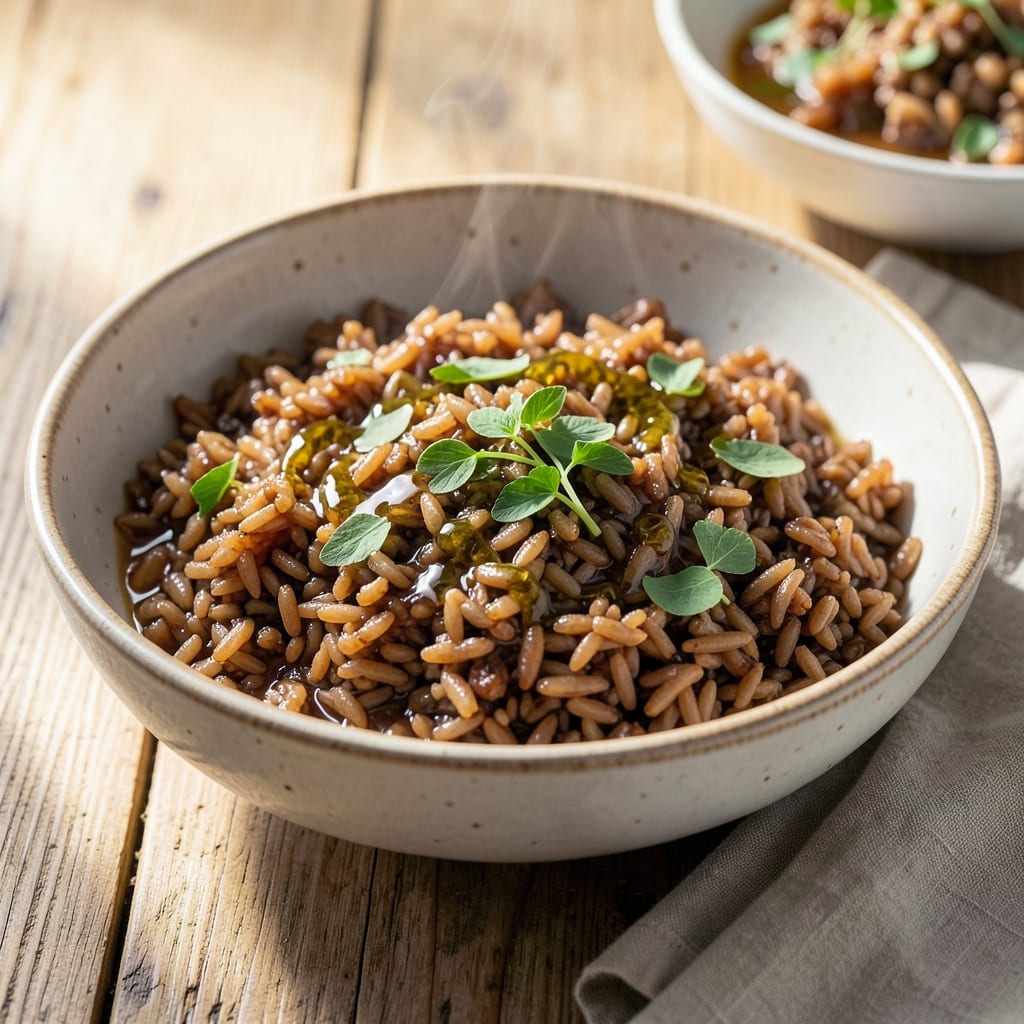
This alkaline wild rice recipe transforms ordinary grains into a dish with earthy crunch and nutty depth—perfect for elevating any meal. The secret lies in parboiling the rice with baking soda, which enhances texture and flavor while keeping preparation simple. Unlike traditional methods, this technique delivers restaurant-quality results in just one pot, saving time and effort without sacrificing quality.
The process is straightforward: rinse the wild rice, parboil it with baking soda and broth, then simmer until tender. This method not only improves digestibility but also amplifies the rice’s natural nutty undertones, creating a rich, satisfying bite that pairs beautifully with proteins or stands alone as a hearty side. The alkaline treatment also shortens cooking time, making it ideal for busy weeknights.
What you’ll achieve is rice with a perfectly chewy yet firm texture, infused with deep, toasty notes that complement both savory and sweet dishes. Whether served as a pilaf, mixed with vegetables, or paired with grilled meats, this alkaline wild rice adds a gourmet touch to any plate. The versatility makes it a staple for meal prep or special occasions alike.
For added flavor, consider finishing the rice with herbs like thyme or rosemary, or tossing it with toasted nuts and dried fruit. The possibilities are endless, but the foundation—crisp edges, tender centers, and unmatched depth of flavor—remains the star. Let’s get started on this game-changing side dish.
Ingredients for alkaline wild rice
Transform ordinary grains into restaurant-quality wild rice with these carefully selected ingredients.
| Ingredient | Amount | Notes |
|---|---|---|
| Wild Rice Blend 🌾 | 1 cup | Uncooked, long-grain variety preferred |
| Baking Soda 🧂 | ¼ tsp | Alkaline agent for texture enhancement |
| Vegetable Broth 💧 | 2 cups | Low-sodium preferred for flavor control |
| Water 💧 | 3 cups | Filtered preferred for purity |
| Olive Oil 🫒 | 1 tbsp | Extra-virgin for subtle richness |
| Fresh Thyme Leaves 🌿 | ¼ cup | Chopped finely for aromatic infusion |
| Garlic Cloves 🧄 | 3 cloves | Minced for concentrated flavor |
| Salt 🧂 | ½ tsp | Diamond Crystal preferred for clarity |
| Black Peppercorns 🌶️ | ¼ tsp | Freshly cracked for robust flavor |
| Rosemary Sprigs 🌿 | 2 whole | For finishing aroma infusion |
| Toasted Pecans 🌰 | ¼ cup | Chopped for nutty crunch finish |
| Dried Cranberries 🍇 | ¼ cup | Chopped for sweet-tart contrast |
The wild rice blend forms the foundation, so prioritize uncooked long-grain varieties—they maintain texture better than pre-cooked mixes. For broth, low-sodium options like Pacific Foods or Imagine ensure flavor control without excess salt. Baking soda is the game-changer here, but use only 1/4 teaspoon—too much creates a soapy aftertaste. Fresh thyme and rosemary elevate the earthy profile; store-bought bundles work fine, but organic varieties from Whole Foods or local markets offer superior aroma. Toast the pecans and chop the cranberries ahead of time to streamline assembly—both add contrasting textures that make this dish stand out.
No baking soda? A pinch of baking powder works in a pinch, though texture won't be identical. Substitute vegetable broth with mushroom broth for deeper umami, or chicken broth if vegetarian restrictions are relaxed. For the herbs, dried thyme at 1/4 the amount suffices, though fresh delivers superior brightness. If pecans are unavailable, walnuts or almonds provide similar crunch. The cranberries can be swapped for dried apricots for a different sweet-tart balance. For a gluten-free variation, ensure your broth is certified—most Pacific Foods options are naturally gluten-free.
This rice maintains peak texture for 4-5 days when refrigerated in an airtight container, though flavor deepens after the first day. For longer storage, freeze portions in single-serving containers for up to 3 months—thaw overnight in the fridge. Reheat gently with a splash of water or broth to restore moisture. The toasted pecans and dried fruit keep separately until serving to prevent sogginess. Portion into meal prep containers for grab-and-go lunches, or serve as a gourmet side for holiday feasts—its versatility makes it a pantry staple worth repeating.
Why You'll Love This Recipe
- No-Fuss Cooking: I swear by this method—just toss the wild rice, broth, and a pinch of baking soda into a pot, bring it to a boil, then simmer. No stirring every five minutes, no watching like a hawk. The baking soda does the work, breaking down the rice so it’s tender and fluffy without the fuss. (Yes, even on a Tuesday night.)
- Earthy Depth: That wild rice blend? Nutty, chewy, and packed with texture. The baking soda isn’t just magic for texture—it actually amplifies the rice’s natural flavor, giving it this bright, almost toasty richness. Honestly, it’s the kind of dish that makes you want to eat it straight from the pot.
- Meal Prep Hero: This rice keeps like a champ—stays moist for days in the fridge, reheats beautifully, and even freezes well. I make a big batch on Sundays, then use it all week in salads, bowls, or alongside roasted veggies. No sad, dry rice here; it’s always ready to star.
- Budget-Friendly Staple: Wild rice can feel fancy, but this method stretches it into something affordable and filling. A single batch feeds four, and the broth and baking soda keep costs low. Plus, it’s one of those dishes where the ingredients do the heavy lifting—no pricey shortcuts needed. My wallet (and my family) thank me.
Step-by-step instructions for alkaline wild rice with earthy crunch
This method transforms simple wild rice into a complex, textured dish with alkaline chemistry.
Rinse and Soak the Wild Rice Blend
Place the 1 cup wild rice blend in a fine-mesh strainer and rinse thoroughly under cold water for 30 seconds. This removes surface starch that would otherwise make the grains gummy. Transfer the rinsed rice to a medium saucepan and add the 3 cups water and 2 cups vegetable broth. Bring to a boil over high heat, then immediately reduce to a gentle simmer for 15 minutes.
During this initial simmer, the rice will absorb liquid and begin breaking down. I've found that starting with hot liquid rather than cold prevents uneven cooking. The broth adds depth while keeping sodium levels balanced.
Add Alkaline Agent and Aromatics
After 15 minutes, stir in the 0.25 tsp baking soda and 0.5 tsp salt. The baking soda acts as an alkaline agent that tenderizes the grains and enhances their natural nuttiness. Add the 3 cloves minced garlic, 0.25 cup chopped fresh thyme leaves, and 2 whole rosemary sprigs. Stir gently to combine, then return to a simmer for an additional 30 minutes.
You'll notice the texture begins to soften and the grains separate more cleanly. The herbs infuse into the liquid, creating a fragrant base. If the liquid level drops below the rice surface, add ½ cup hot water to prevent burning.
Incorporate Olive Oil and Finish Cooking
After 30 minutes, stir in the 1 tbsp extra-virgin olive oil and 0.25 tsp freshly cracked black peppercorns. The oil adds subtle richness while the pepper provides a robust finish. Cover the saucepan and continue simmering for another 15-20 minutes until the rice is tender but still holds its shape when pressed between fingers.
This final stage develops the rice's texture. The alkaline treatment creates a slightly chewy bite while maintaining individual grain integrity. The oil emulsifies into the liquid, creating a silky finish.
Fold in Crunchy and Tart Elements
Once the rice reaches perfect tenderness, remove from heat and stir in the 0.25 cup chopped toasted pecans and 0.25 cup chopped dried cranberries. The pecans provide nutty crunch while the cranberries add sweet-tart contrast. Let the mixture sit uncovered for 5 minutes to allow flavors to meld.
For best results, I recommend serving immediately while the rice is still warm. The temperature contrast between the hot rice and cool garnishes enhances the flavor experience. The alkaline treatment gives this dish a distinctive texture that sets it apart from traditional wild rice preparations.
Pro Tips For Making Alkaline Wild Rice
- STIR THE SODA IN: Mix the baking soda with the broth before adding it to the rice—it dissolves faster and prevents clumping. I used to sprinkle it in dry, and half of it just sat there like tiny white rocks.
- USE LOW HEAT AFTER BOIL: Once the rice hits a rolling boil, drop the heat to low and let it simmer uncovered. Skipping this step means you’ll end up with mushy rice or a pot of soup instead of fluffy grains.
- RINSE THE RICE FIRST: Give that wild rice blend a quick cold-water rinse before cooking to wash off any grit or excess starch. I learned this the hard way when I ended up with a gritty bite in every mouthful.
- ADD OLIVE OIL LAST: Drizzle the olive oil over the cooked rice after it’s done and off the heat—it coats the grains better and adds richness without making the rice greasy. Pouring it in early just turns your pot into a slippery mess.
Flavor customization for this alkaline wild rice
Herb Variations
Swap thyme and rosemary for fresh sage and bay leaves for a Mediterranean twist—simmer 4 fresh sage leaves and 1 bay leaf with the rice. The sage adds earthy depth, while bay leaf infuses subtle piney notes. Remove the bay leaf before serving, as it can be bitter if overcooked. 🌿
For a smoky profile, add ½ tsp smoked paprika when incorporating the baking soda. This works especially well with chicken or pork dishes, mimicking the flavor of grilled meats. I’ve found that smoked paprika pairs beautifully with toasted walnuts instead of pecans for a rustic touch.
Sweet-Tart Additions
Instead of cranberries, try dried cherries for a deeper fruitiness or raisins for a classic sweet contrast. For a spiced twist, toss in ½ tsp cinnamon with the dried fruit—this complements roasted turkey or duck perfectly. The cinnamon adds warmth that balances the rice’s earthy nuttiness.
For a tropical vibe, swap cranberries for dried mango and pecans for toasted coconut flakes. Add ½ tsp lime zest at the end for brightness. This variation shines in summer salads or as a side for grilled fish. The lime zest cuts through the richness of the coconut beautifully.
Savory Umami Boosters
Boost umami by adding 1 tbsp soy sauce when incorporating the baking soda. This works especially well with beef or mushroom dishes. For extra depth, stir in 1 tsp miso paste during the final 15 minutes of cooking—it dissolves into the liquid, creating a silky, savory base. 🍲
For a cheesy finish, fold in ¼ cup crumbled feta cheese or ½ cup shredded Parmesan after removing from heat. The acidity in feta brightens the dish, while Parmesan adds a nutty, salty kick. This variation elevates the rice as a standalone side or stuffing for roasted vegetables.
Spicy Heat Levels
Add ½ tsp cayenne pepper with the baking soda for a mild heat, or 1 tsp chili flakes for a bold kick. For a smoky-spicy twist, mix ½ tsp smoked cayenne with the dried cranberries. This pairing works wonderfully with grilled steak or spicy tacos. 🌶️
For a cooling contrast, finish with 1 tbsp chopped fresh cilantro and a squeeze of lime juice. The citrus cuts through the heat while adding freshness. This variation is perfect for Mexican-inspired meals or summer BBQs. The lime juice also helps balance the richness of the alkaline-treated rice.
Nutrition facts
Frequently asked questions
Why does this recipe use baking soda instead of traditional cooking methods?
The baking soda creates an alkaline environment that tenderizes the wild rice while enhancing its natural nutty flavor. This technique produces a chewier texture with distinct edges, unlike the softer, mushier result from standard boiling. The alkaline treatment also shortens cooking time by 20-30 minutes compared to traditional methods.
Can I make this alkaline wild rice in an Instant Pot or rice cooker?
Yes! For the Instant Pot, combine all ingredients (except pecans and cranberries) and cook on high pressure for 12 minutes, then natural release for 10 minutes. In a rice cooker, follow the same steps but use the white rice setting and add 5 extra minutes to the cooking time. The alkaline treatment works equally well in both appliances.
What if I accidentally use too much baking soda?
Too much baking soda (more than 0.25 tsp) can create a soapy aftertaste and make the rice overly soft. If this happens, rinse the cooked rice thoroughly under cold water and stir in 1 tbsp lemon juice to neutralize the alkalinity. The texture will be slightly compromised, but the flavor will be balanced.
How can I adjust this recipe for dietary restrictions?
For gluten-free, use certified gluten-free vegetable broth. For vegan, omit honey (if added) and ensure broth contains no animal products. To reduce sodium, cut the salt to ¼ tsp and use no-salt-added broth. For nut-free, substitute pecans with toasted sunflower seeds or omit entirely.
Can I make this ahead of time for meal prep?
This rice keeps well in an airtight container in the fridge for 4-5 days. For longer storage, freeze portions for up to 3 months. Reheat gently with a splash of water or broth to restore moisture. The alkaline treatment actually improves flavor when reheated, making it perfect for meal prep.