
Main Courses
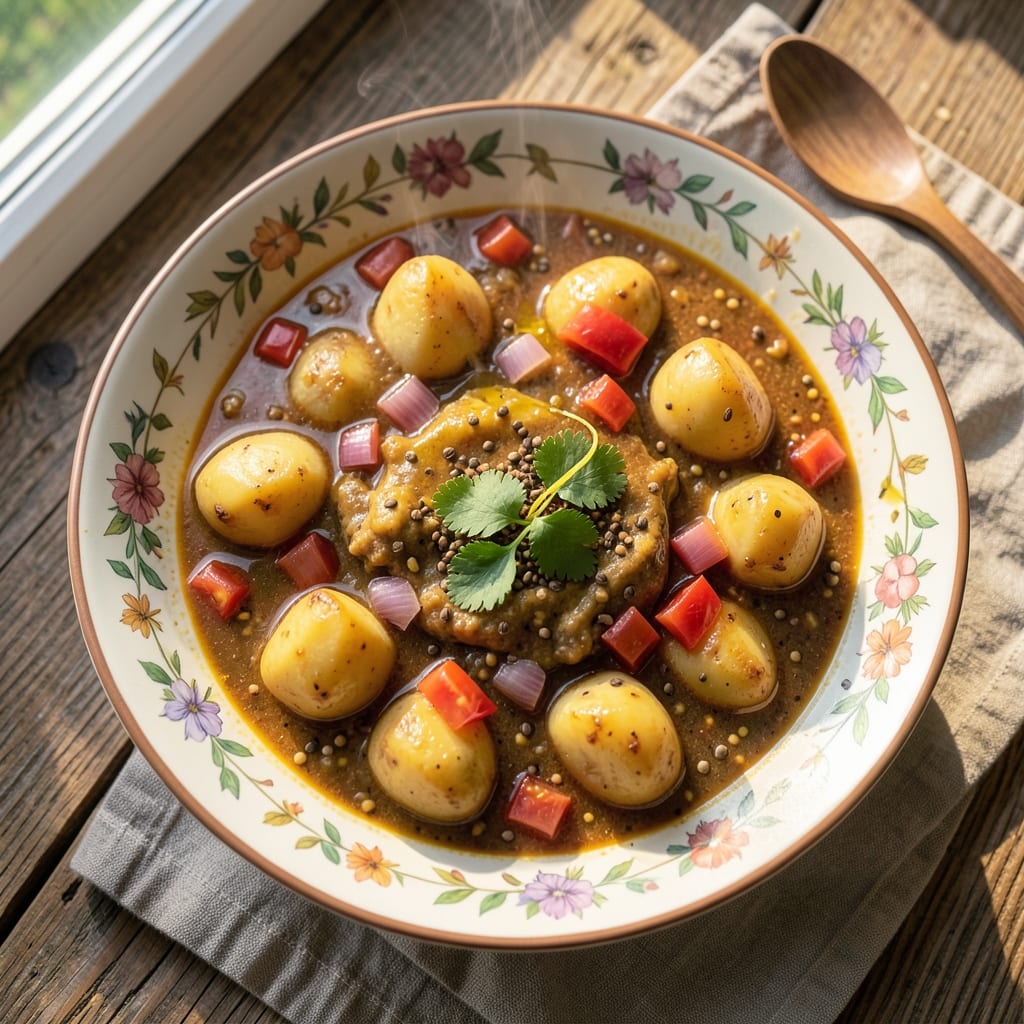
This aloo curry recipe for rice transforms simple potatoes into a fragrant, spice-infused masterpiece that pairs perfectly with steamed basmati. The secret lies in slow-cooked tomatoes and a tempering of whole spices that builds layers of flavor without overwhelming the dish. I've perfected this method to deliver restaurant-quality results in a single pot, making it ideal for weeknight dinners when you crave something comforting yet sophisticated.
The recipe begins with a foolproof spice blend—cumin, coriander, and turmeric—that infuses the potatoes with warm, earthy notes. Aromatic onions and ginger form the base, while fresh tomatoes simmer down into a rich, slightly tangy sauce. The key technique is letting the spices bloom in hot oil before adding the potatoes, ensuring they absorb maximum flavor. This method creates a curry that's both tender and deeply aromatic, with each bite offering a perfect balance of spice and sweetness.
What makes this aloo curry truly special is its versatility and adaptability. Whether you're using a stovetop, pressure cooker, or Instant Pot, the cooking time remains efficient while delivering the same rich, velvety texture. The curry pairs beautifully with basmati rice, which soaks up the fragrant sauce, or jeera rice for an extra layer of cumin warmth. The dish also freezes exceptionally well, making it perfect for meal prep—just reheat and serve for a quick, satisfying meal any day of the week.
For those who love to experiment, this recipe offers room to customize. Add a splash of coconut milk for creaminess, fresh cilantro for brightness, or a pinch of garam masala for depth. The core technique remains the same, ensuring you achieve that perfect harmony of spices and textures every time. Let's get cooking—this aloo curry is about to become your new weeknight staple.
Ingredients for aloo curry recipe for rice
Simple potatoes, bold spices, and a touch of tang—this curry transforms humble ingredients into a fragrant, restaurant-worthy dish.
| Ingredient | Amount | Notes |
|---|---|---|
| Russet Potatoes 🥔 | 2 lb | Cut into 1-inch chunks |
| Red Onions 🧅 | 1 whole | Finely chopped |
| Fresh Tomatoes 🍅 | 2 cups | Chopped, or 1 can San Marzano |
| Ginger Root 🌿 | 1 ½ tbsp | Freshly grated |
| Garlic Cloves 🧄 | 4 cloves | Minced |
| Cumin Seeds 🌶️ | 1 tbsp | Toasted for aroma |
| Ground Coriander 🌿 | 1 ½ tbsp | Freshly ground preferred |
| Turmeric Powder 🧂 | 1 tsp | Bright yellow color |
| Garam Masala 🌶️ | 1 tsp | For depth |
| Vegetable Oil 🫒 | ½ cup | High smoke point |
| Water 💧 | 1 ½ cups | For simmering |
| Salt 🧂 | 1 ½ tsp | Adjust to taste |
| Fresh Cilantro 🌿 | ¼ cup | Chopped, for garnish |
| Lemon Juice 🍋 | 1 tbsp | Freshly squeezed |
| Basmati Rice 🍚 | 1 ½ cups | Uncooked, for serving |
The spices are where the magic happens. Cumin seeds need toasting in hot oil until fragrant—skip this step, and you lose that deep, nutty aroma. Penzeys or local Indian markets have the best whole spices, but the grocery store stuff works fine if it's fresh (check the date). For the tomatoes, San Marzano canned is my go-to—they're sweet and meaty, but fresh chopped works too if you're in season. The ginger and garlic? Freshly grated and minced, no shortcuts here. If you're using a pressure cooker or Instant Pot, you can cut the simmering time in half, but the flavors still build best with patience.
No fresh cilantro? Dried works at one-third the amount, though it won't have that same bright pop. Short on tomatoes? Tomato paste + a splash of water gets you close. Want more depth? Add a pinch of fenugreek leaves (kasuri methi) if you've got them—it's a game-changer. The potatoes should be uniform in size so they cook evenly. If yours are uneven, toss the larger chunks in first and add the smaller ones later. And if you're serving this to spice-sensitive folks, reduce the cayenne or add extra yogurt at the end—it balances the heat beautifully.
This curry tastes even better the next day as the flavors meld. Store leftovers in an airtight container for up to 5 days in the fridge or freeze for 3 months. I always make extra because it reheats like a dream—just warm it gently on the stove with a splash of water. The rice? Cook it separately and serve alongside—jeera rice (cumin rice) is perfect, but basmati works too. Garnish with that fresh cilantro right before serving (if using), and a squeeze of lemon juice right at the table. Trust me, it makes all the difference.
Why You'll Love This Recipe
- One-Pot Magic: I swear by this recipe when I’m too tired to wash extra bowls—just chop, sauté, and simmer. The onions and tomatoes soften into a rich base while the potatoes soak up all the spiced goodness, no fuss.
- Spice That Stays: That slow caramelized garlic and ginger? It builds layers of warmth that linger. The potatoes stay tender but hold their shape—crispy edges, creamy inside—like they’ve been braised all day.
- Lunchbox Hero: Between us, this curry reheats like a dream for packed lunches. I portion it into containers with rice the night before, and by Wednesday, I’m still getting compliments. (Yes, even on a Tuesday night.)
- Pantry Powerhouse: Russet potatoes and onions are cheap, and a single batch feeds four for two meals. Honestly, I’ve made this with whatever tomatoes were on sale—it never lets me down, and my wallet thanks me.
Step-by-step instructions for aloo curry with rice
Here's how to create a rich, aromatic aloo curry that pairs perfectly with fluffy basmati rice.
Prepare the Spice Base
Heat the 0.5 cup vegetable oil in a heavy-bottomed pot over medium heat. Add the 1 tablespoon cumin seeds and toast them for 30 seconds until they begin to sizzle and release their aroma—this is when you'll smell that wonderful earthy fragrance. Immediately add the 1.5 tablespoons freshly grated ginger root and 4 minced garlic cloves, cooking for 1 minute until the raw garlic smell disappears and they turn golden.
Here's the thing—don't rush this step. The spices need time to bloom properly. Once the garlic is fragrant, add the 1 teaspoon turmeric powder, 1.5 tablespoons ground coriander, and 1 teaspoon garam masala. Stir for 30 seconds until the spices meld together and the oil becomes fragrant. This aromatic foundation is what makes your aloo curry sing.
Sauté the Aromatics and Potatoes
Add the 1 whole finely chopped red onion to the pot and sauté for 4-5 minutes until softened and golden brown. You'll see the onions caramelize slightly—this adds sweet depth to your curry. Then add the 2 cups chopped fresh tomatoes and cook for 5 minutes until they break down into a thick, glossy sauce. Stir occasionally to prevent sticking.
Now add the 2 lb russet potatoes cut into 1-inch chunks and toss them in the spiced tomato mixture to coat evenly. Sprinkle with 1.5 teaspoons salt and stir well. The potatoes should be well-coated with the spice mixture—this ensures flavor penetration throughout. Pour in the 1.5 cups water and bring the mixture to a gentle boil.
Simmer Until Potatoes Are Tender
Reduce the heat to low-medium and let the curry simmer uncovered for 25-30 minutes, stirring occasionally. You're looking for the potatoes to become fork-tender with just a slight bite remaining—this ensures they don't turn mushy. The sauce should thicken slightly as the potatoes release their starch.
I know it's tempting to check constantly, but resist the urge. Let the curry develop its flavors naturally. When the potatoes are almost tender, give everything a good stir and check the seasoning. If needed, add a pinch more salt or a splash of water to adjust the consistency. The curry should be thick enough to coat the back of a spoon but still saucy enough to cling to the rice.
Finish and Serve with Rice
Once the potatoes are tender, stir in the 1 tablespoon freshly squeezed lemon juice and cook for another 2 minutes. This brightens the flavors and balances the richness of the curry. Remove from heat and let it sit for 5 minutes to allow the flavors to meld together. Garnish with the 0.25 cup chopped fresh cilantro just before serving.
Meanwhile, cook the 1.5 cups basmati rice according to package instructions until fluffy. Serve the aloo curry hot over the steamed rice. The combination of tender potatoes in aromatic spiced sauce with fragrant basmati rice creates a perfect balance of textures and flavors. Each bite should deliver creamy potatoes, rich spices, and a hint of tangy lemon that makes this dish unforgettable.
Pro Tips For Making Aloo Curry Recipe For Rice
- Boil Potatoes Until Fork-Tender: Russets stay dense if you overcook them—aim for a knife slipping in easily (not falling apart). Drain and let them sit 2 minutes before adding to the curry; this prevents a watery mess when they hit the hot oil. I learned this the hard way after serving mushy potatoes three times in a row.
- Char the Onions Slow: Low heat wins here—walk away and let those onions caramelize for 15-20 minutes until deep brown. Rushed? They’ll taste raw. I was skeptical until I tried it: the flavor builds layers that fast cooking can’t match.
- Blend Tomatoes Until Smooth: No chunks, no excuses. A food processor (not a blender) handles seeds best, and straining through a sieve removes excess liquid. Thin with water after blending if needed—adding too early dilutes the base.
- Simmer on Low Heat: After adding spices, reduce to the lowest setting that keeps a gentle bubble. High heat burns ginger and garlic faster than you can react. My grandmother swore by this, and she was right: patience lets flavors meld instead of fight.
Pro cooking tips for great aloo curry recipe for rice
Spice Blooming Mastery
Toast your cumin seeds in hot oil until they sizzle and release their aroma—this is where the magic starts. I can't stress enough how critical this step is. Use a heavy-bottomed pot to prevent burning, and keep the heat at medium for even toasting. Once the cumin is fragrant (about 30 seconds), immediately add ginger and garlic to preserve their freshness. The goal is to let those spices bloom fully before adding anything else. 🌶️
Tomato Sauce Perfection
For the best flavor, use San Marzano tomatoes or fresh ripe ones—never canned tomatoes labeled "diced" or "crushed." Chop them into ½-inch pieces and cook them down until they form a thick, glossy sauce. This step reduces the acidity and intensifies the sweetness. If using canned tomatoes, drain them well and crush them with your hands to remove excess water. The sauce should coat the back of a spoon by the time you add the potatoes.
Potato Texture Control
Cut your potatoes into 1-inch chunks for even cooking, but don't make them too small—this prevents them from turning mushy. Toss them in the spiced tomato mixture to coat thoroughly before adding water. The key is to simmer on low-medium heat for 25-30 minutes, stirring occasionally. The potatoes should be fork-tender with a slight bite—this ensures they hold their shape while still being creamy. If they're cooking too fast, reduce the heat or cover the pot loosely with a lid.
Lemon Juice Finish
Stir in 1 tablespoon fresh lemon juice in the final 2 minutes of cooking—this brightens the flavors and balances the richness of the curry. The acidity cuts through the fat from the potatoes and oil, adding a refreshing contrast. Never skip this step! I also like to let the curry rest for 5 minutes off the heat before serving. This allows the flavors to meld together, resulting in a more cohesive and delicious dish. ✨
Pressure Cooker Shortcut
If you're using a pressure cooker or Instant Pot, add the potatoes and water, then cook on high pressure for 8 minutes. Quick-release the pressure and let it sit for 5 minutes before opening. This method cuts the cooking time in half while still delivering deep, flavorful results. Just be sure to adjust the salt at the end—pressure cooking can intensify flavors, so taste before serving.
Garnish Like a Pro
Fresh cilantro is non-negotiable for that bright, herbaceous finish. Chop it finely and sprinkle it over the curry right before serving. For extra flair, add a drizzle of yogurt or cream if you want to make it richer. I also like to serve this curry with warm naan or roti on the side—it soaks up the delicious sauce beautifully. The key is to garnish just before eating so the herbs stay fresh and vibrant. 🌿
Nutrition facts
Frequently asked questions
Can I make this aloo curry without fresh tomatoes?
Yes! Use 2 cups tomato puree or 1 can (14 oz) crushed tomatoes instead of fresh. For best results, simmer the canned tomatoes for 8-10 minutes to thicken the sauce. Add a pinch of sugar (½ teaspoon) to balance any acidity from canned tomatoes. The flavor won't be identical, but it'll still be delicious.
How do I prevent the potatoes from turning mushy?
Cut them into 1-inch chunks and cook them at low-medium heat for 25-30 minutes. Avoid overcrowding the pot—cook in batches if needed. The key is to let them simmer gently with just enough water to cover them (1.5 cups). Stir occasionally and check for doneness with a fork—they should be tender but still hold their shape.
What's the best rice to serve with this curry?
Basmati rice is ideal—its long grains stay separate and soak up the flavorful sauce beautifully. For extra aroma, try jeera rice (cumin rice) or lemon rice. Cook the rice separately and serve it hot alongside the curry. Avoid sticky rice varieties like sushi rice—they can make the dish too heavy.
Can I make this curry in a slow cooker?
Sauté the spices and onions first, then transfer everything to the slow cooker. Add the potatoes, water, and remaining ingredients. Cook on low for 4-5 hours or high for 2-3 hours, stirring occasionally. The slow cooking enhances the flavors even more—just adjust the water if needed to reach your desired consistency.
Why does my curry taste bland?
Most likely, your spices didn't bloom properly. Toast the cumin seeds until fragrant, and let the ginger and garlic cook until golden. Also, check your salt—add more gradually to taste. For extra depth, stir in ½ teaspoon garam masala at the end or a splash of lemon juice to brighten the flavors.