
Main Courses
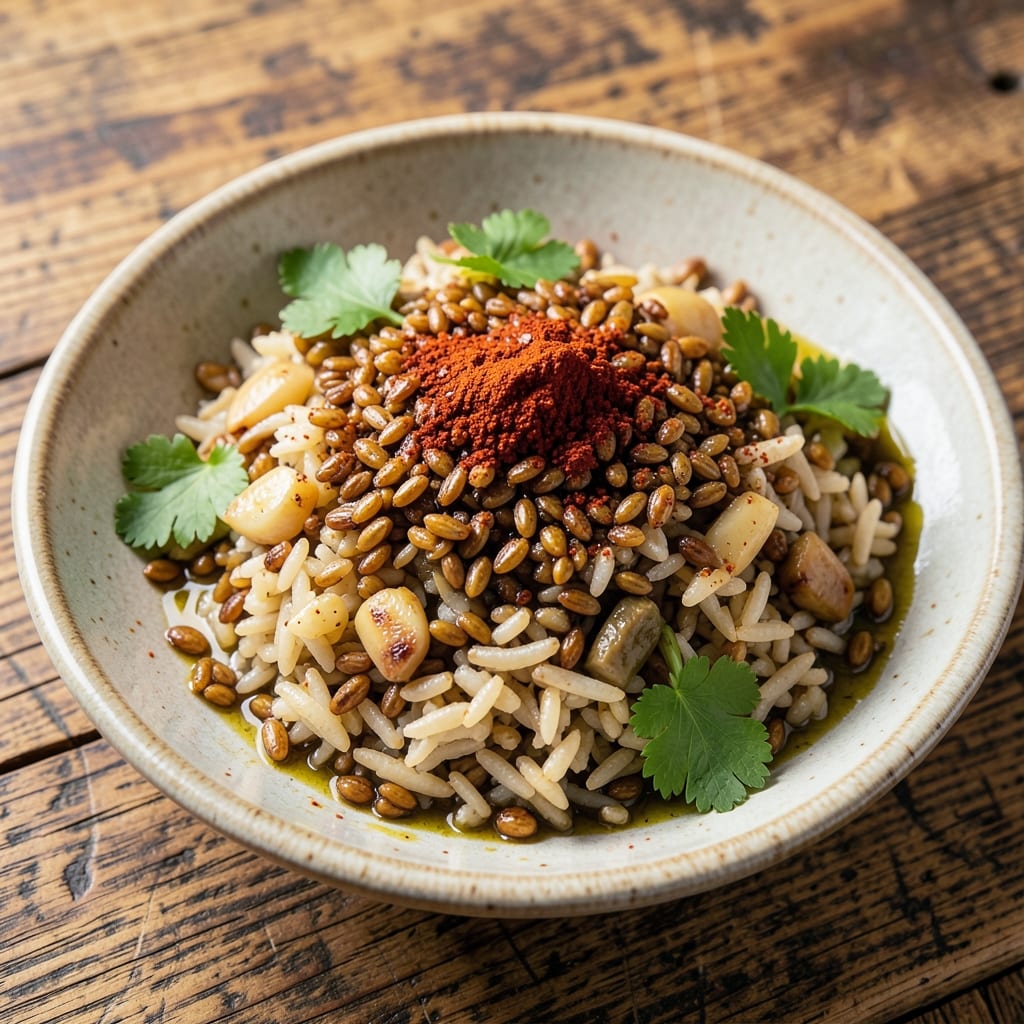
This amaranth and rice recipe transforms two powerhouse grains into a nutty, toasted crunch side dish that’s heartier than plain rice and more exciting than quinoa. The secret lies in toasting the grains separately before simmering them together—this creates a deep, caramelized flavor that elevates any meal, whether it’s a weekday dinner or a weekend spread. What sets this apart is how the amaranth adds a chewy texture and earthy richness, while the rice keeps things familiar and satisfying.
The beauty of this dish is its versatility—it works as a standalone grain bowl, a base for salads, or even a breakfast option when paired with roasted vegetables and a drizzle of tahini. Cooking it on the stovetop takes just 30 minutes, and the method is foolproof, even for beginners. No special equipment is needed, just a pot, a lid, and a little patience to let the grains absorb the flavors. The result? A toasted, aromatic grain blend that’s packed with protein, fiber, and a satisfying bite.
What you’ll love most is how this recipe adapts to any flavor profile—savory with smoked paprika and garlic, fresh with lemon zest and herbs, or even lightly sweet with cinnamon and raisins. The grains hold their shape beautifully, making them perfect for meal prep or serving alongside grilled meats, roasted veggies, or curries. Once you try this nutrient-dense fusion, you’ll never go back to plain rice again.
Ready to elevate your grain game? This dish delivers restaurant-quality texture with minimal effort, all while keeping it vegan-friendly and packed with plant-based goodness. Let’s get cooking—your taste buds (and your body) will thank you.
Ingredients for amaranth rice
Nine simple ingredients for a toasted, nutty grain blend that’s heartier than rice alone.
| Ingredient | Amount | Notes |
|---|---|---|
| Amaranth Grains 🌾 | 1 cup | Rinsed well before toasting |
| Long-Grain White Rice 🍚 | 1 cup | Jasmine or basmati preferred |
| Vegetable Broth 💧 | 2 ½ cups | Low-sodium preferred |
| Extra-Virgin Olive Oil 🫒 | 2 tbsp | For toasting grains |
| Garlic Cloves 🧄 | 3 cloves | Minced for toasting |
| Smoked Paprika 🌶️ | 1 tsp | For smoky depth |
| Ground Cumin 🌿 | ½ tsp | Toasted for warmth |
| Sea Salt 🧂 | ¾ tsp | Diamond Crystal preferred |
| Fresh Lemon Zest 🍋 | 1 tbsp | Bright finish |
| Fresh Parsley 🌿 | ¼ cup | Chopped for garnish |
| Tahini 🥜 | 2 tbsp | For drizzling (optional) |
Amaranth is the star here—look for the golden or black variety at health food stores or bulk bins. Whole Foods and Trader Joe's usually carry it, but if you can't find it, Bob's Red Mill sells it online. Rinse it well before toasting to remove any bitterness. The rice? Jasmine or basmati holds up best to the toasting process—don't use sticky rice like sushi rice. For the broth, low-sodium is key so you control the salt level. I like Imagine or Pacific Foods brands for their clean flavor. Toasting the grains separately is what creates that restaurant-quality crunch, so don't skip it—it's worth the extra minute.
No amaranth? Quinoa at double the amount works in a pinch, though the texture won't be identical. Short on smoked paprika? Regular paprika plus a pinch of liquid smoke gets you close. The tahini is optional but adds that creamy richness that balances the nutty grains. Fresh parsley is ideal, but dried parsley at one-third the amount works if you're in a hurry. If you're making this for a crowd, double the batch—it reheats beautifully. The lemon zest can be zested fresh or bought pre-zested (though it loses potency fast), so grab it just before serving if possible.
This keeps for 5 days in the fridge, sealed in an airtight container. The grains dry out fast, so store it with a damp paper towel to retain moisture. For meal prep, I portion it into small glass containers—they keep the texture better than plastic. Freezes for 3 months if you want to make a big batch. To reheat, just add a splash of water or broth and warm through. The tahini should be drizzled fresh if you're serving it that way—it doesn't reheat well. And trust me, the first bite after toasting is worth every second of waiting.
Why You'll Love This Recipe
- No-Fuss Combination: I swear by this mix—amaranth’s nutty bite and rice’s fluffiness balance perfectly without fuss. Just toast the grains in olive oil, add broth, and let them mingle while you chop veggies (or open a jar). The garlic sizzles in seconds, and you’re done.
- Umami Bomb: That vegetable broth? It’s the MVP here. Simmered with garlic and olive oil, it turns this into something ridiculously flavorful—like a cross between risotto and a hearty grain bowl. The amaranth soaks up all the richness, so every bite tastes like you put in effort (even if you didn’t).
- Meal Prep MVP: Honestly, this keeps for days in the fridge—ideal for lunches or quick dinners. Toss in roasted veggies or grilled protein the next day, and it’s a full meal. I make a big batch Sunday, and by Wednesday, I’m still eating it cold (yes, really).
- Budget Booster: Amaranth’s pricey reputation is overblown when you stretch it with rice—this recipe cuts costs without sacrificing texture. Plus, broth and olive oil are pantry staples, so you’re not breaking the bank for a dish that feels way more special than takeout.
Step-by-step instructions for amaranth and rice fusion
Here's how to create a perfectly balanced grain blend with nutty depth and toasted crunch.
Rinse and Toast the Grains Separately
Start by rinsing the 1 cup amaranth grains under cold water in a fine-mesh strainer until the water runs clear. This removes any bitterness and ensures they cook evenly. Spread the rinsed amaranth on a baking sheet and toast in a 375°F oven for 8-10 minutes, stirring halfway, until they're golden brown and smell nutty. Watch closely—they brown quickly and can burn easily.
While the amaranth toasts, rinse the 1 cup long-grain white rice separately to remove excess starch. Toast the rice in the same oven for 5 minutes until it's pale golden and fragrant. The toasting step develops deeper flavor and prevents mushiness—don't skip it. When both grains are toasted, remove them from the oven and set aside.
Bloom the Spices in Olive Oil
Heat the 2 tbsp extra-virgin olive oil in a large pot over medium heat. Add the 3 minced garlic cloves and cook for 30 seconds until fragrant but not browned. Immediately add the 1 tsp smoked paprika, 0.5 tsp ground cumin, and 0.75 tsp sea salt, stirring constantly for 1 minute until the spices release their aroma.
This step is crucial—it builds flavor layers before adding the grains. If the spices darken too quickly, reduce heat slightly. The oil should shimmer but not smoke. You'll know it's ready when the spices are fully integrated and the mixture smells warmly aromatic.
Combine Grains and Cook in Broth
Add the toasted amaranth and rice to the pot, stirring to coat evenly with the spiced oil. Pour in the 2.5 cups vegetable broth and bring to a gentle boil. Once boiling, reduce heat to low, cover tightly with a lid, and simmer for 25 minutes. Don't peek—the steam needs to build pressure for even cooking.
After 25 minutes, check the grains. They should be tender but still have a slight bite. If the amaranth feels undercooked, add 2 tablespoons water, cover, and cook 5 more minutes. The rice should be fluffy and separate. If it's still firm, continue cooking until both grains are perfectly tender.
Finish with Bright Flavors
Remove the pot from heat and let it sit covered for 5 minutes. Stir in the 1 tbsp fresh lemon zest and 0.25 cup chopped fresh parsley, folding gently to distribute the bright flavors. The lemon zest adds a citrusy finish that cuts through the richness of the grains and spices.
For serving, drizzle with the 2 tbsp tahini (if using) and fluff with a fork. The tahini adds a creamy, nutty contrast that ties all the flavors together. Garnish with additional parsley if desired. This dish keeps well for 3 days in the refrigerator, making it perfect for meal prep.
Pro Tips For Making Amaranth Rice
- TOAST THE AMARANTH FIRST: I learned this the hard way—skipping the toast means your amaranth stays chewy and bland. Dry-toast the grains in olive oil for 3-4 minutes until they smell nutty and pop like tiny kernels. This unlocks their flavor and prevents that chalky texture you hate.
- USE A 1:2 RATIO FOR RICE: Amaranth absorbs broth differently than plain rice, so don’t eyeball it. For every cup of amaranth, use 2 cups of broth (and 1 cup for rice). Too little liquid? You’ll end up with a dry, crunchy mess. Too much? It turns into porridge.
- SAUTÉ GARLIC LOW AND SLOW: High heat burns garlic before it renders its sweetness. Cook the minced cloves in olive oil over medium-low for 2-3 minutes—just until fragrant, not golden. Overcooked garlic tastes bitter, and this dish doesn’t need that.
- COVER WITH A TIGHT LID: This isn’t the prettiest method, but it’s the tastiest. After adding broth, slap that lid on and don’t peek for 15 minutes. The steam cooks the grains evenly and keeps the amaranth from drying out. (Yes, even if you’re impatient like me.)
Best sauces and condiments for these flavors
Smoky Tahini Drizzle
This is my go-to sauce for this amaranth rice blend—it adds a creamy, nutty richness that complements the toasted grains perfectly. Whisk together 2 tbsp tahini, 1 tbsp lemon juice, 1 tsp smoked paprika, and 1 tsp maple syrup until smooth. Thin with 1-2 tbsp water if needed. Drizzle over the warm grains just before serving for that restaurant-quality finish. 🌟
Garlic-Herb Yogurt Sauce
For a tangy contrast, blend ½ cup vegan yogurt (like Silk Plain), 1 minced garlic clove, 1 tbsp chopped dill, 1 tbsp chopped parsley, ½ tsp salt, and a pinch of black pepper. This sauce adds brightness and creaminess—perfect for balancing the nutty grains. Serve it on the side or spoon it over the top. ✨
Spicy Harissa Aioli
If you love heat, mix ½ cup vegan mayo, 1 tbsp harissa paste, 1 tsp lemon juice, and ½ tsp cumin for a bold, spicy kick. The harissa's smoky depth pairs beautifully with the toasted amaranth. Add a pinch of smoked paprika for extra warmth. This sauce elevates the dish into a full-flavored experience. 🔥
Citrus-Chili Vinaigrette
For a lighter option, whisk 3 tbsp olive oil, 1 tbsp rice vinegar, 1 tbsp lime juice, ½ tsp chili flakes, and 1 tsp honey. Drizzle over the grains and toss gently. The acidity brightens the dish, while the chili flakes add a subtle heat that lingers. Perfect for meal prep or serving as a salad base. 💛
Creamy Avocado Lime Dressing
Mash ½ ripe avocado with 2 tbsp lime juice, 1 tbsp chopped cilantro, ½ tsp salt, and 1 tbsp water to thin. This adds a velvety texture and zesty freshness that pairs wonderfully with the toasted grains. Serve it as a topping or mix it in for a creamy, vibrant twist. 🥑
Nutrition facts
Frequently asked questions
Can I substitute quinoa for amaranth in this recipe?
Yes, but the texture will differ slightly. Use 2 cups quinoa (double the amount) for a similar volume, but quinoa cooks faster and has a firmer bite. Toast it separately for 5 minutes at 375°F to match the recipe's depth. The flavor will be nuttier but less chewy than amaranth.
Why does the recipe call for toasting the grains separately?
Toasting enhances flavor and prevents mushiness. Amaranth needs 8-10 minutes to develop its nutty aroma, while rice only needs 5 minutes. Cooking them together risks burning the amaranth or undercooking the rice. This step creates that signature toasted crunch you'd find in restaurant dishes!
How do I adjust this for a rice cooker?
Toast the grains separately in the oven as directed, then transfer them to your rice cooker with the spices and broth. Use the white rice setting and add 1 extra cup water (rice cookers need more liquid). The cooker will handle the simmering perfectly—just check for doneness after 20 minutes.
What if my amaranth rice turns out too dry?
Add 2-3 tablespoons warm broth and cover for 5 minutes off heat. The grains should plump up with moisture. For prevention, stir occasionally during cooking to distribute liquid evenly. If it's still dry, the initial broth amount may need increasing by ¼ cup next time.
Can I make this ahead for meal prep?
Store in an airtight container for 5 days in the fridge. For reheating, sprinkle with 1 tbsp water and cover for 2 minutes in the microwave. The tahini should be added fresh if using—it separates when reheated. Portion into small containers to maintain texture.