
Main Courses
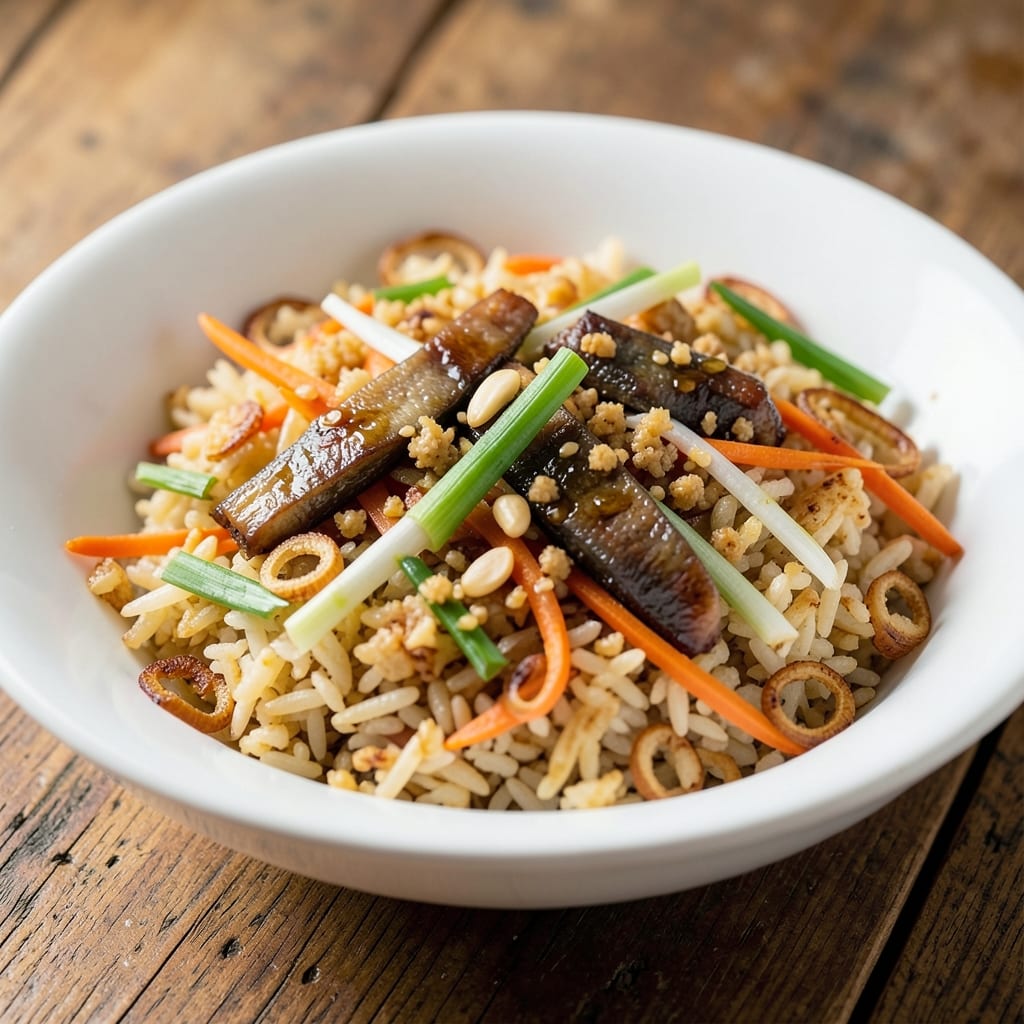
Anchovy fried rice transforms leftover rice into a bold, umami-rich one-pan masterpiece that rivals takeout. The secret lies in properly dissolving anchovies into water—creating a salty, savory base that binds every ingredient together. This isn't just fried rice; it's a flavor explosion in every bite, where crisp-tender veggies and protein melt into a sauce thickened by perfectly toasted rice.
The technique is straightforward but critical: high heat, rapid stirring, and precise timing ensure the rice stays separate yet sticky. I use day-old rice for best texture, and a combination of garlic, scallions, and a touch of sugar balances the anchovies' intensity. The result is a dish that's restaurant-quality yet simple enough for weeknight dinners.
What you'll end up with is a golden-brown pan of fried rice where each grain is coated in that signature umami sauce, with bright green scallions and crisp vegetables adding freshness. The anchovies dissolve completely, leaving no fishy aftertaste—just deep, savory satisfaction that makes this dish unforgettable.
Perfect for using up leftovers, feeding a crowd, or impressing guests with minimal effort. The recipe scales easily, and variations like adding shrimp or tofu keep it versatile. Let's get cooking—this fried rice will change how you think about rice dishes forever.
Ingredients for anchovy fried rice
Four cups of day-old rice plus a handful of bold flavors transform leftovers into restaurant-quality fried rice.
| Ingredient | Amount | Notes |
|---|---|---|
| Day-Old Cooked White Rice 🍚 | 4 cups | Cold, unseasoned, grainy texture preferred |
| Anchovy Fillets 🐟 | 4 whole | High-quality, boneless, rinsed |
| Scallions 🧅 | ½ cup | White and green parts, thinly sliced |
| Garlic Cloves 🧄 | 4 cloves | Minced, fresh preferred |
| Carrots 🥕 | 1 cup | Julienned, medium size preferred |
| Green Onions 🧅 | ¼ cup | Chopped, white and green parts |
| Frozen Peas 🌱 | ½ cup | Thawed, no need to drain |
| Vegetable Oil 🫒 | 2 tbsp | High smoke point, neutral flavor |
| Soy Sauce 🍶 | 2 tbsp | Light or regular, not low-sodium |
| Sesame Oil 🫒 | 1 tsp | Toasted, for aroma |
| White Sugar 🍬 | 1 tsp | Balances anchovy saltiness |
| Salt 🧂 | ½ tsp | Kosher or sea salt |
| Black Pepper 🌶️ | ¼ tsp | Freshly ground, coarse |
| Optional Protein 🦐 | 1 cup | Chopped shrimp or diced tofu |
The anchovies are non-negotiable here—they create that signature umami depth. Look for high-quality fillets (like Wild Planet or Crown Prince brands) at specialty stores or the seafood counter. Rinse them well to remove excess salt, then dissolve in hot water for a clean, savory base. The rice must be day-old—fresh rice turns mushy. Day-old basmati or jasmine works best, with individual grains rather than sticky clumps. For the veggies, julienned carrots and sliced scallions add texture contrast, while frozen peas bring sweetness without wilting.
No anchovies? Substitute with 1 tbsp fish sauce plus 1 tsp soy sauce—it won’t be identical, but close. Swap shrimp for chopped chicken or tofu (press tofu first to remove excess water). The sugar balances the anchovies' saltiness, but honey or maple syrup at half the amount works too. For extra crunch, add crispy fried shallots at the end. If using pre-minced garlic, toast it in oil for 30 seconds to deepen the flavor. The sesame oil should be toasted—regular sesame oil lacks that nutty aroma.
This dish reheats beautifully—even better the next day as flavors meld. Store in an airtight container for 3-4 days in the fridge, or freeze portions for up to 3 months. For meal prep, double the batch and portion into containers. The rice stays crispy when reheated if you microwave with a splash of water and stir vigorously. Garnish with extra scallions and sesame seeds right before serving for maximum freshness.
Why You'll Love This Recipe
- Pantry Magic: I swear by this one—no fresh herbs, no fancy prep. Just dried anchovies, a handful of scallions, and whatever’s left in your fridge. That salty, umami punch from the anchovies? It turns basic rice into something worth eating.
- Umami Bomb: Honestly, the anchovies are the star. They melt into the rice, giving it this deep, savory richness that’s hard to beat. Pair that with garlic and scallions, and you’ve got a flavor combo that’s simple but ridiculously satisfying.
- Leftover Hero: Between us, this is my go-to for using up stale rice. Toss in whatever veggies you have—carrots, peas, even last night’s roasted chicken—and it’s like a flavor reset. One meal becomes two (or three) without extra effort.
- Budget Win: Anchovies are cheap, rice is cheap, and you’re not buying specialty ingredients. I make this for a crowd, and it costs me less than takeout. Plus, the carrots add crunch without breaking the bank—just slice ‘em thin and fry ‘em until they’re tender-crisp.
Step-by-step instructions for anchovy fried rice
Here's the method for developing deep umami flavor while keeping textures perfectly balanced.
Prep All Ingredients for Even Cooking
Break the 4 cups day-old cooked white rice into individual grains using your hands or a fork—this prevents clumping. Spread the rice on a baking sheet and let it sit at room temperature for 5 minutes while you prep everything else. This ensures even cooking and prevents soggy rice.
Finely mince the 4 cloves garlic cloves and thinly julienne the 1 cup carrots into matchstick-sized pieces. Thinly slice the 0.5 cup scallions and chop the 0.25 cup green onions, separating the white and green parts. Thaw the 0.5 cup frozen peas by spreading them on a paper towel. If using optional protein, chop the 1 cup shrimp into bite-sized pieces or dice the tofu into ½-inch cubes.
Bloom the Anchovies and Build the Flavor Base
Heat the 2 tablespoons vegetable oil in a wok or large skillet over medium-high heat until shimmering. Add the 4 whole anchovy fillets and cook for 30 seconds until they begin to dissolve and release their oils. This creates the umami foundation—don't walk away, as they burn quickly.
Immediately add the minced garlic and cook for 30 seconds until fragrant but not browned. Add the julienned carrots and cook for 2 minutes until they begin to soften. Stir in the white parts of the scallions and green onions, cooking for another 30 seconds until aromatic. This sequential cooking prevents burning while developing maximum flavor.
Cook the Protein and Vegetables Separately
Push the vegetable mixture to one side of the pan and add the 1 cup optional protein to the empty space. Cook for 2-3 minutes until the shrimp turns opaque or the tofu develops a light golden color. Remove the protein and set aside. Add the thawed peas to the vegetable mixture and cook for 1 minute until heated through.
Here's the thing—cooking protein separately ensures it stays tender while the rice develops its texture. If using shrimp, don't overcook or they'll turn rubbery. For tofu, pat it dry first to achieve better browning.
Combine Everything and Season Perfectly
Add the broken-up rice to the pan in batches, gently tossing to distribute the vegetables evenly. Cook for 2-3 minutes until the rice is heated through and begins to develop small crispy spots on the edges. This is where the magic happens—those crispy bits add texture contrast.
Drizzle in the 2 tablespoons soy sauce, 1 teaspoon sesame oil, 1 teaspoon white sugar, 0.5 teaspoon salt, and 0.25 teaspoon black pepper. Toss everything together for 1 minute until the rice is evenly coated and the sauce is fully absorbed. The sugar balances the anchovy saltiness while the sesame oil adds aromatic depth.
Finish with Green Onions and Serve Immediately
Return the cooked protein to the pan and toss everything together for 30 seconds to heat through. Sprinkle the green parts of the scallions and green onions over the top just before serving. These bright green accents provide visual contrast and a fresh finish that cuts through the rich umami flavors.
Serve immediately while the rice is hot and the textures are perfect. The dish should be vibrant with deep umami notes from the anchovies, balanced sweetness from the sugar, and satisfying texture from the crispy rice edges. Each bite should deliver a perfect harmony of savory, sweet, and fresh elements.
Pro Tips For Making Anchovy Fried Rice
- CRACK THE ANCHOVIES FIRST: Toss the anchovy fillets in a dry pan over medium heat for 30 seconds until they shatter—this releases their umami punch without turning the rice into a salty swamp. I learned this the hard way after making fried rice taste like ocean water.
- USE COLD RICE: Chill your day-old rice in the fridge for at least 30 minutes before stirring it into the wok. Cold rice absorbs less oil and stays separate, giving you that perfect single-grain texture. (Yes, even if you're impatient like me.)
- SAUTÉ GARLIC LOW: Cook the garlic cloves at the very lowest heat setting once they turn golden—any hotter and they’ll burn before the anchovies have a chance to mingle. Burnt garlic ruins everything, and you’ll know it’s ruined because the whole dish will smell like regret.
- DICE CARROTS SMALL: Cut the carrots into ¼-inch cubes, not thin matchsticks—they’ll soften faster and blend into the rice instead of sitting like chewy afterthoughts. (Pro move: Toss them in a splash of rice vinegar while you prep; it brightens their flavor.)
Wine and beer pairings for this anchovy fried rice
Light White Wine
Anchovy fried rice's bold umami flavors pair beautifully with crisp, dry white wines that cut through the richness. I love a chilled Vermentino from Sardinia—its citrusy notes and mineral finish cleanse your palate between bites. The wine's slight saltiness mirrors the anchovies' umami, creating a perfect balance. 🍷
For something more aromatic, try a Pinot Grigio from Alto Adige—its delicate pear and apple flavors complement the dish without overpowering. Both wines should be served at 45-50°F to enhance their refreshing qualities against the fried rice's warmth.
Crisp Lager Beer
If you prefer beer, a crisp German Pilsner like Warsteiner or Stella Artois works wonderfully. The beer's hoppy bitterness contrasts nicely with the anchovies' saltiness while its carbonation helps reset your palate. I often recommend serving it ice-cold (38-40°F) to maximize the refreshing contrast.
For a Belgian option, try a Witbier like Hoegaarden—its coriander and orange peel notes add an unexpected citrusy brightness that pairs surprisingly well with the dish's savory depth. The slight sweetness in these beers balances the anchovy's saltiness beautifully.
Rosé Wine Alternative
Dry rosé wines offer a perfect middle ground between red and white options. A Provence-style rosé with its strawberry and citrus notes provides enough acidity to cut through the fried rice's richness while complementing the dish's umami profile. Look for wines with minimal sweetness—Whispering Angel or Miraval are excellent choices.
Serve rosé slightly chilled at 50-55°F to enhance its vibrant fruit flavors. The wine's pale color also makes it visually appealing when paired with the dish's golden-brown rice and bright green garnishes.
Non-Alcoholic Pairings
For a non-alcoholic option, try a sparkling yuzu soda like San Pellegrino Aranciata Rossa. The citrusy, slightly bitter notes complement the anchovies while the bubbles provide a refreshing contrast to the fried rice's heartiness. I also recommend a ginger beer like Feather—its spicy kick enhances the dish's umami flavors.
For something more traditional, serve with iced jasmine tea sweetened lightly with honey. The tea's floral notes complement the dish's savory depth while providing a soothing contrast to the fried rice's richness.
Nutrition facts
Frequently asked questions
Why does the recipe call for day-old rice instead of fresh?
Freshly cooked rice is too moist and sticky, which makes fried rice turn mushy. Day-old rice has dried out slightly, creating individual grains that stay separate and crispy when stir-fried. For best results, spread cooked rice on a tray and let it cool completely before using.
Can I use canned anchovies instead of fresh fillets?
Yes, but with adjustments! Use 1 tablespoon of canned anchovy paste (like Cristal) dissolved in 2 tablespoons hot water to mimic the flavor. Fresh fillets are preferred because they dissolve more cleanly and don't leave gritty bits. Rinse canned anchovies well if they're particularly salty.
How do I prevent my fried rice from getting soggy?
High heat is key—use a wok or large skillet on medium-high heat and stir constantly. Avoid overcrowding the pan, and cook in batches if needed. Also, make sure your rice is completely cooled before frying, and keep all ingredients prepped and ready to go for quick cooking.
What's the best way to store leftovers?
Store in an airtight container for 3-4 days in the fridge, or freeze for up to 3 months. To reheat, microwave with a splash of water and stir vigorously. For best texture, reheat in a pan over medium heat with a little oil until crispy again.
Can I make this vegetarian?
Replace anchovies with 1 tbsp soy sauce + 1 tsp mushroom powder for umami depth. Add extra mushrooms (like shiitake) or nutritional yeast for a meaty texture. Tofu or tempeh works well as a protein substitute—just press it first to remove excess water.