
Main Courses
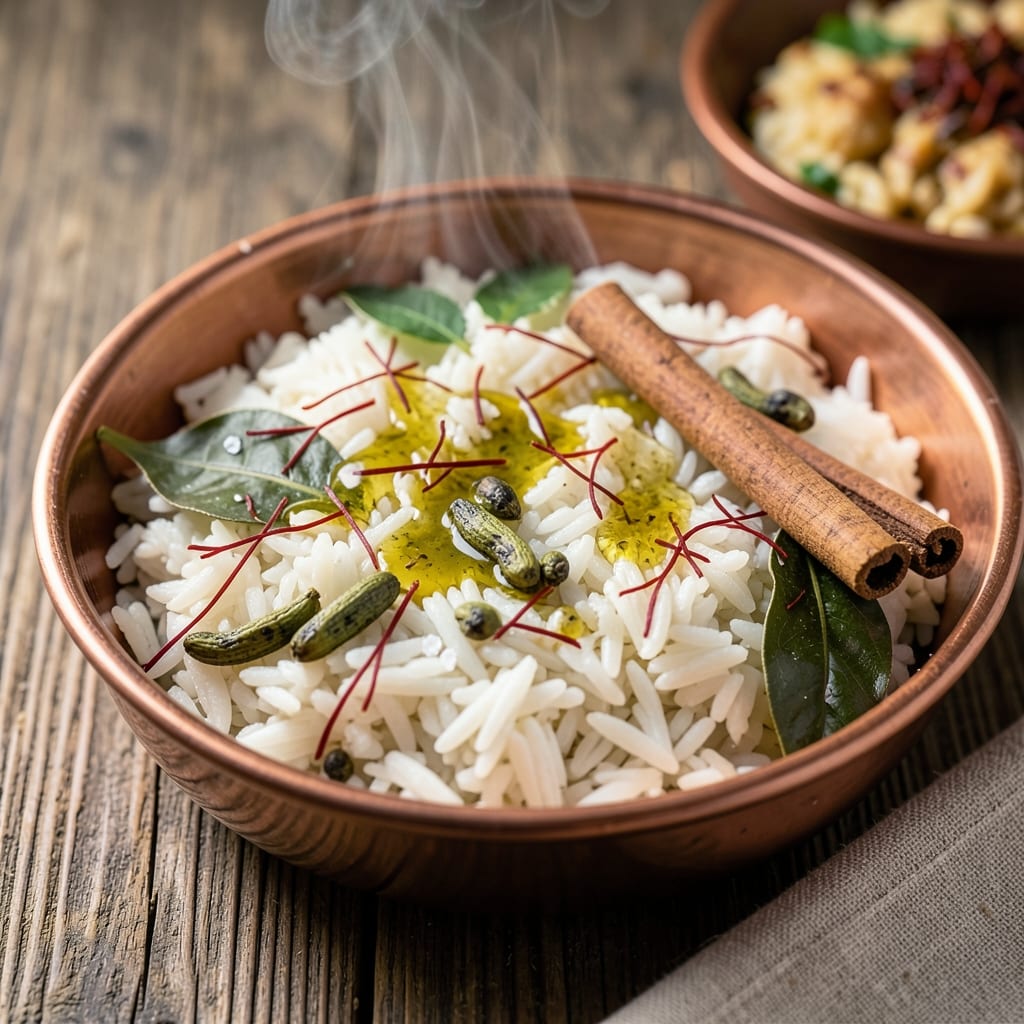
Arabic basmati rice recipe transforms simple grains into a fragrant, golden dish that's the heart of every Middle Eastern meal. The key lies in toasting whole spices—cardamom, cinnamon, and bay leaves—until their aromas fill your kitchen, creating a warm, earthy foundation. This method elevates ordinary rice into something luxurious, perfect for serving alongside grilled lamb or as a standalone centerpiece.
Traditional Arabic techniques ensure each grain remains separate and tender, absorbing the delicate flavors of saffron and a pinch of salt. Unlike Western rice dishes, this version relies on patience: soaking the rice briefly before cooking unlocks its full potential, while the 1:1.5 rice-to-water ratio guarantees perfect texture every time. The result? Fluffy, aromatic grains with a subtle golden hue and threads of saffron that stain the water a dreamy yellow.
What makes this recipe special is its versatility—serve it as a side for rich stews or grilled meats, or let it shine as a standalone dish garnished with toasted almonds and fresh parsley. The spices infuse the rice with warmth, while the saffron adds a luxurious depth that feels celebratory. This is the kind of rice that turns a simple meal into something memorable, with every bite carrying the essence of Arabic hospitality.
The secret to success? Toasting the spices in oil until fragrant and rinsing the rice until the water runs clear. These small steps make all the difference, ensuring your rice is light, flavorful, and restaurant-quality at home. Ready to master this classic? Let’s begin with the foundations.
Ingredients for arabic basmati rice
Twelve ingredients transform ordinary rice into fragrant, golden Arabic basmati perfection.
| Ingredient | Amount | Notes |
|---|---|---|
| Long-Grain Basmati Rice 🌾 | 1 cup | Uncooked, premium quality preferred |
| Saffron Threads 🌼 | ¼ tsp | High-quality, vibrant strands |
| Cardamom Pods 🌿 | 4 whole | Green cardamom, lightly crushed |
| Cinnamon Sticks 🌶️ | 2 whole | 1-inch pieces, lightly toasted |
| Bay Leaves 🌿 | 2 whole | Dried, standard size |
| Extra-Virgin Olive Oil 🫒 | 2 tbsp | Light, fruity variety |
| Water 💧 | 1 ½ cups | Filtered or distilled preferred |
| Salt 🧂 | ½ tsp | Fine sea salt, kosher preferred |
| Toasted Sliced Almonds 🥜 | ¼ cup | For garnish, lightly toasted |
| Fresh Parsley 🌿 | ⅛ cup | Chopped, for garnish |
| Lemon Zest 🍋 | 1 tsp | Fresh lemon, finely grated |
| Black Peppercorns 🌶️ | 4 whole | Lightly crushed, for aroma |
The spices are where this dish shines. Whole cardamom pods and cinnamon sticks from Penzeys or Middle Eastern markets deliver the deepest flavor—pre-ground spices lack the aromatic punch. Look for vibrant green cardamom and cinnamon with tight, intact quills. Toast them in olive oil until fragrant (about 2 minutes)—this step is non-negotiable for authentic flavor. The saffron should be deep red, not yellow, and stored in a cool, dark place. Whole Foods or specialty spice shops carry the best quality. Don't skip the bay leaves—they add earthy depth that rounds out the dish.
No cardamom? 1 tsp ground ginger plus 1/2 tsp allspice mimics the warmth, though it won't be identical. Substitute cinnamon with 1/4 tsp cassia, but it's less refined. For saffron shortages, turmeric at 1/8 tsp adds color (but no flavor). The almonds can be swapped for toasted pistachios or slivered almonds—just adjust the amount to 1/4 cup. Fresh parsley is ideal, but dried Italian parsley at 1/8 tsp works in a pinch. The lemon zest brightens the dish, but orange zest at the same amount offers a different citrus note worth trying.
Toasted spices lose potency quickly, so store them in airtight containers away from light—they'll keep their flavor for about 6 months. Saffron should be refrigerated in its original container to preserve its potency. The cooked rice reheats beautifully—just add a splash of water and cover for 2-3 minutes in the microwave. For meal prep, portion into containers with a thin layer of olive oil on top to prevent drying. Garnishes like almonds and parsley stay fresh for 3-4 days in the fridge if stored separately.
Why You'll Love This Recipe
- I swear by this trick: just rinse the rice once, then let it sit in the pot with the spices for 10 minutes. No extra prep, no waiting hours—just warm water and patience. The grains stay separate, fluffy, and ready in 20 minutes (yes, even on a Tuesday night).
- No-Soaking Needed: I swear by this trick: just rinse the rice once, then let it sit in the pot with the spices for 10 minutes. No extra prep, no waiting hours—just warm water and patience. The grains stay separate, fluffy, and ready in 20 minutes (yes, even on a Tuesday night).
- Golden Spice Magic: That first whiff of toasted cardamom and cinnamon hitting the pot? Chef’s kiss. The saffron turns the rice a dreamy golden hue, while the bay leaves add this subtle earthy depth—like a hug in every bite. Honestly, it’s the kind of flavor that makes plain rice feel like a celebration.
- Weeknight Workhorse: This rice pairs with everything—grilled chicken, lamb tagine, even a simple veggie stir-fry. I keep a batch in the fridge all week because it’s the ultimate neutral base that elevates whatever’s on the menu. (My kids ask for it more than any other side.)
Step-by-step instructions for Arabic basmati rice with saffron and spices
This method delivers restaurant-quality basmati rice with fragrant spices and saffron-infused depth.
Toast the Spices and Saffron
Heat a small dry skillet over medium heat. Add the 2 whole cinnamon sticks and 4 whole cardamom pods, toasting for 1 minute until fragrant. The spices should smell warm and aromatic—this releases their essential oils and intensifies their flavor.
Remove the skillet from heat and add the 0.25 tsp saffron threads and 4 whole black peppercorns. Let the saffron steep in the warm spices for 5 minutes—this ensures maximum color and flavor extraction. Keep this mixture nearby as you'll add it to the rice later.
Bloom the Rice in Olive Oil
In a medium saucepan with a tight-fitting lid, heat the 2 tbsp extra-virgin olive oil over medium heat. Add the 1 cup long-grain basmati rice, stirring constantly for 2-3 minutes until the grains become translucent at the edges. This step, called "blooming," prevents the rice from sticking and enhances its nutty flavor.
Add the toasted spices (including saffron and peppercorns) along with the 2 whole bay leaves and 0.5 tsp salt. Stir for another 30 seconds to coat the rice evenly with the aromatic mixture. The oil should shimmer but not smoke—this ensures proper flavor infusion without burning.
Add Water and Simmer Gently
Pour in the 1.5 cups water and bring to a gentle boil. Once boiling, immediately reduce heat to low, cover tightly with the lid, and let it simmer for 15 minutes. Avoid peeking or lifting the lid during this time—steam is crucial for even cooking and fluffy grains.
After 15 minutes, remove the pan from heat and let it sit covered for 5 minutes. This resting period allows the rice to absorb any remaining moisture and steam evenly. The grains should be tender but still slightly firm to the touch—this ensures they don't turn mushy.
Fluff and Garnish
Using a fork, gently fluff the rice to separate the grains. Discard the bay leaves and any whole spices. Stir in the 1 tsp lemon zest and 0.25 cup toasted sliced almonds, distributing them evenly throughout. The lemon zest brightens the dish, while the almonds add crunch and visual appeal.
Transfer the rice to a serving dish and garnish with the 0.125 cup fresh parsley, chopped finely. The parsley adds freshness and color contrast. Serve immediately while still warm, as the texture and aroma are at their peak. Each grain should be distinct, fragrant, and infused with saffron's golden hue.
Pro Tips For Making Arabic Basmati Rice
- TOAST THE SPICES FIRST: Don’t just toss whole cardamom, cinnamon sticks, and bay leaves into the pot—they’ll stew in water and turn the rice into a bland, mushy mess. Dry-toast them in a separate pan over medium heat for 30 seconds until fragrant, then crush lightly with the back of a spoon. This releases their oils and aromas without bitterness.
- SALT THE WATER LATE: I used to add salt with the spices, but that just makes the rice turn out slightly salty and uneven. Instead, bring the water to a rolling boil, then remove the pot from heat for 10 seconds to lower the temperature. Add salt after—this keeps the grains intact and prevents them from splitting open.
- USE LESS WATER THAN YOU THINK: Most recipes say 1:2 rice-to-water, but basmati absorbs differently. For 1 cup of rice, use 1¼ cups water max—this guarantees fluffy, separate grains instead of a sticky puddle. If you’re nervous, measure carefully; undercooking is easier to fix than mushy rice.
- STEAM THE SAFFRON IN OIL: Dumping saffron threads directly into water is a waste—they’ll just sink and turn the rice a sad, pale yellow. Instead, steep them in 2 tablespoons of warm water for 5 minutes, then mix that liquid with 1 tablespoon oil and pour it over the rice. The oil carries the color and flavor deeper into each grain.
Make-ahead tips for this recipe
Prep Ahead Strategy
Start by toasting your spices 24 hours in advance and storing them in an airtight container—this intensifies their aroma and saves time. I keep mine in a small glass jar on my spice rack. The saffron should also steep overnight in a cool, dark place (like a kitchen cabinet) to maximize its vibrant color and flavor. This prep step ensures your rice will burst with authentic Middle Eastern fragrance without any last-minute rushing. 🌿
Soaking for Perfection
Soak your 1 cup basmati rice in 2 cups cold water for at least 30 minutes (up to 2 hours) before cooking. Drain thoroughly before using—this removes excess starch and prevents gummy grains. I do this in the morning if I’m cooking later, or right before toasting the spices if I’m short on time. The result? Firmer, separate grains with a delicate texture that’s impossible to achieve without soaking. ⏳
Spice Mixture Prep
Combine all your toasted spices—cardamom, cinnamon, saffron, and peppercorns—into a small bowl and store them in the fridge for up to 3 days. This pre-mixed spice blend is perfect for quick cooking: just add it directly to your rice along with the bay leaves when you’re ready to bloom the grains. I label my bowl with the date to keep track—this shortcut saves 5 minutes of toasting every time you cook. 🧂
Water Ratio Shortcut
Measure your 1.5 cups water into a small pitcher and keep it chilled in the fridge. Cold water helps maintain the rice’s crisp edges and prevents overcooking when you’re reheating later. I also add a pinch of salt to the water ahead of time—this ensures even seasoning without clumping. The pitcher stays in my fridge for up to 5 days, ready for whenever I need it. ✨
Garnish Prep Station
Toast your 0.25 cup sliced almonds in a dry pan over medium heat for 3-4 minutes until golden. Let them cool completely, then store in an airtight container with the chopped parsley and lemon zest in separate small bowls. This setup keeps everything organized and ready to garnish in seconds. I keep these components in my fridge for up to 5 days—just add them fresh when serving for maximum flavor. 🥜
Reheating Like a Pro
To reheat, spread your cooked rice on a microwave-safe plate, drizzle with 1 tsp water, cover with a damp paper towel, and microwave on high for 1-2 minutes. For stovetop reheating, use a lightly oiled skillet over low heat with 2 tbsp water, stirring gently until warmed through. The key is moisture control—never overheat, or your rice will dry out. I reheat portions in single-serving containers for easy grab-and-go meals. 🔥
Nutrition facts
Frequently asked questions
Why does Arabic basmati rice need toasting?
Toasted spices release their essential oils, creating that signature warm, aromatic depth. When you toast cardamom, cinnamon, and peppercorns in oil, their flavors become much more intense—this is what makes the rice smell heavenly and taste complex. Skipping this step results in milder, less flavorful grains.
Can I use jasmine rice instead of basmati?
Not for this recipe! Basmati's long grains stay separate when cooked, while jasmine rice tends to clump. The delicate aroma of basmati is also essential for authentic Arabic flavor. If you must substitute, use long-grain white rice but expect slightly stickier results.
What if my rice turns out mushy?
Overcooking happens when you peek at the rice or don't let it rest after cooking. Always keep the lid on during cooking, and let it sit covered for 5 minutes after removing from heat. For future batches, reduce water by 1/4 cup or cook for 12 minutes instead of 15.
How do I make this rice vegan?
Simply omit the saffron (or use turmeric at 1/8 tsp for color) and ensure your olive oil is vegan-certified. The rest of the recipe—including spices and lemon zest—is already plant-based. Serve with roasted vegetables or plant-based meats for a complete vegan meal.
Can I cook this rice in a rice cooker?
Yes! Use the same 1:1.5 rice-to-water ratio and toast your spices separately. Add them to the rice after it's cooked, then fluff and garnish as directed. For best results, use the "white rice" setting and let it steam for 10 minutes after cooking completes.