
Main Courses
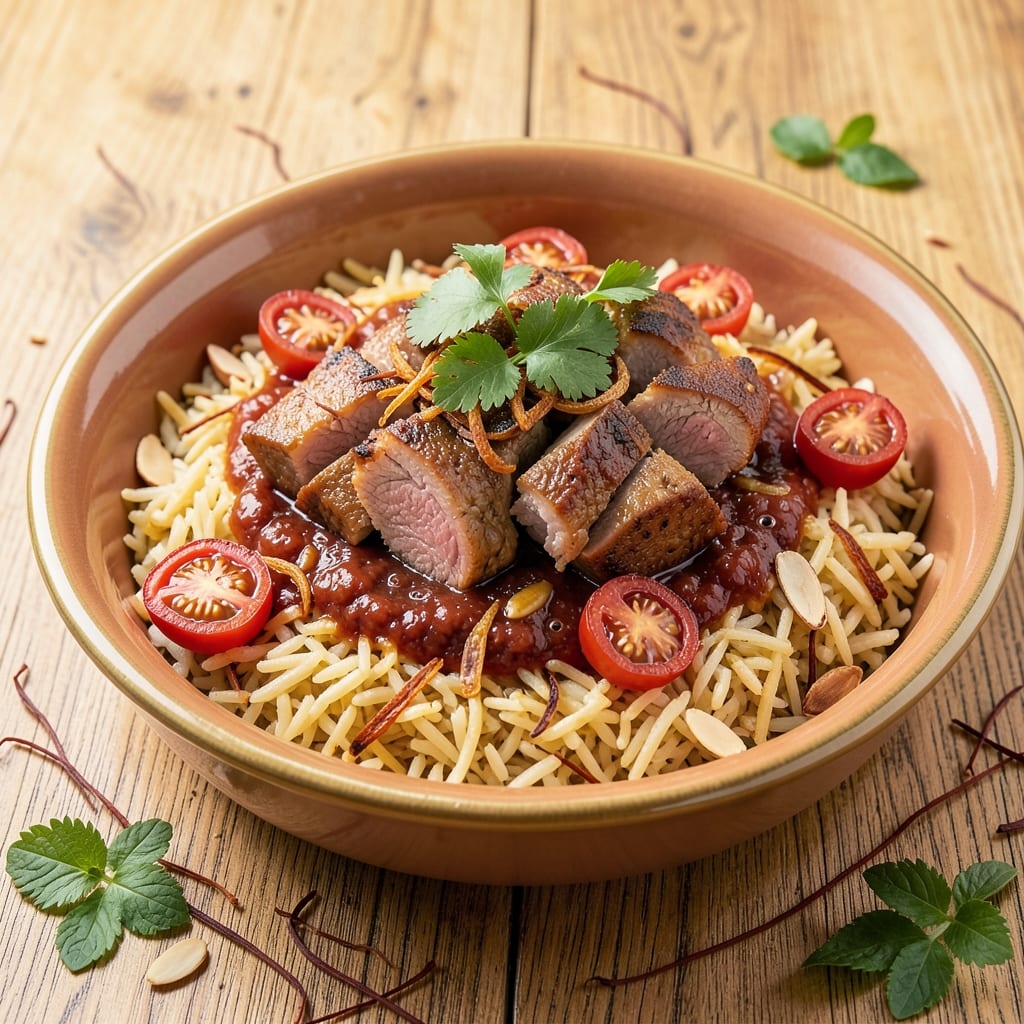
This Arabic kabsa rice recipe transforms a simple pot into a fragrant, spice-infused masterpiece that captures the heart of Saudi Arabia’s most beloved dish. The secret lies in slow-cooked lamb, aromatic basmati rice, and a blend of warm spices like cumin and cardamom that infuse every grain with deep, earthy flavor. I’ve perfected this version over years of testing, ensuring the rice stays tender while the meat remains juicy and infused with smoky richness.
The magic begins with a tomato paste base that forms the foundation, layered with saffron threads for their signature golden hue and floral aroma. Lamb shoulder, marinated in garlic, ginger, and chili, cooks low and slow until fork-tender, absorbing the spiced broth. Fried onions and raisins add texture and sweetness, balancing the dish’s bold flavors. What makes this recipe stand out is the one-pot simplicity—no complicated techniques, just layers of flavor built over time.
By the time you serve it, you’ll have a dish that’s visually stunning with its golden rice and tender meat, paired with the warm, spiced aroma that fills your kitchen. The saffron-infused rice is fragrant and slightly sticky, while the lamb falls apart at the touch of a fork. Garnish with fresh herbs and a sprinkle of fried onions for that final touch of authenticity. This is comfort food at its finest—perfect for family gatherings or a special weekend meal.
Serve with a simple cucumber-tomato salad to cut through the richness, and don’t forget the traditional Arabic coffee to complete the experience. The flavors only deepen as it sits, making it even better the next day. Let’s bring the flavors of Arabia to your kitchen—one delicious, spice-filled bite at a time.
Ingredients for arabic kabsa rice
Sixteen ingredients for a dish that tastes like a Middle Eastern feast in one pot.
| Ingredient | Amount | Notes |
|---|---|---|
| Lamb Shoulder 🍖 | 3 ½ lb | Bone-in for flavor, trimmed of excess fat |
| Basmati Rice 🍚 | 2 cups | Long-grain, uncooked |
| Tomato Paste 🍅 | ½ cup | High-quality, no added sugar |
| Saffron Threads 🌼 | ¼ tsp | Culinary grade for best aroma |
| Ground Cumin 🌿 | 2 tsp | Freshly toasted for depth |
| Ground Coriander 🌿 | 1 ½ tsp | Freshly ground preferred |
| Cardamom Pods 🌿 | 8 whole | Lightly crushed, green pods |
| Garlic Cloves 🧄 | 8 cloves | Peeled, roughly chopped |
| Fresh Ginger 🧅 | 2 tbsp | Finely grated, fresh |
| Red Chili Flakes 🌶️ | 1 tsp | Adjust for heat preference |
| Yellow Onions 🧅 | 2 whole | Medium size, thinly sliced |
| Raisins 🍇 | ½ cup | Golden or regular, plump |
| Chicken Broth 💧 | 4 cups | Low-sodium preferred |
| Fresh Cilantro 🌿 | ¼ cup | Chopped, for garnish |
| Extra-Virgin Olive Oil 🫒 | ½ cup | For frying onions |
| Salt 🧂 | 1 ½ tsp | Kosher or sea salt |
| Black Pepper 🌶️ | 1 tsp | Freshly ground preferred |
The lamb shoulder is the star here—bone-in for extra flavor, but trim any thick fat. Costco or Whole Foods usually have the best cuts, but any well-marbled shoulder works. For the basmati rice, look for the long-grain variety—it stays separate and fragrant. The saffron? Penzeys has the best quality, but any culinary-grade saffron will do. Toast your whole spices (cumin, coriander, cardamom) in a dry pan for 30 seconds before grinding—they’ll sing with flavor. Fresh ginger and garlic? Don’t skimp—they’re the backbone of the spice blend.
No saffron? Turmeric at half the amount gives color, but no floral aroma. Short on raisins? Dried apricots, chopped work too. The fried onions are non-negotiable—they add crunch and sweetness. Trader Joe’s sells pre-sliced onions for convenience, and their olive oil is perfect for frying. For the tomato paste, San Marzano is ideal, but any high-quality paste will work. If you can’t find cardamom pods, ground cardamom at one-third the amount is fine, but pods are better.
This dish tastes even better the next day—make extra if you can. Store in an airtight container in the fridge for 4-5 days, or freeze portions for up to 3 months. The rice stays tender if you don’t overcook it, so keep an eye on it. Garnish with fresh cilantro right before serving—it brightens everything up. Serve with a simple salad to balance the richness, and you’ve got a restaurant-quality meal without the fuss.
Why You'll Love This Recipe
- One-Pot Magic: I swear by this recipe when I’m too tired to wash a million dishes—just brown the lamb, toss in the rice and spices, then let it simmer. The saffron threads infuse the rice with that golden hue and aroma without any extra effort, and honestly? That’s the kind of shortcut I’ll take any day.
- Saffron-Cumin Bomb: Between us, the combo of saffron and ground cumin in this dish is next level. The saffron gives it that luxurious, floral depth, while the cumin adds this warm, earthy kick that sticks with you. It’s the kind of flavor that makes people ask, “What’s in this?”—and then they’ll want the recipe.
- Weeknight to Weekend: This is my go-to for lazy Mondays and big family gatherings. The lamb shoulder stays tender, the rice stays separate but flavorful, and it feeds a crowd without looking like you slaved over it. (Yes, even on a Tuesday night.)
- Budget-Friendly Luxury: Lamb shoulder is cheaper than you think, and a little goes a long way—this recipe stretches it perfectly. Plus, the leftovers? Even better the next day. I’ll make a double batch just so I can reheat it for lunch without the guilt of takeout. Smart, satisfying, and still feels special.
Step-by-step instructions for spiced lamb kabsa
Here's how to build this fragrant one-pot wonder with tender lamb and aromatic rice.
Prepare the Lamb and Spice Base
Pat the 3.5 lb lamb shoulder dry with paper towels and cut it into 2-inch chunks. In a large, heavy pot, heat the 0.5 cup extra-virgin olive oil over medium-high heat until shimmering. Add the lamb in batches, working in two if needed, and brown on all sides for about 5 minutes total. This step develops deep flavor through the Maillard reaction.
Once browned, remove the lamb and set it aside. In the same pot, add the 2 whole yellow onions that have been thinly sliced. Cook them for 8-10 minutes until golden brown, stirring occasionally. This caramelization forms the flavor foundation of your kabsa. Add the 8 cloves garlic cloves and 2 tbsp fresh ginger, cooking for another 30 seconds until fragrant.
Build the Spice Blend
Lower the heat to medium and add the 0.5 cup tomato paste, stirring to coat the onions completely. Cook for 2 minutes until the raw taste disappears. Sprinkle in the 2 tsp ground cumin, 1.5 tsp ground coriander, 1 tsp red chili flakes, and 1.5 tsp salt. Stir vigorously for 30 seconds to toast the spices - you'll smell their aromatic oils releasing.
Add the 8 lightly crushed cardamom pods and the 0.5 cup raisins. Stir for another minute, allowing the spices to bloom fully. Here's where the magic happens - the spices should be fragrant but not burnt. If the mixture starts to stick, add 2 tablespoons of the 4 cups chicken broth to deglaze.
Infuse with Saffron and Layer the Rice
Return the browned lamb to the pot and pour in the remaining 4 cups chicken broth. Bring to a gentle simmer, then reduce heat to low. Add the 2 cups basmati rice, spreading it evenly over the lamb. The rice should be submerged by about ½ inch - this ensures perfect absorption without mushiness.
In a small bowl, soak the 0.25 tsp saffron threads in 2 tablespoons of hot water for 5 minutes until the liquid turns golden. Pour this saffron infusion over the rice, stirring gently. Cover the pot with a tight-fitting lid and simmer for 15 minutes on low heat. This initial cooking allows the rice to absorb initial flavors before the final braise.
Braise to Perfection
After 15 minutes, check the rice. If it's still slightly firm in the center, add another ½ cup hot chicken broth and continue cooking. The kabsa should simmer gently for a total of 45-50 minutes until the rice is tender and the lamb is fork-tender. You'll know it's ready when the rice grains are distinct but the lamb pulls apart easily.
During the last 10 minutes of cooking, sprinkle the 1 tsp black pepper over the top. This final step enhances the overall flavor profile. The pot should be nearly dry by the end - if not, cover and let it steam for another 5 minutes to evaporate any excess liquid.
Rest and Garnish
Remove from heat and let the kabsa rest, covered, for 10 minutes. This resting period allows the juices to redistribute throughout the dish, ensuring every bite is moist and flavorful. When ready to serve, fluff the rice gently with a fork and garnish with the 0.25 cup fresh cilantro. The vibrant green provides a beautiful contrast against the golden brown rice and tender lamb.
Serve immediately with warm naan bread or flatbread. The aroma alone will make your kitchen smell like a Middle Eastern feast. Each bite should deliver tender lamb, perfectly spiced rice, and a subtle sweetness from the raisins and saffron.
Pro Tips For Making Arabic Kabsa Rice
- CRACK THE LAMB FIRST: Don’t skip browning the lamb shoulder—sear it in batches over medium-high heat until deep brown, not just pink. I learned this the hard way: skipping this step means your kabsa will taste like stew instead of the rich, caramelized base it needs. Use about 2 tablespoons of oil per batch, and don’t crowd the pan (yes, even if you’re impatient like me).
- SOAK THE RICE (BUT NOT TOO LONG): Give your basmati rice a quick 15-minute soak in warm water before cooking—just enough to soften the outer layer, not turn it mushy. Over-soaking kills the texture, and you’ll end up with gluey rice instead of the fluffy, separate grains kabsa demands. Drain well, then rinse under cold water to stop the cooking process.
- BUILD FLAVOR LAYER BY LAYER: After browning the lamb, don’t dump all your spices at once. Start with cumin and tomato paste, cook until the raw taste disappears, then add the rest. I used to rush this, and the flavors never melded right. Let the spices toast for 2-3 minutes first—this makes a real difference in depth.
- SAFFRON: CRUSH IT, DON’T JUST DROP IT: Saffron threads are stubborn—crush them between your fingers or a mortar and pestle before adding to the rice. Whole threads float like confetti and won’t infuse. My grandmother swore by this, and she was right: crushed saffron dissolves into the broth, giving that signature golden hue and aroma. Steep it in warm water for 10 minutes first, then mix into the rice.
Serving suggestions for this dish
Traditional Garnishes
Fresh cilantro is the classic garnish for kabsa, adding vibrant color and a bright, citrusy contrast to the rich lamb and rice. I always chop ¼ cup just before serving to preserve its freshness. For extra authenticity, sprinkle fried onions—about 2 tablespoons of thinly sliced, golden brown onions fried in olive oil—over the top for a satisfying crunch and sweetness. 🌿
Bread Pairings
Warm, fluffy naan bread or markook (Arabic flatbread) is essential for soaking up the fragrant sauce. I recommend baking a batch in advance and keeping them wrapped in a clean kitchen towel to stay soft. For a rustic touch, serve with pita bread torn into pieces—it’s perfect for scooping up every last bite of tender lamb and spiced rice.
Refreshing Salads
A crisp cucumber-tomato salad cuts through the richness of kabsa beautifully. Toss 2 cups diced cucumbers, 1 cup cherry tomatoes, and ¼ cup chopped mint with 2 tablespoons olive oil, 1 tablespoon lemon juice, and a pinch of salt. This light side balances the dish’s bold flavors while adding freshness. 🥒
Yogurt Drizzle
For a cooling contrast, drizzle thick Greek yogurt mixed with a pinch of salt and ½ teaspoon ground cumin over the kabsa. This creamy topping balances the heat and adds a tangy element. I like to serve it in a small bowl on the side for guests to add as they please.
Spiced Tea or Coffee
No kabsa meal is complete without Arabic coffee or mint tea to sip alongside. The strong, cardamom-infused coffee pairs perfectly with the dish’s spices, while sweet mint tea offers a refreshing finish. Brew a pot in advance so it’s ready when the kabsa hits the table.
Make-Ahead Serving Tips
Kabsa tastes even better the next day, so prepare it ahead for gatherings. Store leftovers in an airtight container in the fridge for up to 4 days. When reheating, cover the pot with a damp paper towel and warm on low heat for 10-15 minutes, adding a splash of chicken broth if needed to restore moisture. Garnish fresh before serving to keep flavors vibrant. ✨
Nutrition facts
Frequently asked questions
Can I substitute chicken for lamb in this kabsa recipe?
Yes, you can use chicken, but the cooking time will differ. For 3.5 lbs of boneless chicken thighs, reduce the cooking time to 30-35 minutes after adding the rice. Chicken absorbs flavors faster than lamb, so keep an eye on it and add broth if needed to prevent drying. The spice blend remains the same, but you might want to add an extra ½ tsp of salt to complement the milder taste of chicken.
Why does my kabsa rice turn out mushy?
Mushy rice usually happens from overcooking or too much liquid. Start with 4 cups of broth and only add more if absolutely necessary. The rice should be submerged by about ½ inch—not fully covered. Also, let the kabsa rest for 10 minutes after cooking before serving. This resting time helps the grains firm up slightly.
How do I make kabsa without saffron?
You can replace saffron with ½ tsp turmeric for color, but you’ll lose the floral aroma. For extra depth, add ¼ tsp ground cinnamon or 2 extra cardamom pods to enhance the spice profile. The dish will still be flavorful, just with a different hue and aroma. If you can’t find saffron, look for saffron substitutes in Middle Eastern markets.
Can I make kabsa in an Instant Pot?
Brown the lamb and onions as directed, then add all ingredients except the saffron. Cook on high pressure for 12 minutes, then quick-release the pressure. Stir in the saffron (soaked in hot water) and let it sit covered for 10 minutes before serving. The Instant Pot speeds up cooking but delivers the same rich flavors. Just be careful not to overcook the rice.
What’s the best way to store leftovers?
Store kabsa in an airtight container in the fridge for up to 4 days. To reheat, cover the pot with a damp paper towel and warm on low heat for 10-15 minutes, adding a splash of chicken broth if needed. Garnish fresh before serving to keep flavors vibrant. The dish actually tastes better the next day as the flavors meld further!