
Main Courses
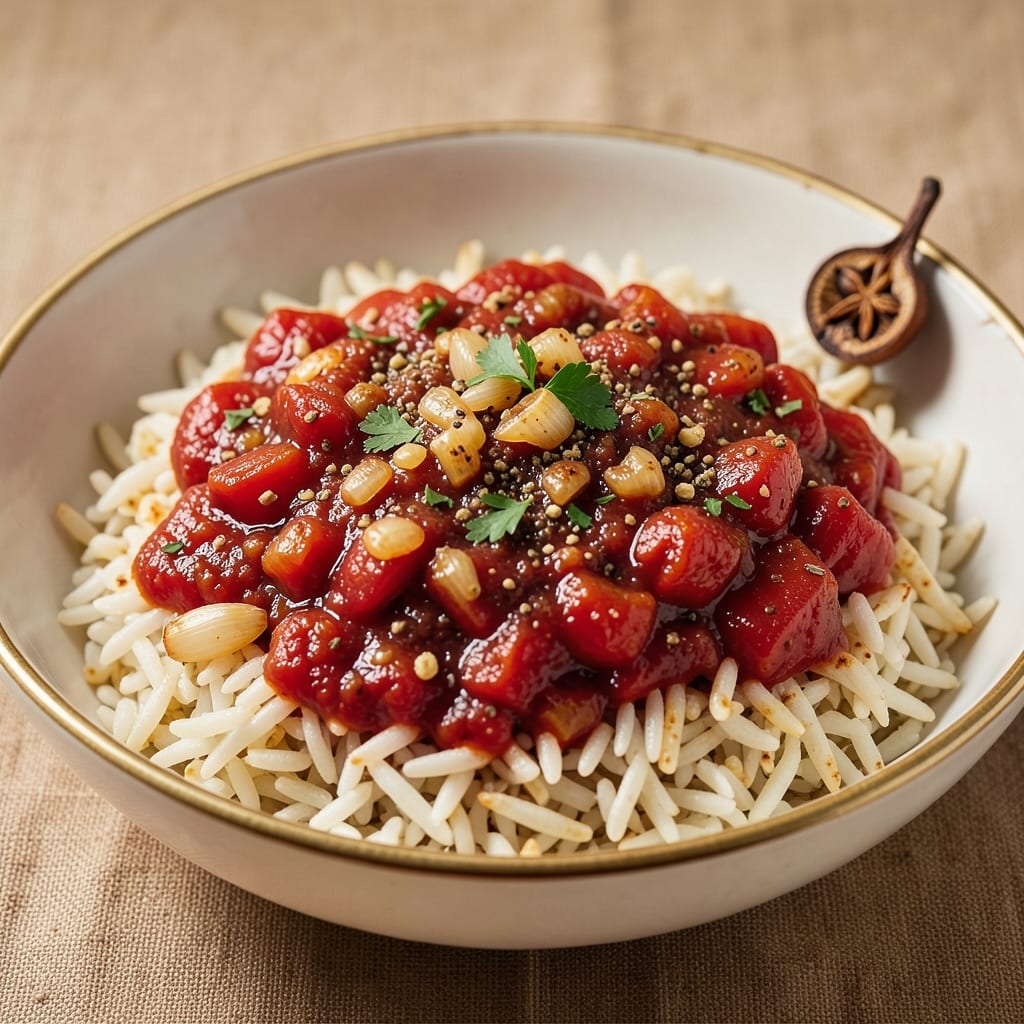
This Arabic red rice recipe transforms simple basmati into a vibrant, spice-infused masterpiece that steals every meal. The secret lies in slow-cooked tomatoes and warm spices like cinnamon and cardamom, which meld into the rice for layers of depth. I developed this version after years of testing—it balances traditional techniques with modern convenience, so you get restaurant-quality results without hours in the kitchen.
The process begins with toasting whole spices and sautéing onions until golden, creating a fragrant base that infuses the rice as it cooks. Unlike quick-cook methods, this recipe lets flavors develop gradually, resulting in grains that are tender yet distinct—each bite bursting with tomato brightness and aromatic warmth. The key is patience: letting the rice simmer until the liquid is fully absorbed ensures perfect texture every time.
What makes this dish truly special is its versatility. Serve it alongside grilled chicken, lamb, or even as a hearty vegetarian main with chickpeas. The rich tomato-spice flavor pairs beautifully with yogurt sauces or fresh herbs, making it adaptable for any occasion. Once you try this version, store-bought red rice will never compare.
Ready in about 45 minutes, this recipe delivers restaurant-quality results with minimal effort. The aromatic spices and deep tomato flavor make it a showstopper for family dinners or special occasions. Here’s how to make it—step by step.
Ingredients for arabic red rice
Transform basmati rice into aromatic, tomato-spiced perfection with these carefully selected ingredients.
| Ingredient | Amount | Notes |
|---|---|---|
| Long-Grain Basmati Rice 🍚 | 1 ½ cups | Uncooked, rinsed thoroughly |
| Canned Crushed Tomatoes 🍅 | 14 ½ oz | San Marzano preferred, no salt added |
| Yellow Onion 🧅 | 1 whole | Medium size, finely diced |
| Garlic Cloves 🧄 | 4 cloves | Fresh, minced finely |
| Ground Cumin 🌿 | 1 tbsp | Toasted for deeper flavor |
| Ground Coriander 🌿 | 1 tbsp | Freshly ground preferred |
| Ground Turmeric 🌶️ | ½ tsp | Bright yellow color |
| Ground Cinnamon 🌿 | ½ tsp | Ceylon preferred |
| Cardamom Pods 🌿 | 4 whole | Green, lightly crushed |
| Cloves 🌶️ | 2 whole | Lightly crushed |
| Vegetable Oil 🫒 | ½ cup | Light or neutral flavor |
| Chicken Broth 💧 | 2 cups | Low-sodium preferred |
| Fresh Lemon Juice 🍋 | 1 tbsp | Bright, freshly squeezed |
| Salt 🧂 | 1 ½ tsp | Diamond Crystal kosher |
| Fresh Parsley 🌿 | ¼ cup | Chopped, for garnish |
The quality of your tomatoes and spices makes all the difference here. San Marzano crushed tomatoes from Italy deliver the deepest flavor—look for the 28 oz can if you want to make a larger batch. For spices, Penzeys Spices or bulk bins at Whole Foods are ideal, but any high-quality ground spices will work. Cardamom and cloves should be lightly crushed to release their aromatic oils without turning bitter. The basmati rice needs to be long-grain and unbroken—Lundberg Family Farms or Calrose varieties are excellent choices. Toast your whole spices in a dry pan for 30 seconds before grinding to enhance their flavor profiles.
No San Marzano tomatoes? High-quality Italian-style crushed tomatoes work well, though you may need to add a pinch of sugar to balance acidity. Running short on cardamom? Allspice at half the amount provides a similar warmth. Fresh parsley is ideal for garnish, but dried parsley at one-third the quantity suffices if needed. The chicken broth can be swapped for vegetable broth for a vegetarian version, though the flavor will be slightly milder. For extra richness, add 1 tbsp of tomato paste to the crushed tomatoes before cooking. The lemon juice should be freshly squeezed—bottled juice lacks the bright acidity needed to cut through the richness of the tomatoes and spices.
This rice develops deeper flavor the next day, so make extra if you can. Store leftovers in an airtight container in the refrigerator for up to 5 days, or freeze for 3 months. To reheat, sprinkle with a few drops of water or broth and cover tightly to restore moisture. The rice reheats beautifully and tastes even better the second day as the flavors meld. For meal prep, portion into individual containers with a sprinkle of fresh parsley on top—it keeps the color vibrant and adds a fresh note when reheated.
Why You'll Love This Recipe
- Pantry Magic: I swear by this recipe when I forget to shop—just open a can of tomatoes, grab spices from the shelf, and boom. The crushed tomatoes give it that rich, tangy depth without needing fresh ingredients.
- Cumin Bomb: That earthy cumin smell? It’s the secret weapon. A single teaspoon transforms simple rice into something warm, toasty, and impossible to resist—like a hug in a bowl.
- Lunchbox Hero: Cold or reheated, this rice holds up perfectly. Pack it for work, toss it in wraps, or serve it alongside grilled chicken—it’s the ultimate side that doesn’t quit, even when life gets busy.
- Budget Stretch: Basmati rice and canned tomatoes? Affordable, reliable, and always in stock. I make this for dinner twice a month, and my wallet (and leftovers) thank me every time.
Step-by-step instructions for tomato-spiced Arabic red rice
This method transforms ordinary basmati into vibrant, aromatic red rice with layers of spice and tomato depth.
Bloom the Spices in Oil
Heat the 0.5 cup vegetable oil in a heavy-bottomed pot over medium heat until shimmering but not smoking. Add the 4 whole cardamom pods and 2 whole cloves, letting them sizzle for 30 seconds until fragrant. This gentle toasting releases their essential oils without burning.
Add the 1 whole yellow onion and cook for 5-6 minutes until softened and golden at the edges. The onions should caramelize slightly, deepening the rice's flavor foundation. Stir occasionally to prevent sticking, using a wooden spoon.
Next, add the 4 cloves garlic cloves and cook for another 30 seconds until just fragrant—don't let them brown or they'll turn bitter. Immediately add the 1 tbsp ground cumin, 1 tbsp ground coriander, 0.5 tsp ground turmeric, and 0.5 tsp ground cinnamon, stirring constantly for 1 minute to fully bloom the spices. You'll see the oil turn vibrant and aromatic.
Toast the Rice and Add Tomatoes
Add the 1.5 cups long-grain basmati rice to the pot and stir to coat evenly in the spiced oil. Toast for 2-3 minutes until the rice grains become translucent at the edges and release their nutty aroma. This step prevents mushy rice by developing the starches.
Pour in the 14.5 oz canned crushed tomatoes and stir vigorously, scraping up any browned bits from the bottom of the pot. These flavorful bits contain concentrated umami that transforms this into red rice. Let the mixture simmer uncovered for 5 minutes until the tomatoes break down and the liquid reduces slightly.
Season with the 1.5 tsp salt and taste the mixture. The tomatoes should be fully incorporated, creating a thick, spiced base. If the mixture seems too dry at this stage, add 2 tablespoons water to maintain proper consistency for the rice.
Cook with Broth to Perfect Texture
Pour in the 2 cups chicken broth and bring to a gentle boil. Reduce heat to low-medium and stir once to distribute the rice evenly. The rice should be submerged but not swimming in excess liquid—this ratio ensures fluffy grains with minimal sticking.
Cover the pot with a tight-fitting lid and cook for 12-15 minutes without disturbing. The steam will work its magic, infusing the rice with the tomato-spice mixture. Resist the urge to peek—each time you lift the lid, you release steam and potentially dry out the rice.
After 12 minutes, check for doneness by lifting a grain with a fork. It should be tender but still slightly firm in the center with a tiny crunch. If needed, cook for another 1-2 minutes until perfectly al dente. The rice should be tender with a slight bite, not mushy.
Finish with Lemon and Rest
Remove from heat and stir in the 1 tbsp fresh lemon juice. This bright acidity cuts through the richness of the spices and tomatoes, balancing the flavors. Let the rice sit covered for 5 minutes to steam in its own juices—this resting period allows the grains to fully absorb the remaining liquid and develop their final texture.
Fluff the rice gently with a fork, then transfer to a serving dish. Garnish with the 0.25 cup fresh parsley, both for color contrast and fresh herbal notes. The finished rice should have a vibrant reddish hue from the tomatoes, with each grain distinct and infused with spice.
Serve Immediately
Serve the rice immediately while still warm, as it continues to absorb flavors even after cooking. The aroma should be intoxicating—warm spices, tomatoes, and citrus notes mingling together. Pair with grilled meats, roasted vegetables, or use as a base for flavorful bowls.
For best results, serve within 30 minutes of cooking. If storing, keep covered in the pot and reheat gently with a splash of water or broth to restore moisture. The rice reheats beautifully, making it perfect for meal prep when made in larger batches.
Pro Tips For Making Arabic Red Rice
- SOAK THE BASMATI: Skip this at your peril—toss the rice in warm water for 20 minutes before cooking. I used to skip it, and the rice would either turn mushy or stay crunchy like a bad joke. Soaking plumps them up just enough to absorb the tomato sauce without falling apart. (Yes, even if you’re impatient like me.)
- SWEAT THE ONION LOW: Don’t rush the onion—cook it on medium-low until it’s caramelized, not just soft. I learned this the hard way after burning three batches; the deep flavor from slow cooking makes the whole dish richer. If it smells sweet and sticky before you even add the garlic, you’re on the right track.
- STIR THE TOMATOES: Once the tomatoes hit the pot, give them a good stir every 2-3 minutes for the first 8 minutes. I was skeptical until I tried it—this prevents scorching and lets the cumin and garlic bloom properly. (Your future self will notice the difference.)
- SALT THE RICE WATER: Add a full teaspoon of salt to the rice water, not just the sauce. The tomatoes are already salty, and the rice needs that extra punch to shine. I skip this when I’m lazy, but the dish is noticeably better when I don’t—like the difference between a good meal and a great one.
Regional styles of arabic red rice
Levantine Tomato Rice
In Lebanon and Syria, this dish is called muhammara rice—a vibrant variation where the tomatoes are cooked with pomegranate molasses and red pepper flakes for a tangy, slightly sweet profile. I add 1 tbsp pomegranate molasses with the crushed tomatoes and ½ tsp smoked paprika for depth. The molasses caramelizes beautifully, creating a glossy sheen on each grain. Serve with grilled lamb chops for an authentic Levantine spread. 🌿
Moroccan Saffron Rice
Morocco transforms red rice into za’atar-spiced rice by infusing the broth with saffron and za’atar seasoning. Replace the cinnamon and cardamom with 1 tsp za’atar and add ½ tsp saffron threads steeped in 2 tbsp warm water to the broth. The saffron gives a golden hue, while za’atar adds earthy, nutty notes. Garnish with toasted pine nuts and a sprinkle of preserved lemon zest for brightness. 💛
Egyptian Ful Medames Rice
Egyptian cooks often pair red rice with ful medames (mashed fava beans) for a hearty breakfast dish. After cooking the rice, stir in ½ cup cooked fava beans and 1 tbsp tahini for creaminess. Top with pickled turnips, crumbled feta, and chopped parsley. The tahini adds richness, while the pickles cut through the tomato-spice intensity. Serve with warm pita bread for dipping. ✨
Yemeni Spiced Rice
Yemen’s version includes fenugreek leaves and dried limes for a unique tangy-savory twist. Add 1 cup chopped fenugreek leaves with the onions and 2 dried lime halves (soaked in warm water for 10 minutes) to the broth. The fenugreek imparts a bitter, maple-like flavor, while the limes add citrusy depth. Garnish with toasted cumin seeds for extra crunch. 🌶️
Turkish Pilav Style
Turkey’s take, called domatesli pilav, uses long-grain rice cooked in a tomato-onion broth with sumac for a tangy kick. Replace the cinnamon with 1 tsp sumac and add 1 tbsp tomato paste to the crushed tomatoes. Cook the rice in 3 cups broth instead of 2 for a lighter texture. Serve with grilled kofta kebabs and a side of ayran (yogurt drink) for balance. 💫
Nutrition facts
Frequently asked questions
Why does Arabic red rice turn out mushy?
The most common cause is either too much liquid or lifting the lid too soon. Use the exact 2 cups broth ratio and cook undisturbed for 12-15 minutes on low heat. The rice should be tender but still slightly firm in the center—like al dente pasta. If using a heavy pot, reduce cooking time by 1-2 minutes since they retain more heat.
Can I make this with short-grain rice?
While basmati is ideal, you can use jasmine rice for a slightly stickier texture. For short-grain varieties like Calrose, reduce the broth by 1/4 cup and cook for 10-12 minutes instead. The key is maintaining the same spice-to-rice ratio—just adjust liquid and timing. Short-grain rice works best in regional styles like Egyptian ful medames rice.
What's the secret to getting that authentic red color?
The vibrant hue comes from simmering the tomatoes uncovered for 5 minutes before adding rice, plus the natural red pigments in crushed tomatoes. For deeper color, add 1/4 tsp paprika with the spices. Avoid overcooking—long simmering makes rice mushy and dulls the color. Fresh parsley garnish also brightens the presentation.
How can I make this vegetarian?
Swap chicken broth for vegetable broth and add 1 cup cooked chickpeas or 1/2 cup tahini to the tomato mixture for richness. For protein, stir in 1 cup crumbled feta or 1/2 cup toasted pine nuts at the end. The spices already provide plenty of umami, so no additional seasoning is needed beyond what's in the recipe.
Can I prepare this in a rice cooker?
Yes, but with adjustments: Sauté the spices and onions separately, then transfer to the rice cooker with 1/2 cup broth to start. Add the remaining 1.5 cups broth after the initial cook cycle begins. Use the white rice setting and add 1 extra minute of cooking time. The rice may be slightly drier, so fluff with 1 tbsp lemon juice and 2 tbsp water before serving.