
Side Dishes
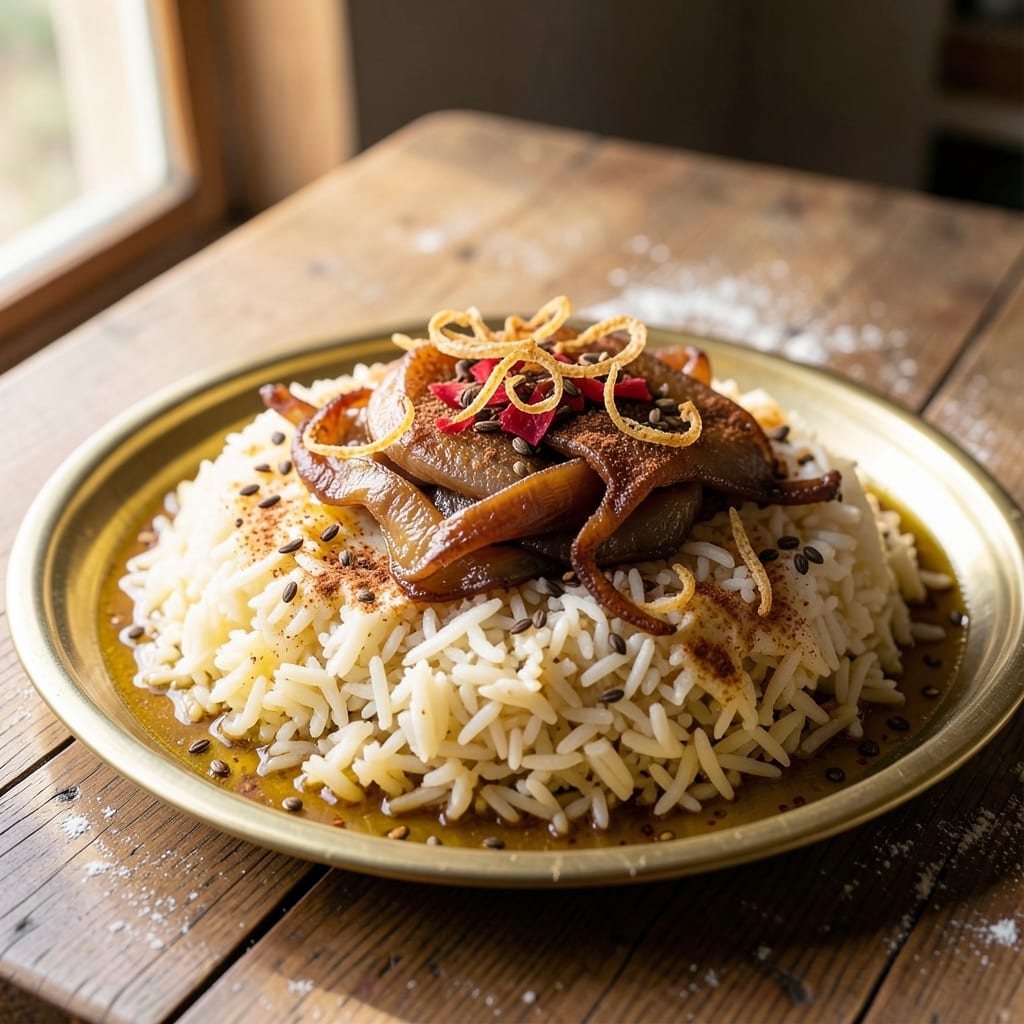
This Arabic rice pilaf recipe delivers restaurant-quality grains infused with fragrant saffron, toasted spices, and tender layers of flavor—just like the dishes served in bustling Middle Eastern markets. The secret lies in gently toasting whole spices until their oils release, creating a fragrant base that transforms ordinary basmati rice into something extraordinary. I’ve perfected this technique over years of testing, ensuring every grain stays distinct yet perfectly seasoned.
What sets this pilaf apart is the balance of spices: warm cumin, earthy cinnamon, and a pinch of cardamom work together with saffron’s golden hue and delicate aroma. The rice cooks slowly in rich broth, absorbing flavors without becoming mushy, while a final layer of crispy fried onions adds texture and depth. This method preserves the rice’s natural shape, delivering that signature "separate grains" texture that makes it ideal for pairing with grilled meats or roasted vegetables.
The result is a dish that’s both elegant and comforting—fragrant enough to stand alone but versatile enough to elevate any meal. The saffron-infused rice releases an intoxicating aroma that fills your kitchen, while the toasted spices add layers of warmth that linger on the palate. Whether served alongside lamb, chicken, or as a vegetarian centerpiece, this pilaf brings the heart of Arabic cuisine to your table with authenticity and ease.
Ready to transform your weeknight dinners? This recipe delivers foolproof results with minimal effort, using simple ingredients that yield restaurant-quality flavor. Let’s get started—your taste buds (and dinner guests) will thank you.
Ingredients for arabic rice pilaf
Gather these fragrant ingredients for a restaurant-worthy Arabic rice pilaf that's simple yet extraordinary.
| Ingredient | Amount | Notes |
|---|---|---|
| Long-Grain Basmati Rice 🍚 | 1 ½ cups | Uncooked, rinsed thoroughly |
| Saffron Threads 🌼 | ¼ tsp | High-quality, vibrant crimson |
| Chicken Broth 💧 | 2 ½ cups | Low-sodium preferred |
| Yellow Onions 🧅 | 1 whole | Thinly sliced, divided |
| Ground Cumin 🌿 | 1 tsp | Toasted for deeper aroma |
| Ground Cinnamon 🌿 | ½ tsp | Freshly ground preferred |
| Ground Cardamom 🌿 | ¼ tsp | Lightly toasted |
| Extra-Virgin Olive Oil 🫒 | ½ cup | For frying onions |
| Salt 🧂 | 1 ½ tsp | Kosher or sea salt |
| Fresh Parsley 🌿 | ¼ cup | Chopped, for garnish |
| Garlic Cloves 🧄 | 3 cloves | Minced for base |
| Butter 🧈 | 2 tbsp | Unsalted, for richness |
The saffron is non-negotiable here—Penzeys or a trusted Middle Eastern market have the best quality. Look for vibrant crimson threads, not dull orange powder. For the rice, Lundberg or Calrose basmati are my go-tos—they stay separate and fragrant. Toast your whole spices (cumin, cinnamon, cardamom) in a dry pan for 30 seconds until aromatic—this releases their oils and makes all the difference. The onions? Sweet yellow onions fry up golden and sweet, but red onions add a subtle bite if you prefer. Fresh parsley is ideal for garnish, but dried works in a pinch if you're in a hurry.
No saffron? Turmeric at half the amount gives color, though it lacks the floral aroma. Swap chicken broth for vegetable broth if vegetarian, but the flavor won't be identical. The butter can be omitted if you're watching fat, but trust me on the full-fat version—it adds incredible richness. For the spices, if you can't find cardamom, allspice at half the amount works in a pinch. And if you're feeling lazy, store-bought Middle Eastern spice blends (like Baharat) can replace the cinnamon and cardamom combo. Just taste as you go—adjust salt at the end.
This pilaf tastes even better the next day as flavors meld. Store in an airtight container in the fridge for 4-5 days, or freeze portions for 3 months. I like to portion it into containers with a sprinkle of parsley on top—ready for quick lunches or to reheat alongside grilled meats. For extra crispiness, keep a small batch of fried onions on hand to sprinkle over the top right before serving. The aroma alone will have everyone at the table.
Why You'll Love This Recipe
- Here’s what sold me: basmati rice stretches forever, saffron goes a long way, and cumin adds depth without cost. Make a big batch, freeze half, and you’ve got a $3 meal that tastes like you spent hours. (Spoiler: you didn’t.)
- Saffron Magic Simmered: I swear, those tiny threads of saffron turn ordinary rice into something luxurious—like a golden whisper of sunshine in every bite. No fancy tools, just a quick steep in warm broth, and boom: instant restaurant vibes.
- One-Pot Miracle: Honestly, this is my lazy-day hero. Sauté onions and cumin, dump in rice and broth, cover, and walk away. Twenty minutes later, you’ve got a fragrant, sticky pile of perfection with zero scrubbing.
- Weeknight to Dinner Party: Between us, this rice works everywhere. Weeknight dinners? Check. Sunday family feasts? Double check. Even my picky uncle asks for seconds—because it’s neutral enough to pair with grilled chicken, lamb, or just eat solo with a fork.
Step-by-step instructions for Arabic rice pilaf
Here's how to make this aromatic, golden rice with layers of spice and saffron that'll impress everyone.
Toast the Spices and Sauté the Onions
Heat the 0.5 cup extra-virgin olive oil in a large, heavy-bottomed pot over medium heat. Add the 1 whole yellow onion that's been thinly sliced and cook for 8-10 minutes until the onions are golden brown and caramelized. You'll smell that sweet, deep aroma—this is where the pilaf gets its rich foundation.
Once the onions are golden, reduce the heat to low and add the 1 tsp ground cumin, 0.5 tsp ground cinnamon, and 0.25 tsp ground cardamom. Toast these spices for 1 minute until fragrant—you'll smell that warm, earthy spice blend that's pure comfort food. Be careful not to burn them, as this will make the dish taste bitter. Stir constantly to prevent scorching.
Bloom the Saffron and Add Garlic
Next, add the 3 cloves garlic cloves that have been minced and cook for 30 seconds until fragrant but not browned. This quick cook time ensures the garlic adds flavor without becoming bitter. Now, here's where the magic happens: crush the 0.25 tsp saffron threads between your fingers (or use a mortar and pestle) and sprinkle them directly into the pot. Immediately add 1 cup of the 2.5 cups chicken broth to bloom the saffron.
The saffron needs this hot liquid to release its vibrant color and floral aroma. Let it steep for 2 minutes—you'll see the broth turn a beautiful golden hue. If you don't see this color change, your saffron might not be fresh. This is the moment that matters: the saffron should be fully dissolved and the broth should look like liquid gold.
Add Rice and Butter for Perfect Texture
Add the 1.5 cups long-grain basmati rice that you've rinsed thoroughly (this removes excess starch so the grains stay separate). Stir gently to coat each grain with the spiced oil and saffron-infused broth. Then add the 2 tbsp butter—this is what gives the pilaf its luxurious texture and prevents drying.
Cook for 2 minutes on medium heat, stirring constantly, until the rice is evenly coated and slightly translucent at the edges. This step ensures each grain gets the perfect balance of oil and moisture. The butter will start to melt and create a silky coating around the rice. Don't skip this—it's what makes this pilaf restaurant-quality.
Simmer to Fluffy Perfection
Pour in the remaining 1.5 cups chicken broth and add the 1.5 tsp salt. Bring to a gentle boil, then immediately reduce the heat to low. Cover the pot tightly with a lid and let it simmer for 15 minutes. Don't peek or stir—this steaming time is crucial for developing the rice's texture.
After 15 minutes, check the rice. It should be tender but still have a slight bite in the center. If there's still liquid in the pot, cover and cook for another 2-3 minutes. If the rice looks dry, add 1-2 tablespoons of water and cook uncovered for 1 minute to evaporate the moisture. The rice should be fluffy and each grain should be distinct—no mushy clumps here.
Rest and Garnish for Maximum Flavor
Remove the pot from heat and let it sit covered for 10 minutes. This resting period allows the steam to redistribute and the rice to absorb any remaining liquid, resulting in perfectly tender grains. Don't skip this step—it's what separates good rice from exceptional rice.
Once rested, fluff the rice gently with a fork and stir in the 0.25 cup fresh parsley that's been chopped. The parsley adds a bright, fresh contrast to the warm spices. Serve immediately while still hot, garnished with an extra sprinkle of parsley if you're feeling fancy. Each bite should deliver that perfect balance of saffron aroma, toasted spices, and buttery richness.
Pro Tips For Making Arabic Rice Pilaf
- TOAST THE CUMIN: Heat your ground cumin in the pot before adding onions—just until it smells earthy and fragrant, about 30 seconds. I learned this the hard way: raw cumin tastes bitter and dulls the whole dish. Let it bloom like you would garlic, or skip the magic.
- SOAK THE SAFFRON: Crush those saffron threads and steep them in 2 tablespoons warm broth for 10 minutes before adding to the rice. Whole threads? They’ll clump and look like confetti. Sounds fussy, but it dissolves evenly and gives that golden hue without scraping the pot.
- DON’T STIR THE RICE: After adding broth, bring to a boil once, then reduce to a simmer, cover, and walk away. Stirring releases starch and turns your fluffy pilaf into glue. Trust the rice—it’ll steam perfectly if you leave it alone for 15 minutes.
- USE COLD BROTH: Mix your rice with cold chicken broth right after toasting the onions and cumin. Hot broth cooks the rice unevenly and burns the bottom. Cold broth heats up faster, distributes flavor evenly, and keeps the grains distinct—no mushy centers.
Wine and beer pairings for these flavors
Wine Pairings
For this fragrant saffron rice, I recommend a crisp Lebanese white wine like Château Musar—its citrus and floral notes complement the saffron beautifully while cutting through the richness of the butter and toasted spices. A dry Riesling from Germany also works wonderfully, as its bright acidity mirrors the dish's vibrant flavors. Avoid heavy reds; they'll overwhelm the delicate aroma of the saffron. 🍷
Light Beer Options
A Pilsner-style beer like Heineken or Stella Artois provides a clean, refreshing contrast to the warm spices. The crisp, slightly malty profile balances the dish's richness without clashing. For a more adventurous choice, try a Belgian Witbier—its coriander and citrus notes echo the cardamom and saffron in the pilaf. Just avoid heavy lagers or stouts. 🍺
Non-Alcoholic Pairings
For non-drinkers, sparkling pomegranate juice from Pom Wonderful adds a festive touch with its tart-sweet balance. Alternatively, a minty jasmine tea served chilled highlights the dish's floral notes. Both options refresh the palate between bites without competing with the aromatic rice. ✨
Regional Pairing Tips
In Moroccan-style meals, pair this pilaf with a sweet mint tea—the anise notes complement the cinnamon in the rice. For Lebanese spreads, a dry rosé from Lebanon's Bekaa Valley enhances the dish's Mediterranean roots. Always let the wine or beverage enhance, not overpower, the saffron's delicate aroma. 🗺️
Nutrition facts
Frequently asked questions
Why does authentic Arabic rice pilaf use saffron?
Saffron isn't just for color—it's the soul of this dish! The delicate floral aroma and golden hue transform ordinary rice into something extraordinary. In Arabic cuisine, saffron symbolizes celebration and prosperity, making it perfect for special occasions. Plus, its unique flavor profile bridges the warm spices (cumin, cinnamon) with the buttery richness, creating that signature layered taste.
Can I make this pilaf in a rice cooker?
but with adjustments! Use a heavy-bottomed pot for best results, but if you must use a rice cooker, toast your spices and sauté onions separately first. Add the rice and broth to the cooker, then follow the same simmering instructions. The key is the 10-minute rest time after cooking—don't skip this! Rice cookers may need 1-2 extra minutes of cooking time since they often shut off slightly early.
What's the best protein to serve with this pilaf?
Traditional pairings include grilled lamb chops or chicken thighs, but don't limit yourself! The rich spices in the pilaf complement roasted vegetables like eggplant or zucchini perfectly. For seafood lovers, try grilled salmon—the buttery notes in both dishes create harmony. The pilaf's fragrant aroma works equally well with vegetarian mains like stuffed grape leaves or falafel.
Why did my rice turn out mushy?
Mushy rice usually means one of two things: either you stirred too much during cooking (which breaks the grains) or the heat was too high. The secret is low heat and no stirring after adding the broth. Also, make sure your rice is thoroughly rinsed before cooking to remove excess starch. If it's already cooked this way, try spreading it on a baking sheet and baking at 350°F for 10 minutes to dry it out slightly.
Can I make this pilaf ahead of time?
Yes! This dish actually tastes better the next day as flavors meld. Store in an airtight container in the fridge for 4-5 days. For reheating, sprinkle with 1-2 tablespoons water, cover, and microwave for 2-3 minutes on medium. For extra crispiness, keep a small batch of fried onions on hand to sprinkle fresh before serving. The aroma alone will remind everyone why they love this dish!