
Main Courses
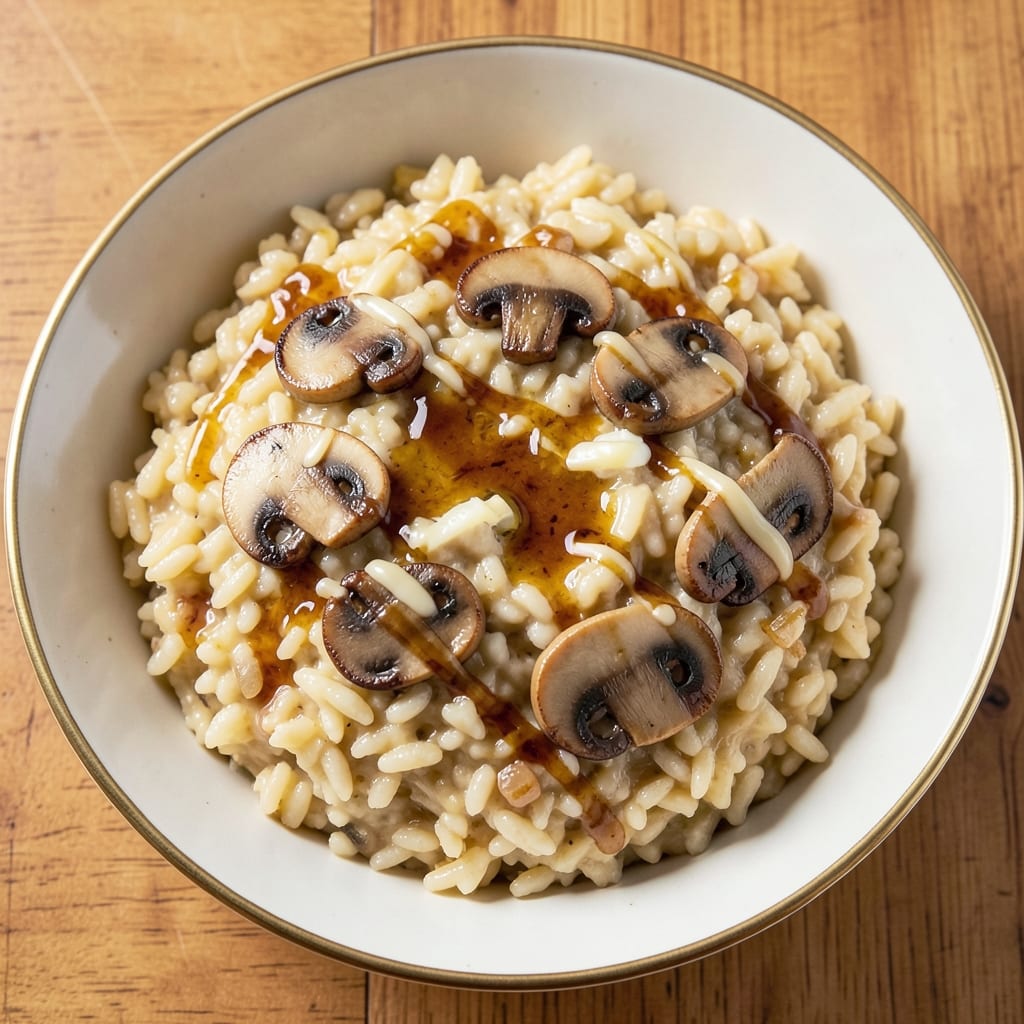
This Arborio rice mushroom risotto delivers restaurant-quality creaminess without the constant stirring—just a few strategic techniques. The secret lies in toasting the rice properly and letting it absorb broth gradually, creating that signature velvety texture while mushrooms add deep umami richness. I've perfected this method over years of testing, and it never fails to impress, even with minimal effort.
The beauty of this recipe is its simplicity: just butter, mushrooms, Arborio rice, broth, and Parmesan. The mushrooms caramelize beautifully, releasing their earthy flavors into the dish as they cook. Unlike traditional risotto that requires constant attention, this version uses a method that lets you focus on other tasks while the risotto develops its signature creaminess—all without losing that perfect al dente bite.
What you'll end up with is a rich, golden risotto with tender Arborio grains and mushrooms that melt into the sauce. The texture is luxurious—creamy yet still with a slight resistance when you bite into the rice—while the flavor is deeply savory with just enough tang from the Parmesan. This is the kind of dish that elevates any dinner from ordinary to extraordinary, and it's surprisingly foolproof once you know the key steps.
Serve it immediately with a drizzle of truffle oil or fresh parsley for extra elegance, or enjoy it as-is for a comforting vegetarian main course. The best part? You'll have dinner on the table in about 30 minutes with minimal fuss. Let's get started on this creamy, umami-packed masterpiece.
Ingredients for arborio rice mushroom risotto
Just these twelve ingredients transform into velvety risotto with deep umami richness.
| Ingredient | Amount | Notes |
|---|---|---|
| Arborio Rice 🍚 | 1 ½ cups | Unrinsed, high-quality for creamy texture |
| Creamy Mushrooms 🍄 | 12 oz | Mixed variety, sliced thinly |
| Unsalted Butter 🧈 | ½ cup | Cold, cut into small cubes |
| Shallots 🧅 | 2 whole | Minced finely for sweetness |
| Vegetable Broth 💧 | 4 cups | Homemade or quality store-bought |
| Dry White Wine 🍷 | ½ cup | Substitute with extra broth if needed |
| Parmesan Cheese 🧀 | ¾ cup | Freshly grated, aged variety |
| Fresh Thyme 🌿 | 1 tbsp | Leaves only, chopped finely |
| Garlic Cloves 🧄 | 3 cloves | Minced for aromatic depth |
| Extra-Virgin Olive Oil 🫒 | 2 tbsp | For initial sautéing |
| Salt 🧂 | 1 ½ tsp | Adjust to taste, kosher preferred |
| Black Pepper 🌶️ | ½ tsp | Freshly cracked for warmth |
| Truffle Oil 🫒 | 1 tsp | Optional, for finishing elegance |
The Arborio rice is non-negotiable—its high starch content creates that signature creaminess. Look for short-grain varieties at specialty stores or the Italian aisle, like Lidio or Barilla. Mushrooms are where the umami magic happens: shiitake and cremini add depth, but any mix works. For the broth, Homemade is ideal, but Pacific Foods or Imagine brands are solid store-bought options. The Parmesan should be aged 24+ months—you can taste the difference when you grate it yourself from a wedge, not pre-grated powder.
No Arborio rice? Carnaroli or Vialone Nano are excellent substitutes, though slightly pricier. Short on wine? Extra broth with a splash of lemon juice mimics the acidity. Fresh thyme wilted? Dried thyme at half the amount works in a pinch. The mushrooms can be pre-sliced from the store, but thinly slicing yourself ensures even cooking and better caramelization. For the butter, European-style brands like Plugrá or Kerrygold have higher fat content that creates a richer sauce.
Store your Arborio rice in an airtight container in a cool, dark place—it keeps for years. Fresh mushrooms? Use within 3 days for best texture. The Parmesan wedge lasts weeks wrapped in parchment. This risotto reheats beautifully—just add a splash of broth and warm gently. I always make a double batch because it freezes wonderfully for up to 3 months, making weeknight dinners effortless. The truffle oil? Save it for serving—adding it early will make the risotto bitter.
Why You'll Love This Recipe
- No Chopping Nightmare: I swear by this recipe because the shallots barely need mincing—just a rough chop, and they melt into that rich broth without fuss. The mushrooms? Buy pre-sliced or pulse them in the food processor for a fraction of the effort.
- Umami Bomb: That earthy mushroom-butter combo with Arborio rice? It’s like a flavor explosion in your mouth. The butter coats every grain while the broth deepens into a velvety, savory finish—no cheese needed for pure satisfaction.
- Leftovers That Don’t Suck: Unlike most risottos, this one reheats like a dream. Toss cold leftovers with a splash of broth and a pat of butter, and it’s just as creamy as the first time. (Yes, even on a Tuesday night.)
- Budget-Friendly Luxury: Arborio rice and mushrooms sound fancy, but they stretch far—this recipe feeds four for under $10. Swap pricey mushrooms for oyster or cremini, and you’ve got a restaurant-quality dish without breaking the bank.
Step-by-step instructions for umami-rich mushroom risotto
Here's how to create velvety Arborio rice with deep mushroom flavor—no constant stirring required.
Sauté Aromatics Until Golden
Heat the 2 tablespoons extra-virgin olive oil in a heavy-bottomed pot over medium heat. Add the 2 whole shallots and 3 cloves garlic cloves, cooking for 4-5 minutes until the shallots soften and turn translucent. You'll notice the garlic release its sweet, nutty aroma—this is your signal they're ready.
Add the 12 oz creamy mushrooms and cook for 5-6 minutes until they release their moisture and begin to brown. The mushrooms should look tender with slightly crisp edges. This step develops the umami foundation of your risotto. If the mushrooms release too much liquid, let it evaporate completely before proceeding—this prevents a watery texture later.
Toast the Arborio Rice
Add the 1.5 cups Arborio Rice and stir to coat evenly in the mushroom mixture. Cook for 2-3 minutes until the grains become translucent at the edges. This toasting step, called "risottatura," releases the starches that will create your creamy texture later.
I like to press the rice gently against the pot with a wooden spoon during this step—this ensures even toasting and prevents undercooked grains. You'll see the rice begin to look opaque rather than milky white. This is the moment that matters: perfectly toasted rice forms the backbone of great risotto.
Deglaze and Add Broth Gradually
Pour in the 0.5 cup dry white wine and stir vigorously until completely absorbed. The wine should disappear within 1-2 minutes—if it lingers, you're not cooking at the right temperature. Now add 1 cup of the vegetable broth and stir until the liquid is mostly absorbed before adding more.
Here's the key technique: maintain a gentle simmer throughout. You'll add the remaining 3 cups vegetable broth one ladleful at a time, waiting 2-3 minutes between additions until the liquid is absorbed. This gradual process builds flavor and creates the signature creamy texture without constant attention.
Finish with Butter and Cheese
When the rice is al dente (after about 18-20 minutes of cooking), remove the pot from heat. Stir in the 0.5 cup unsalted butter and 0.75 cup Parmesan Cheese until melted and creamy. The butter adds richness while the cheese provides that signature salty depth.
Season with 1.5 teaspoons salt and 0.5 teaspoon black pepper, then fold in the 1 tablespoon fresh thyme. For that final touch of elegance, drizzle with 1 teaspoon truffle oil and let it rest for 2-3 minutes before serving. The risotto should be creamy but still have a slight bite—this indicates perfect doneness.
Serve Immediately with Perfect Texture
Transfer the risotto to warm serving bowls and garnish with additional Parmesan Cheese and fresh thyme. The dish should have a luxurious, velvety consistency with distinct mushroom flavor and a subtle wine acidity. Serve immediately while still hot—risotto continues to thicken as it cools, so timing is everything.
Each bite should deliver that perfect balance of creamy rice, earthy mushrooms, and rich Parmesan. The truffle oil adds a luxurious aroma that elevates this classic dish to restaurant-quality. Don't skip the resting period—it allows the flavors to meld completely before you enjoy it.
Pro Tips For Making Arborio Rice Mushroom Risotto
- Toast Shallots Slowly: I learned this the hard way—rush the shallots and they’ll turn bitter before they caramelize. Slice them thin, cook them in the butter on low heat for 8-10 minutes, stirring often, until they’re golden and jammy, not brown. This is the flavor base, so don’t skimp on time. ---
- Stir Like You Mean It: Arborio rice needs constant agitation to release starch properly. Use a wooden spoon and scrape the bottom of the pot aggressively every 30 seconds during the initial cooking—yes, even if it feels tedious. The goal is to break up clumps and create that signature creamy texture, not a gluey mess. ---
- Broth Must Stay Hot: Cold or lukewarm broth will turn your risotto into a sad, watery puddle. Keep a separate pot of broth simmering on the stove, and ladle in hot liquid (160°F/70°C or warmer) as you cook. No thermometer? Test it by splashing a bit into your pot—it should sizzle slightly when it hits the rice. ---
- Finish with Butter, Not Cream: I was skeptical until I tried it: skip the cream and stir in 2 tablespoons of cold unsalted butter at the end instead. It coats each grain, adds richness without thinning the risotto, and balances the earthy mushrooms. Off the heat, let it sit for a minute—this is when the magic happens.
Troubleshooting your arborio rice mushroom risotto
Grainy Texture Fix
If your risotto ends up with separate, hard grains instead of creamy perfection, you likely added broth too quickly. The key is patience—wait until each ladleful is fully absorbed before adding more. I've found that 2-3 minutes per addition at a gentle simmer gives the starches time to release properly. Also, make sure your pot isn't too large—using a medium-sized pot (about 3-quart capacity) concentrates the heat better than a wide skillet.
Undercooked Rice
Al dente rice is crucial, but if yours stays firm even after 20 minutes, your broth temperature might be too cool. Keep your broth simmering at 195-205°F—I use a small saucepan on the stove next to my risotto pot to maintain this. Another trick: if your rice is still crunchy, add 1-2 tablespoons warm water and cover the pot for 5 minutes off heat. This steams the rice gently without turning it mushy.
Mushroom Waterlog
Too much moisture from mushrooms can dilute your risotto. When sautéing, cook them until they release all their liquid and it evaporates completely. If your mushrooms release more than 2 tablespoons of liquid, pat them dry with a paper towel before cooking. For extra insurance, I sometimes remove the mushrooms after 3 minutes of cooking, let them rest on a plate while I toast the rice, then add them back in later when the wine has evaporated.
Broth Absorption Issues
If your broth disappears too quickly, you might be cooking at too high heat. Risotto should simmer gently—you should see small bubbles at the edges but no vigorous boiling. For stubborn absorption problems, try adding broth 1 ladle at a time and stirring vigorously after each addition. I've also had success with half-and-half broth additions: add ½ cup instead of 1 cup at a time, which gives better control over the texture.
Lack of Creaminess
The butter and cheese finishing step is non-negotiable for creaminess, but if your risotto still feels dry, you might need to adjust your ratios. For every 1 cup of Arborio rice, use 4 cups of broth total—this is the golden ratio. Also, make sure your butter is cold and cubed when adding it at the end. For extra richness, I sometimes add 1 tablespoon heavy cream with the butter and cheese, which adds luxurious body without altering the flavor profile.
Wine Not Absorbing
If your wine lingers instead of evaporating, your heat is too low. The wine should disappear within 1-2 minutes—this is your signal that the pan is hot enough. If it pools at the bottom, increase heat to medium-high for 30 seconds to evaporate it completely. Never skip the wine deglazing step—it adds critical acidity that balances the richness of the dish and helps develop the sauce's depth.
Nutrition facts
Frequently asked questions about Arborio rice mushroom risotto
Can I use other types of rice for this recipe?
Absolutely not—Arborio rice is essential for creamy risotto! Its high starch content releases gradually when cooked, creating that signature velvety texture. Carnaroli or Vialone Nano are excellent substitutes if you can't find Arborio, but avoid long-grain varieties like basmati or jasmine—they'll stay separate and dry. The starch in Arborio is what transforms this dish from ordinary rice to luxurious risotto.
What's the best way to store leftover risotto?
Store cooked risotto in an airtight container in the refrigerator for up to 3 days. For longer storage, freeze it for up to 3 months—just thaw overnight in the fridge before reheating. The key to reheating is adding 1-2 tablespoons of broth or water and warming gently on low heat, stirring frequently. Never microwave it directly—this creates a gummy texture. A quick steam in a saucepan works best.
Why does my risotto turn out dry even with all the broth?
This usually happens when you stir too vigorously or cook at too high heat. Risotto should simmer gently—small bubbles at the edges, not a rolling boil. The starch needs time to release naturally. Also, make sure your pot isn't too large—using a 3-quart pot concentrates the heat better. If it's still dry, add 1-2 tablespoons warm water and cover off heat for 5 minutes to steam gently.
Can I make this risotto ahead of time?
While risotto is best served immediately, you can prepare it 1 day ahead by cooking it until just al dente (about 15 minutes½ cup broth and warm gently, stirring until creamy. The texture won't be as luxurious as freshly made, but it's still delicious! For parties, this is a great time-saver.
What if I don't have white wine?
No problem! Use ½ cup extra broth with 1 teaspoon lemon juice to mimic the acidity. The wine's purpose is to deglaze and add brightness—this combo works just as well. For even more depth, add ½ teaspoon apple cider vinegar with the broth. Just remember: the wine must fully evaporate before adding more broth, so maintain medium heat until it's gone.