
Soups & Stews
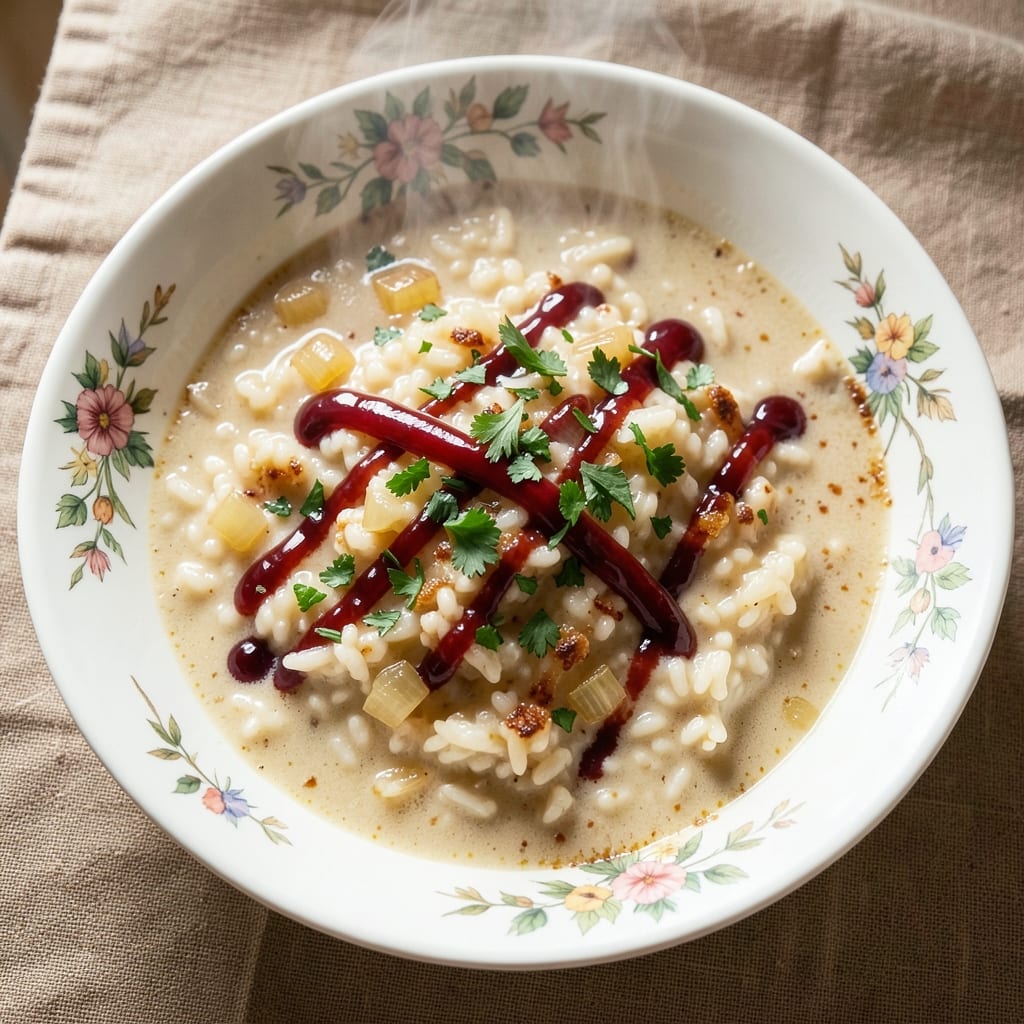
This arborio rice soup transforms humble ingredients into velvety, risotto-style comfort without the fuss of stirring a pot for hours. The secret lies in toasting the rice first—just 2 minutes in hot oil unlocks its natural starch, which later creates that signature creamy texture as it simmers in broth. I developed this recipe after years of making traditional risotto and wanted something equally rich but effortless for busy weeknights.
The result is a creamy, deeply flavorful soup with tender rice and optional vegetables like mushrooms or carrots that melt into the broth. Unlike risotto, this version requires no constant attention—just a single pot, 30 minutes of hands-off cooking, and a final stir with butter and parmesan for that restaurant-quality finish. Perfect for chilly evenings or when you crave something hearty yet simple.
Ingredients for arborio rice soup
Rice, broth, butter, and wine transform into velvety comfort with minimal effort.
| Ingredient | Amount | Notes |
|---|---|---|
| Arborio Rice 🍚 | 1 cup | Uncooked, medium grain preferred |
| Extra-Virgin Olive Oil 🫒 | ¼ cup | High-quality, fruity variety |
| Yellow Onion 🧅 | 1 whole | Medium size, finely diced |
| Garlic Cloves 🧄 | 3 cloves | Fresh, minced for depth |
| Vegetable Broth 💧 | 4 cups | Low-sodium, homemade preferred |
| Dry White Wine 🍷 | ½ cup | Sauvignon Blanc or Pinot Grigio |
| Unsalted Butter 🧈 | 2 tbsp | Cold, cut into small cubes |
| Parmesan Cheese 🧀 | ½ cup | Freshly grated, aged minimum 24 months |
| Fresh Thyme Leaves 🌿 | ¼ cup | Stems removed, chopped |
| Sea Salt 🧂 | 1 ½ tsp | Diamond Crystal preferred |
| Black Pepper 🌶️ | ½ tsp | Freshly cracked, coarse grind |
| Mushrooms 🍄 | 8 oz | Cremini or button, sliced |
| Carrot 🥕 | 1 whole | Medium, peeled and diced |
| Fresh Parsley 🌿 | ⅛ cup | Chopped, for garnish |
The Arborio rice is non-negotiable—its high starch content creates that signature creamy texture. Look for medium-grain varieties at specialty stores like Whole Foods or Trader Joe's, where you'll find the best quality. Fresh mushrooms and carrots add depth, but frozen works in a pinch if you're short on time. The Parmesan should be aged at least 24 months for optimal umami—Parmigiano-Reggiano from the deli counter is ideal. For the wine, any dry white with acidity (Sauvignon Blanc, Pinot Grigio) works, but avoid overly oaky varieties that can clash with the dish's delicate balance.
No Arborio rice? Carnaroli or Vialone Nano are excellent substitutes, though Arborio remains the gold standard. Short on mushrooms? Swap for sautéed zucchini or asparagus—just adjust cooking time slightly. Vegetable broth can be homemade (simmer veggie scraps with herbs) or store-bought (Pacific Foods or Imagine brands are reliable). The thyme and parsley should be fresh if possible, but dried thyme at half the amount works in a bind. For the wine, dry vermouth or even white grape juice can stand in if alcohol isn't an option—just reduce the liquid by 2 tbsp to account for the extra moisture.
This soup reheats beautifully—simmer gently for 5-7 minutes to restore creaminess. Store in an airtight container for up to 5 days in the fridge, though flavor peaks within the first 2 days. For longer storage, portion into freezer-safe containers with a thin layer of olive oil on top to preserve texture—thaws perfectly and tastes even richer. Double the recipe if entertaining; it's the kind of dish that improves with company and leftovers.
Why You'll Love This Recipe
- One-Pot Magic: I swear by this recipe when I’m too tired to wash another dish. Just toss the rice, broth, and aromatics into one pot, and let it simmer—no stirring required after the first few minutes. That golden crust forms all by itself, and honestly? The less I mess with it, the better it tastes.
- Umami Bomb: The secret’s in the Arborio rice—it soaks up the broth like a sponge but stays firm enough to bite into. Add a splash of olive oil at the end, and suddenly you’ve got this rich, almost risotto-like depth without the fuss. Between us, that garlic-to-onion ratio? It’s the kind of balance that makes you pause mid-bite.
- Weeknight Workhorse: This soup is my go-to when I need something hearty but still light enough for a busy evening. Double the batch on Sunday, and you’ve got lunch covered for half the week. (Yes, even on a Tuesday night.) It reheats beautifully, too—no weird textures or soggy rice here.
- Budget-Friendly Luxury: Arborio rice might sound fancy, but it’s actually cheaper than most short-grain varieties, and a little goes a long way. A few cloves of garlic, a simple onion, and basic broth stretch into a meal that feels indulgent without breaking the bank. I’ll be real: it’s the kind of dish that makes me feel like I’m treating myself, even when I’m just grabbing leftovers.
Step-by-step instructions for creamy Arborio rice soup
Transform simple ingredients into velvety Arborio rice soup with restaurant-quality texture and depth.
Sauté Aromatics Until Fragrant
Heat the 0.25 cup extra-virgin olive oil in a large pot over medium heat. Add the finely diced yellow onion and cook for 5 minutes, stirring occasionally, until softened and translucent. This foundational step builds flavor—don't rush it.
Add the 8 oz sliced mushrooms and diced carrot, spreading them evenly in the pot. Cook for 6-8 minutes until the mushrooms release their moisture and begin to brown slightly. Stir in the 3 minced garlic cloves and cook for an additional 30 seconds—just until fragrant. The garlic should infuse the vegetables without burning, adding a subtle sweetness to the soup base.
Toast the Arborio Rice
Increase heat to medium-high and add the 1 cup Arborio rice, stirring constantly for 2 minutes until the grains turn opaque and develop a slight golden hue. This toasting step, called "risotto style," releases starches that will later create the soup's signature creaminess.
Pour in the 0.5 cup dry white wine and stir vigorously, allowing the alcohol to evaporate completely (1-2 minutes). The wine's acidity brightens the dish and prevents the rice from becoming gummy. This is where the magic begins—don't skip the wine reduction.
Simmer with Broth and Seasonings
Gradually add the 4 cups vegetable broth, 1.5 tsp sea salt, and 0.5 tsp black pepper, stirring after each addition. Bring to a gentle simmer, then reduce heat to low—you want small bubbles just breaking the surface, not a rolling boil. This controlled cooking prevents the rice from becoming mushy.
Stir in the 0.25 cup chopped fresh thyme leaves and cover the pot with a tight-fitting lid. Let the soup simmer for 20 minutes, stirring every 5 minutes to prevent sticking. The rice should absorb the broth gradually, developing a creamy texture while maintaining some bite.
Finish with Butter and Parmesan
After 20 minutes, remove the lid and stir in the 2 tbsp cold unsalted butter and 0.5 cup freshly grated Parmesan cheese. The butter adds richness, while the Parmesan contributes umami depth and a luxurious mouthfeel. Let the soup simmer uncovered for an additional 5 minutes to thicken slightly.
Taste and adjust seasoning—you may need a pinch more salt or pepper. The soup should be creamy but not gluey, with each spoonful delivering a balance of earthy mushrooms, sweet carrot, and nutty Arborio rice. If it's too thick, stir in 1-2 tablespoons of warm broth to reach your desired consistency.
Garnish and Serve
Ladle the soup into bowls and garnish each serving with 0.125 cup chopped fresh parsley. The parsley adds a fresh contrast to the rich soup and brightens the presentation. Serve immediately while the soup is hot, as the texture will thicken further as it cools.
This Arborio rice soup delivers all the comforting qualities of risotto without the fuss—creamy, flavorful, and perfect for chilly evenings. The secret lies in the gradual cooking and proper seasoning at each stage, ensuring every bite is velvety and satisfying.
Pro Tips For Making Arborio Rice Soup
- Toast the Rice First: I learned this the hard way—skipping the toast step makes the soup gummy. Sauté the Arborio in olive oil over medium-high heat for 2-3 minutes until the grains turn translucent and smell nutty. This builds flavor and prevents mushiness later.
- Use Cold Broth: Adding boiling broth straight away turns your soup into glue. Start with cold or room-temperature broth, then bring to a simmer—this gives the rice time to absorb liquid gradually without breaking down. Yes, even if you're impatient like me.
- Stir Less, Taste More: Constant stirring releases starch too fast, turning your soup into a thick paste. Let the rice cook undisturbed for 10-15 minutes after initial simmer, then stir just enough to check doneness. A wooden spoon works better than metal—it won’t scratch your pot.
- Finish with Acid: The soup needs a bright cut. Stir in 1 tablespoon of lemon juice or vinegar at the end—it balances the richness and keeps the texture light. Skip this, and you’ll have a heavy, one-note dish. (Your future self will notice.)
Common mistakes when making great arborio rice soup
Overcooking the Rice
Arborio rice releases starches that create creaminess, but overcooking turns it mushy. I’ve ruined countless batches by letting the soup simmer too long or at too high a heat. Keep the temperature at a gentle simmer—small bubbles breaking the surface—never a rolling boil. If the rice feels soft and falling apart after 20 minutes, it’s done. Stirring occasionally prevents sticking, but don’t rush the cooking time. 🌡️
Skipping the Wine
The 0.5 cup dry white wine isn’t just for flavor—it’s essential for balancing the dish. Without it, the rice can taste flat or overly starchy. If you’re avoiding alcohol, use white grape juice or dry vermouth, but reduce the broth by 2 tablespoons to compensate for extra liquid. Let the wine fully evaporate before adding broth—this step brightens the soup and prevents gummy rice. 🍷
Ignoring the Toasting Step
Toasting the Arborio rice for 2 minutes in oil is non-negotiable. This step unlocks the starches that create the creamy texture. If you skip it, your soup will taste underdeveloped and watery. Use medium-high heat and stir constantly—burnt rice ruins the whole dish. Think of it like making risotto: the toasted rice is the foundation of flavor. 🔥
Using the Wrong Broth
Vegetable broth is key here, but low-sodium is critical—too much salt can overwhelm the dish. Homemade broth is best, but if using store-bought, Pacific Foods or Imagine brands are reliable. Avoid chicken broth unless making a variation with meat. The broth’s depth carries the soup, so don’t cut corners. Taste as you go and adjust seasoning gradually. 💧
Stirring Too Aggressively
While stirring prevents sticking, vigorous stirring can break down the rice prematurely. Instead, give the pot a gentle stir every 5 minutes—just enough to keep the rice moving. Over-stirring releases too much starch too soon, leading to a gluey texture. Think "light touch," not "whisking." 🍲
Adding Cheese Too Early
The butter and Parmesan should only be stirred in during the final 5 minutes of cooking. Adding them earlier can cause the cheese to separate or the butter to burn. Let the soup build flavor first, then finish with these rich elements for that restaurant-quality touch. Cold butter melts beautifully at the end, creating a velvety finish. 🧈
Nutrition facts
Frequently asked questions
Can I make this Arborio rice soup vegetarian?
This recipe is already vegetarian-friendly, but you can enhance it further by adding roasted vegetables like bell peppers, zucchini, or spinach. For extra depth, swap the vegetable broth for a rich mushroom or tomato-based broth. The key is balancing umami flavors—soy sauce or nutritional yeast work well too.
How do I adjust the consistency if it's too thick or thin?
If your soup is too thick, stir in 1-2 tablespoons of warm broth at a time until creamy but still spoonable. For a thinner texture, add broth gradually while simmering. The ideal consistency should coat the back of a spoon but still allow the rice to hold its shape.
Can I use Arborio rice substitutes?
While Arborio is ideal, you can use Carnaroli or Vialone Nano for similar results. Regular long-grain rice won't work—the high starch content in Arborio is what creates the creamy texture. If you're in a pinch, try medium-grain rice like Calrose but expect slightly less creaminess.
What's the best way to reheat leftovers?
Gently reheat on the stovetop over low heat with a splash of broth or water. Never microwave directly—it makes the soup gluey. Stir occasionally and add more liquid if needed. For best results, reheat just until hot through (5-7 minutes). The texture will thicken as it cools again.
Can I make this soup ahead of time?
Yes! Store in an airtight container in the fridge for up to 5 days**. The flavor actually improves overnight. For freezing, portion into containers with a thin layer of olive oil on top to preserve texture. Thaw in the fridge overnight before reheating. The rice may absorb more liquid when reheated—adjust with broth as needed.