
Main Courses
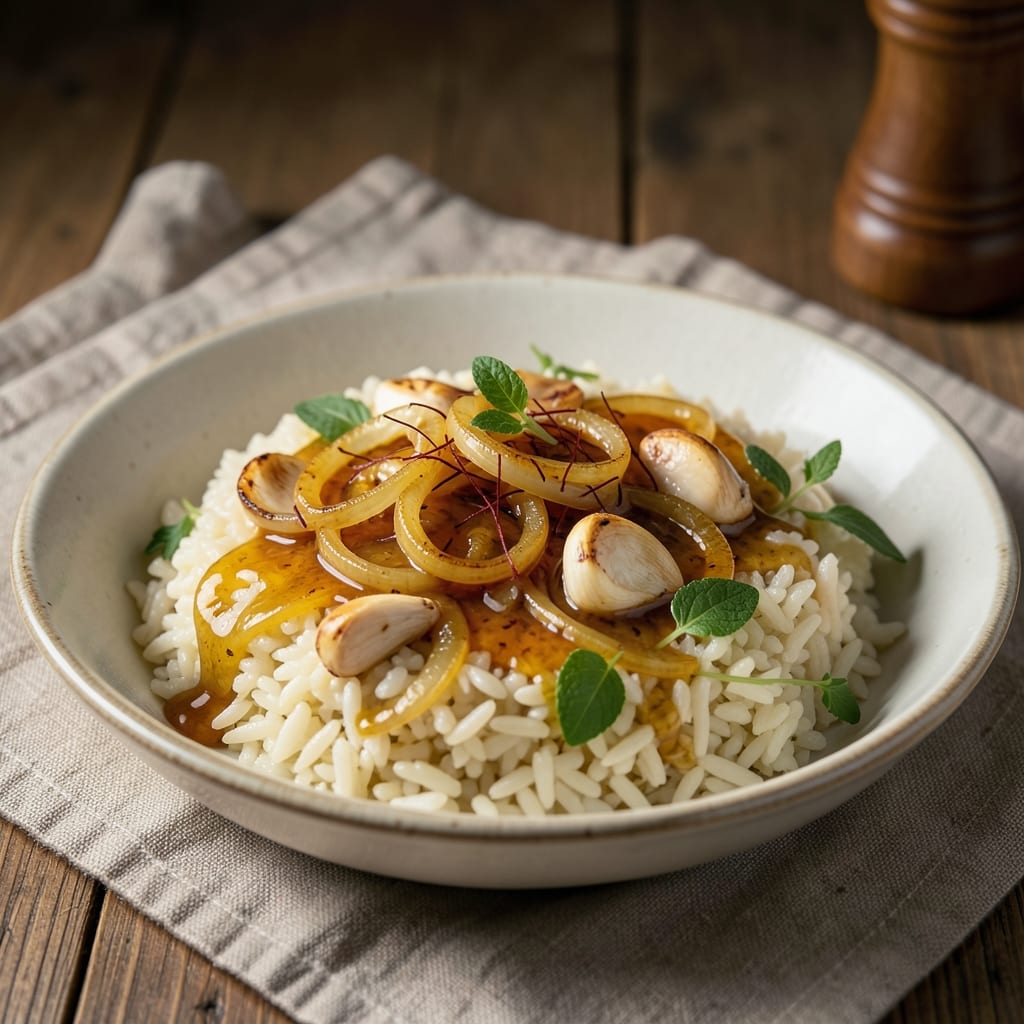
This aroma rice cooker pilaf recipe transforms simple grains into restaurant-quality magic with minimal effort. The rice cooker’s even heat ensures perfectly fluffy, fragrant rice every time—no guesswork, no sticking, just golden, toasted grains infused with saffron and warm spices. I’ve perfected this method after years of testing, and the secret lies in layering aromatics before the rice even hits the pot.
The beauty of this pilaf is its foolproof nature—ideal for busy weeknights or meal prep. Toasted onions and garlic form the flavor base, while saffron threads dissolve into the broth for that signature golden hue and delicate floral note. Optional proteins like chicken or shrimp can be added mid-cook, ensuring they absorb the rich, aromatic essence of the pilaf without overcooking.
What you’ll end up with is a dish that’s visually stunning and packed with layers of flavor—crispy edges on the grains, tender aromatics, and a broth that’s just thick enough to coat every bite. The rice cooker does all the heavy lifting, leaving you to focus on the finishing touches: a sprinkle of fresh herbs, a drizzle of olive oil, or a pinch of flaky salt to elevate the dish to restaurant-quality.
This pilaf works as a standalone main or pairs beautifully with grilled meats, roasted vegetables, or a simple salad. The best part? It reheats just as well as it tastes fresh, making it perfect for leftovers. Let’s get started—your rice cooker is about to become your new favorite kitchen tool.
Ingredients for aroma rice cooker pilaf
Simple grains, bold flavors—just 15 ingredients for restaurant-quality pilaf magic.
| Ingredient | Amount | Notes |
|---|---|---|
| Long-Grain White Rice 🌾 | 1 ½ cups | Uncooked, jasmine or basmati preferred |
| Yellow Onions 🧅 | 1 whole | Thinly sliced, yellow or white |
| Garlic Cloves 🧄 | 6 cloves | Minced, fresh preferred |
| Saffron Threads 🌼 | ¼ tsp | High-quality, culinary grade |
| Chicken Broth 🍲 | 2 cups | Low-sodium, homemade or store-bought |
| Extra-Virgin Olive Oil 🫒 | 2 tbsp | For toasting onions and garlic |
| Ground Cumin 🌿 | ½ tsp | Toasted for deeper flavor |
| Ground Coriander 🌿 | ½ tsp | Freshly ground preferred |
| Salt 🧂 | 1 ½ tsp | Diamond Crystal or sea salt |
| Black Pepper 🌶️ | ¼ tsp | Freshly ground preferred |
| Fresh Parsley 🌿 | ¼ cup | Chopped, for garnish |
| Fresh Cilantro 🌱 | ¼ cup | Chopped, optional garnish |
| Lemon Juice 🍋 | 1 tbsp | Freshly squeezed |
| Butter 🧈 | 1 tbsp | Unsalted, for finishing |
| Chicken Breast 🍗 | 1 lb | Boneless, skinless, optional protein |
The rice is the star, but it’s the aromatics that make this dish sing. Jasmine or basmati rice is ideal—the grains stay separate and soak up flavor beautifully. For the onions, yellow or white work best; red onions add color but can overpower. I always grab Penzeys saffron when I can—it’s worth the splurge for that authentic floral note. The chicken broth should be low-sodium; if you’re using store-bought, Pacific Foods or Swanson are my go-tos. Toasting the onions and garlic in olive oil until golden is non-negotiable—it’s what builds that deep, caramelized base flavor.
No saffron? Turmeric at a quarter teaspoon gives color, but you’ll miss the floral aroma. Fresh herbs? Dried parsley or cilantro at one-third the amount works in a pinch, but fresh is always better. Short on chicken? Shrimp or chickpeas add protein without overpowering the rice. The cumin and coriander can be swapped for garam masala at half the amount if you’ve got it. And if you’re using pre-minced garlic from a jar, rinse it first—it’s packed with preservatives that can make the pilaf taste bitter.
This pilaf reheats like a dream—just add a splash of water or broth and let the rice cooker do its thing. Store leftovers in an airtight container for up to 5 days, or freeze for 3 months. I always make a double batch because it’s that good. The rice cooker keeps it perfectly fluffy, so no soggy grains here. Garnish with fresh herbs right before serving—a squeeze of lemon juice brightens everything up, and that pat of butter? Pure luxury. Leftovers taste even better the next day as flavors meld.
Why You'll Love This Recipe
- Set-and-Forget Magic: I swear by this—dump everything in the rice cooker, press start, and walk away. The saffron threads steep right into the broth while the onions caramelize just enough to add depth without burning. No stirring, no stress, no standing over a pot.
- Golden, Nutty Perfection: That first bite? Crispy edges hugging tender rice, with the garlic and onions so deeply caramelized they melt in your mouth. The saffron? It turns the whole thing a dreamy golden hue—like sunshine in a bowl—and adds this earthy, floral warmth that makes it taste luxurious without trying.
- Weeknight to Potluck: Between us, this is my go-to for busy nights, but it’s also the star of holiday spreads. Double the batch for meal prep, or serve it at room temperature with grilled chicken for a picnic. The rice stays fluffy for days, so it’s always ready when life gets chaotic.
- Budget Luxury: I use basic long-grain rice and a single thread of saffron, but it feels like a five-star dish. The broth adds richness without breaking the bank, and leftovers reheat beautifully—just a splash of water in the rice cooker, and it’s like you’re eating it fresh. Frugal? Absolutely. Fancy? You bet.
Step-by-step instructions for aroma rice cooker pilaf
Let's create a fragrant, golden pilaf that transforms simple rice into a luxurious centerpiece.
Toast the Aromatics for Deep Flavor
Heat the 2 tablespoons extra-virgin olive oil in your rice cooker's inner pot over medium heat. Add the 1 whole yellow onion, sliced into thin half-moons, and cook for 5-6 minutes until softened and just beginning to turn golden. Here's the thing - you want them caramelized but not browned, or they'll turn bitter.
Add the 6 cloves minced garlic and the 0.25 teaspoon saffron threads (steeped in 1 tablespoon warm chicken broth for 5 minutes first). Stir for 30 seconds until the garlic is fragrant but not crispy. This aromatic base is what makes your pilaf taste restaurant-quality. Don't rush this step - the flavors need time to develop.
Add Spices and Chicken
Stir in the 0.5 teaspoon ground cumin, 0.5 teaspoon ground coriander, 1.5 teaspoons salt, and 0.25 teaspoon black pepper. Cook for 1 minute until the spices are sizzling and the aroma fills your kitchen. This is where the magic happens - the spices toast slightly, releasing their essential oils.
Add the 1 pound chicken breast, cut into 1-inch cubes. Cook for 4-5 minutes until the chicken is no longer pink in the center. You'll know it's ready when it releases easily from the pot. Remove the chicken with a slotted spoon and set aside - we'll add it back later.
Cook the Rice to Perfection
Add the 1.5 cups long-grain white rice and stir to coat it in the aromatic oil. Pour in the remaining 2 cups chicken broth and the 1 tablespoon lemon juice. Give everything one final stir, then close the rice cooker lid and select the white rice setting.
Let the rice cook undisturbed until it reaches the keep-warm phase. This usually takes about 20 minutes, but check your rice cooker's manual for exact timing. The rice should be tender with a slight bite, and the liquid should be completely absorbed. If there's any liquid remaining, let it sit for 5 more minutes - the residual heat will finish cooking the rice.
Finish with Butter and Herbs
Once the rice is fully cooked, open the lid and stir in the 1 tablespoon butter until melted and evenly distributed. This step adds richness and helps create that signature pilaf texture. The butter should coat each grain beautifully, giving your pilaf that restaurant-quality sheen.
Gently fold in the cooked chicken and the 0.25 cup chopped parsley and 0.25 cup chopped cilantro. Taste and adjust seasoning if needed - sometimes the saffron adds enough saltiness that you might not need extra. Let the pilaf sit for 5 minutes before serving to allow the flavors to meld completely.
Serve Warm and Enjoy
Fluff the pilaf gently with a fork to separate the grains. Serve immediately while still warm - the aroma will be at its peak. Each bite should deliver perfectly cooked rice with tender chicken, fragrant saffron, and a balance of spices that dance on your palate. The lemon juice adds a bright freshness that cuts through the richness.
For an extra touch, garnish each serving with a sprinkle of parsley or cilantro. This pilaf pairs beautifully with grilled vegetables or a simple cucumber salad. The rice cooker method ensures perfectly even cooking every time, making this a foolproof way to impress your guests with minimal effort.
Pro Tips For Making Aroma Rice Cooker Pilaf
- TOAST THE ONIONS FIRST: I learned this the hard way—skipping the caramelization step means your pilaf tastes like it’s missing something. Slice the onions thin, then cook them in oil over medium-high heat for 8-10 minutes until deep golden, stirring occasionally. The longer they cook, the richer the flavor, even if it means your kitchen smells like heaven for a bit.
- BLOOM THE SAFFRON DRY: Saffron’s magic isn’t in the broth—it’s in the air. Crush the threads between your fingers (not too fine) and let them sit in the hot broth for at least 5 minutes before adding the rice. This releases the color and aroma without turning your rice neon yellow. Trust me, your pilaf will taste like a Persian restaurant, not a sad lab experiment.
- USE COLD BROTH, NOT HOT: I was skeptical until I tried it: start with cold chicken broth instead of hot. The rice absorbs the liquid more evenly, and you avoid the risk of overcooking while the rice cooker heats up. Just make sure the broth is room temperature—cold straight from the fridge can shock the rice cooker’s heating element.
- STIR ONCE AFTER RICE SETS: Most rice cookers have a "keep warm" phase, but that’s when the pilaf can dry out. After the rice cooker switches to "keep warm," give it one quick stir with a fork—just enough to redistribute any moisture at the bottom. This keeps the grains separate and prevents a gummy texture. (Yes, even if you’re impatient like me.)
Storing and reheating this aroma rice cooker pilaf
Refrigerator Storage
Let your pilaf cool to room temperature for about 30 minutes before storing. Transfer to an airtight container—I love using Glasslock containers—and refrigerate for up to 5 days. The flavors actually deepen overnight as the saffron and spices meld together. When reheating, add 2 tablespoons water or broth per cup of pilaf to prevent drying. 🌡️
Freezer Storage
For longer storage, freeze your pilaf in single-serving portions using silicone molds or freezer bags. Label with the date and freeze for up to 3 months. When ready to eat, thaw overnight in the fridge, then reheat using the rice cooker’s steam function or stovetop with 1 tablespoon broth per serving. The texture stays fluffy because the rice cooker’s gentle heat prevents mushiness.
Reheating Methods
My go-to method is the rice cooker’s reheat setting—just add ¼ cup water or broth and let it work its magic. For stovetop reheating, cook over low heat with a splash of liquid, stirring frequently to avoid sticking. Microwave reheating works too: cover with a damp paper towel and heat in 1-minute intervals at 50% power until piping hot. Always check the internal temp reaches 165°F for safety. ✨
Leftovers Magic
Leftovers taste even better the next day—trust me! The saffron’s floral notes become more pronounced, and the spices develop deeper complexity. To revive day-old pilaf, sprinkle with 1 teaspoon fresh lemon juice and 1 tablespoon melted butter before serving. Garnish with extra herbs for a fresh pop of color. This dish is perfect for meal prep because it reheats beautifully without losing its signature texture. 💫
Portion Control Tips
For individual servings, divide into 1-cup portions before storing. This makes reheating easier and prevents overcooking. If you’re reheating for a crowd, spread the pilaf evenly across the rice cooker’s pot to ensure even heating. Avoid reheating in the microwave too long—it can turn the rice gummy. The rice cooker’s gentle steam method keeps every grain perfectly separate and tender. 🍽️
Nutrition facts
Frequently asked questions
Can I use brown rice instead of white rice in this pilaf?
Yes, but you'll need to adjust the cooking time and liquid ratio. Brown rice takes about 50% longer to cook than white rice. Use 1.25 cups brown rice with 2.5 cups broth and cook on the brown rice setting. The texture will be nuttier and chewier, but the aromatic flavors will still shine through. Toast the rice in the oil for 2 extra minutes to enhance its natural sweetness.
What if I don't have saffron? Can I substitute it?
For color, use ¼ teaspoon turmeric, but you'll miss the floral aroma. For flavor, try a pinch of cardamom pods or ½ teaspoon orange zest instead. The dish will still be delicious—just slightly different. If you want both color and flavor, combine ¼ tsp turmeric + ¼ tsp cardamom. The spices will toast beautifully in the oil just like saffron.
How do I make this pilaf vegetarian?
Swap the chicken for 1 cup chickpeas (rinsed and drained) or ½ cup dried lentils. Add them with the spices and cook until tender. For extra protein, include ½ cup crumbled feta or ¼ cup toasted pine nuts at the end. The rice cooker handles these substitutions perfectly—just reduce the broth by ¼ cup since beans/lentils absorb liquid.
Why did my rice cooker pilaf turn out mushy?
Mushy rice usually means too much liquid or not enough cooking time. For next time, use the 1:1.5 rice-to-broth ratio (1.5 cups rice to 2.25 cups broth). Let it cook until the "keep warm" phase completely—this ensures all moisture evaporates. If your rice cooker has a "steam" function, use it for reheating instead of adding extra liquid. Also, avoid opening the lid during cooking to trap steam.
Can I make this pilaf in a regular pot?
Yes, but you'll need to monitor it closely. Use the same ingredients and ratios, but cook on low heat with the lid slightly ajar to let steam escape. Stir occasionally to prevent sticking. The rice cooker's advantage is its precise temperature control—without it, you might end up with unevenly cooked rice. If you do use a pot, reduce the broth by ¼ cup since you can't control evaporation as precisely.