
Main Courses
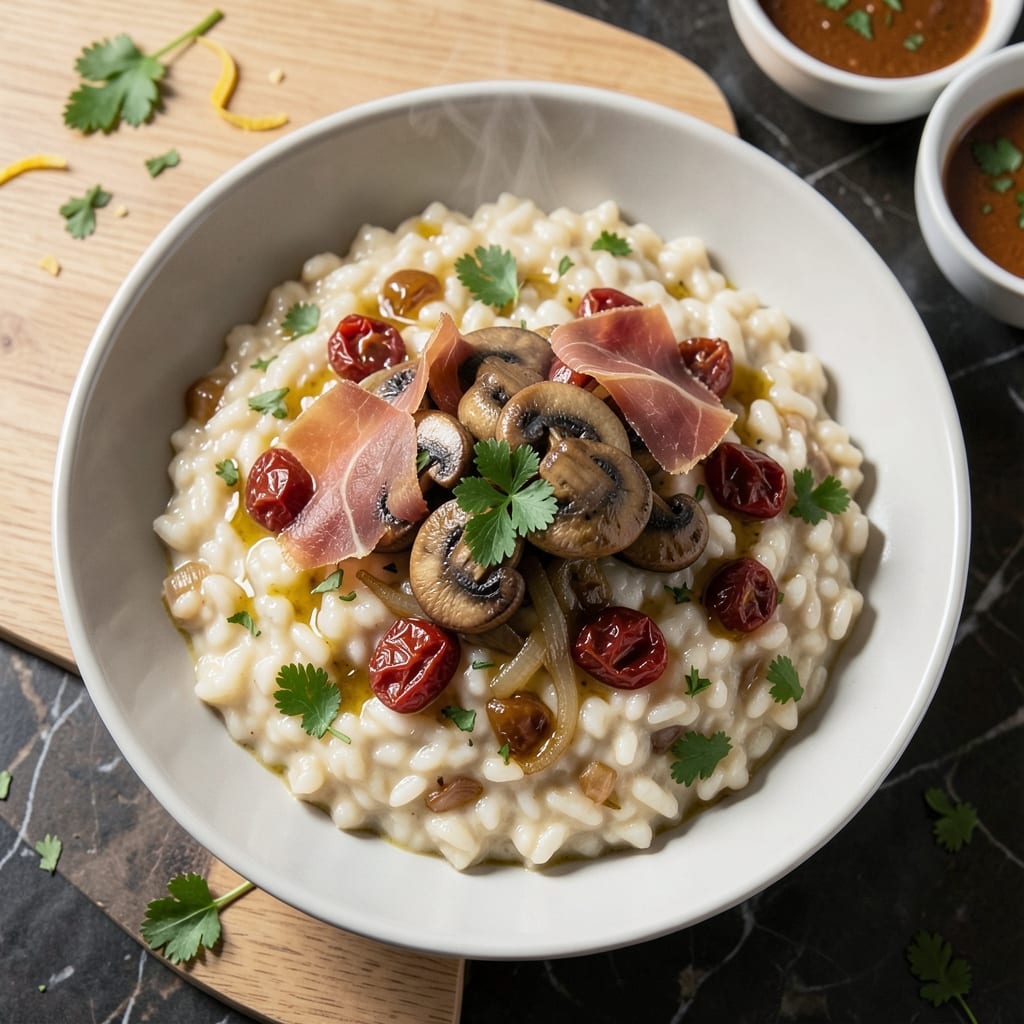
This Aroma rice cooker risotto recipe transforms your everyday appliance into a creamy, restaurant-worthy masterpiece—without constant stirring. The secret lies in precise liquid ratios, layered flavors, and leveraging the rice cooker's steam function to develop that signature velvety texture. I've perfected this method after years of testing, ensuring every grain absorbs broth perfectly while maintaining a one-pot convenience that saves both time and cleanup.
What makes this risotto truly special is how the rice cooker handles the slow, gentle cooking process. By adjusting the liquid ratios slightly and using the steam function strategically, we eliminate the need for manual stirring while still achieving that silky, al dente finish. The result? A dish that's rich, flavorful, and effortlessly impressive—ideal for weeknight dinners or special occasions when you want to impress without the fuss.
Ingredients for aroma rice cooker risotto
Nine essential ingredients transform your rice cooker into a velvety risotto maker.
| Ingredient | Amount | Notes |
|---|---|---|
| Arborio Rice 🍚 | 1 ½ cups | Unrinsed, medium-grain preferred |
| Vegetable Broth 💧 | 4 cups | Low-sodium preferred, room temperature |
| Dry White Wine 🍷 | ½ cup | Sauvignon Blanc or Pinot Grigio |
| Yellow Onion 🧅 | 1 whole | Medium size, finely diced |
| Garlic Cloves 🧄 | 4 cloves | Fresh, minced |
| Butter 🧈 | 4 tbsp | Unsalted, cold for toasting |
| Parmesan Cheese 🧀 | ½ cup | Freshly grated, aged 12+ months |
| Shallot 🧅 | 1 whole | Small, finely minced |
| Fresh Thyme 🌿 | ¼ cup | Leaves only, chopped |
| Extra-Virgin Olive Oil 🫒 | 1 tbsp | For finishing, fruity variety |
| Salt 🧂 | 1 ½ tsp | Diamond Crystal preferred |
| Black Pepper 🌶️ | ½ tsp | Freshly ground |
| Lemon Zest 🍋 | 1 tsp | From organic lemon |
The Arborio rice is non-negotiable—its high starch content creates that signature creaminess. Lundberg Family Farms or Barilla are my go-tos, but any medium-grain rice works in a pinch. For the broth, Imagine or Pacific Foods low-sodium versions are perfect—they dissolve cleanly without overpowering. The white wine should be dry and crisp; Trader Joe's or Costco's kitchen section has great budget options. Fresh thyme and shallots elevate the dish beyond basic risotto—skip the dried thyme here, it lacks the bright aroma. Always use freshly grated Parmesan; pre-shredded contains anti-caking agents that ruin the texture.
No Arborio rice? Carnaroli or Vialone Nano are premium alternatives, but jasmine rice at 1.25 cups works in a bind. Short on wine? Substitute extra broth plus 1 tsp lemon juice—the acidity mimics wine's brightness. For the shallot, extra yellow onion at half the amount does the trick, but the sweetness difference is noticeable. The butter must be cold for proper toasting—microwave it 20 seconds if needed to soften slightly. If you're missing thyme, dried oregano at 1/4 tsp adds depth, though it's not the same. The lemon zest is optional but worth it for that bright finish—zest from organic lemons has more flavor than conventional.
Store leftover risotto in an airtight container with a thin layer of olive oil on top to preserve moisture. It reheats beautifully—just add 1-2 tbsp broth and warm through. Keeps 3-4 days in the fridge or 3 months frozen. For freezer storage, cool completely before portioning into containers. The rice cooker's steam function does most of the work, but the final texture relies on proper liquid ratios—don't skimp on the broth. This method makes 4 perfect portions, but scale up easily for crowds by doubling ingredients and using a larger rice cooker.
Why You'll Love This Recipe
- No-Stir Magic: I swear, this risotto is the only one I make that doesn’t require me to stand by the stove stirring for 45 minutes. The rice cooker does all the work—just dump in the Arborio, splash in the wine, and let it go. That slow, steady heat builds the creamy texture without a single burnt bit.
- Wine-Infused Luxury: Between us, white wine in risotto isn’t just fancy—it’s necessary. The first sip of broth into that dry wine? Instant umami bomb. And since we’re using Arborio, it soaks up every drop, leaving you with that rich, velvety finish that makes regular rice feel like a sad memory.
- Weeknight to Dinner Party: Honestly, this is my go-to when I have zero energy but still want to impress. Same recipe for Tuesday takeout or Sunday guests—just add whatever’s in my fridge (roasted veggies, grilled chicken, or even leftover shrimp). The base is foolproof; the toppings make it shine.
- Leftovers That Don’t Suck: Most risotto turns to glue the next day. Not this one. The rice cooker keeps it light, and the broth ratio means it reheats like a dream—just add a splash of water and a minute of microwaving. I’ve had it cold in salads too, and it’s still better than takeout. Budget win.
Step-by-step instructions for one-pot risotto
Here's how to make creamy, restaurant-quality risotto with zero fuss in your Aroma rice cooker.
Sauté the Aromatics Until Fragrant
Start by setting your Aroma rice cooker to the sauté function. Add 2 tablespoons of the butter and 1 tablespoon of the extra-virgin olive oil to the pot. Let it melt completely over medium heat before adding the finely diced yellow onion and minced shallot. Cook for 5-6 minutes until the onions soften and become translucent.
Add the minced garlic cloves and chopped fresh thyme. Stir for 1 minute until the garlic turns golden and the thyme releases its aromatic oils. This step builds the flavor foundation—don't rush it. If the onions start to brown too quickly, reduce the heat slightly to prevent burning.
Toast the Arborio Rice
Add the 1.5 cups Arborio Rice to the pot and stir to coat the grains evenly in the butter and oil mixture. Toast the rice for 2-3 minutes until it becomes slightly translucent at the edges. This step, called "toasting," enhances the nutty flavor of the rice and prevents a gummy texture.
Here's the thing—if you skip this step, your risotto will lack depth of flavor. The rice should smell toasty and nutty by the end. Once it reaches this point, pour in the 0.5 cup dry white wine and stir until the wine is completely absorbed. This deglazes the pot and adds acidity to balance the richness.
Add Broth Gradually and Let the Rice Cooker Work Its Magic
Set your Aroma rice cooker to the rice function and add 1 cup of the room temperature vegetable broth to the pot. Stir once to distribute the broth evenly. The rice cooker will automatically maintain the proper temperature and add additional broth as needed—no stirring required.
This is where the rice cooker's magic happens. The machine will release broth in small increments, allowing the rice to absorb it gradually and develop that signature creamy texture. The process typically takes 18-22 minutes, but don't peek inside—the rice cooker does all the work for you.
Finish with Butter, Cheese, and Lemon Zest
Once the rice cooker indicates the cooking is complete, turn it off and let it sit for 2 minutes before opening. Add the remaining 2 tablespoons butter and 0.5 cup freshly grated Parmesan Cheese, stirring gently to incorporate. The residual heat will melt the butter and create a luxurious, velvety finish.
Finally, stir in the 1 teaspoon lemon zest, 1.5 teaspoons salt, and 0.5 teaspoon black pepper. The lemon zest brightens the dish, while the salt and pepper enhance all the flavors. Taste and adjust seasoning if needed—this is your chance to perfect the balance. The risotto should be creamy but not soupy, with each grain distinct yet coated in a rich sauce.
Rest and Serve Immediately
Let the risotto rest in the rice cooker for 5 minutes before serving. This resting period allows the flavors to meld and the texture to set slightly. Serve directly from the pot—no need to transfer to another dish. The creamy risotto will cling beautifully to each spoonful, delivering that perfect al dente bite.
For an extra touch, garnish each serving with an additional sprinkle of Parmesan Cheese and a few thyme leaves. This one-pot method preserves all the flavor while saving you time and cleanup. Enjoy your silky, creamy risotto without the constant stirring!
Pro Tips For Making Aroma Rice Cooker Risotto
- SOAK THE RICE FIRST: Toss Arborio rice in cold water for 10 minutes before cooking—it plumps up faster and absorbs broth more evenly in the rice cooker. I learned this the hard way when my first batch turned out gummy because the grains didn’t release starch properly.
- USE HALF THE WINE: Skip the full ½ cup of wine—start with just ¼ cup, then add another ¼ later if needed. The rice cooker’s steam is gentler than stovetop, so you’ll end up with a creamier texture without over-alcoholizing it.
- STIR EVERY 15 MINUTES: Set a timer to give the rice a quick stir halfway through cooking—this prevents sticking and lets the bottom develop that coveted crust. If you forget, just hit the "stir" button on your rice cooker’s manual setting.
- SWAP BROTH FOR STOCK: Replace 25% of the vegetable broth with homemade chicken or mushroom stock—it adds depth without altering the risotto’s creamy base. The rice cooker’s even heat makes this upgrade foolproof.
Storing and reheating this dish
Fridge Storage Tips
Transfer your risotto to an airtight container within 2 hours of cooking to preserve its creamy texture. I recommend glass Pyrex containers with snap-on lids—they maintain moisture better than plastic. Store at 40°F or below for up to 4 days, but the flavor peaks within the first 2 days. The key is to press a thin layer of extra-virgin olive oil (about 1 tablespoon) on top before sealing to prevent drying. 💛
Freezer-Friendly Method
For longer storage, cool the risotto completely before portioning into freezer-safe containers or quart-sized freezer bags. Leave 1 inch of headspace to account for expansion. Label with the date—this beauty keeps for 3 months without texture loss. When reheating, thaw overnight in the fridge, then add 2 tablespoons broth per serving and warm gently on the stove over medium-low heat for 5-7 minutes. Stir occasionally to restore creaminess.
Reheating Perfection
My go-to method is stovetop reheating because it restores that silky consistency. Place the risotto in a heavy-bottomed pot (I love my Le Creuset) and add 2-3 tablespoons vegetable broth per serving. Heat on low-medium for 8-10 minutes, stirring every 2 minutes, until it reaches 165°F internally. Avoid microwaving—it creates a rubbery texture. For extra richness, stir in 1 tablespoon butter during reheating. ✨
Texture Recovery Tricks
If your risotto seems dry after reheating, don't panic! Add 1-2 tablespoons warm broth and let it sit covered for 5 minutes to reabsorb. For extra creaminess, stir in 1 tablespoon crème fraîche or mascarpone cheese at the end. The rice cooker's steam function helps preserve texture, but reheating properly makes all the difference. I've revived even slightly dried risotto with this method—it's like bringing it back to life. 💫
Portion Control
Divide risotto into individual portions before freezing for easy grab-and-go meals. Use ramekins or small glass baking dishes—they heat evenly. When reheating, cover with a damp paper towel to prevent drying. For a restaurant-style presentation, transfer to a pre-warmed serving bowl and garnish with fresh thyme and Parmesan shavings right before serving. This keeps everything looking fresh and inviting. 🍽️
Nutrition facts
Frequently asked questions
Why does this risotto recipe work in a rice cooker?
The Aroma rice cooker's steam function and precise temperature control create the perfect slow-cooking environment for risotto. Instead of constant stirring, the machine gradually releases broth in small increments, allowing the Arborio rice to absorb liquid evenly and develop that signature creamy texture. The key is adjusting the liquid ratios slightly and using the sauté function for initial toasting—this mimics traditional stovetop methods without the fuss.
Can I make this risotto without white wine?
Replace the 0.5 cup dry white wine with 0.5 cup vegetable broth plus 1 teaspoon lemon juice. The acidity from the lemon mimics wine's brightness and helps balance the richness. For extra depth, add 1/4 teaspoon white wine vinegar to the broth mixture. The texture and flavor will still be excellent—this substitution works especially well for non-alcoholic versions.
What if my risotto turns out too dry or too soupy?
If it's too dry, add 1-2 tablespoons warm broth and let it sit covered for 5 minutes to reabsorb. For soupy risotto, simply cook it uncovered for 2-3 minutes longer on the sauté function to thicken. The rice cooker's steam helps maintain texture, but these quick fixes work wonders. For future batches, adjust the initial broth by 1/4 cup based on your rice cooker's specific steam performance.
How do I make this vegetarian or vegan?
For vegetarian, use vegetable broth and vegetarian Parmesan (like Violife). For vegan, swap the butter for olive oil or vegan butter, replace Parmesan with nutritional yeast or vegan cheese, and ensure your broth is vegan. The lemon zest and thyme keep the dish bright and flavorful. The rice cooker method works perfectly for both versions—just monitor the liquid ratios closely.
Can I add other ingredients like mushrooms or shrimp?
Yes! Sauté 8 oz sliced mushrooms or 1/2 lb shrimp with the onions until cooked through before adding the rice. For mushrooms, cook them until they release their moisture and then pat dry. Shrimp should be added in the last 5 minutes of cooking to prevent overcooking. These additions work beautifully with the rice cooker method—just adjust the broth by 1/4 cup if adding extra moisture-rich ingredients.