
Side Dishes
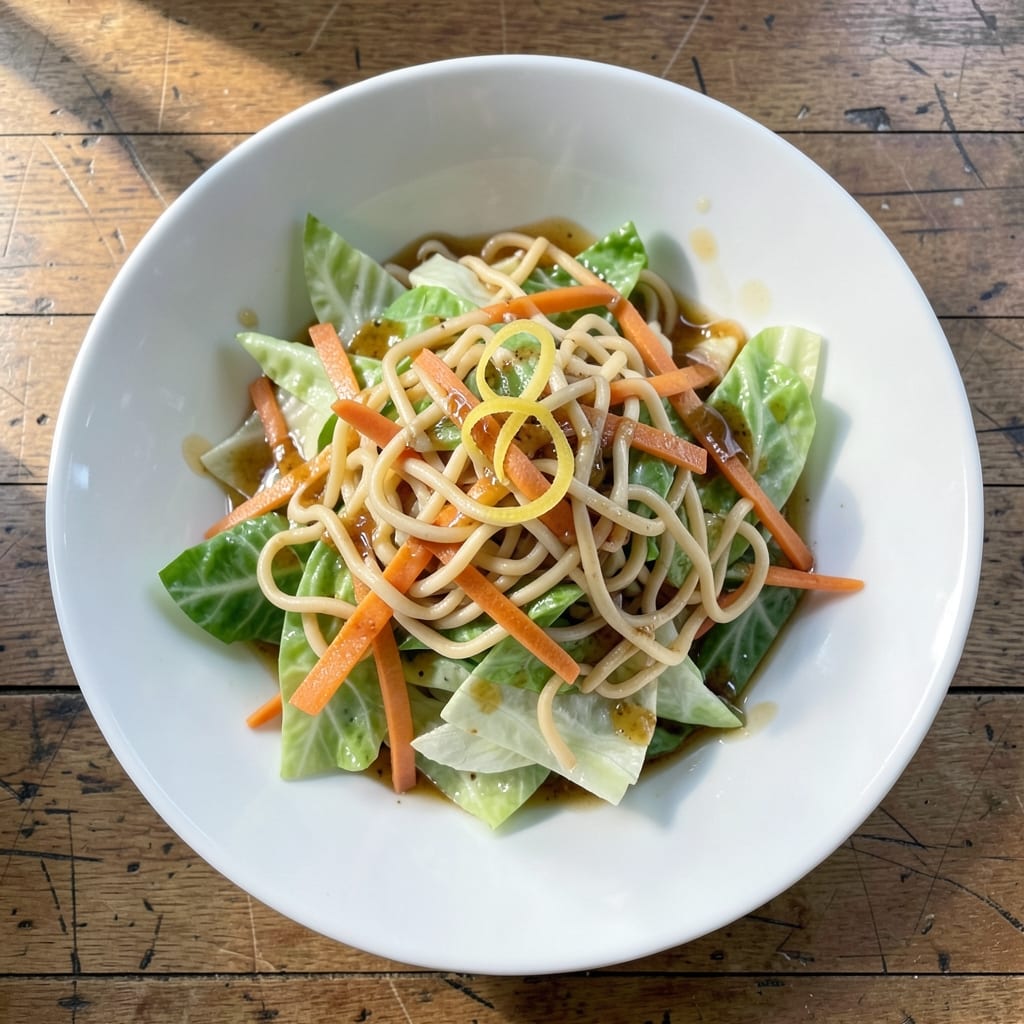
This Asian coleslaw recipe with ramen noodles and rice vinegar transforms a classic side dish into a crunchy, flavor-packed meal starter that balances fresh vegetables with chewy noodles. The secret lies in perfectly cooked ramen—rinsed to remove excess starch—tossed with a tangy-sweet dressing of rice vinegar, sesame oil, and a touch of honey. I developed this recipe after craving something lighter than traditional noodle salads but still packed with texture and bold Asian-inspired flavors.
The key to success is knife skills—julienning the cabbage and carrots into even strips ensures every bite delivers that satisfying crunch. The dressing, made with rice vinegar and a hint of chili oil, cuts through the richness of the noodles while enhancing their umami depth. For extra protein, add crispy tofu or edamame, but this dish shines just as well on its own as a refreshing side or light lunch.
What makes this coleslaw stand out is its versatility—it works as a standalone dish, a side for grilled meats, or even a topping for bowls. The noodles stay chewy (not mushy) thanks to a quick rinse after cooking, while the vegetables retain their crispness. The result? A dish that’s bright, tangy, and addictively crunchy—perfect for meal prep or last-minute gatherings.
Ready in just 20 minutes, this recipe proves you don’t need complicated techniques to create restaurant-quality flavor. The combination of fresh veggies, chewy noodles, and a zesty dressing makes it a game-changer for anyone tired of boring slaw. Let’s get started!
Ingredients for asian coleslaw recipe with ramen noodles and rice vinegar
Fresh vegetables, chewy ramen, and a zesty dressing create this vibrant Asian-inspired twist on classic coleslaw.
| Ingredient | Amount | Notes |
|---|---|---|
| Green Cabbage 🥬 | 4 cups | Julienned into thin strips |
| Carrots 🥕 | 2 medium | Julienned into thin strips |
| Ramen Noodles 🍜 | 8 oz | Uncooked, any flavor |
| Rice Vinegar 💧 | ½ cup | Unseasoned preferred |
| Sesame Oil 🫒 | 2 tbsp | Toasted for aroma |
| Honey 🍯 | 2 tbsp | Light variety preferred |
| Chili Oil 🌶️ | 1 tbsp | Adjust for heat preference |
| Sesame Seeds 🌱 | 1 tbsp | Toasted for garnish |
| Salt 🧂 | 1 tsp | Diamond Crystal preferred |
| Black Pepper 🌶️ | ½ tsp | Freshly ground preferred |
| Garlic Cloves 🧄 | 2 cloves | Minced for dressing |
| Ginger 🌿 | 1 tsp | Freshly grated |
| Lime Juice 🍋 | 1 tbsp | Freshly squeezed |
The vegetables are the foundation—green cabbage and carrots should be crisp and fresh, with no wilting or bruising. Whole Foods or local farmers markets offer the best quality, but any grocery store's produce section works if you grab them the same day. For the ramen, any flavor works, but chicken or vegetable ramen adds subtle depth. The key is rinsing the noodles immediately after cooking to remove excess starch—this keeps them chewy rather than mushy. If you're using pre-shredded cabbage, skip the bagged kind and julienne your own for better texture.
No sesame oil? Toasted peanut oil at half the amount works in a pinch, though the flavor will differ slightly. Short on honey? Maple syrup or agave nectar are perfect substitutes, though honey's floral notes are ideal here. The chili oil can be omitted entirely if you prefer a milder dish, but it adds that signature umami kick. For extra protein, crispy baked tofu or edamame pairs beautifully. The dressing ingredients should all be high-quality—rice vinegar from a dark bottle (like Kikkoman) and toasted sesame seeds elevate the dish significantly.
This coleslaw keeps well for 3-4 days in the fridge, though the noodles soften slightly over time. For best texture, store the dressing separately and toss just before serving. The vegetables will stay crisp if submerged in cold water for 10 minutes before draining. For meal prep, divide into airtight containers—single-serving portions work best to maintain crunch. The flavors actually improve after sitting for an hour, so don't hesitate to make it ahead.
Why You'll Love This Recipe
- No-Chop Nightmare: I shave the cabbage and carrots on the largest grater I own—no knife skills required. The ramen noodles? Just boil, rinse, and toss. Honestly, this is the kind of recipe that lets me zone out while the kids argue over homework.
- Umami Magic: That moment when the sesame oil hits the warm noodles and rice vinegar? The crunch of the cabbage, the chewy noodles, the tangy bite—it’s like someone took classic coleslaw and gave it a grown-up, savory twist. My picky eater even licked her plate.
- Lunchbox Hero: Pack it in jars for work or school—no soggy bottoms, just layers of flavor. I make a big batch on Sundays, and by Wednesday, it’s still holding up like a champ. The noodles stay firm, the veggies crisp, and no one complains about "boring salads" again.
- Pantry Staple Power: Green cabbage and carrots last forever, ramen’s cheap, and sesame oil? A few drops go a long way. I’ll be real: this recipe saved me during that month I ate nothing but takeout. Now it’s my go-to when I’m broke, busy, or both.
Step-by-step instructions for Asian-inspired crunchy noodle slaw
This fusion dish transforms traditional coleslaw with Asian flavors and ramen noodles for a satisfying crunch.
Prepare the Vegetable Base
Use a sharp mandoline or chef's knife to julienne the 4 cups green cabbage and 2 medium carrots into thin, even strips. The cabbage should be about ¼-inch wide for maximum crunch, while the carrots add natural sweetness. Place both in a large mixing bowl immediately after cutting to preserve their freshness and crisp texture.
Work efficiently here—julienned vegetables oxidize quickly, which can make them limp. If you notice the edges starting to soften, sprinkle with ½ teaspoon of the salt to draw out excess moisture. This step ensures your slaw maintains that satisfying crunch throughout the dish.
Cook the Ramen Noodles Al Dente
Bring a pot of water to a rolling boil and add the 8 oz ramen noodles. Cook for 2 minutes less than package instructions—typically 2 minutes for most brands—to achieve an al dente texture. Drain immediately and rinse under cold water to stop the cooking process and remove excess starch.
This quick cooking time prevents the noodles from becoming mushy when combined with the dressing. Spread them on a clean kitchen towel to dry slightly before adding to the bowl. The residual heat will finish cooking them just enough to soften slightly while maintaining their structural integrity.
Create the Signature Dressing
In a small bowl, whisk together the ½ cup rice vinegar, 2 tablespoons sesame oil, 2 tablespoons honey, 1 tablespoon chili oil, 1 tablespoon lime juice, 1 teaspoon grated ginger, and 2 minced garlic cloves. The mixture should be smooth and well-emulsified—this creates the perfect balance of tangy, sweet, and spicy flavors.
Taste and adjust seasoning with the remaining ½ teaspoon salt and ½ teaspoon black pepper if needed. The dressing should coat the back of a spoon but still allow for individual flavors to shine. If it's too thick, add 1-2 teaspoons of water to reach the ideal consistency.
Combine and Marinate the Slaw
Add the prepared dressing to the bowl with the julienned vegetables and cooked noodles. Use your hands or a large spoon to gently toss everything together until the vegetables and noodles are evenly coated. The noodles will absorb some of the dressing, so don't be surprised if it looks slightly drier than expected.
Let the slaw marinate in the refrigerator for at least 30 minutes before serving. This allows the flavors to meld together and the noodles to absorb the dressing completely. If you have time, marinate for up to 2 hours—the longer it sits, the more flavorful each bite becomes.
Garnish and Serve
Just before serving, toast the 1 tablespoon sesame seeds in a dry skillet over medium heat for 1-2 minutes until fragrant and lightly golden. Sprinkle them over the slaw along with any remaining dressing from the bowl to ensure even distribution.
Serve immediately for the best texture contrast between the crisp vegetables, al dente noodles, and creamy dressing. This dish holds up well for 2-3 hours at room temperature, making it perfect for potlucks or meal prep. Pair with grilled proteins or use as a refreshing side dish.
Pro Tips For Making Asian Coleslaw Recipe With Ramen Noodles And Rice Vinegar
- USE COLD NOODLES: Drain ramen, rinse under cold water, and spread on a tray to cool completely before tossing into the slaw. Warm noodles turn soggy fast—this keeps them crisp and holds their shape for days. (Yes, even if you’re impatient like me.)
- SHRED THE CABBAGE THIN: Cut the cabbage into ¼-inch ribbons, not chunks—thinner slices wilt less and soak up dressing better. A sharp knife and steady hand make this faster than you’d think, and the texture stays perfect for hours.
- DRESS IT JUST BEFORE EATING: Mix the rice vinegar, sesame oil, and any other dressing right before serving. Cabbage and carrots soften fast in acid, and ramen noodles get mushy if left too long. Toss, taste, and eat—no waiting.
- SALT THE CARROTS FIRST: Toss shredded carrots with ½ teaspoon salt and let sit for 10 minutes before adding to the slaw. This draws out moisture, making them sweeter and crunchier—no one notices the extra step, but the texture improves instantly.
Wine and beer pairings for this asian coleslaw recipe with ramen noodles and rice vinegar
Crisp White Wine
For this vibrant, tangy slaw, I reach for a Sauvignon Blanc from New Zealand or California—its bright acidity and citrus notes cut through the sweetness of the honey while complementing the sesame and chili. Look for wines with 12-13% ABV like Kim Crawford or Oyster Bay to balance the dish without overpowering it. The crispness mirrors the fresh vegetables perfectly. 🍷
Light Japanese Beer
A Japanese lager like Asahi Super Dry or Sapporo Premium pairs beautifully with this dish. The subtle malt sweetness and clean finish enhance the noodles' umami, while the light carbonation cleanses your palate between bites. Avoid heavy IPAs—they’ll clash with the delicate dressing. For a local option, try a crisp American pale ale with mild hop bitterness.
Sparkling Rice Wine
For a festive touch, serve with sparkling rice wine like Sake Brewers' Association's Sparkling Sake. The effervescence contrasts the dish’s chewiness, while the umami depth of sake mirrors the ramen’s flavor. Chill it to 40-45°F for optimal refreshment. This pairing feels especially elegant for dinner parties.
Non-Alcoholic Options
For a mocktail, mix sparkling water with ½ cup rice vinegar, 1 tbsp honey, and a splash of lime juice. Serve over ice with a ginger slice—it’s tangy, refreshing, and mirrors the dressing’s profile. For kids or designated drivers, this is a crowd-pleaser that won’t overshadow the dish. ✨
Nutrition facts
Frequently asked questions
Can I use regular pasta instead of ramen noodles?
You can substitute regular pasta, but ramen's unique texture and flavor work best. Try using spaghetti or linguine cooked 1 minute less than package instructions, then rinse well to remove starch. For extra authenticity, add 1 tsp sesame oil to the pasta water before cooking.
How do I keep the vegetables extra crisp?
For maximum crunch, soak the julienned cabbage and carrots in ice water for 10 minutes before draining. Pat them completely dry with a kitchen towel—any moisture will make them soggy. Also, store the dressing separately until ready to serve.
Can I make this gluten-free?
Use gluten-free ramen noodles or substitute with rice noodles cooked according to package instructions. For the dressing, ensure your sesame oil and soy sauce (if using) are certified gluten-free. The rest of the ingredients are naturally gluten-free.
What's the best way to store leftovers?
Store in an airtight container with the dressing on the side. The vegetables stay crisp for 3-4 days in the fridge. For best texture, marinate again with fresh dressing before serving. The noodles may soften slightly but remain safe to eat for up to 5 days.
Can I add protein to this dish?
Yes! Try crispy baked tofu, grilled shrimp, or edamame for extra protein. Add them after tossing the slaw and just before serving to maintain texture. For tofu, cube and bake at 400°F for 20 minutes with 1 tbsp soy sauce and 1 tsp sesame oil.