
Main Courses
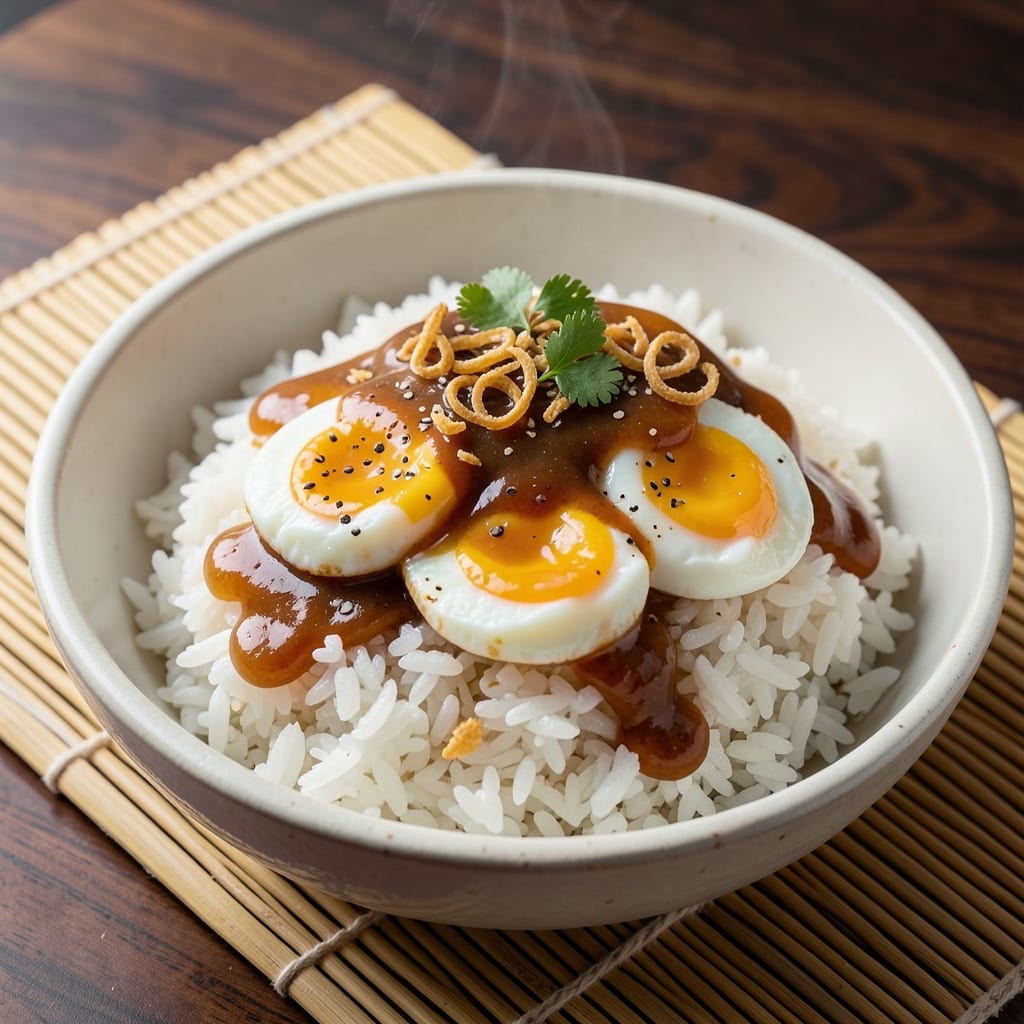
This Asian egg rice recipe transforms simple ingredients into a fragrant, comforting meal that balances silky scrambled eggs with perfectly steamed jasmine rice. The secret lies in the gentle heat of a wok or skillet, which creates that signature wok-hei aroma while keeping the eggs tender and the rice fluffy. I developed this dish after years of experimenting with Asian home cooking, and it's now my go-to for quick yet satisfying weeknight dinners.
The foundation is fragrant jasmine rice, cooked just until tender with a touch of salt to enhance its natural aroma. Meanwhile, eggs are scrambled with a splash of water or broth for extra silkiness, seasoned simply with white pepper and a hint of soy sauce. This combination delivers the perfect harmony of textures—creamy eggs paired with fluffy, fragrant rice—while keeping the preparation straightforward and accessible.
What makes this dish truly special is its versatility. Serve it as a light lunch with a side of stir-fried vegetables, or elevate it into a heartier meal by adding protein like crispy tofu or shredded chicken. Garnish with fresh green onions and a sprinkle of chili flakes for brightness and heat. The result is a restaurant-quality meal that's ready in under 30 minutes, making it ideal for busy weeknights.
This recipe also works beautifully as a base for leftovers—reheat gently to maintain the rice's texture and the eggs' creaminess. Whether you're cooking for one or feeding a family, the proportions scale easily, and the simple technique ensures consistent results every time. Let's get started on creating this comforting classic.
Ingredients for asian egg rice
Jasmine rice, eggs, and simple seasonings create this comforting Asian-inspired dish.
| Ingredient | Amount | Notes |
|---|---|---|
| Jasmine Rice 🍚 | 1 ½ cups | Uncooked, long-grain preferred |
| Large Eggs 🥚 | 4 whole | Room temperature for even cooking |
| Water 💧 | 1 ½ cups | For rice cooking |
| Soy Sauce 🍶 | 1 tbsp | Light or regular, not reduced |
| White Pepper 🌶️ | ¼ tsp | Freshly ground preferred |
| Salt 🧂 | ½ tsp | Kosher or sea salt |
| Vegetable Oil 🫒 | 1 tbsp | Neutral flavor, high smoke point |
| Chicken Broth 🥫 | 2 tbsp | Low-sodium preferred |
| Green Onions 🧅 | 3 whole | Thinly sliced, for garnish |
| Red Chili Flakes 🌶️ | ½ tsp | Adjust to taste |
| Sesame Oil 🫒 | ½ tsp | Toasted, for finishing |
Jasmine rice is the heart of this recipe—look for bags labeled 'fragrant' or 'scented' at Asian markets or the international aisle of most supermarkets. Lotus or Mahan brands are reliable choices. The rice should be uncooked and unwashed when you measure it; those little specks of rice flour on the bag are good—they indicate freshness. For the eggs, room temperature makes all the difference in achieving that silky texture. Crack them into a bowl first, then gently whisk with a fork to avoid overmixing. White pepper is key here—it's milder than black and won't overpower the delicate flavors.
No soy sauce? Coconut aminos work in a pinch, though the flavor will be slightly different. Short on green onions? Substitute scallions or even chives if that's what you have, but they'll have a milder flavor. The chicken broth can be swapped for water or vegetable broth, though the latter adds more depth. For a vegetarian version, use vegetable broth and ensure your soy sauce is gluten-free if needed. The sesame oil is purely for aroma—don't skip it, but if you're avoiding sesame, toasted peanut oil at half the amount gives a similar nutty note. Fresh chili flakes are best, but dried works in a bind.
Cooked rice reheats beautifully—just add a splash of water and cover until warmed through. Store leftovers in an airtight container for up to 4 days in the fridge, or freeze for 3 months in a sealed container. For extra fragrance, place a bay leaf or cinnamon stick in the rice pot while cooking. Garnish with green onions and chili flakes right before serving to keep everything vibrant. This dish tastes even better the next day as the flavors meld together.
Why You'll Love This Recipe
- Here’s what sold me: this keeps perfectly for days. Pack it cold for work, reheat it in 90 seconds, and it’s still got that satisfying texture. My kids actually eat it for school lunches—no weird requests for "something else." And between us? It’s cheaper than takeout and healthier.
- I’ll be real: this recipe is my secret weapon when I’m broke or lazy—or both. Five ingredients, one pot, and it’s done. The jasmine rice stays fluffy, the eggs add richness, and the soy sauce ties it all together. It’s the kind of meal that makes me wonder why I ever cooked anything complicated.
Step-by-step instructions for fragrant Asian egg rice
Here's how to create perfectly balanced jasmine rice with silky scrambled eggs—fluffy, fragrant, and ready in minutes.
Prepare the Jasmine Rice for Perfect Texture
Rinse the 1.5 cups jasmine rice under cold water in a fine-mesh strainer until the water runs clear. This removes excess starch that would make the rice gummy. Drain well and transfer to a medium saucepan. Add the 1.5 cups water, 1 tbsp soy sauce, 0.5 tsp salt, and 2 tbsp chicken broth. Stir once gently to distribute seasonings evenly.
Bring to a boil over medium-high heat, then immediately reduce to low heat, cover tightly with a lid, and cook for 15 minutes. Avoid lifting the lid during cooking—steam escape causes uneven texture. After 15 minutes, turn off the heat and let the rice steam undisturbed for 10 minutes. The residual heat finishes cooking while keeping grains separate and fluffy.
Scramble the Eggs Silky-Smooth
While the rice steams, heat 1 tbsp vegetable oil in a nonstick skillet over low heat. Crack the 4 whole large eggs into a bowl, add 0.25 tsp white pepper and 0.5 tsp red chili flakes, then whisk vigorously until fully combined. The pepper adds subtle warmth while the chili flakes introduce just enough heat to complement the dish.
Pour the egg mixture into the skillet and let it sit undisturbed for 10 seconds—this allows the bottom to set slightly before gently pushing the eggs with a spatula from one side to the other. Keep the heat at low to prevent rubbery eggs. Continue stirring in small motions until the eggs reach a soft, custard-like consistency with no visible liquid. Remove from heat immediately to preserve the silky texture.
Combine and Finish with Aromatics
Transfer the scrambled eggs to the rice, using a spatula to gently fold them in. The residual heat from the rice will help distribute the eggs evenly. Sprinkle the 3 whole green onions, thinly sliced, over the top. Drizzle with 0.5 tsp sesame oil and toss lightly to coat. The sesame oil adds a nutty aroma that ties all the flavors together.
Let the dish rest for 2 minutes before serving. This allows the eggs to absorb any remaining moisture from the rice, ensuring each bite is cohesive. Garnish with additional green onion slices if desired. Serve immediately while the eggs remain creamy and the rice stays fragrant.
Pro Tips For Making Asian Egg Rice
- STIR THE EGGS FAST: Crack those eggs into a hot, oiled pan and scramble them aggressively on medium-high heat for about 20 seconds—just until they’re almost set but still slightly runny. The residual heat will finish them perfectly while keeping the rice underneath warm, not soggy. I used to let them cook too slow, and the eggs turned out dry and rubbery.
- USE COLD RICE: Let your jasmine rice cool completely before mixing it with the eggs and soy sauce. Cold rice absorbs the egg mixture better and stays fluffy instead of turning mushy. I learned this the hard way after serving a sad, sticky pile—now I just spread the rice on a tray to cool for 10 minutes.
- SALT THE WATER: Add a pinch of salt (about ¼ teaspoon) to the water when cooking the rice—it’s subtle but makes the grains taste brighter and less bland. Skip this, and the soy sauce will feel like it’s fighting for flavor. My grandmother swore by this, and she was right: the rice just holds seasoning better.
- TOAST THE RICE FIRST: Before adding water, dry-toast the uncooked jasmine rice in the pot over medium heat for 2 minutes—you’ll smell the grains pop. This step locks in aroma and prevents the rice from turning gummy when mixed with eggs later. Sounds weird, but it works: the texture stays light and separate.
Health benefits of this recipe
Protein-Packed Balance
This dish delivers a complete protein combination with 4 large eggs providing 24 grams of protein per serving, while jasmine rice adds 4 grams of protein per cup. Eggs are one of nature's most bioavailable protein sources, containing all nine essential amino acids your body needs. The addition of soy sauce introduces a small amount of plant-based protein, making this a well-rounded meal that supports muscle maintenance and repair. 🥚
Complex Carbohydrates
Jasmine rice serves as an excellent source of complex carbohydrates, providing sustained energy through its fiber-rich structure. The 1.5 cups uncooked rice yields about 160 calories per serving with 35 grams of carbohydrates, including 1.5 grams of fiber. This slow-digesting carbohydrate helps stabilize blood sugar levels, making it ideal for breakfast or lunch. The rice's natural fragrance also comes from its slightly higher fat content compared to white rice, adding to its satisfying texture.
Healthy Fats
The eggs and sesame oil contribute heart-healthy fats to this dish. Each egg contains about 5 grams of fat, including 1.5 grams of monounsaturated fats and 1.5 grams of polyunsaturated fats. The 0.5 tsp sesame oil adds 2 grams of fat per serving, primarily polyunsaturated fats and vitamin E. These fats support brain function and help reduce inflammation in the body. The low heat used in cooking preserves these beneficial fats better than high-heat methods.
Rich in Micronutrients
This recipe is packed with essential vitamins and minerals. Eggs provide choline (important for brain health), vitamin B12 (crucial for nerve function), and selenium (a powerful antioxidant). Jasmine rice contributes manganese (supports bone health) and magnesium (aids muscle and nerve function). The green onions add vitamin K and vitamin A, while the white pepper contains manganese and copper. Together, these nutrients create a nutrient-dense meal that supports overall health. 💪
Low-Calorie Comfort
Despite being satisfying and flavorful, this dish remains relatively light on calories—about 350 calories per serving. The combination of protein, complex carbs, and healthy fats creates a balanced meal that keeps you full without excessive calories. The soy sauce and sesame oil add minimal calories while enhancing flavor, making this a great option for those watching their calorie intake. The dish's simplicity also makes it easy to adjust portion sizes to fit individual dietary needs.
Digestive Benefits
The gentle cooking methods used in this recipe preserve digestive benefits. Jasmine rice is easily digestible and gentle on the stomach, while eggs provide choline which supports liver function and digestion. The addition of green onions introduces fiber and prebiotic compounds that promote gut health. For added digestive support, consider serving with a side of steamed vegetables or fermented foods like kimchi, which further enhance the meal's probiotic benefits. 🌱
Nutrition facts
Frequently asked questions
Can I use regular white rice instead of jasmine rice?
You can substitute white rice, but you'll lose the signature fragrant aroma that makes this dish special. For best results, use a long-grain white rice and add 1 tsp toasted sesame seeds to the rice pot while cooking to mimic jasmine's natural scent. The texture will be slightly less sticky, but the dish will still taste delicious.
How do I make this recipe vegetarian?
This dish is already vegetarian-friendly! Simply ensure your soy sauce is plant-based and use vegetable broth instead of chicken broth. For extra protein, stir-fry tofu cubes or add sautéed mushrooms before combining with the rice. The eggs provide plenty of protein, but these additions make it even more satisfying.
Why did my eggs turn out rubbery?
Rubbery eggs usually mean the heat was too high or you stirred too much. For silky eggs, keep the heat at low and stir only until the eggs are just set. Let them sit undisturbed for 10 seconds after pouring into the pan to set the bottom before gently pushing with a spatula. Remove from heat immediately when they reach a soft consistency.
Can I make this ahead of time?
Yes! Cook the rice and eggs separately, then store them in airtight containers in the fridge for up to 3 days. When ready to serve, gently reheat the rice with a splash of water and the eggs in a skillet over low heat. Combine and finish with fresh green onions and sesame oil. The flavors will actually meld better overnight!
What's the best way to serve this dish?
This egg rice makes a complete meal on its own, but you can elevate it with simple sides. Try steamed bok choy, quick-pickled cucumbers, or a simple miso soup. For extra protein, serve with crispy fried shallots or a side of grilled fish. Garnish with extra chili flakes and lime wedges for brightness.