
Main Courses
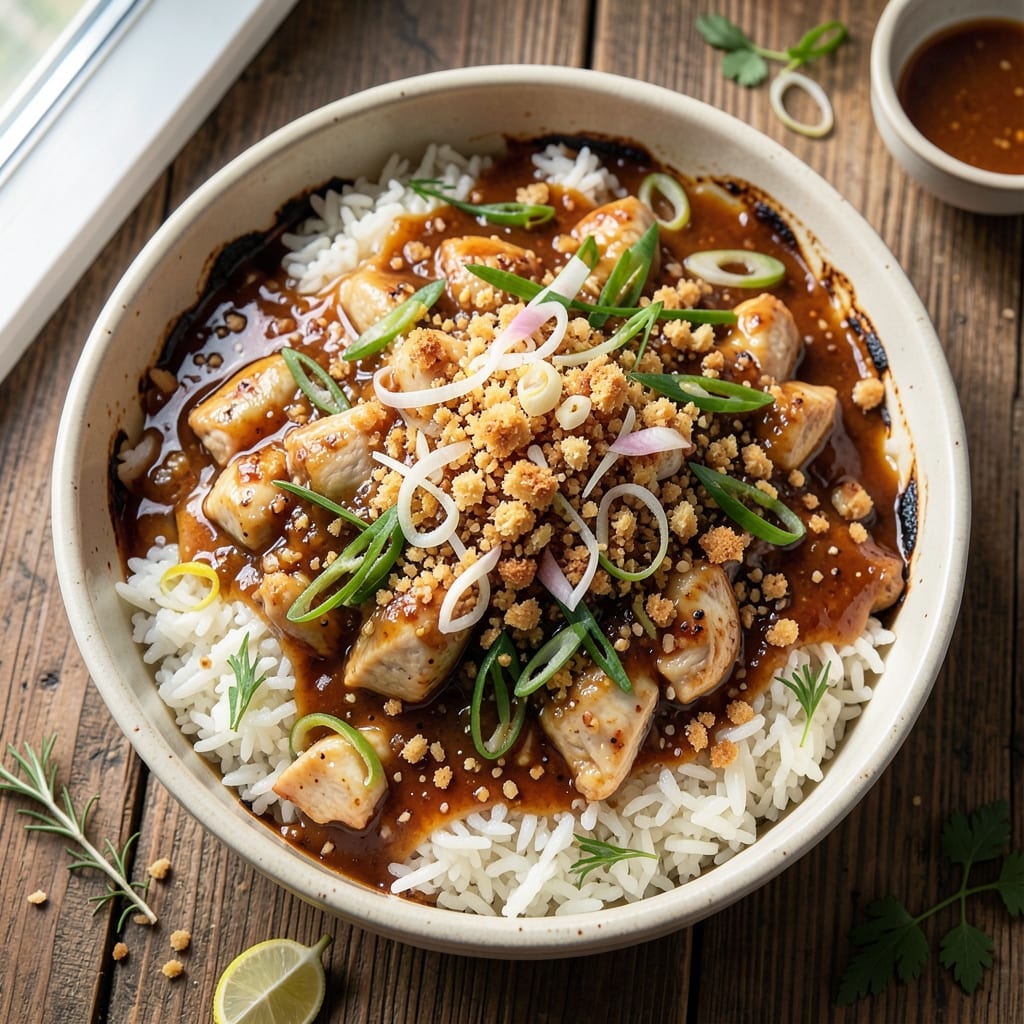
This Asian rice casserole recipe delivers crispy-topped comfort with layers of umami depth that transform ordinary rice into a restaurant-worthy centerpiece. The secret lies in perfectly balanced flavors—savory soy, aromatic ginger, and subtle garlic—all baked into a golden crust that crackles with every bite. I developed this version after years of testing, ensuring the rice stays tender while the topping achieves that irresistible crunch.
What sets this dish apart is the foolproof technique for achieving both texture and flavor harmony. A crispy panko-egg topping locks in moisture while creating the signature crackly finish, while the rice base absorbs a rich soy-ginger sauce that infuses every grain. The result? A one-dish meal that's equally impressive for family dinners or holiday gatherings, with room to customize proteins and vegetables to your preference.
Ingredients for asian rice casserole
Jasmine rice, soy sauce, and ginger create the aromatic foundation for this restaurant-style casserole.
| Ingredient | Amount | Notes |
|---|---|---|
| Jasmine Rice 🍚 | 2 ½ cups | Uncooked, long-grain preferred |
| Chicken Broth 💧 | 2 ½ cups | Low-sodium preferred |
| Soy Sauce 🍶 | ½ cup | High-quality, preferably Japanese |
| Fresh Ginger 🌿 | 2 tbsp | Finely grated, aromatic |
| Garlic Cloves 🧄 | 4 cloves | Minced, fresh preferred |
| Panko Breadcrumbs 🍞 | 1 cup | Japanese-style, for crispiness |
| Large Eggs 🥚 | 2 whole | Room temperature, beaten |
| Green Onions 🧅 | ¼ cup | Sliced, for garnish |
| Sesame Oil 🫒 | 1 tbsp | Toasted, for aroma |
| Olive Oil 🫒 | 2 tbsp | Extra-virgin, for drizzling |
| Diamond Crystal Kosher Salt 🧂 | 1 ½ tsp | For seasoning, adjust to taste |
| Ground Black Pepper 🌶️ | ½ tsp | Freshly ground, for heat |
| Optional Protein 🍗 | 1 ½ lb | Chicken breast or shrimp, diced |
| Optional Vegetable 🧅 | 2 cups | Bell peppers or snap peas, chopped |
The jasmine rice is the heart of this dish—its delicate floral notes pair perfectly with the umami-rich soy sauce. Use uncooked, long-grain jasmine rice for the best texture, and avoid pre-cooked or instant varieties, which can yield inconsistent results. For the soy sauce, invest in a high-quality Japanese brand like Kikkoman or Hondashi—the deeper flavor profile elevates the entire dish. Fresh ginger is non-negotiable here; its aromatic compounds mellow beautifully when baked, but pre-grated ginger loses potency quickly. Buy a small knob at the grocery store and grate it yourself for the best results. The garlic should be fresh and minced finely to distribute evenly throughout the rice. If you're short on time, pre-minced garlic from a jar works in a pinch, though it lacks the same depth of flavor.
No soy sauce? Coconut aminos or tamari provide a similar umami punch, though the color will differ slightly. Running low on panko? Crushed cornflakes or seasoned breadcrumbs create a crispy topping, though Japanese-style panko offers that signature crunch. The optional protein and vegetables are where you can customize—swap in shrimp for seafood lovers or mushrooms for a vegetarian twist. For the sesame oil, use toasted (not regular) for a richer, nuttier aroma that carries through the dish. If you're adding vegetables, bell peppers or snap peas hold up well to baking, but avoid leafy greens, which will wilt. The olive oil serves as a neutral base for sautéing aromatics before mixing into the rice.
This casserole tastes even better the next day as flavors meld, so make a double batch if you're feeding a crowd. Store leftovers in an airtight container in the fridge for up to 4 days, or freeze for 3 months by portioning into individual servings. To reheat, cover with foil and warm at 350°F for 20 minutes—the topping will crisp up again under the broiler for 2-3 minutes if desired. For meal prep, assemble the dish ahead of time and bake it fresh when ready to serve; the flavors develop beautifully during the baking process, making it ideal for holiday gatherings or family dinners where timing is flexible.
Why You'll Love This Recipe
- One-Pan Magic: I swear by this when I’m too tired to scrub pots—just toss the rice, broth, and aromatics in one dish, cover it, and let the oven do the work. No chopping, no stirring, no stress.
- Ginger-Garlic Punch: That fresh ginger and minced garlic? They turn this from dry rice to ridiculously good—warm, fragrant, and with just enough umami from the soy sauce to make it sing. Honestly, my husband licks the plate.
- Meal Prep MVP: Make a big batch on Sunday, and you’ve got lunch covered all week. The flavors deepen overnight, and it reheats like a dream—no soggy rice here. (Yes, even on a Tuesday night.)
- Budget-Friendly Feast: Jasmine rice and chicken broth won’t break the bank, but it feels like a fancy takeout dish. I’ve fed six people for under $15, and no one complains—because it’s actually satisfying, not just filling.
Step-by-step instructions for Asian rice casserole
This method delivers a perfect balance of crispy golden crust and tender, flavorful rice every time.
Prepare the Umami Rice Base
In a large skillet, heat the 2 tablespoons olive oil over medium heat. Add the 2 tablespoons finely grated fresh ginger and 4 minced garlic cloves, cooking for 1-2 minutes until fragrant but not browned. This aromatic foundation is crucial for building flavor depth.
Add the 2.5 cups jasmine rice, stirring to coat in the ginger-garlic oil for 30 seconds. Immediately pour in the 2.5 cups chicken broth and 0.5 cup soy sauce, bringing to a gentle simmer. Reduce heat to low and cover the skillet. Cook for 15 minutes, stirring once halfway through, until the liquid is completely absorbed and the rice is tender but slightly underdone. The rice should still have a slight bite—it will finish cooking in the oven.
Assemble the Casserole Layers
Preheat your oven to 375°F and grease a 9x13-inch baking dish with 1 tablespoon sesame oil. Spread the cooked rice evenly across the bottom of the dish, creating a flat, even layer. This ensures even cooking and prevents a soggy bottom.
If using the 1.5 lb optional protein (chicken breast or shrimp) and 2 cups optional vegetable (bell peppers or snap peas), distribute them evenly over the rice. For best results, I recommend using diced chicken breast or shrimp that's been lightly seared in a separate pan beforehand. This adds texture contrast and prevents the protein from overcooking during the casserole's final bake.
Create the Crispy Topping Mixture
In a medium bowl, whisk together the 2 whole large eggs until fully combined. Add the 1 cup panko breadcrumbs, 1.5 teaspoons kosher salt, and 0.5 teaspoon ground black pepper, mixing until evenly distributed. The panko should be fully coated in the egg mixture—this creates the crispy crust we're after.
Spread this topping mixture evenly over the rice layer, pressing down gently with the back of a spoon. The topping should be about ¼-inch thick—this ensures maximum crispiness without overwhelming the rice underneath. For extra flavor, sprinkle the 0.25 cup sliced green onions evenly over the top.
Bake to Golden Perfection
Transfer the baking dish to the preheated oven and bake for 25-30 minutes until the topping is deep golden brown and crispy. The internal temperature should reach 205°F when measured in the center of the rice. This higher temperature ensures the rice finishes cooking while developing that coveted crispy crust.
I recommend checking the casserole at the 20-minute mark—every oven runs slightly differently. If the edges brown too quickly, tent loosely with aluminum foil to prevent over-browning while the center finishes cooking. The casserole is done when the rice is tender, the protein is fully cooked (if using), and the topping is crispy enough to stand up to a spoon.
Rest and Serve for Maximum Comfort
Remove the casserole from the oven and let it rest for 5-10 minutes before serving. This resting period allows the juices to redistribute throughout the rice, ensuring each bite is moist and flavorful. The crispy topping will maintain its texture during this time, providing that satisfying contrast with every forkful.
Slice into 6 equal portions and serve immediately. The casserole should have a crispy, golden-brown crust on top, tender jasmine rice in the center, and umami-rich flavors throughout. For an extra touch, drizzle with a little more sesame oil before serving to enhance the aromatic profile. This dish delivers on both comfort and that essential crispy texture promised in the title.
Pro Tips For Making Asian Rice Casserole
- Toast the Rice First: Jasmine rice sticks together like glue if you skip this—toss the uncooked rice in a dry pan over medium heat for 2-3 minutes until lightly golden and fragrant. It toasts the starches and keeps the casserole from turning into a single, sad block.
- Grate Ginger Like a Pro: Use a microplane, not a knife, for the ginger—it releases more flavor and blends better into the broth without chunks. If you’re short on time, freeze the ginger for 10 minutes first; it grates faster and finer.
- Simmer, Don’t Boil: If your casserole starts bubbling violently, lower the heat immediately. Boiling turns the rice mushy and washes out the soy sauce’s depth. A gentle simmer (small bubbles, occasional swirls) keeps the grains intact and the sauce rich.
- Add Soy Sauce Late: Pour half the soy sauce at the start, but reserve the rest to fold in during the last 5 minutes of cooking. This prevents over-salting and lets the umami bloom at the right moment—just like a good marinade. (Yes, even if you’re impatient like me.)
Regional styles of this dish
Japanese Home-Style
This version keeps it simple with a miso-white rice base instead of jasmine, using 2 tablespoons white miso paste mixed into the broth. Add ½ cup finely chopped shiitake mushrooms and 1 tablespoon mirin> to the ginger-garlic oil before coating the rice. Top with a mix of panko and furikake seasoning> (available at Asian markets) for that classic Japanese comfort feel. The miso adds depth without overpowering the crispy panko crust.
Thai Green Curry Twist
Infuse the rice with Thai flavors by sautéing 2 tablespoons green curry paste> (like Maesri) with the ginger and garlic. Stir in 1 cup coconut milk> along with the broth and soy sauce. Fold in 1 cup chopped Thai basil> and ½ cup red bell peppers> before baking. For the topping, mix panko with 1 tablespoon crushed peanuts> and a pinch of chili flakes> for a nutty, spicy crunch. Garnish with fresh basil and lime wedges.
Korean Bibimbap Fusion
Cook the rice in a mix of 2 cups chicken broth> and ¼ cup gochujang> (Korean chili paste) for a spicy-sweet base. Stir in 1 tablespoon toasted sesame seeds> and 2 tablespoons chopped scallions> before assembling. Top with a layer of kimchi> (about 1 cup chopped>) and a protein like bulgogi-marinated beef>. Use a topping of panko mixed with 1 tablespoon melted butter> and 1 teaspoon sugar> for a caramelized finish. Serve with a fried egg on top for authenticity.
Vietnamese Lemongrass Adaptation
Sauté 2 stalks chopped lemongrass> with the ginger and garlic for an aromatic kick. Use 2 cups fish stock> instead of chicken broth and add 1 tablespoon fish sauce> to the soy sauce. Fold in ½ cup chopped cilantro> and 1 cup shredded carrots> before baking. For the topping, mix panko with 1 tablespoon crushed peanuts> and 1 teaspoon sugar>. Garnish with extra cilantro and serve with a side of nuoc cham dipping sauce> for dipping.
Filipino Adobo Rice Casserole
Replace the soy sauce with ½ cup coconut vinegar> and ¼ cup soy sauce>, then add 2 tablespoons soy sauce> and 1 tablespoon brown sugar> to the broth. Use chicken thighs> instead of breast for richer flavor. Top with a mix of panko and crushed cornflakes>, then sprinkle with 1 tablespoon toasted sesame seeds> and ½ teaspoon black pepper>. The vinegar gives this version a tangy, caramelized depth that pairs perfectly with the crispy topping.
Chinese Five-Spice Crisp
Add 1 teaspoon Chinese five-spice powder> to the ginger-garlic oil before coating the rice. Use 1 cup chicken broth> and ¼ cup hoisin sauce> instead of soy sauce. For the topping, mix panko with 1 tablespoon melted butter>, 1 teaspoon sugar>, and ½ teaspoon five-spice powder>. Garnish with sliced scallions> and a drizzle of chili oil**> for a bold, aromatic finish. This version balances sweet, spicy, and nutty flavors in every bite.
Nutrition facts
Frequently asked questions
Can I make this casserole vegetarian?
Replace the chicken with 1.5 lbs firm tofu or 1 cup chickpeas for protein. Use mushrooms, bell peppers, and snap peas as your vegetable base, and boost umami with 1 tablespoon vegetarian fish sauce or 1 teaspoon mushroom powder. The crispy topping will still shine with these plant-based swaps!
Why is my rice casserole soggy instead of crispy?
Soggy results usually happen when the topping doesn't get enough oven time or the rice overcooks. First, ensure your oven is properly preheated to 375°F. Bake uncovered for the full 25-30 minutes until the topping is deep golden brown. If needed, broil for 1-2 minutes at the end for extra crispiness. Also, avoid opening the oven door early—this lets heat escape and can make the topping steam instead of crisp.
How can I make this ahead of time?
This casserole actually tastes better the next day! Assemble it completely (including the crispy topping) and refrigerate uncovered for up to 24 hours before baking. When ready to serve, bake at 375°F for 30-35 minutes (covered for the first 20 minutes, then uncovered). For freezing, bake fully, cool completely, wrap tightly in foil, and freeze for up to 3 months. Reheat covered at 350°F for 20 minutes, then broil for 2 minutes to restore crispiness.
What's the best way to reheat leftovers?
Leftovers lose crispiness when reheated, but you can restore it! Cover with foil and warm at 350°F for 15-20 minutes, then uncover and broil for 2-3 minutes until the topping is golden again. For microwave reheating, cover loosely with a damp paper towel and heat in 30-second intervals until warmed through. The topping won't be as crispy, but the rice will still be flavorful.
Can I use instant rice instead of jasmine?
While possible, instant rice won't give the same texture or flavor depth. Jasmine rice's delicate floral notes and firm texture are key to this dish. If you must use instant rice, reduce the cooking time by half (about 7-8 minutes in the skillet) and increase the oven baking time by 5 minutes to ensure it's fully tender. The result will be softer but still delicious—just not as authentic!