
Soups & Stews
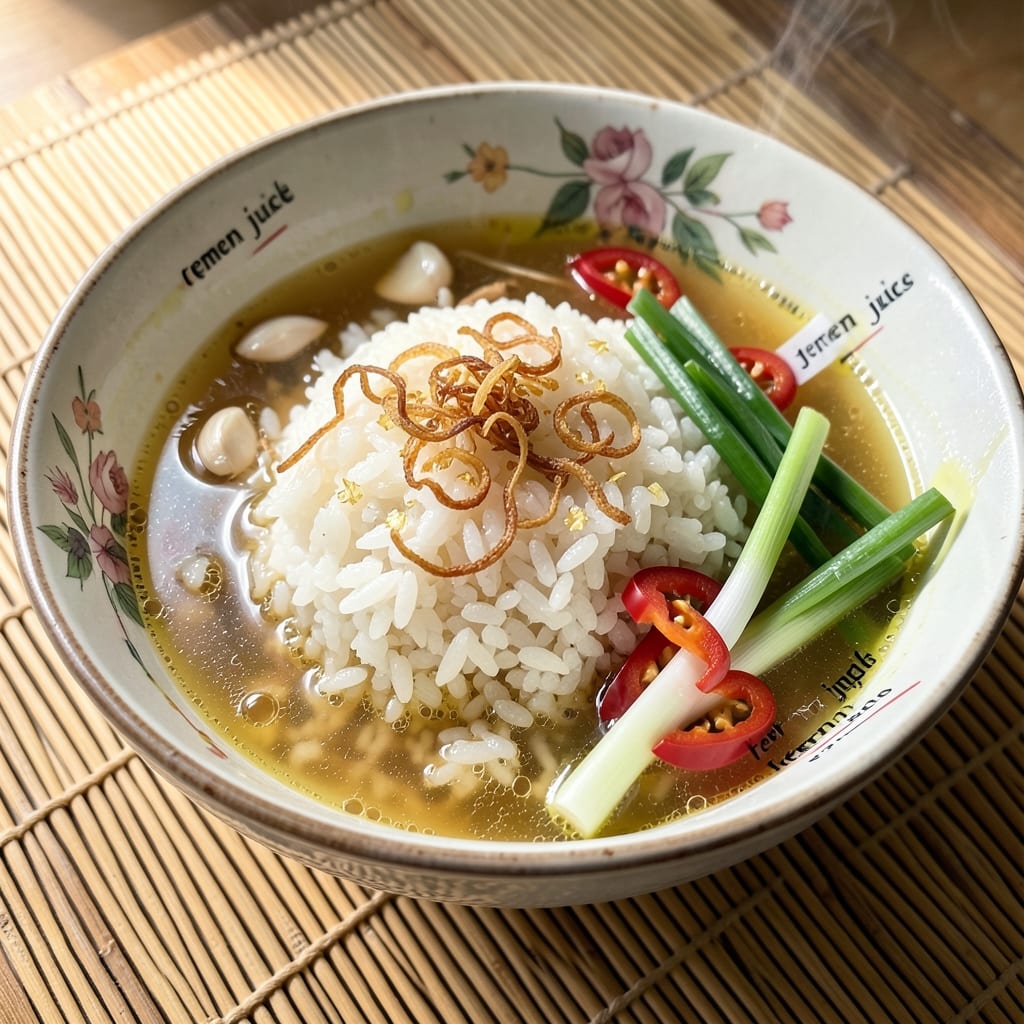
This Asian rice soup recipe transforms simple ingredients into a fragrant, comforting bowl of warmth in just 20 minutes. The secret lies in balancing ginger’s sharp kick with bright lemon, creating a broth so aromatic it’ll have everyone asking for seconds. I developed this version after years of testing—it’s the perfect blend of tradition and convenience, with no complicated techniques required.
The result is a silky, golden soup where tender rice absorbs the broth’s fragrant notes while remaining perfectly chewy. Garnished with fresh herbs and a sprinkle of sesame seeds, it’s restaurant-quality without the fuss. Whether you’re craving a light lunch or a cozy dinner, this recipe delivers depth and satisfaction in every spoonful.
Ingredients for asian rice soup
Jasmine rice, fragrant ginger, and bright lemon juice create this aromatic Asian rice soup's signature flavor.
| Ingredient | Amount | Notes |
|---|---|---|
| Jasmine Rice 🍚 | 1 cup | Uncooked, long-grain preferred |
| Fresh Ginger Root 🧄 | 2 tbsp | Finely grated, aromatic |
| Lemon Juice 🍋 | 1 tbsp | Freshly squeezed, bright |
| Chicken or Vegetable Broth 💧 | 4 cups | Low-sodium preferred |
| Green Onions 🧅 | 3 whole | White and green parts separated |
| Garlic Cloves 🧄 | 3 cloves | Minced, aromatic |
| Sesame Oil 🫒 | 1 tbsp | Toasted, for aroma |
| Sesame Seeds 🌾 | 1 tbsp | Toasted, for garnish |
| Fresh Cilantro 🌿 | ¼ cup | Chopped, for garnish |
| Fish Sauce 🍜 | 1 tsp | Umami depth, optional |
| Soy Sauce 🥢 | 1 tbsp | Light or dark preferred |
| Honey 🍯 | 1 tbsp | For subtle sweetness |
| Kosher Salt 🧂 | ½ tsp | Diamond Crystal preferred |
| Black Pepper 🌶️ | ¼ tsp | Freshly ground |
The ginger is non-negotiable—fresh, organic ginger root from the produce section at Whole Foods or Asian markets delivers the most vibrant flavor. Look for firm, blemish-free root with tight skin; the fresher, the better. Grate it yourself—pre-grated ginger loses potency quickly. For the jasmine rice, Lotus Brand or Calrose varieties are ideal—they absorb broth beautifully without turning mushy. If you can't find jasmine, brown rice works in a pinch, though the texture will differ slightly. The green onions should be crisp; trim the white parts for the broth and chop the greens for garnish.
No fish sauce? Soy sauce alone works, though you'll lose some umami depth. Vegetable broth is a must for a vegetarian version—Imagine or Pacific Foods brands are excellent choices. The sesame oil should be toasted, not the raw kind—Kadoya or La Choy are reliable brands. Substitute avocado oil if needed, but toast it lightly first to mimic the nutty aroma. Honey can be swapped for maple syrup or agave nectar, though honey adds a subtle floral note. For extra brightness, add a pinch of red pepper flakes if you enjoy heat.
This soup tastes even better the next day as flavors meld. Store in an airtight container in the fridge for up to 5 days—the rice softens further, absorbing more of the fragrant broth. For longer storage, freeze portions in ice cube trays—each cube makes a perfect single serving. Reheat gently on the stove with a splash of water to restore creaminess. Garnish fresh each time with cilantro and sesame seeds to preserve their vibrant colors and flavors.
Why You'll Love This Recipe
- No-Fuss Simmer: I swear by this—just toss in jasmine rice, broth, and ginger while I chop veggies for dinner. The rice soaks up the broth like a sponge, so no stirring or babysitting required. Honestly, the hardest part is waiting for the green onions to crisp up.
- Bright & Balanced: That lemon juice twist? It’s the secret weapon. The ginger gives it warmth, the broth keeps it rich, and the lemon cuts through—like a little sunshine in a bowl. My picky eaters actually finish theirs, and that’s saying something.
- Meal Prep MVP: Make a big batch on Sunday, and you’ve got lunch for days. The flavors only get better as it sits, and reheating is a no-brainer—just add a splash of water or broth. Between us, this is my go-to when I’m too tired to cook but still want something hearty.
- Budget-Friendly Luxury: Jasmine rice is cheap, broth is cheap, and ginger lasts forever. I’ve made this for under $2 a serving, yet it feels like a fancy restaurant dish. Plus, leftovers taste just as good cold the next day—perfect for packed lunches or lazy afternoons.
Step-by-step instructions for fragrant Asian rice soup
This method delivers perfectly balanced flavors with tender rice and aromatic broth in record time.
Prepare the Aromatic Base
In a medium saucepan, combine the 4 cups chicken or vegetable broth with the 2 tablespoons finely grated fresh ginger root and 3 cloves minced garlic cloves. Bring to a gentle simmer over medium-high heat until small bubbles form around the edges. The broth should smell vibrant and fresh—this is your flavor foundation.
While the broth heats, separate the 3 whole green onions into white and green parts. The white portions will cook in the broth, while the greens will be reserved for garnish. Add the white onion portions to the simmering broth along with the 1 tablespoon lemon juice and 1 tablespoon sesame oil. Let this aromatic mixture steep for 3 minutes—this infuses the broth with bright, complex flavors that define this dish.
Cook the Jasmine Rice
Add the 1 cup uncooked jasmine rice to the simmering broth. Stir gently once to distribute the rice evenly. The rice will begin to absorb the liquid immediately. Reduce the heat to low and maintain a gentle simmer—you should see just a few small bubbles breaking the surface occasionally.
Cover the saucepan with a tight-fitting lid and cook for 12-15 minutes, stirring once halfway through. The rice should be tender but still have a slight bite—it will continue cooking in the residual heat. If the soup reduces too quickly, add ½ cup hot water to maintain the proper consistency. The soup should be thick enough to coat the back of a spoon but still be ladle-friendly.
Season and Finish
Once the rice is tender, remove the saucepan from heat. Stir in the 1 tablespoon soy sauce, 1 tablespoon honey, 1 teaspoon fish sauce, ½ teaspoon kosher salt, and ¼ teaspoon freshly ground black pepper. The fish sauce adds umami depth, while the honey and soy sauce create a subtle sweet-savory balance. Taste and adjust seasoning—you may need slightly more soy sauce for saltiness or a touch more honey for sweetness.
Return the saucepan to low heat and let it sit for 2 minutes to allow all the flavors to meld together. This resting period is crucial—it lets the rice absorb the seasonings evenly. Just before serving, stir in the ¼ cup chopped fresh cilantro, which adds a bright, herbal note that cuts through the richness of the broth.
Garnish and Serve
Ladle the soup into bowls, dividing the green onion greens evenly among servings. Sprinkle each serving with 1 tablespoon toasted sesame seeds for nutty crunch and visual appeal. The sesame seeds should be evenly distributed—this adds both texture and a final aromatic touch.
Serve immediately while the soup is hot. The rice should be tender with a slight bite, the broth should be fragrant with layers of ginger, garlic, and citrus, and each spoonful should deliver a perfect balance of sweet, salty, and umami flavors. The sesame seeds will add a satisfying crunch that contrasts beautifully with the creamy rice and aromatic broth.
Pro Tips For Making Asian Rice Soup
- Rinse Jasmine Rice Twice: I learned this the hard way—skipping the rinse leaves your soup with a weird, gummy texture. Swirl the rice in a fine-mesh strainer under cold water until the water runs almost clear (not perfect—just no big starch clouds). This keeps the grains separate and soaks up less broth later, so your soup stays light and silky.
- Grate Ginger Thin: Sounds weird, but it works: use a microplane or the smallest holes on a box grater for ginger. Thick slices sink to the bottom and turn your soup into a flavorless broth by the end. Thin shavings disperse evenly and infuse the broth without disappearing—just stir them in early and let them mingle.
- Simmer, Don’t Boil: After burning three batches, I finally figured out: this soup needs a gentle simmer, not a rolling boil. Keep the heat low enough that tiny bubbles just break the surface—no violent splashing. Boiling turns rice mushy and scatters grains; simmering keeps them plump and lets the broth absorb ginger’s warmth instead of escaping as steam.
- Add Lemon Last: I skip this when I’m lazy, but the dish is noticeably better when I don’t. Squeeze the lemon juice right before serving—it brightens the broth and cuts through any lingering bitterness from overcooked ginger. If you add it too early, the acid breaks down the rice and makes the soup taste flat by the end. (Yes, even if you’re impatient like me.)
Creative variations of these flavors
Japanese-Inspired Miso Twist
Swap the ginger-lemon base for 2 tablespoons white miso paste and 1 tablespoon mirin in the broth. Use short-grain Japanese rice (like Koshihikari) for creamier texture. Simmer the miso into the broth for 5 minutes before adding rice—this prevents bitterness. Top with thinly sliced scallions and a drizzle of toasted sesame oil for an authentic umami kick. 🍜
Thai Tom Yum Fusion
Add 1 tablespoon fish sauce and 1 teaspoon palm sugar to the broth, along with 1 stalk lemongrass (bruised) and 2 slices galangal (if available). Stir in 1 cup sliced mushrooms (shiitake or straw) and ½ cup shrimp (optional) after the rice is tender. Garnish with lime wedges and Thai basil for a tangy, spicy twist. This version sings with bright, herbal notes.
Korean Milmyeon Style
Use thin rice noodles (like milmyeon) instead of rice—soak them for 10 minutes in warm water before adding to the broth. Boost the broth with 1 tablespoon gochujang (Korean chili paste) and 1 teaspoon sesame oil. Serve with soft-boiled eggs and kimchi on the side for a hearty, spicy Korean-inspired bowl. The noodles absorb the broth beautifully, creating a silky texture.
Vegetarian Protein Boost
Add ½ cup firm tofu (cubed) or 1 cup baby spinach to the soup during the last 5 minutes of cooking. For extra protein, stir in ½ cup edamame after the rice is tender. The tofu soaks up the broth’s flavors while adding a soft, satisfying bite. Garnish with crushed peanuts for texture and a touch of sriracha for heat. 🌱
Creamy Coconut Version
Replace 1 cup of broth with ½ cup coconut milk for a richer, tropical twist. Add 1 teaspoon turmeric and ½ teaspoon cumin to the broth for warmth. Top with toasted coconut flakes and lime zest for a fragrant, creamy soup that feels like a hug. This version works beautifully with chicken or tofu for added protein.
Spicy Sriracha Kick
Stir in 1 tablespoon sriracha (or more to taste) during the final seasoning step. For extra heat, add ½ teaspoon cayenne pepper or 1 sliced Thai chili. Balance the spice with a splash of lime juice and a drizzle of honey to round out the flavors. Garnish with extra cilantro and crushed red pepper flakes for a fiery finish. 🌶️
Nutrition facts
Frequently asked questions
Can I use brown rice instead of jasmine rice in this recipe?
Yes, but expect a slightly different texture. Brown rice takes longer to cook (20-25 minutes) and stays chewier, which works well for heartier versions. For best results, rinse it thoroughly first and add ½ cup extra broth to prevent drying out. The flavor will be nuttier and more robust, perfect for a rustic twist.
How can I make this soup spicier without overpowering the ginger-lemon flavor?
Start with ½ teaspoon chili flakes or 1 tablespoon sriracha during the final seasoning step. For heat balance, add a pinch of sugar or honey to counteract the burn. Garnish with sliced Thai chilies on the side so everyone can adjust to taste. The ginger and lemon will keep the broth bright and refreshing.
Why did my rice turn mushy instead of staying tender?
Overcooking or using too much liquid causes mushiness. Keep the heat at a gentle simmer (just small bubbles) and stir only once halfway through. If the soup reduces too quickly, add hot water gradually, not cold. For extra insurance, use 1 cup uncooked rice to 4 cups broth ratio—this ensures proper texture. The rice should have a slight bite even after resting.
Can I prepare this soup ahead of time for meal prep?
Store in an airtight container in the fridge for up to 5 days. The rice will soften further, absorbing more flavor. Reheat gently on the stove with a splash of water to restore creaminess. For freezing, portion into ice cube trays—each cube makes a perfect single serving. Thaw overnight in the fridge before reheating. Garnish fresh with cilantro and sesame seeds before serving.
What’s the best way to add protein without altering the soup’s flavor?
For subtle protein, stir in ½ cup firm tofu cubes or 1 cup baby spinach during the last 5 minutes of cooking. Both absorb the broth beautifully. For richer flavor, add ½ cup shrimp (poached separately) or shredded chicken breast (cooked and sliced). The key is adding protein after the rice is tender to preserve the soup’s delicate balance.