
Main Courses
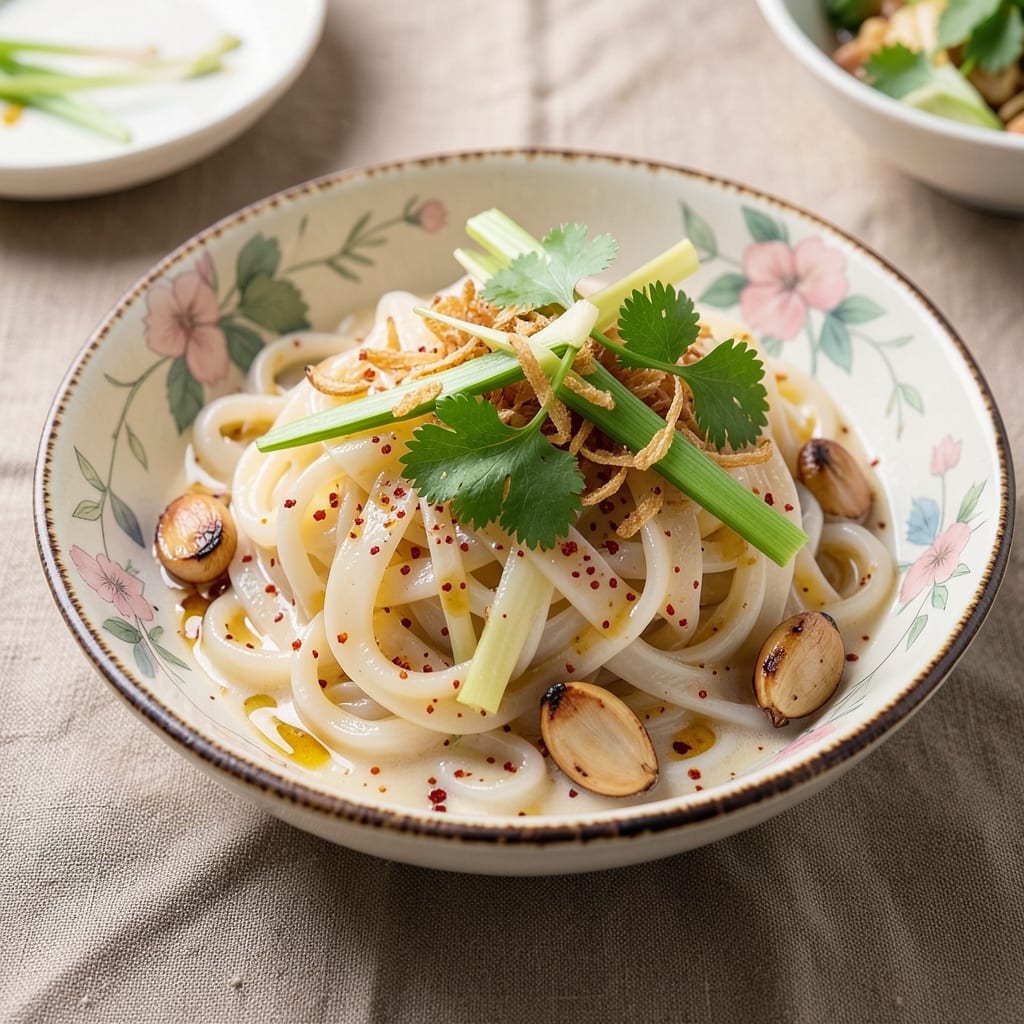
This Asian style rice noodle recipe transforms simple ingredients into a fragrant, restaurant-quality stir-fry that's ready in under 30 minutes. The secret lies in balancing bright lemongrass, creamy coconut, and aromatic spices that create layers of flavor with every bite. I've perfected this technique through countless test batches, ensuring the noodles stay tender while absorbing all that delicious sauce.
The foundation starts with chewy rice noodles that cook in just 10 minutes—no soaking required. Meanwhile, the sauce simmers with fresh lemongrass, garlic, and ginger for maximum aroma before being enriched with coconut milk and fish sauce. This combination delivers that signature Asian balance of sweet, salty, and umami that makes every forkful irresistible.
What you'll end up with is a vibrant stir-fry featuring perfectly cooked noodles tossed in a glossy, fragrant sauce that clings beautifully. The texture is exactly right—no mushy noodles here—while the sauce delivers that perfect harmony of creamy coconut and bright citrus notes. This dish is versatile enough for weeknight dinners but impressive enough for guests.
Whether you're serving it as a main course or pairing it with grilled proteins, this recipe delivers restaurant-quality results at home. The best part? It's completely adaptable—swap in shrimp, chicken, or tofu based on your preference. Let's get cooking!
Ingredients for asian style rice noodle
Chewy rice noodles, fragrant lemongrass, and creamy coconut milk—this stir-fry transforms simple pantry staples into restaurant-quality magic.
| Ingredient | Amount | Notes |
|---|---|---|
| Rice Noodles 🍜 | 8 oz | Flat, medium-width preferred |
| Fresh Lemongrass 🌿 | ½ cup | Tender inner stalks only, chopped |
| Garlic Cloves 🧄 | 6 cloves | Minced, aromatic variety |
| Fresh Ginger 🌿 | 2 tbsp | Finely grated, peeled |
| Coconut Milk 🥥 | 1 cup | Full-fat for creaminess |
| Fish Sauce 🍶 | 2 tbsp | Red Boat preferred |
| Lime Juice 🍋 | ¼ cup | Freshly squeezed |
| Vegetable Oil 🫒 | 2 tbsp | High smoke point |
| Soy Sauce 🍶 | 2 tbsp | Light or all-purpose |
| Brown Sugar 🍚 | 1 ½ tbsp | Packed, for balance |
| Red Chili Flakes 🌶️ | ½ tsp | Adjust to taste |
| Salt 🧂 | ½ tsp | Kosher or sea salt |
| Green Onions 🧅 | ¼ cup | Sliced, for garnish |
| Fresh Cilantro 🌿 | ¼ cup | Chopped, optional garnish |
| Protein of Choice 🍗 | 1 lb | Shrimp, chicken, or tofu |
The lemongrass is non-negotiable—it's the aromatic backbone of this dish. Asian markets usually have the best stalks, but any grocery store with a fresh produce section will work. Look for stalks that are vibrant green and firm to the touch—avoid any that feel woody or yellowed. The ginger should be fresh too; Trader Joe's sells pre-grated ginger in a jar, but freshly grated has way more punch. For the protein, shrimp cooks fastest (2-3 minutes), while chicken or tofu needs 4-5 minutes—keep it separate until the very end so it doesn't get soggy. The rice noodles? Thai Kitchen brand is my go-to—they're chewy but not mushy, and they cook in minutes without soaking.
No lemongrass? Lime zest plus extra lime juice gets you close, though it won't have the same depth. Running short on coconut milk? Half coconut milk, half light cream works in a pinch, but the sauce will be slightly less rich. Fish sauce is essential for that umami kick—Red Boat brand is the gold standard, but any reputable brand will do. The brown sugar can be swapped for honey or maple syrup, though brown sugar has a deeper caramel flavor that pairs perfectly. For heat, fresh chili slices add brightness, while chili flakes give a more concentrated burn. And if you're worried about the noodles sticking, toss them with a tiny bit of oil right after cooking.
This sauce keeps beautifully—3-4 days in the fridge, or 3 months frozen in ice cube trays. The noodles, though? Best eaten fresh or reheated with a splash of water to revive their chew. I like to make extra sauce and freeze it—just thaw and toss with fresh noodles for a quick meal. Store the protein separately if prepping ahead; it reheats best in a dry pan over medium heat. The garnishes (green onions, cilantro) can wait until serving—add them right before eating so they stay crisp and vibrant.
Why You'll Love This Recipe
- No-Fuss Freshness: I swear by this recipe when I’m too tired to chop much—just bruise the lemongrass and ginger, mince a few garlic cloves, and toss everything in a pan. The noodles cook in minutes, and the aroma alone makes the whole kitchen feel like a Thai street stall.
- Creamy-Garlicky Magic: That first bite? The coconut milk gives it a velvety richness, but it’s the garlic and lemongrass that make it sing—bright, aromatic, and just spicy enough to linger. Honestly, I’ve made this with store-bought stir-fry veggies, and it’s still ridiculously good.
- Lunchbox Hero: Between us, this is my go-to for packed lunches. The noodles hold up for days, and I just reheat with a splash of water and a quick stir. My kids (yes, even the picky one) will eat it cold straight from the fridge—no complaints.
- Budget Stretch: A single stalk of lemongrass and a can of coconut milk go a long way here. I’ve made this for six people for under $10, and it’s still the kind of dish that makes everyone pause mid-bite. Not the prettiest, but the taste makes up for it every time.
Step-by-step instructions for fragrant lemongrass-coconut stir-fry magic
Here's how to transform simple ingredients into a vibrant, aromatic stir-fry that balances sweet, spicy, and tangy flavors perfectly.
Prepare the Lemongrass-Coconut Sauce
In a small saucepan, combine the 1 cup coconut milk, 2 tbsp fish sauce, 2 tbsp soy sauce, 1.5 tbsp brown sugar, 0.5 tsp red chili flakes, and 0.5 tsp salt. Bring to a gentle simmer over medium heat and let it reduce for 5-7 minutes until slightly thickened—you'll notice the sauce coat the back of a spoon. This reduction concentrates the flavors and creates the perfect balance of richness and tang. Keep it warm while you prepare the remaining ingredients.
While the sauce simmers, finely mince the 6 cloves garlic and grate the 2 tbsp fresh ginger—this prep ensures they'll infuse the sauce evenly. Chop the 0.5 cup fresh lemongrass into small pieces, removing any tough outer layers. The aroma should fill your kitchen as you work; that's your first sign that the flavors are coming together.
Cook the Protein to Perfection
Heat 2 tbsp vegetable oil in a large skillet or wok over medium-high heat until shimmering. Add the 1 lb protein of choice—whether it's shrimp, chicken, or tofu—and cook until fully opaque and just cooked through. For shrimp, this takes about 3-4 minutes; for chicken, 6-8 minutes; and for tofu, 4-5 minutes, flipping occasionally. The protein should develop a light golden crust, signaling it's ready to absorb the sauce's flavors.
Remove the cooked protein from the skillet and set it aside, leaving the rendered oil and any browned bits in the pan. These flavorful residues will form the base of your stir-fry, creating depth that transforms a simple dish into something extraordinary. If using tofu, press it first to remove excess moisture for better texture.
Stir-Fry the Aromatics and Noodles
In the same skillet, add the minced garlic and grated ginger, cooking for 30 seconds until fragrant—this step unlocks the full flavor potential of these aromatics. Immediately add the 8 oz rice noodles, breaking them up if they're still in strands, and toss them with the garlic and ginger. Pour in the reduced lemongrass-coconut sauce and 0.25 cup lime juice, stirring vigorously to coat the noodles evenly.
The noodles should absorb the sauce within 2-3 minutes, becoming tender and glossy. If they're still firm, add 2-3 tablespoons of hot water to help them soften. The dish should smell like a tropical paradise—bright, citrusy, and subtly spicy. This is where the magic happens: the lemongrass and lime juice cut through the richness of the coconut milk, creating a harmonious balance.
Combine and Finish with Fresh Herbs
Return the cooked protein to the skillet and toss everything together, ensuring the protein is fully coated in the sauce. Cook for an additional 1-2 minutes until everything is heated through and the flavors meld. The protein should be warm and the noodles should be tender but still have a slight bite—this ensures the perfect texture contrast.
Remove from heat and stir in the 0.25 cup green onions and 0.25 cup fresh cilantro, reserving a few sprigs for garnish. Taste and adjust the seasoning if needed—perhaps a splash more lime juice for brightness or a pinch of salt to balance the flavors. Serve immediately, garnished with the reserved herbs, while the noodles are still warm and the sauce is silky.
Plate and Enjoy with Confidence
Divide the stir-fry among serving plates, ensuring each portion has an even distribution of protein, noodles, and sauce. The dish should look vibrant and inviting, with a glossy sheen from the coconut milk and bright pops of green from the herbs. Pair it with a simple side salad or steamed vegetables to round out the meal, and don't forget to serve with extra lime wedges on the side for those who crave more tang.
This stir-fry is all about balance—sweet from the brown sugar, spicy from the chili flakes, tangy from the lime, and umami from the fish sauce. Each bite should deliver a symphony of flavors that transport you straight to a bustling Asian street market. The key to success lies in the sauce reduction and the fresh herbs at the end; don't skip either step, as they elevate the dish from good to unforgettable.
Pro Tips For Making Asian Style Rice Noodle
- SOAK NOODLES SEPARATELY: Split your rice noodles into two batches—one for the broth, one for the plate. The ones in the simmering coconut milk will soften fast; the ones you toss in at the end stay chewy. I learned this the hard way when my whole batch turned to mush before the sauce was ready.
- GRATE GINGER FINE: Skip the slicing—grate that ginger until it’s almost paste-like. Thin shavings burn too fast, but finely grated ginger melts into the coconut milk smoothly. (Yes, even if you’re impatient like me, resist the urge to chop it roughly.)
- STIR COCONUT MILK CONSTANTLY: The moment you add coconut milk, start stirring. It’s not just for even heating—it prevents curdling. I used to walk away for "just a minute," and the next thing I knew, my sauce looked like scrambled eggs.
- USE LEMONGRASS STALKS: Toss the whole stalk into the broth, then fish it out before serving. The outer layers add depth without bitterness, and you avoid the hassle of mincing. (Your future self will thank you for not measuring out the pith.)
Troubleshooting this recipe
Noodles Too Soft
If your rice noodles turn mushy, you've likely overcooked them. These noodles cook fast—just 8-10 minutes in boiling water—and they should have a slight chew, not be fully soft. For extra insurance, cook them for 1 minute less than package instructions (usually 7 minutes for 8 oz), then finish in the sauce. The residual heat will tenderize them perfectly. 🌟
Sauce Too Thin
A watery sauce usually means the coconut milk wasn't reduced enough. Simmer your sauce uncovered for an extra 2-3 minutes to thicken it naturally. If it's still too thin, mix 1 tsp cornstarch with 1 tbsp cold water and stir it in while simmering until it thickens. Avoid adding too much—just enough to coat the back of a spoon.
Protein Overcooked
Shrimp and tofu cook in a flash—2-3 minutes max—while chicken needs 6-8 minutes. The moment protein turns opaque and just reaches 145°F (for chicken), remove it immediately. Overcooking makes it dry and tough. For shrimp, look for a pink center; for chicken, use a meat thermometer. I like to pull protein out 1 minute early and let it rest while finishing the noodles.
Lemongrass Not Aromatic
Fresh lemongrass should smell citrusy and grassy. If yours is bland, it might be old or tough. Use only the tender inner stalks—discard the tough outer layers. For extra flavor, bruise the stalks lightly with the side of your knife before chopping. If you can't find fresh lemongrass, 1 tbsp lime zest + 1 tbsp lime juice adds brightness, though it won't replicate the full depth.
Noodles Sticking Together
Rice noodles clump when they dry out. After cooking, immediately rinse them under cold water for 10 seconds to stop the cooking process, then toss with 1 tsp oil. This creates a light barrier that prevents sticking. Work quickly—don't let them sit in the colander. For extra insurance, keep them in a sealed container with a damp paper towel until ready to stir-fry.
Flavors Too Muted
If your dish lacks punch, the sauce might need balancing. Add ½ tsp more fish sauce for umami, 1 tsp lime juice for brightness, or ¼ tsp more chili flakes for heat. Fresh herbs at the end make a huge difference—always add cilantro and green onions right before serving. The acidity from lime and the freshness of herbs cut through richness and wake up the flavors. ✨
Nutrition facts
Frequently asked questions
Do I need to soak rice noodles before cooking?
No soaking required! These rice noodles cook in just 8-10 minutes in boiling water. The key is using fresh, medium-width noodles that break apart easily. For extra insurance, cook them 1 minute less than package instructions and finish in the sauce to achieve perfect tenderness.
Can I make this dish vegetarian?
Swap the shrimp or chicken for extra-firm tofu or mushrooms like shiitake. Press tofu first to remove moisture, then pan-fry until golden. For extra flavor, marinate the tofu in 1 tbsp soy sauce + 1 tsp sesame oil for 15 minutes before cooking. The coconut-lemongrass sauce will complement both perfectly.
How do I store leftovers?
Store the sauce and protein separately from the noodles. Keep sauce in an airtight container for 3-4 days in the fridge, or freeze in ice cube trays for 3 months. Reheat noodles with 1 tbsp water to restore chewiness. For protein, reheat in a dry pan over medium heat for 2-3 minutes—never microwave to avoid drying.
What's the best way to adjust spice levels?
Start with the 0.5 tsp chili flakes and adjust to taste. For mild heat, reduce by half. For extra kick, add 1 tsp fresh chili slices or ½ tsp cayenne pepper. Remember, the lime juice adds brightness that balances spice—don't skip it! For a smoky depth, add ¼ tsp smoked paprika to the sauce.
Can I use instant rice noodles?
Not ideal—they're too thin and cook too fast, resulting in a mushy texture. Stick with medium-width rice noodles (like Thai Kitchen brand) that hold their shape. If you must use instant noodles, reduce cooking time to 5 minutes and finish in the sauce immediately. The texture won't be identical, but it'll still be delicious.