
Main Courses
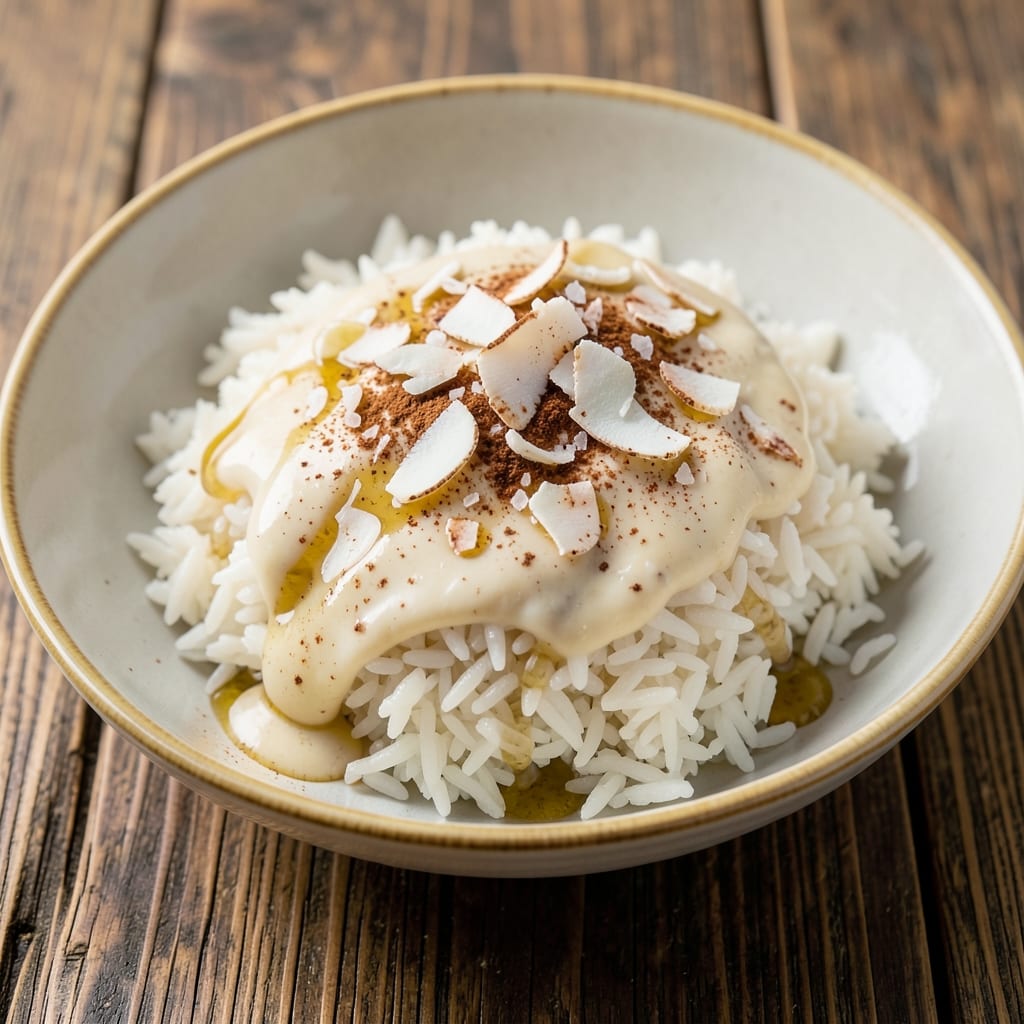
This 1 cup coconut rice recipe transforms simple jasmine rice into a fragrant, creamy side dish that pairs perfectly with curries or stands alone as a dessert. The secret lies in using coconut milk and a few simple techniques to create a dish that's both elegant and effortless. With just 20 minutes of active time, you'll achieve restaurant-quality results that impress without the complexity.
Jasmine rice soaks up the rich, slightly sweet coconut milk beautifully, creating a dish that's fragrant and tender with each bite. The key is balancing the coconut flavor with just enough sugar and salt to enhance its natural sweetness. This method works equally well for savory meals or as a sweet, coconut-infused dessert when lightly sweetened.
By the end, you'll have perfectly cooked rice with a delicate coconut aroma and a subtle creaminess that makes every forkful satisfying. The dish stays light enough to complement hearty proteins or vegetables, yet substantial enough to serve as a standalone meal. Ready in just 20 minutes, it's ideal for weeknight dinners or special occasions.
Serve this coconut rice alongside grilled chicken, fish, or as a side for curries. For a dessert version, add a touch of honey or condensed milk while cooking. The possibilities are endless, and the process couldn't be simpler. Let's get started!
Ingredients for 1 cup coconut rice
Jasmine rice, coconut milk, and a touch of sugar create this fragrant, creamy side dish perfect for curries or desserts.
| Ingredient | Amount | Notes |
|---|---|---|
| Jasmine Rice 🍚 | 1 cup | Uncooked, long-grain preferred |
| Full-Fat Coconut Milk 🥥 | 13 ½ oz | Canned, unsweetened preferred |
| Granulated Sugar 🍯 | 1 tbsp | White or light brown |
| Sea Salt 🧂 | ½ tsp | Fine grain preferred |
| Extra-Virgin Olive Oil 🫒 | 1 tbsp | For toasting rice |
| Ground Cinnamon 🌿 | ¼ tsp | Optional for dessert version |
| Raisins 🍇 | ¼ cup | Optional for dessert version |
| Water 💧 | ¼ cup | For rinsing rice |
Jasmine rice is the star here—look for long-grain varieties at Whole Foods or your local Asian market for the best aroma. The coconut milk should be full-fat and unsweetened (the canned Aroy-D brand is my go-to). If you're using it for dessert, grab golden raisins and cinnamon from the baking aisle. The sugar is just a touch—enough to balance the coconut's natural sweetness without overpowering. For the olive oil, stick with extra-virgin for a better flavor profile, but any neutral oil will work in a pinch.
No coconut milk? Light coconut milk works but the texture will be thinner—just add a splash of cream if you have it. Running out of jasmine rice? Basmati rice is the closest substitute, though it lacks the floral notes. The optional cinnamon and raisins can be swapped for cardamom and dried mango for a different twist. For a richer dessert version, fold in vanilla extract or toasted coconut flakes after cooking. If your rice turns out too dry, simply add more coconut milk and simmer until creamy.
This rice keeps beautifully—3-4 days in an airtight container in the fridge. For longer storage, freeze portions for up to 3 months. Reheat gently with a splash of water or coconut milk to restore creaminess. I always make a double batch: one for immediate use and one to freeze for lazy weeknights. The flavor actually improves after a day or two as the coconut aroma deepens—perfect for meal prep.
Why You'll Love This Recipe
- One-Pot Magic: I swear by this—just toss the rice, coconut milk, and a pinch of salt into one pot, let it simmer, then finish with a drizzle of olive oil. No measuring cups, no straining, no stress. The rice absorbs the creamy milk perfectly while staying fluffy, and honestly? That’s half the battle won right there.
- Creamy Luxury: Full-fat coconut milk turns this into something special—rich, fragrant, and subtly sweet without tasting like dessert. The jasmine rice soaks up the flavor like a sponge, and a tiny bit of sugar balances the richness. It’s the kind of simple dish that feels indulgent, even when you’re eating straight from the pot.
- Lunchbox Hero: Between us, this is my go-to for meal prep. Cook a big batch, divide it into containers, and it stays creamy and satisfying for days. Add a sprinkle of salt and a drizzle of olive oil before packing—suddenly, your lunch feels like a restaurant takeout. (Yes, even on a Tuesday.)
- Budget-Friendly Splurge: You’d never guess how affordable this is—just rice, coconut milk, and a few pantry staples. A can of coconut milk goes a long way, and the olive oil adds that little touch of luxury without breaking the bank. It’s the kind of recipe that makes you feel fancy while keeping your wallet happy.
Step-by-step instructions for fragrant jasmine coconut rice
Here's how to transform simple ingredients into aromatic, creamy coconut rice with perfect texture.
Rinse the Jasmine Rice Thoroughly
Place the 1 cup jasmine rice in a fine-mesh strainer and rinse under cold running water for 30-45 seconds using the 0.25 cup water. Swirl the rice gently with your fingers to remove excess starch, which can make the rice gummy. You'll know it's properly rinsed when the water runs clear and the grains separate easily.
Drain well and transfer the rice to a medium saucepan. This initial rinsing removes surface starch that would otherwise prevent the coconut milk from absorbing properly, ensuring each grain remains distinct and fluffy.
Toast the Rice for Enhanced Flavor
Heat the 1 tbsp extra-virgin olive oil over medium heat in the same saucepan until shimmering but not smoking. Add the drained rice and stir constantly for 2-3 minutes until the grains become translucent at the edges and release a nutty aroma.
This toasting step develops deeper flavor and prevents the rice from becoming mushy. Keep the heat steady—if the oil smokes, reduce to low-medium immediately. The rice should look slightly glossy and smell toasty before moving to the next step.
Combine with Coconut Milk and Seasonings
Pour in the 13.5 oz full-fat coconut milk, 1 tbsp granulated sugar, and 0.5 tsp sea salt. Stir well to distribute the seasonings evenly. If using the optional cinnamon, add the 0.25 tsp ground cinnamon now and mix thoroughly. The mixture should look creamy with no dry spots remaining.
Bring to a gentle simmer over medium-low heat, then reduce to the lowest setting that maintains a slight bubble. Cover the pan with a tight-fitting lid and cook undisturbed for 12-15 minutes. This low-and-slow approach allows the coconut milk to infuse fully without curdling.
Add Raisins and Finish Cooking
After 12 minutes, stir in the 0.25 cup raisins (if using) and continue cooking for another 3-5 minutes until the raisins plump slightly and the rice absorbs all the coconut milk. The texture should be creamy yet still distinct with individual grains visible.
Remove from heat and let sit covered for 5 minutes. This resting period allows the rice to finish absorbing any remaining liquid and develop its final texture. Fluff gently with a fork before serving to separate the grains and release any trapped steam.
Pro Tips For Making 1 Cup Coconut Rice
- Rinse Jasmine Rice: I learned this the hard way—skipping the rinse makes your rice gummy. Swirl 1 cup jasmine rice in a fine-mesh strainer under cold water for 30 seconds, then shake off excess. This removes starch that would turn your coconut rice gluey, no matter how much milk you use. ---
- Simmer Not Boil: Coconut milk curdles when it boils. After combining rice, milk, and 1 cup water, bring to a gentle simmer (tiny bubbles, not rolling). Cover and reduce heat to the lowest setting—yes, even if it looks like nothing’s happening. This keeps the texture creamy and avoids that split milk flavor. ---
- Salt After Simmering: Adding salt upfront makes the rice absorb liquid unevenly. Wait until the rice has cooked for 10 minutes, then sprinkle in ½ teaspoon salt (adjust to taste). The grains will soak up the seasoning evenly, and you won’t end up with salty pockets or bland edges. ---
- Toast the Rice First: Sounds weird, but it works—dry-toast the rinsed jasmine rice in a pot with 1 teaspoon olive oil over medium heat for 2 minutes. You’ll smell the nutty aroma; this step deepens the rice’s flavor and prevents a raw taste in your coconut rice. (Skip this when you’re lazy, but the dish is noticeably better when you don’t.)
Health benefits of 1 cup coconut rice
Rich in Healthy Fats
This coconut rice recipe uses full-fat coconut milk, which provides medium-chain triglycerides (MCTs)—a type of fat that supports brain function and energy levels. A 1 cup serving delivers about 12 grams of healthy fats, including lauric acid, known for its antimicrobial properties. These fats are metabolized quickly, making them an excellent energy source for active days. 💪
Plant-Based Protein
While not a protein powerhouse like meat or beans, jasmine rice contributes 4 grams of plant-based protein per cooked cup, making it a great vegetarian option. When paired with coconut milk, the protein content increases slightly, supporting muscle maintenance and repair. For a protein boost, serve alongside grilled tofu or chickpeas.
Natural Sweetness
The 1 tbsp granulated sugar in this recipe provides a gentle sweetness that enhances the coconut flavor without overpowering it. Unlike refined sugars, coconut milk contains small amounts of natural sugars that metabolize more slowly, helping stabilize blood sugar levels. For a lower-sugar option, reduce to ½ tbsp or use a sugar substitute like monk fruit sweetener.
Rich in Micronutrients
Jasmine rice retains some of its natural nutrients, including B vitamins (like niacin and thiamine), which support energy production and metabolism. Coconut milk adds electrolytes like potassium and magnesium, essential for muscle function and hydration. While not a superfood, this dish provides a balanced mix of nutrients that contribute to overall wellness.
Dietary Flexibility
This recipe is naturally vegetarian and can easily be made vegan by ensuring no animal-derived ingredients are added. For a gluten-free version, simply confirm your coconut milk is certified gluten-free (most brands are). The dish is also nut-free, making it safe for those with nut allergies. The simplicity of the ingredients ensures it fits into almost any dietary plan. ✨
Digestive Benefits
Jasmine rice is a low-fiber grain, making it gentle on digestion while still providing energy. The coconut milk adds probiotic-friendly properties when fermented (like in coconut yogurt), though this recipe uses canned milk. For added digestive support, serve with a side of steamed vegetables or a probiotic-rich sauce like miso or yogurt-based curry. 🌱
Nutrition facts
Frequently asked questions
Can I make this coconut rice recipe with basmati rice instead of jasmine?
Yes, you can use basmati rice as a substitute—it'll give you a slightly different texture but still work beautifully with coconut milk. For best results, rinse the basmati thoroughly to remove excess starch, then follow the same cooking method. The flavor will be less floral but equally creamy.
How do I adjust this recipe for a sweet coconut rice dessert?
For a dessert version, increase the sugar to 2 tbsp and add ½ tsp vanilla extract or ¼ tsp cardamom while cooking. Stir in ½ cup toasted coconut flakes or ¼ cup dried mango at the end for extra sweetness. Serve warm with a drizzle of honey.
Why did my coconut rice turn out too dry?
This usually happens if the heat was too high or the lid wasn't sealed tightly. To fix it, add 2-3 tbsp warm coconut milk and stir gently, then cover and cook for another 2-3 minutes on low heat. If it's still dry, the rice may have absorbed all the liquid—simmer with an extra splash of water instead.
Can I use light coconut milk instead of full-fat?
Light coconut milk will work, but the texture will be thinner and less rich. For creaminess, stir in 1 tbsp heavy cream or 2 tbsp coconut cream at the end. The flavor will still be delicious, just slightly lighter. Full-fat gives the best mouthfeel for this recipe.
What's the best way to store leftover coconut rice?
Store in an airtight container in the fridge for up to 4 days. For longer storage, freeze portions for 3 months. To reheat, add 1 tbsp water or coconut milk per cup of rice, cover, and warm on low heat until creamy. Microwaving can make it gummy—always reheat gently on the stovetop.