
Main Courses
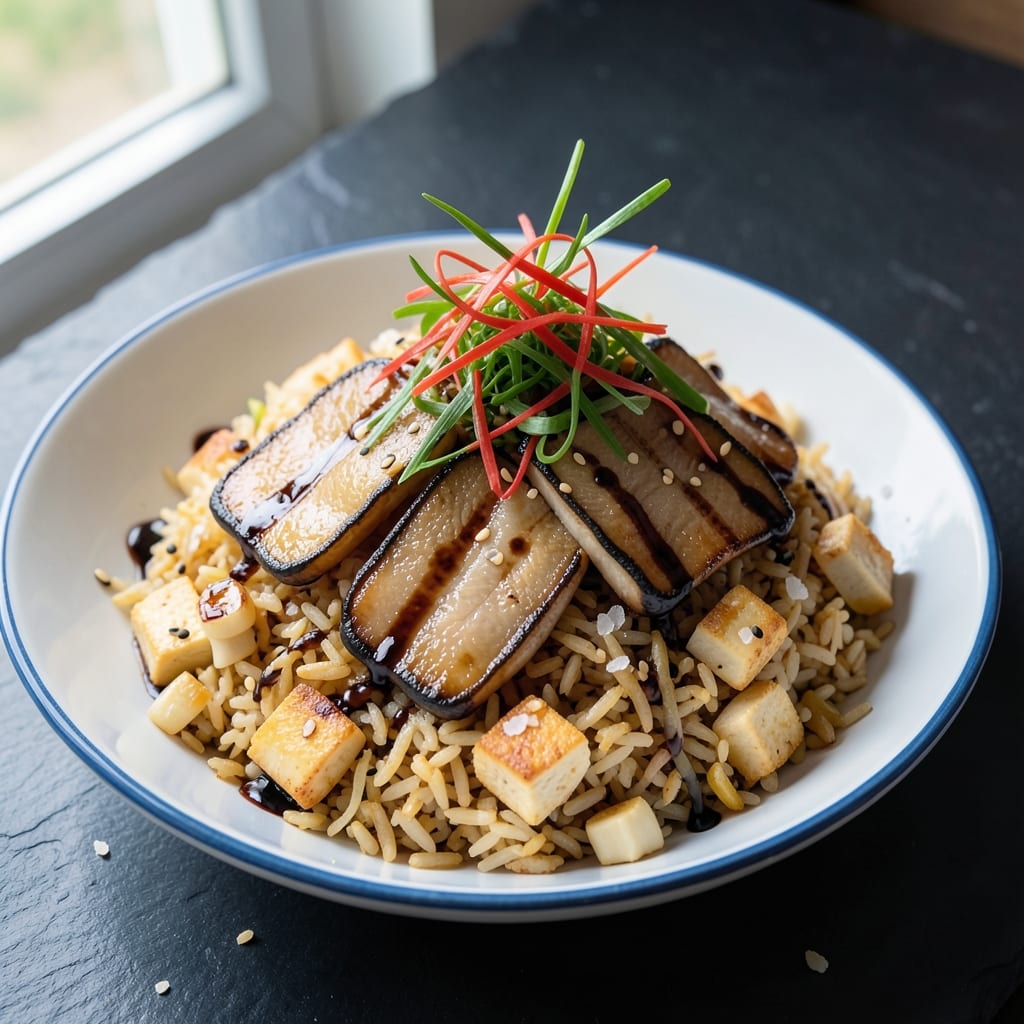
This abalone fried rice recipe transforms a classic comfort dish into a luxurious seafood experience that delivers restaurant-quality results in just 25 minutes. The secret lies in perfectly sliced abalone that maintains its delicate texture while absorbing the savory-sweet wok sauce, creating a dish where each bite balances tender seafood with crisp fried rice. I developed this recipe after years of experimenting with seafood fried rice, and the difference between this version and traditional recipes is night and day.
The foundation starts with day-old jasmine rice—cooled and slightly dried—which prevents mushiness when stir-fried. Abalone slices (prepped by slicing against the grain) become the star, cooked just until opaque to preserve their natural sweetness and tender bite. Aromatics like garlic, ginger, and scallions build depth, while a carefully balanced sauce of soy sauce, sesame oil, and a touch of honey creates that signature umami-sweet harmony.
What makes this dish truly special is the texture contrast: each forkful delivers crisp edges on the fried rice, silky abalone slices, and a sauce that clings perfectly without overwhelming. The dish maintains its integrity even when reheated, making it ideal for meal prep or entertaining. The aroma alone—garlicky, slightly smoky, with a hint of sweetness—will have everyone gathering around the table.
Perfect for special occasions or when you want to elevate a simple weeknight dinner, this abalone fried rice proves that seafood can shine in a classic comfort dish. The technique is straightforward once you master the abalone prep, and the results are consistently impressive. Let's get started on creating this seafood upgrade that will impress even the most discerning palates.
Ingredients for abalone fried rice
Four cups of perfectly cooled jasmine rice and eight ounces of delicate abalone—luxury meets comfort in this restaurant-worthy dish.
| Ingredient | Amount | Notes |
|---|---|---|
| Day-Old Jasmine Rice 🍚 | 4 cups | Cooling prevents mushiness when stir-fried |
| Abalone Slices 🦪 | 8 oz | Fresh, sliced against the grain |
| Extra-Firm Tofu 🥬 | ½ cup | Cubed, pressed for texture |
| Garlic Cloves 🧄 | 6 cloves | Minced for aromatic depth |
| Fresh Ginger 🌿 | 1 ½ tbsp | Finely grated, vibrant color |
| Scallions 🧅 | 3 whole | Thinly sliced, white and green |
| Sesame Oil 🫒 | 1 ½ tbsp | Toasted, for nutty aroma |
| Light Soy Sauce 🍶 | ½ cup | High-quality, low-sodium preferred |
| Dark Soy Sauce 🍶 | 1 tbsp | For color and depth |
| Honey 🍯 | 1 ½ tbsp | Wildflower for floral notes |
| Vegetable Oil 🫒 | 3 tbsp | High smoke point for stir-frying |
| White Pepper 🌶️ | ½ tsp | Freshly ground for subtle heat |
| Sesame Seeds 🌰 | 1 tbsp | Toasted for garnish |
| Green Onions 🧅 | 2 whole | Chopped, for freshness |
The abalone is non-negotiable for this dish—fresh, never frozen, and sliced against the grain for maximum tenderness. Asian markets are your best bet for quality abalone, though some high-end seafood counters stock it. Look for slices that are translucent with a pearly sheen; avoid any with a fishy odor or dull appearance. If you can't find abalone, scallops or shrimp work as a substitute, but the texture and flavor won't be the same. For the jasmine rice, day-old is critical—it should be cool, dry, and slightly firm to the touch. Cook a full batch the night before and refrigerate uncovered to ensure proper drying.
No sesame oil? Avocado oil or neutral oil will work, but the nutty aroma is essential. The honey adds just the right touch of sweetness—avoid artificial substitutes, as they lack the floral depth. For the soy sauces, Kikkoman or Pearl River Bridge brands deliver consistent quality. If you're using scallops as a substitute, pat them dry thoroughly before cooking to prevent steaming. The tofu should be extra-firm and pressed for 15 minutes to remove excess moisture, ensuring it fries up crisp rather than absorbing oil. Fresh ginger is a must—pre-grated ginger loses potency quickly, so grate it fresh just before cooking.
Abalone and cooked rice reheat beautifully—store in airtight containers for up to 3 days in the fridge. For longer storage, freeze portions for up to 2 months, though texture may slightly degrade. The sauce components (soy sauces, honey, sesame oil) can be pre-mixed and stored in the fridge for up to 1 week. When reheating, use a steamer basket over simmering water to maintain crispness. Garnishes like sesame seeds and green onions should be added fresh just before serving to preserve their vibrant flavors.
Why You'll Love This Recipe
- One-Pan Magic: I swear by this recipe when I’m too tired to scrub a million bowls—just toss everything into one hot pan, stir, and walk away. The ginger and garlic sizzle into the rice while the tofu and abalone crisp up on their own, no flipping required.
- Umami Bomb: That first bite? The abalone melts like butter against the chewy tofu, while the ginger and garlic linger like a warm hug. Honestly, the combination of salty seafood and the deep aroma of fresh ginger makes this taste like a restaurant dish—without the price tag.
- Lunchbox Hero: Between us, this is my go-to for meal prep because it reheats like a dream. Pack the leftovers cold for a no-fuss lunch, or microwave it for a quick dinner—both times, it’s just as good. My kids even ask for it, and that’s saying something.
- Budget Luxe: Abalone might sound fancy, but a few slices stretch over two meals, and the tofu keeps it affordable. I’ll be real: it feels like a splurge when you’re eating it, but the ingredients actually stretch further than you’d think—especially when paired with day-old rice.
Step-by-step instructions for luxurious abalone fried rice
Master this technique and transform simple day-old rice into a restaurant-worthy dish with delicate abalone.
Prep the Abalone and Tofu for Maximum Texture
Begin by slicing the 8 oz abalone slices against the grain into thin strips—this ensures each bite offers both tender texture and subtle resistance. Pat them completely dry with paper towels, as any moisture will prevent proper searing. While working, keep the abalone covered with a damp towel to prevent drying.
Cut the 0.5 cup extra-firm tofu into ½-inch cubes and press between paper towels under a weight for 15 minutes to remove excess moisture. This step prevents soggy tofu that ruins the dish's texture. The tofu should feel firm to the touch when ready—press a cube gently, and it should hold its shape without leaving a dent.
Build the Flavor Base with Aromatics and Sauces
Heat 3 tablespoons vegetable oil in a 14-inch wok or large skillet over medium-high heat until shimmering. Add the 6 cloves minced garlic cloves and 1.5 tablespoons finely grated fresh ginger, stirring constantly for 30 seconds until fragrant but not browned—burnt aromatics will make the dish bitter. Immediately add the 3 whole thinly sliced scallions and stir for another 15 seconds until just wilted.
Push the aromatics to one side of the pan and add the pressed tofu cubes. Cook for 2 minutes until golden brown on all sides, then remove to a plate. In the same pan, add the prepared abalone strips and sear for 1-2 minutes per side until lightly browned but still tender. Remove both proteins and set aside temporarily.
Stir-Fry the Rice with Perfect Timing
Increase heat to high and add the 4 cups day-old jasmine rice, breaking up any clumps with a spatula. Stir-fry for 2 minutes until the rice is heated through and individual grains are visible. This step reactivates the starches without overcooking the rice.
Pour in the 0.5 cup light soy sauce, 1 tablespoon dark soy sauce, and 1.5 tablespoons honey, stirring vigorously to distribute the sauce evenly. The dark soy sauce will give the rice its signature glossy finish, while the honey adds subtle sweetness that balances the seafood's brininess. Cook for 1 minute until the rice absorbs the sauce completely.
Combine and Finish with Signature Touches
Return the tofu and abalone to the pan, tossing gently to coat in the sauce. Drizzle with 1.5 tablespoons toasted sesame oil and sprinkle with 0.5 teaspoon freshly ground white pepper. The sesame oil adds nutty depth, while the white pepper provides a subtle, clean heat that complements the abalone's delicate flavor.
Finally, garnish with 1 tablespoon toasted sesame seeds and 2 whole chopped green onions for freshness. Serve immediately while the rice is still hot and the abalone remains tender. Each bite should deliver a perfect balance of textures—crispy tofu, tender abalone, and fluffy rice—with layers of umami, sweetness, and aromatic depth.
Pro Tips For Making Abalone Fried Rice
- PREP ABALONE FIRST: Slice the abalone thinly—about 1/8-inch thick—and pat it bone-dry with paper towels before searing. I learned this the hard way: wet abalone steams instead of searing, and you’ll end up with soggy, flavorless slices in your fried rice. A quick rinse in cold water after slicing removes any slimy residue, but dry it thoroughly afterward.
- STIR-FRY TOFU SEPARATELY: Cook the extra-firm tofu in a separate pan until it’s crispy and golden before adding it to the rice. Crowding the pan with rice, abalone, and tofu at once will turn everything mushy. The tofu needs high heat to develop texture—skip this, and you’re left with chewy, underwhelming bites.
- USE DAY-OLD RICE COLD: Chill your day-old rice in the fridge for at least 2 hours before using—this isn’t optional. Cold rice releases moisture more evenly when stir-fried, preventing a gummy mess. I used to just grab leftover rice straight from the counter, and my fried rice always turned out sticky and sad.
- SALT THE ABALONE LAST: Season the abalone with salt only after it’s cooked—about 30 seconds before removing it from the pan. Salting too early draws out moisture, making it shrink and lose its delicate texture. A pinch of salt at the end keeps it tender and lets the natural briny flavor shine.
Serving suggestions for this recipe
Garnish Game-Changers
Toast 1 tablespoon sesame seeds in a dry pan over medium heat for 1-2 minutes until golden and fragrant. Their nutty aroma elevates the dish instantly. For extra flair, add ½ teaspoon chili crisp (like Laotian or Sichuan) to bring a smoky kick that contrasts beautifully with the abalone's sweetness. I always keep a small jar of chili crisp in my pantry—it's a game-changer for adding depth without overpowering. 🌶️
Sauce Upgrades
Drizzle 1 teaspoon fish sauce (like Red Boat) over the finished dish just before serving to amplify umami. The fish sauce's salty depth cuts through the abalone's natural sweetness. For a creamy twist, fold in 2 tablespoons crème fraîche while tossing the rice—it adds a luxurious mouthfeel that feels restaurant-worthy. Both upgrades take seconds but make a world of difference. 💡
Side Pairings
Serve with steamed bok choy tossed in 1 teaspoon toasted sesame oil and a pinch of salt. The crisp-tender greens provide a refreshing contrast to the rich fried rice. For a protein boost, add seared scallops on the side—their briny flavor complements the abalone without competing. I love pairing this dish with a crisp Sauvignon Blanc to cleanse the palate between bites. 🍷
Presentation Tips
Use a black plate to make the dish pop—it highlights the abalone's pearly sheen and the rice's golden hue. Arrange the fried rice in a loose pile, then fan the abalone slices slightly over the top for visual appeal. Sprinkle the toasted sesame seeds in a circular pattern around the edge for a polished finish. The presentation makes it feel like a special occasion dish, even for weeknight dinners. ✨
Reheating Secrets
To reheat without drying out the abalone, spread the fried rice on a baking sheet and warm in a 350°F oven for 5-7 minutes. The gentle heat reactivates the rice's moisture without overcooking the seafood. For extra crispiness, add 1 teaspoon vegetable oil while reheating. Store leftovers in an airtight container with parchment paper between layers to maintain texture. 🔥
Dietary Adaptations
For a gluten-free version, swap soy sauces for coconut aminos and ensure your sesame oil is certified gluten-free. To make it spicier, stir in ½ teaspoon gochujang with the honey—it adds fermented depth. For a lighter option, reduce the sesame oil to 1 teaspoon and use rice vinegar instead of honey for brightness. Each adaptation keeps the dish's core flavors intact while accommodating dietary needs. 💛
Nutrition facts
Frequently asked questions
Why does the recipe call for day-old rice?
Day-old rice is essential because it's already cooled and slightly dried, preventing mushiness when stir-fried. Freshly cooked rice releases too much moisture, turning the fried rice into a sticky mess. The slight firmness also helps the rice absorb the sauce better while maintaining its individual grains.
Can I substitute abalone with another seafood?
Yes, but texture and flavor will differ. For a similar delicate bite, use scallops or shrimp, but avoid overcooking—seafood should stay tender. If using scallops, pat them completely dry first to prevent steaming. For a vegetarian option, try mushrooms or king oyster mushrooms for meaty texture.
How do I know when the abalone is cooked perfectly?
The abalone is done when it turns opaque and lightly browned, typically in 1-2 minutes per side. Overcooking makes it tough and rubbery. Test by pressing gently—it should feel tender but still hold its shape. Remove it immediately when done, as it continues cooking slightly from residual heat.
What if I don't have a wok?
A large, heavy-bottomed skillet works perfectly! Look for one with sloped sides to help with tossing. If your pan isn't wide enough, cook in batches—just keep the heat high and stir constantly to mimic wok technique. A nonstick pan can help prevent sticking, especially with delicate abalone.
Can I make this dish ahead of time?
Store components separately in an airtight container for up to 3 days. Reheat the rice and sauce separately, then combine with the abalone and tofu just before serving. For longer storage, freeze the fried rice (without abalone) for 2 months