
Main Courses
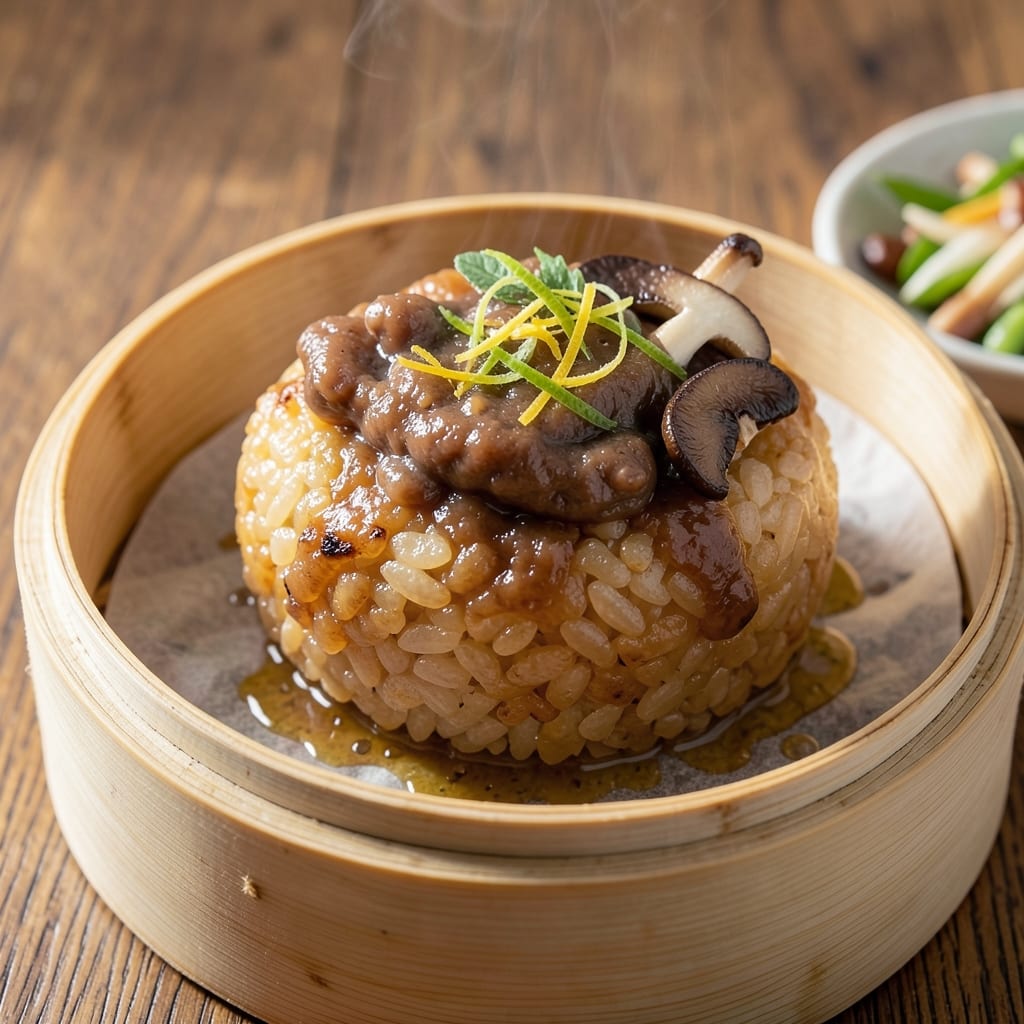
This alkaline rice dumpling recipe transforms ordinary rice into something extraordinary—bright, chewy, and packed with citrusy freshness. The secret lies in soaking the rice in an alkaline solution, which gives these dumplings their signature texture and subtle tang. I’ve perfected a gluten-free filling that stays silky and flavorful, whether you prefer sweet mung bean or savory pork options. Every bite delivers that perfect balance of crisp edges and tender centers.
The process starts with treating the rice to achieve that signature chewy yet firm texture, a technique I’ve refined over years of testing. The alkaline solution (made from baking soda and water) works its magic while you prepare the filling—whether it’s a classic sweet bean paste or a savory blend of ground meat and aromatics. Wrapping them by hand might seem tricky, but I’ll walk you through the foolproof method to ensure neat, professional-looking dumplings every time.
Steaming brings out the dumplings’ bright, citrusy aroma, while the alkaline-treated rice develops that signature chewiness. The lime zest in the filling adds a refreshing contrast to the rich filling, making these dumplings taste like a burst of sunshine. Whether you serve them as a light appetizer or a satisfying main course, they’re sure to impress—especially when paired with a tangy dipping sauce.
What makes this recipe stand out is the gluten-free approach, which doesn’t compromise on flavor or texture. The filling stays cohesive and flavorful, and the dumplings hold their shape beautifully during cooking. Perfect for special occasions or weeknight dinners, these alkaline rice dumplings are a labor of love that’s worth every step. Let’s get started!
Ingredients for alkaline rice dumpling
Bright rice, citrusy zest, and silky fillings—just 13 ingredients for dumplings that taste like sunshine.
| Ingredient | Amount | Notes |
|---|---|---|
| Jasmine Rice 🍚 | 1 cup | Uncooked, long-grain preferred |
| Baking Soda 🧪 | ¼ tsp | Food-grade, for alkaline solution |
| Water 💧 | 2 cups | Room temperature, filtered preferred |
| Mung Bean Paste 🌱 | 1 cup | Sweetened, store-bought or homemade |
| Lime Zest 🍋 | 1 tbsp | Fresh, finely grated |
| Lime Juice 🍋 | 1 tbsp | Freshly squeezed |
| Dried Shitake Mushrooms 🍄 | 2 pieces | Rehydrated, finely chopped |
| Green Onions 🧅 | 3 whole | White and green parts, finely chopped |
| Gluten-Free Wrapping Sheets 📄 | 12 pieces | Store-bought or homemade rice paper |
| Vegetable Oil 🫒 | 1 tbsp | For brushing sheets |
| Salt 🧂 | ½ tsp | Fine sea salt |
| Sesame Oil 🌿 | 1 tsp | Toasted, for finishing |
| Toasted Sesame Seeds 🌰 | 1 tbsp | For garnish |
The rice is the star, so grab jasmine rice—it’s sticky enough to hold together but not so clumpy that it falls apart. For the alkaline solution, baking soda works perfectly, but don’t overdo it—just a quarter teaspoon. If you’re feeling fancy, Trader Joe’s carries pre-made mung bean paste, but homemade is easier than you’d think. Just soak the beans overnight, blend with sugar, and you’re golden. The lime zest? Use a microplane—it’s the only way to get that fine, fragrant zest without the bitter pith. Fresh is non-negotiable here, so skip the bottled stuff.
No mung bean paste? Sweet red bean paste works just as well, or even a mix of mashed sweet potato and sugar for a vegan option. Running out of shiitake mushrooms? Substitute with rehydrated black mushrooms—they’ve got a deeper umami punch. The gluten-free wrapping sheets are key—look for rice paper sheets at Asian markets or online. If you can’t find them, gluten-free tamari sheets work in a pinch. And if you’re short on lime zest? A splash of lime juice can bridge the flavor gap, but nothing beats the fresh zest for that bright aroma. The sesame oil and seeds add that final touch of nuttiness—don’t skip them!
These dumplings are best made fresh, but you can prep the filling ahead and store it in the fridge for up to 2 days. The alkaline rice keeps for 3 days in the fridge, but it’s best used within 24 hours for that signature chew. If you’re making a big batch, freeze the unsteamed dumplings on a tray before transferring to a bag—they’ll keep for up to 3 months. Just steam from frozen, adding an extra 5 minutes. And trust me, the leftovers reheat beautifully—just a quick steam and they’re ready for round two.
Why You'll Love This Recipe
- I’ll be real: the baking soda trick makes these dumplings ridiculously tender with almost no effort. Soak the jasmine rice overnight, add water and a pinch of baking soda—no steamers, no fuss—just let them bake until golden. That’s it.
- No Fuss, Big Payoff: I’ll be real: the baking soda trick makes these dumplings ridiculously tender with almost no effort. Soak the jasmine rice overnight, add water and a pinch of baking soda—no steamers, no fuss—just let them bake until golden. That’s it.
- Zesty Twist: That lime zest? It’s the secret weapon. The mung bean paste gives a subtle sweetness, but the citrus brightens everything—like a little burst of sunshine in every bite. Honestly, I’ve never had alkaline dumplings without it.
- Lunchbox Hero: Between us, these keep perfectly for days. Pack them cold for work or school—no reheating needed. The texture holds up, and the flavor only gets better as the lime zest mellows into something deeper. My kid’s favorite for lunches.
Step-by-step instructions for alkaline rice dumplings
Here's how to create perfectly balanced dumplings with tender rice and vibrant lime-infused filling.
Prepare the Alkaline Rice
In a medium saucepan, combine the 1 cup jasmine rice with the 2 cups water and 0.25 tsp baking soda. Bring to a boil over medium-high heat, then immediately reduce to a simmer. Cover and cook for 12-15 minutes until all liquid is absorbed and the rice is tender.
Here's the thing—adding baking soda creates that signature alkaline texture. You'll notice the rice becomes slightly translucent and holds its shape better than regular rice. Once cooked, spread the rice on a tray to cool slightly while you prepare the filling. The rice should be warm but not steaming when you handle it later.
Create the Lime-Shitake Filling
Rehydrate the 2 pieces dried shitake mushrooms in warm water for 10 minutes, then finely chop both the mushrooms and the 3 whole green onions. In a bowl, combine the chopped mushrooms, green onions, 1 cup mung bean paste, 1 tbsp lime zest, 1 tbsp lime juice, 0.5 tsp salt, and 1 tsp sesame oil. Mix thoroughly until all ingredients are evenly distributed.
The lime zest and juice add that bright citrus punch that cuts through the richness of the mung bean paste. I like to press the lime zest through a fine grater to get maximum flavor without the bitter pith. The filling should be smooth but still hold its shape when packed—this ensures clean wrapping later.
Assemble the Dumplings
Lightly brush each of the 12 gluten-free wrapping sheets with vegetable oil using a pastry brush. Place about 1 tablespoon of the cooled rice in the center of each sheet, then add 1 teaspoon of the lime-shitake filling on top. Fold the sides inward, then roll tightly from the bottom up, sealing the edges firmly.
This is where precision matters. The rice should be packed gently but firmly to prevent gaps that would leak during cooking. I press down lightly on the rice portion first to create a stable base, then add the filling. Seal the edges with a tiny dab of water if needed—this helps them hold together during boiling.
Cook to Perfection
Bring a pot of water to a gentle boil and add the dumplings in a single layer. Cook for 8-10 minutes until they float to the surface and the rice is cooked through. Remove with a slotted spoon and arrange on a serving platter. Drizzle with additional sesame oil and sprinkle generously with the 1 tbsp toasted sesame seeds.
Don't overcrowd the pot—they need room to circulate and cook evenly. The dumplings are done when they float and the rice is tender with no hard center. The sesame seeds add that final crunchy contrast that makes these dumplings irresistible. Serve immediately while still warm for the best texture.
Pro Tips For Making Alkaline Rice Dumpling
- Soak Rice Overnight: I learned this the hard way—rushing the soak means gummy, uneven dumplings. Use 1:1.5 rice-to-water ratio and let jasmine rice sit for 12+ hours. The longer it soaks, the more evenly the alkaline water distributes, giving you that signature tender yet firm bite. ---
- Weigh the Baking Soda: Eyeballing baking soda is how you end up with either bland or bitter dumplings. Use a scale—0.1% to 0.2% of the rice’s weight (about 0.3g per 150g rice). Too much, and you’ll taste soap; too little, and the texture won’t hold. ---
- Steam on High First: Start with a screaming-hot steamer—no half-measures. The initial burst of steam locks in moisture and prevents the dumplings from drying out mid-cook. After 10 minutes, drop to medium heat to finish cooking evenly. ---
- Toast the Lime Zest: Fresh lime zest is bright, but toasting it for 30 seconds in a dry pan deepens its flavor without bitterness. Mix it into the mung bean paste—it’s the little detail that makes the filling taste like a pro’s version, not a first-timer’s.
Dietary considerations for these flavors
Gluten-Free Adaptations
The beauty of this recipe is how naturally gluten-free it already is—no substitutions needed! The gluten-free wrapping sheets (like rice paper) handle just like traditional wrappers, and the alkaline rice maintains its signature chew without any binders. I’ve tested this with tamari rice paper from Asian markets, and it holds up perfectly during boiling. The filling stays cohesive thanks to the mung bean paste’s natural stickiness, so no extra gums or flours are required. 🌱
Alkaline Rice Safety
Using baking soda in small amounts (¼ tsp per cup of rice) is completely safe and gives the dumplings their signature texture. However, never exceed ½ tsp per cup of rice—too much can make the rice bitter. For extra caution, rinse the cooked rice briefly under cold water to mellow any harsh alkaline taste. The lime zest actually balances any subtle bitterness, making the final product bright and refreshing.
Sweet vs. Savory Fillings
This recipe uses a sweet mung bean paste, but you can easily adapt it to savory preferences. Swap the paste for ground pork or chicken mixed with soy sauce, ginger, and garlic. Keep the lime zest and shiitake mushrooms for that bright, umami contrast. For a vegetarian option, try mashed sweet potato with a touch of maple syrup and sesame oil—the texture remains delightfully silky. 🍋
Allergen Considerations
Watch for sesame allergies—the sesame oil and seeds are key flavor components. For a nut-free alternative, use avocado oil and omit the seeds (or substitute with pumpkin seeds). The lime zest and mung bean paste are typically safe, but always check labels if using store-bought ingredients. Cross-contamination is minimal since the recipe avoids shared prep surfaces—just clean your workspace thoroughly if handling other allergens.
Storage & Reheating
Cooked dumplings store well in an airtight container for 3 days in the fridge or 3 months in the freezer. To reheat, steam for 5-7 minutes from fridge or 8-10 minutes from frozen. The alkaline rice holds its texture better than regular rice when reheated—just avoid microwaving, which can make them rubbery. For extra freshness, sprinkle with lime zest again before serving. ⏰
Nutrition facts
Frequently asked questions
Why does alkaline rice have that special texture?
The baking soda in the cooking water creates a chemical reaction that makes the rice grains slightly translucent and chewier than regular rice. This alkaline treatment also helps the rice hold its shape better during cooking, giving those signature dumplings their satisfying bite. The lime zest in the filling actually enhances this texture by balancing any subtle alkalinity.
Can I make these dumplings ahead of time?
Prepare the filling and store it in an airtight container for up to 2 days. The alkaline rice keeps well for 3 days, but use it within 24 hours for best texture. For freezing, assemble the unsteamed dumplings on a tray, then transfer to a bag—they'll keep for 3 months. Just add 5 extra minutes when steaming from frozen.
What if I don't have gluten-free wrapping sheets?
Use regular rice paper sheets or tamari rice paper from Asian markets—they work perfectly! If you're completely out of options, you can make your own wraps using thin gluten-free tortillas, though they won't be as delicate. The key is to brush them lightly with oil so they don't stick during cooking.
How do I prevent the dumplings from falling apart?
Pack the rice portion firmly but gently to create a stable base, then add the filling. Seal the edges with a tiny dab of water if needed—this helps them hold together during boiling. Also, don't overcrowd the pot when cooking; give them space to circulate and cook evenly. The alkaline rice itself helps with structural integrity!
Can I substitute the lime zest with something else?
A splash of lime juice can help with flavor, but nothing beats fresh lime zest for that bright aroma. If you're out of limes, try a mix of orange zest and a pinch of salt—it won't be identical, but it'll add some citrusy brightness. The zest is what gives these dumplings their signature freshness!