
Main Courses
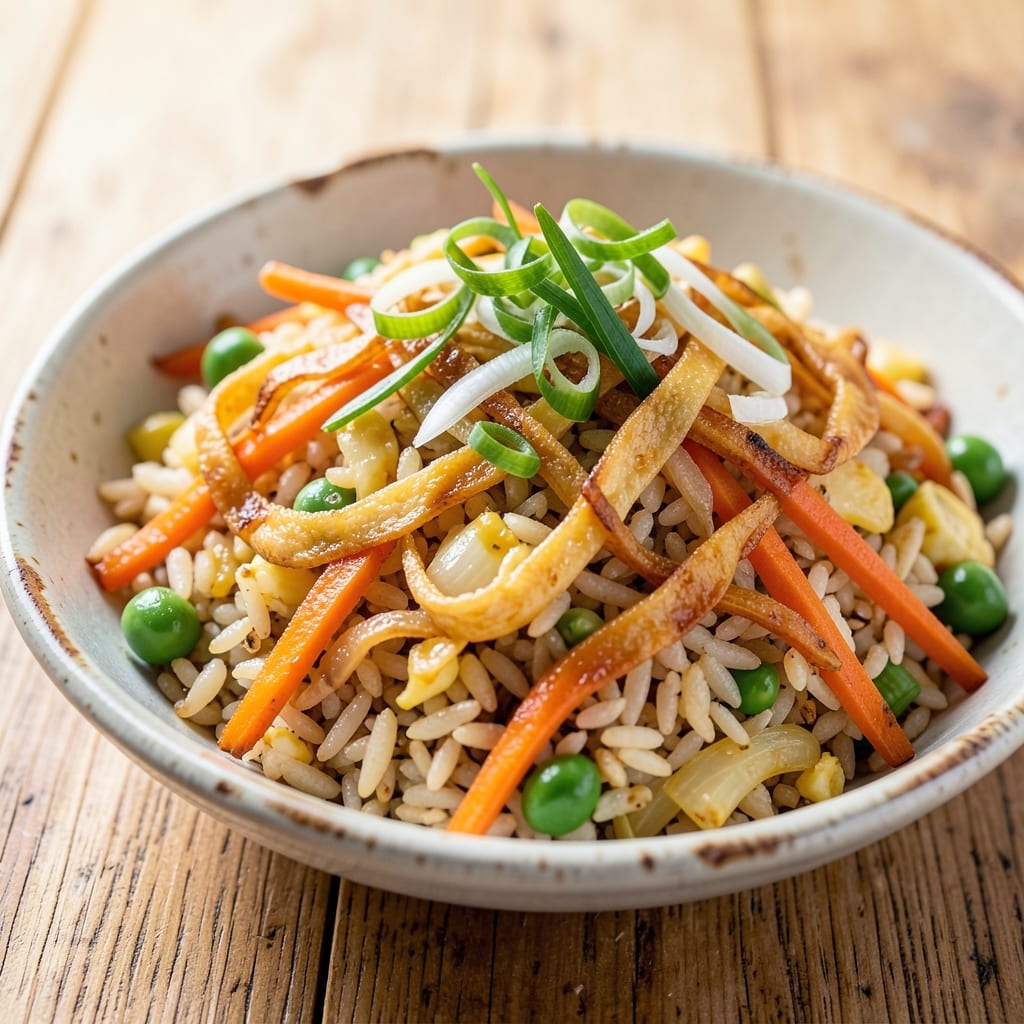
This American Chinese fried rice recipe delivers the perfect balance of smoky wok hei, tender veggies, and chewy eggy bits—just like your favorite takeout. The secret lies in high-heat stir-frying and proper rice texture, transforming day-old grains into a flavorful, crispy masterpiece. I’ve refined this recipe over years of testing, ensuring every bite is packed with savory depth and satisfying texture.
The foundation starts with perfectly cooked rice—slightly dry and separated—tossed with a flavorful sauce of soy, oyster, and sesame oil. Fresh veggies like peas, carrots, and onions add crunch, while scrambled eggs provide that signature chewy, golden bite. The key technique? Stir-frying in batches to maintain even heat and prevent sogginess. This method guarantees restaurant-quality results every time.
What you’ll end up with is a vibrant, aromatic dish where each ingredient shines—crispy egg bits, tender veggies, and perfectly seasoned rice. The wok hei (smoky flavor) from high-heat cooking elevates the dish, making it taste like it came straight from a bustling Chinese-American kitchen. Serve it hot, garnished with green onions, for a meal that’s both comforting and impressive.
For added versatility, swap in shrimp or chicken for protein, or go vegetarian with tofu. The recipe scales easily, making it ideal for weeknight dinners or meal prep. Let’s get cooking—this fried rice is a game-changer for home cooks.
Ingredients for american chinese fried rice
Transform day-old rice into restaurant-style fried rice with these essential ingredients.
| Ingredient | Amount | Notes |
|---|---|---|
| Day-Old Cooked White Rice 🍚 | 4 cups | Cold and separated, no clumps |
| Large Eggs 🥚 | 3 whole | Room temperature for even cooking |
| Yellow Onion 🧅 | ½ lb | Diced small, ~2 cups roughly chopped |
| Carrots 🥕 | ¼ lb | Julienned or finely diced, ~1.5 cups |
| Frozen Peas 🌱 | ½ cup | Thawed and drained, no need to cook |
| Green Onions 🌿 | ¼ cup | Sliced thin, white and green parts separated |
| Soy Sauce 🍶 | ⅓ cup | Light or regular, not low-sodium |
| Oyster Sauce 🍜 | 2 tbsp | High-quality, like Lee Kum Kee |
| Sesame Oil 🫒 | 1 tbsp | Toasted sesame oil, not regular |
| Vegetable Oil 🫒 | ½ cup | High smoke point, like avocado oil |
| Garlic Cloves 🧄 | 4 cloves | Minced fine, ~1 tbsp roughly chopped |
| Fresh Ginger 🌿 | 1 tbsp | Grated, ~1-inch piece roughly chopped |
| Salt 🧂 | 1 tsp | Kosher or sea salt |
| White Pepper 🌶️ | ¼ tsp | Freshly ground preferred |
The rice texture is everything—day-old, cold, and separated is non-negotiable. It should be slightly dry but not crumbly. For best results, cook a batch of jasmine or long-grain white rice the day before and spread it on a tray to cool. Whole Foods or Trader Joe's carry pre-cooked rice in the frozen section if you're short on time. The eggs need to be room temperature—cold eggs won't scramble properly. For the aromatics, Lee Kum Kee oyster sauce adds that signature depth, but Kikkoman works in a pinch. Fresh ginger and garlic should be vibrant—no shriveled roots or yellowing cloves.
No oyster sauce? Hoisin sauce or extra soy sauce bridges the gap, though the umami won't be identical. Frozen peas are a must—they hold their texture better than fresh. If you prefer fresh, blanch them first and shock in ice water to stop cooking. The green onions should be sliced thin—white parts first for cooking, then the greens for garnish. For a smokier wok hei, add a dash of chili crisp or sriracha at the end. The sesame oil should be toasted sesame oil—regular won't deliver that nutty aroma.
This dish reheats beautifully—microwave in 1-minute bursts with a splash of water to restore moisture. Store leftovers in an airtight container for 4-5 days in the fridge or freeze for 3 months. For meal prep, portion into containers with a layer of plastic wrap pressed against the rice to prevent drying. Garnish with extra green onions and a drizzle of sesame oil before serving—always serve immediately after reheating for that crispy texture.
Why You'll Love This Recipe
- One-Pan Magic: I swear by this—no chopping boards, no overflowing pots. Toss everything (even the frozen peas straight from the bag) into one wok or skillet, and let the heat work its magic. The onions caramelize while the eggs scramble, and by the time the rice gets its crispy edges, the whole kitchen smells like a shortcut to happiness.
- Eggy Umami Bomb: That first crack of the egg into the sizzling wok? Pure flavor payoff. The yolks stay rich and creamy while the whites get just crispy enough, then get folded into the rice like a warm, savory hug. Between us, I’ve tried fancy versions—this simple egg scramble beats them all.
- Leftovers’ Best Friend: Make a big batch on Sunday, and you’ve got lunch sorted for the week. Reheat it in minutes—no soggy rice, no sad textures—just that perfect balance of crispy and tender. Honestly, my kids would eat this cold for breakfast if I let them, and I might too.
- Budget Meal Superstar: Day-old rice? Check. Frozen peas? Check. A few eggs and a bag of carrots? You’re golden. This recipe turns pantry staples into something restaurant-worthy without draining your wallet. (Yes, even on a Tuesday night.)
Step-by-step instructions for American Chinese fried rice
Master this wok-heated fusion with crispy egg bits and perfectly seasoned grains.
Prepare the Base Ingredients
Begin by separating the 4 cups day-old cooked white rice into individual grains using your fingers or a fork. This prevents clumping and ensures even cooking. Spread the rice on a baking sheet and let it sit at room temperature for 10 minutes—this helps dry any surface moisture that would otherwise steam instead of crisp.
While the rice dries, prepare the vegetables. Dice the 0.5 lb yellow onion into small, even pieces. Julienne the 0.25 lb carrots into thin matchsticks—this size ensures they soften quickly without turning mushy. Mince the 4 cloves garlic and grate the 1 tbsp fresh ginger finely. Thaw and drain the 0.5 cup frozen peas in a colander, pressing gently to remove excess water. Slice the 0.25 cup green onions, separating the white and green parts for garnish later.
Scramble the Eggs for Crispy Bits
Crack the 3 whole large eggs into a bowl and whisk vigorously until the yolks and whites are fully combined and frothy. Heat a 14-inch wok or large skillet over high heat until it's smoking hot. Add 2 tablespoons of the vegetable oil and swirl to coat the pan evenly.
Pour in the egg mixture and let it sit undisturbed for 10-15 seconds—this creates the signature crispy edges. Using a spatula, gently push the eggs from the edges toward the center, creating soft curds as you go. Once the eggs are 80% set but still slightly runny, remove them from the wok and set aside. Keep the wok on heat for the next step.
Stir-Fry Vegetables and Aromatics
Return the wok to high heat and add the remaining 0.3 cup vegetable oil. Toss in the diced yellow onion and julienned carrots, stirring constantly for 2-3 minutes until they soften slightly but retain a crisp texture. Add the minced garlic and grated ginger, cooking for 30 seconds until fragrant—this prevents them from burning.
Stir in the thawed frozen peas and cook for another 1 minute. The vegetables should be tender-crisp with vibrant color. Immediately add the 4 cups separated day-old rice, breaking up any remaining clumps with your spatula. Sprinkle with the 1 tsp salt and 0.25 tsp white pepper, tossing continuously to coat the rice evenly.
Season and Combine All Elements
Pour in the 0.33 cup soy sauce and 2 tbsp oyster sauce, stirring vigorously to distribute the sauces evenly. Cook for 2-3 minutes until the rice absorbs the flavors and becomes fragrant. Add the scrambled eggs back into the wok and toss everything together for 1 minute to meld the flavors.
Drizzle in the 1 tbsp sesame oil and toss once more. The rice should be evenly coated with a glossy sheen and the aromas should be rich and savory. Taste and adjust seasoning if needed—add a splash of water if the rice appears too dry. Remove from heat immediately to preserve the crisp-tender texture.
Serve with Garnish and Style
Transfer the fried rice to a serving platter and garnish with the sliced green onion whites and greens. The whites add a subtle sharpness, while the greens provide fresh contrast. Serve immediately while the rice is hot, with extra green onions on the side for garnish.
Each bite should deliver a perfect balance of textures—crispy egg bits, tender vegetables, and fluffy rice—all unified by the savory-sweet sauce. For best results, serve with steamed broccoli or a simple cucumber salad to complement the rich flavors.
Pro Tips For Making American Chinese Fried Rice
- STIR-FRY THE EGG FIRST: Scramble the eggs in the same wok you’ll use for the rice—high heat, fast stir, and pull them out when they’re just set. This prevents soggy eggs later and adds a crispy edge that’s non-negotiable in good fried rice. (Yes, even if you’re impatient like me.)
- CHOP ONIONS SMALLER THAN YOU THINK: Tiny dice—no bigger than ¼-inch cubes—so they cook through before the rice turns mushy. Big chunks just sit there like sad, undercooked guests. My grandmother swore by this, and she was right: texture matters more than presentation.
- USE A LITTLE SOY SAUCE NOW: Toss the rice with 1 tablespoon of soy sauce before adding other veggies—it seasons the grains evenly and prevents blandness. Skip this, and you’ll end up chasing flavor with extra sauce at the end. (Your future self will thank you.)
- THAW PEAS IN HOT WATER: Dump frozen peas in a bowl of boiling water for 30 seconds to thaw, then drain. Cold peas release excess water into the wok, turning your fried rice into a sad, soupy mess. Sounds weird, but it works—and saves you from scraping up a puddle.
Health benefits of this recipe
Protein-Packed Powerhouse
This fried rice packs a serious protein punch with 3 large eggs and optional additions like chicken or shrimp. Each serving delivers about 15-20 grams of protein—perfect for muscle recovery or a satisfying meal. The eggs provide all nine essential amino acids, while the soy and oyster sauces add complementary umami flavors that enhance protein absorption. 💪
Fiber-Rich Veggies
The combination of carrots, peas, and onions brings 4-5 grams of fiber per serving, supporting digestion and keeping you full longer. The julienned carrots add natural sweetness while the peas contribute plant-based protein. I always use frozen peas—they hold their texture better and are pre-washed for convenience. Fresh veggies like bell peppers or snap peas can boost fiber even more.
Heart-Healthy Fats
The sesame oil and vegetable oil used in cooking provide beneficial fats, including omega-3s from sesame. A 1 tbsp serving of sesame oil contains about 14 grams of fat, mostly unsaturated. The high-heat stir-frying method preserves these healthy fats better than boiling or steaming. For an extra boost, swap vegetable oil for avocado oil, which has an even higher smoke point and heart-healthy profile.
Low-Calorie Comfort Food
At around 350-400 calories per serving, this fried rice delivers satisfying flavors without excessive calories. The day-old rice is lower in calories than fresh rice because it's cooled and slightly dried. The key to keeping it light is using high-heat cooking to develop flavor without adding extra fat. For a lighter version, reduce the oil to 0.25 cup total and increase the stir-frying speed to prevent sticking.
Vitamin Boost
This dish is a vitamin powerhouse with vitamin A from carrots, vitamin C from onions, and vitamin K from green onions. The peas contribute folate and vitamin B6, while the eggs provide vitamin D and B12. I always double-check that my frozen peas are labeled "no added salt" to keep sodium in check. Fresh ginger adds anti-inflammatory benefits, and garlic provides immune-boosting properties.
Balanced Energy
The combination of complex carbs from rice, protein from eggs, and healthy fats creates a balanced energy profile. This makes it perfect for post-workout meals or busy weeknight dinners. The white pepper adds a subtle kick without heat, while the sesame oil provides a nutty aroma that enhances the overall experience. For added energy, serve with a side of edamame or miso soup to complete the protein-carb-fat balance. ✨
Nutrition facts
Frequently asked questions
Why does the recipe call for day-old rice?
Day-old rice is critical for perfect texture—it's drier and separates more easily, preventing clumping. Freshly cooked rice releases too much moisture when stir-fried, resulting in soggy, sticky rice. Spread leftover rice on a tray to cool overnight, or cook a batch the day before.
Can I use fresh rice instead of day-old?
Yes, but you'll need to dry it first. Spread freshly cooked rice on a baking sheet and let it sit uncovered for 15-20 minutes at room temperature, stirring occasionally. This mimics the drying process of day-old rice. For best results, use jasmine or long-grain white rice—short-grain varieties stay too sticky.
What's the secret to crispy egg bits?
High heat and minimal stirring! Cook eggs in a smoking-hot wok until edges are set, then gently push them from the edges to create soft curds. Remove when 80% set—they'll finish cooking when tossed back in with the rice. Room-temperature eggs scramble more evenly than cold ones.
How do I prevent my fried rice from getting mushy?
Overcrowding and low heat are the main culprits. Use a 14-inch wok or large skillet and cook in batches if needed. Keep heat at high the entire time, and stir constantly to develop the wok hei (smoky flavor). Add a splash of water if the rice seems too dry, but avoid overmixing once sauce is added.
What protein swaps work best?
For quick prep, use chicken breast or shrimp (pre-cooked and diced). For vegetarian, try tofu or edamame. If using raw chicken, cook it separately until 165°F before adding to the rice. For shrimp, sauté until pink (120°F internal temp) and add at the end to prevent overcooking.