
Main Courses
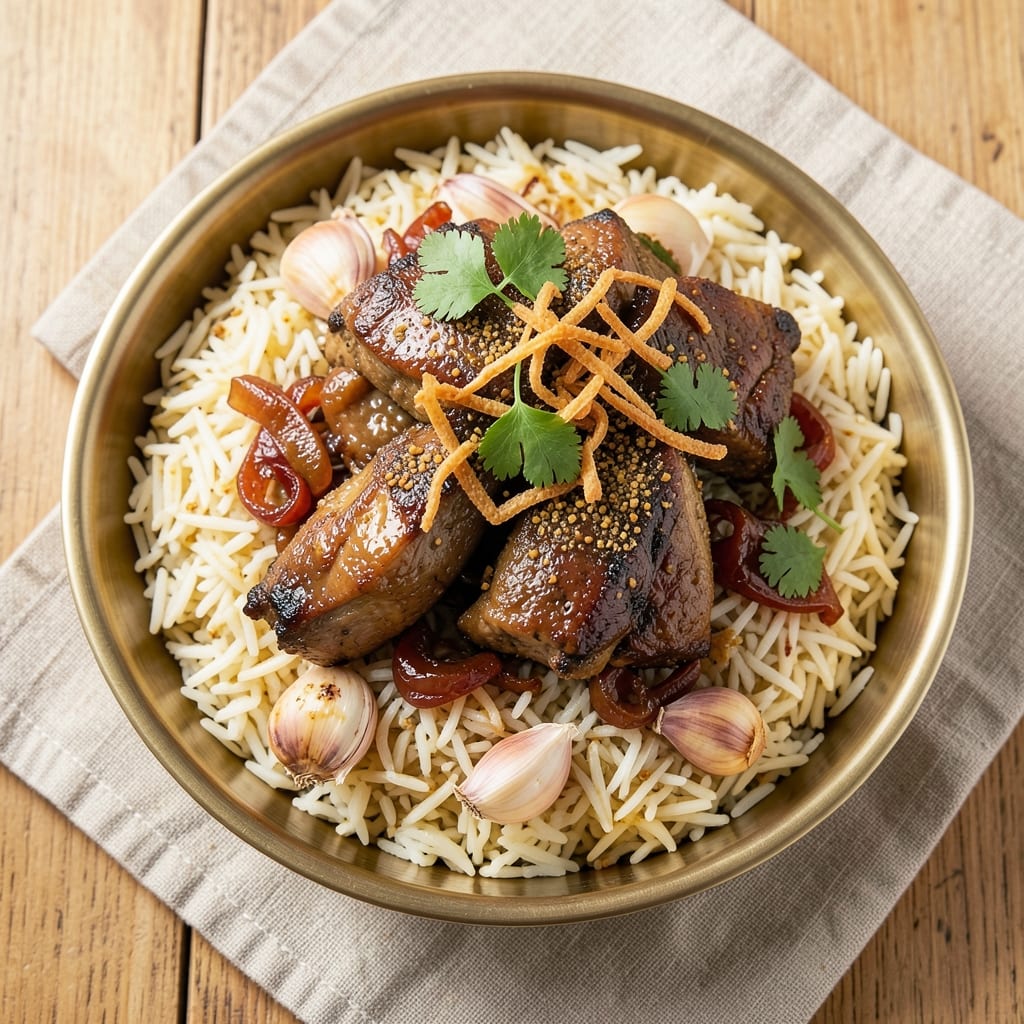
This Arabian kabsa rice recipe brings the rich, aromatic flavors of Saudi Arabia to your kitchen with tender lamb, fragrant basmati rice, and a blend of warm spices that create an unforgettable meal. The dish is a celebration of tradition, where each component—from the marinated meat to the toasted rice—plays a crucial role in delivering depth and complexity. What makes kabsa truly special is its balance of textures and flavors: crispy fried onions, plump raisins, and a sauce that's both tangy and rich, all coming together in perfect harmony.
The secret to authentic kabsa lies in the marinade, which infuses the lamb with a mix of cumin, coriander, and cardamom, creating layers of flavor that develop as the meat cooks. The rice, traditionally toasted in ghee before simmering in broth, absorbs the spices and meat juices, resulting in grains that are tender yet distinct. This recipe stays true to its roots while offering a streamlined approach for home cooks, ensuring restaurant-quality results without the complexity.
By the time you serve this dish, your kitchen will be filled with the intoxicating aroma of spices and lamb, and your guests will be treated to a meal that's as visually stunning as it is delicious. The golden-brown rice, speckled with fried onions and raisins, contrasts beautifully with the tender, spiced lamb, making every bite a symphony of flavors. Perfect for special occasions or family gatherings, this kabsa is sure to become a staple in your cooking repertoire.
Serve it with a side of fresh salad or warm flatbread to complement the rich flavors, and don't forget to garnish with extra fried onions and a sprinkle of fresh parsley for that final touch of elegance. The dish is hearty and satisfying, making it ideal for sharing, but also deeply comforting when enjoyed alone. Let's bring the heart of Saudi Arabia to your table with this timeless recipe.
Ingredients for arabian kabsa rice
Sixteen ingredients bring Saudi Arabia's aromatic kabsa to your table with tender lamb and fragrant toasted rice.
| Ingredient | Amount | Notes |
|---|---|---|
| Lamb Shoulder 🥩 | 3 lb | Bone-in for best flavor |
| Basmati Rice 🍚 | 2 cups | Long-grain, uncooked |
| Yellow Onions 🧅 | 2 whole | Medium size, sliced |
| Garlic Cloves 🧄 | 8 cloves | Peeled, minced |
| Ghee 🧈 | ½ cup | For rice toasting |
| Ground Cumin 🌿 | 2 tsp | Toasted for depth |
| Ground Coriander 🌿 | 2 tsp | Freshly ground preferred |
| Cardamom Pods 🌱 | 8 whole | Lightly crushed |
| Ground Turmeric 🧂 | 1 tsp | Bright yellow color |
| Raisins 🍇 | ½ cup | Plump, seedless |
| Fresh Parsley 🌿 | ¼ cup | Chopped for garnish |
| Lemon 🍋 | 1 whole | Juiced for brightness |
| Salt 🧂 | 1 ½ tsp | Kosher or sea salt |
| Black Pepper 🌶️ | ½ tsp | Freshly ground |
| Water 💧 | 4 cups | For rice cooking |
The lamb is the heart of kabsa, so bone-in shoulder gives the most flavor—it stays tender while the bones infuse the broth. Look for well-marbled cuts at Whole Foods or Middle Eastern markets if possible, but your regular butcher will have it too. The rice? Basmati from India or Pakistan is ideal—it splits perfectly and stays separate. If you can't find it, jasmine rice works in a pinch, but the aroma won't be quite the same. Cardamom pods are non-negotiable—they give that signature floral note. Penzeys or Indian grocery stores carry them whole, which is best, but ground works if you're in a hurry.
No cardamom? Double the cinnamon for warmth, though it's not the same. Running short on raisins? Dried apricots chopped small add sweetness without changing the texture. The ghee for toasting the rice is worth splurging on—Kerala brand from Indian stores has the best flavor, but regular ghee works fine. Fresh parsley is ideal for garnish, but dried oregano at half the amount gets you close if you're out. The onions? Yellow onions are traditional, but red onions add color if you prefer. Just remember to fry them until crispy—they should be golden and crunchy, not soft.
This dish tastes even better the next day, so make extra if you can. Store leftovers in an airtight container for 4-5 days—the flavors meld beautifully over time. For freezing, portion into containers with a layer of broth on top to prevent drying. Thaw overnight in the fridge and reheat gently with a splash of water. The rice reheats best covered on low heat, stirring occasionally. Garnish with extra fried onions and parsley right before serving—that final touch makes all the difference.
Why You'll Love This Recipe
- One-Pot Magic: I swear by this recipe because it’s actually one-pot—no rice burner, no sticky mess. The lamb cooks right in the pot with the rice, so the flavors meld perfectly while I clean up in minutes. (Yes, even on a Tuesday night.)
- Flavor Bomb: That slow-cooked lamb shoulder falling apart in rich, spiced sauce? Chef’s kiss. The ghee gives it this golden, almost buttery depth, while the garlic and onions caramelize into something dangerously addictive. Honestly, I’ve ruined other meals trying to replicate it.
- Weekend Feast: This isn’t just dinner—it’s the centerpiece. Serve it with flatbread for a casual lunch, or pile it high for guests and call it a celebration. The leftovers? Even better the next day, so I make double portions without guilt.
- Budget Hero: Lamb shoulder is affordable, and a single cut feeds four. The rice stretches, the spices bulk-buy well, and the ghee adds luxury without breaking the bank. Between us, this is how I stretch my grocery bill and impress people. No compromises.
Step-by-step instructions for Arabian kabsa rice
Here's how to create this fragrant, spiced lamb and rice dish that's perfect for gatherings.
Prepare the Lamb Shoulder
Start by trimming any excess fat from the 3 lb lamb shoulder, leaving about ¼ inch for flavor. Pat it completely dry with paper towels—this helps the spices adhere and promotes better browning. In a small bowl, mix together 1.5 tsp salt, 0.5 tsp black pepper, 2 tsp ground cumin, 2 tsp ground coriander, 1 tsp ground turmeric, and 8 lightly crushed cardamom pods. Rub this spice blend all over the lamb, pressing it into the meat so it penetrates deeply.
Place the lamb in a large pot or Dutch oven and add the 2 whole yellow onions, sliced, and 8 minced garlic cloves around it. Pour in 1 cup of water just to cover the bottom of the pot. Bring to a boil over high heat, then immediately reduce to a simmer. Cover and cook for 45 minutes, turning the lamb occasionally to ensure even cooking. This initial cooking helps tenderize the meat and infuse it with the aromatic spices.
Toast the Basmati Rice and Build the Flavor Base
While the lamb simmers, heat 0.5 cup ghee in a separate large pot over medium heat. Add the 2 cups basmati rice and toast it for 3-4 minutes, stirring constantly with a wooden spoon. You'll see the rice turn slightly translucent and smell nutty—this toasting step is crucial for developing the rice's natural flavors and preventing mushiness.
Add the 8 whole cardamom pods (if not already used) and toast for another 30 seconds until fragrant. Remove the rice from the pot and set it aside. In the same pot, add the remaining 0.5 cup ghee and stir in the 0.5 cup raisins, cooking for 1 minute until they plump slightly and turn golden. This step adds a delightful sweet contrast to the savory lamb.
Combine Lamb and Rice for Perfect Kabsa
Carefully transfer the lamb and all its juices (including the onions and garlic) to the pot with the toasted rice. Add the remaining 3 cups water to reach a total of 4 cups. Stir gently to combine, then bring the mixture to a boil over high heat. Once boiling, reduce heat to low, cover tightly with a lid, and simmer for 25 minutes. Don't peek or stir during this time—it's essential for developing the rice's texture and preventing the lamb from overcooking.
After 25 minutes, check the rice for doneness. It should be tender with a slight bite, and the liquid should be mostly absorbed. If there's still some liquid remaining, cover and cook for another 5 minutes. The lamb should be tender enough to pull apart with a fork but not falling off the bone. Here's the thing—if the rice seems dry before the lamb is fully cooked, add ¼ cup water and cook for another 5 minutes.
Finish with Brightness and Garnish
Once the rice is perfectly cooked and the lamb is tender, remove the pot from heat. Let it rest for 10 minutes, covered, to allow the flavors to meld and the lamb to reabsorb its juices. This resting period is crucial for achieving the best texture and preventing dry meat.
While the kabsa rests, juice the whole lemon and strain it to remove any seeds. Stir the lemon juice into the kabsa along with the 0.25 cup chopped fresh parsley. Taste and adjust seasoning if needed—you might want to add a pinch more salt or a squeeze of extra lemon for brightness. The lemon juice cuts through the richness of the lamb and ghee, balancing the dish beautifully.
Serve with Traditional Flair
Transfer the kabsa to a serving platter, fluffing the rice gently with a fork. Garnish with additional chopped parsley and serve immediately with warm naan or flatbread. The aroma alone will have everyone gathering around the table—this dish is all about sharing and savoring together.
For the perfect presentation, serve family-style in a large bowl at the center of the table. Each bite should deliver tender lamb, fragrant rice, and a perfect balance of spices. The raisins add a subtle sweetness, while the lemon brightens everything up. This is comfort food at its finest—warm, flavorful, and deeply satisfying.
Pro Tips For Making Arabian Kabsa Rice
- Sear the Lamb Hard: Lamb shoulder won’t render its fat properly if it’s just lightly browned—get that meat deep golden in a hot pot with ghee before adding onions. I learned this the hard way when my first batch tasted bland; now I push the heat until the pan smells like a Saudi spice market.
- Toast the Rice Dry: Skip the pre-soak—rinsed basmati needs a quick dry toast in ghee (about 2 minutes) to prevent mush. My grandmother swore by this, and she was right: the grains stay separate, and the ghee’s nutty aroma sticks to every bite.
- Layer Spices Gradually: Dumping all the spices at once burns the garlic and overpowers the dish. Start with onions and garlic, then add half the spices, cook until fragrant, then finish with the rest—this keeps flavors balanced and prevents bitterness.
- Use Bone Broth, Not Water: Water makes kabsa taste flat; lamb bone broth (or even strong chicken broth) adds depth. I was skeptical until I tried it—the rice absorbs the richness, and the lamb stays juicier. (Yes, even if you’re impatient like me.)
Regional styles of arabian kabsa rice
Saudi Arabian Classic
In Saudi Arabia, kabsa is more than a dish—it's a centerpiece for celebrations like Eid and weddings. The traditional version uses lamb shoulder marinated in a blend of cardamom, cumin, and coriander, then slow-cooked until fall-off-the-bone tender. The rice is toasted in ghee until nutty, then simmered with the lamb and its aromatic juices. What sets it apart is the fried onions sprinkled on top, which add a crispy contrast to the soft rice. 🌟
Yemeni Spiced Twist
Yemen's version, called kabsa al-sha'bi, swaps lamb for goat meat and adds fresh cilantro and fenugreek leaves to the rice. The marinade includes black pepper and cloves, giving it a deeper, slightly sharper flavor profile. Yemeni cooks often serve it with a side of spicy tomato sauce on the side for dipping. This variation is heartier and more complex, perfect for those who love bold spices.
Omani Coastal Style
Along Oman's coast, kabsa takes on a seafood twist—shrimp or fish replaces lamb, and the rice is infused with saffron and lime zest for a brighter, citrusy note. The dish is lighter but equally fragrant, often garnished with toasted coconut flakes instead of fried onions. Omani kabsa is commonly served with harissa-spiked yogurt sauce on the side, balancing the dish's richness. 🌊
Modern Fusion Adaptations
For a contemporary take, try swapping lamb for chicken thighs and adding diced pineapple to the rice for a tropical twist. Or, for a vegetarian version, use mushrooms and chickpeas as the protein base. Some chefs even incorporate smoked paprika or chipotle powder for a smoky depth. These adaptations keep the dish's soul intact while making it accessible to modern palates.
Gulf Region Variations
In the United Arab Emirates, kabsa often includes dates stuffed with almonds as a garnish, adding a sweet crunch. Kuwaiti cooks might add tomato paste to the rice for a tangier flavor, while Qatari versions sometimes include ground cinnamon for warmth. Each region's take reflects local ingredients and preferences, but the core technique—slow-cooked meat with toasted rice—remains the same. 🗺️
Nutrition facts
Frequently asked questions
Can I substitute chicken for lamb in kabsa?
Chicken thighs work beautifully—they stay juicy and absorb the spices well. Use 3-4 bone-in thighs instead of lamb, and reduce the cooking time to 30 minutes (instead of 45) in Step 1. The texture will be slightly different but still delicious. For extra richness, add 2 tablespoons ghee when toasting the rice.
Why does my kabsa rice turn out mushy?
Mushy rice usually happens from overcooking or not toasting it properly. Always toast the rice in ghee for 3-4 minutes until translucent, then simmer with 4 cups total liquid (not more). If the rice seems dry before the lamb is done, add just ¼ cup water and cook 5 more minutes. Never stir the rice while cooking—it releases starch and makes it gummy.
How do I make kabsa vegetarian?
Replace the lamb with 1 lb mushrooms and 1 can chickpeas (drained). Sauté the mushrooms first with the onions and garlic, then proceed with the rice toasting. Add 1 tablespoon tomato paste to the rice for depth. For protein, use 1 cup cooked lentils or tofu cubes marinated in the spice blend. The dish will still be hearty and flavorful!
Can I prepare kabsa ahead of time?
Yes! Kabsa tastes even better the next day. Let it cool completely, then store in an airtight container for 4-5 days in the fridge. For reheating, add 2 tablespoons water per cup of rice and simmer covered on low heat for 10 minutes. The flavors meld beautifully overnight, making it perfect for meal prep. Just add fresh fried onions before serving.
What's the best way to serve kabsa?
Serve family-style in a large bowl at the center of the table with warm naan or flatbread. Garnish with extra fried onions, chopped parsley, and a squeeze of lemon. For a complete meal, add a side of cucumber salad or spiced yogurt sauce. In Saudi Arabia, it's traditional to eat with your hands—use the flatbread to scoop up bites for the full experience!