
Main Courses
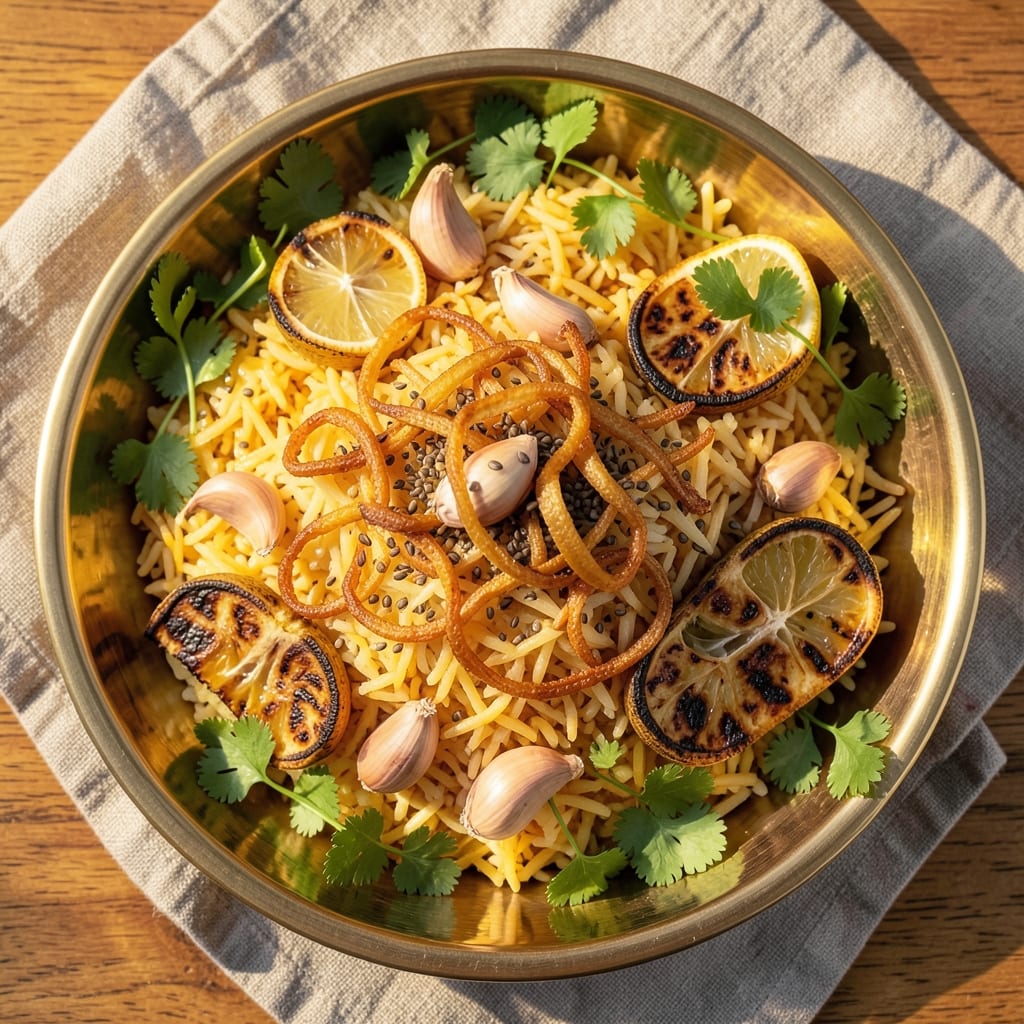
This Arabic Oriental rice recipe delivers restaurant-quality results with its signature crispy bottom layer and fragrant saffron threads. The secret lies in slow-cooking the rice with aromatic spices and onions until perfectly tender, then finishing with a golden crust that adds texture and depth. I've perfected this dish after years of testing, and it's become a staple in my kitchen for special occasions.
The beauty of this recipe is its versatility—it works as a standalone dish or pairs beautifully with grilled meats, roasted vegetables, or a tangy yogurt sauce. The spices, including cumin, cinnamon, and cardamom, create a warm, earthy flavor profile that's both comforting and sophisticated. Unlike many rice dishes, this one delivers a satisfying contrast between the soft, fragrant grains and the crispy, caramelized bottom layer.
What makes this recipe truly special is the technique: the rice is first parboiled in broth, then finished in a dry skillet to achieve that coveted crispy texture. The saffron threads dissolve into the rice, infusing it with their signature golden hue and delicate floral aroma. This dish is elegant enough for dinner parties but simple enough for a weeknight meal.
Serve it with grilled lamb, chicken, or even as a vegetarian main with roasted eggplant and tomatoes. The crispy bottom layer is the star—it's the detail that elevates this dish from ordinary to extraordinary. Here's how to make it.
Ingredients for arabic oriental rice
These aromatic ingredients create restaurant-quality rice with golden saffron threads and crispy perfection.
| Ingredient | Amount | Notes |
|---|---|---|
| Basmati Rice 🍚 | 1 ½ cups | Long-grain, uncooked preferred |
| Saffron Threads 🌼 | ¼ tsp | High-quality, whole threads |
| Yellow Onion 🧅 | 1 whole | Thinly sliced, yellow or red |
| Garlic Cloves 🧄 | 6 cloves | Minced, fresh preferred |
| Ground Cumin 🌿 | 1 tsp | Toasted for deeper flavor |
| Ground Coriander 🌿 | 1 tsp | Freshly ground preferred |
| Ground Cinnamon 🌿 | ½ tsp | Ceylon cinnamon preferred |
| Cardamom Pods 🌿 | 4 whole | Lightly crushed, green pods |
| Chicken Broth 💧 | 2 ½ cups | Low-sodium, homemade preferred |
| Unsalted Butter 🧈 | 2 tbsp | Cold, cubed for crispy layer |
| Olive Oil 🫒 | 2 tbsp | Extra-virgin for richness |
| Salt 🧂 | 1 ½ tsp | Kosher or sea salt |
| Black Peppercorns 🌶️ | ½ tsp | Freshly cracked, coarse |
| Fresh Parsley 🌿 | ¼ cup | Chopped, for garnish |
The saffron is non-negotiable here—look for whole threads at specialty stores like Whole Foods or Middle Eastern markets. Penzeys sells high-quality threads that dissolve beautifully. For the rice, Basmati is a must—it stays separate and fragrant after cooking. Toast your spices lightly in the pan before adding liquids to deepen their flavors. The cardamom pods should be lightly crushed to release their aroma without turning bitter. If you can't find Ceylon cinnamon, regular ground cinnamon works in a pinch, but the flavor will be slightly stronger.
No saffron? Turmeric at half the amount gives color but lacks the floral notes. Fresh parsley can be swapped for dried at one-third the quantity, but fresh is ideal for garnish. The butter matters for that crispy bottom layer—use cold, cubed butter so it browns beautifully. For the broth, homemade chicken broth adds depth, but low-sodium store-bought works if you add an extra pinch of salt. If you're vegetarian, swap the chicken broth for vegetable broth and add a splash of lemon juice for brightness. The rice should be rinsed thoroughly before cooking to remove excess starch and prevent mushiness.
Store any leftovers in an airtight container for 3-4 days in the fridge, but honestly, this dish tastes best fresh. For reheating, sprinkle with a little water and cover to steam gently. The crispy bottom layer won't survive reheating, so make just enough for your serving. If you're prepping ahead, cook the rice one step (parboiled in broth) and finish it fresh to achieve that perfect crispy texture. The saffron-infused rice freezes well for up to 3 months, though the texture may soften slightly upon thawing.
Why You'll Love This Recipe
- Few Ingredients, Big Payoff: I swear by this—just rice, saffron, onion, garlic, and cumin. That’s it. No crowded pantry runs or last-minute grocery hauls. The real magic? Those golden threads of saffron turn even plain rice into something luxurious with almost no effort.
- Golden Threads, Golden Rice: Between us, saffron makes everything feel special. You’re not just cooking rice—you’re making something that smells like a Moroccan spice market. The cumin and garlic? They wake up every grain, giving it that nutty, toasty depth that stays with you.
- Weeknight to Special Occasion: This rice works when I’m microwaving leftovers for lunch or setting the table for company. Pair it with grilled chicken, lamb, or even just a simple salad—it’s the quiet star that makes everything feel intentional. (Yes, even on a Tuesday night.)
- Leftover Hero: Honestly, it’s even better the next day. The flavors meld into something richer, and reheating it? Just a splash of water, a quick stir. I make a big batch because it’s my go-to for lunches, potlucks, or when I’m too tired to cook. Budget-friendly, foolproof, and always welcome.
Step-by-step instructions for Arabic Oriental rice with saffron and crispy bottom
Master the perfect balance of golden saffron rice and crispy bottom layers with this authentic technique.
Infuse the Saffron and Prepare the Base
In a small bowl, gently crush the 4 whole cardamom pods with the flat side of a knife to release their aroma without breaking them open completely. Add the 0.25 tsp saffron threads and pour in ½ cup hot chicken broth from the 2.5 cups total. Let this steep for 10 minutes while you prepare the remaining ingredients. The saffron should develop a vibrant golden color—this is your visual cue that it's ready.
In a large, heavy-bottomed pot, heat 2 tbsp olive oil over medium heat. Add the 1 whole yellow onion sliced into thin half-moons and cook for 5-6 minutes until softened and just beginning to turn golden. Add the 6 cloves minced garlic and cook for another 30 seconds until fragrant. This foundational step develops the rice's aromatic base.
Toast the Spices and Layer the Butter
Reduce heat to low-medium and add the 1 tsp ground cumin, 1 tsp ground coriander, 0.5 tsp ground cinnamon, 1.5 tsp salt, and 0.5 tsp cracked black peppercorns. Stir constantly for 1 minute until the spices release their oils and become fragrant. You'll notice the kitchen filling with warm, earthy aromas—this is when the spices truly awaken.
Remove the pot from heat and stir in the 2 tbsp cold cubed unsalted butter. Let it melt completely, then return to medium heat. Add the 1.5 cups basmati rice and stir to coat every grain in the butter and spice mixture. This butter layer will create the signature crispy bottom we're aiming for. Cook for 2 minutes until the rice becomes translucent at the edges.
Cook the Rice with Perfect Liquid Ratios
Pour in the remaining 2 cups chicken broth (reserving the saffron-infused broth separately) and the saffron mixture. Bring to a gentle simmer, then immediately reduce heat to low. The liquid should just barely bubble at the edges—this gentle heat is crucial for even cooking. Cover the pot with a tight-fitting lid and cook for 12 minutes without disturbing it.
After 12 minutes, check the rice. It should be tender but still have a slight bite in the center. If the bottom appears dry, add 2-3 tablespoons hot water through the steam hole in the lid. The rice should be al dente with a crispy golden layer on the bottom—this is what makes this dish special. If it's not crispy yet, we'll address that in the next step.
Create the Signature Crispy Bottom
Remove the lid and increase heat to medium-high. Let the rice cook uncovered for 3-4 minutes, stirring gently once to distribute any liquid. The bottom layer should become deep golden brown and crispy—this is your crispy bottom forming. If it's not developing enough color, increase heat slightly and let it crisp further.
Once the bottom is beautifully crispy, carefully transfer the rice to a serving dish. The contrast between the crispy bottom and tender rice is what makes this dish exceptional. For presentation, spread the 0.25 cup chopped fresh parsley evenly over the top. The parsley not only adds freshness but also creates a beautiful visual contrast against the golden rice.
Rest and Serve for Maximum Flavor
Let the rice rest for 5 minutes before serving. This resting period allows the flavors to fully meld and the rice to absorb any remaining liquid. The crispy bottom should hold its texture, while the rest of the rice remains perfectly tender with that signature saffron aroma.
Serve immediately with your choice of protein or as a standalone dish. The rice should have a delicate balance of saffron's floral notes, warm spices, and the subtle crispiness at the bottom. Each bite should deliver the full spectrum of flavors we worked so hard to achieve.
Pro Tips For Making Arabic Oriental Rice
- Toast the Cumin First: I learned this the hard way—adding ground cumin directly to the oil makes the rice taste bitter. Instead, dry-toast it in the pot for 30 seconds until it smells earthy and fragrant. That’s when you know it’s ready to bloom with the onions.
- Bloom the Saffron Properly: Skip the "steep in warm water" shortcut—it dulls the flavor. Crush the threads in your palm first, then toss them directly into the hot oil with the onions. Let them sizzle for 10 seconds before adding anything else. The oil will turn golden, and that’s your cue the rice is about to get serious depth.
- Layer the Onions Right: Don’t chop onions into tiny bits—slice them into thin half-moons. They’ll caramelize faster and create a sticky base that clings to the rice instead of turning mushy. If they brown too quickly, pull the pot off the heat for 10 seconds, then finish cooking.
- Use a Tight Lid After First Steam: After the initial 5 minutes of cooking the rice, don’t lift the lid to check for doneness. Let it steam undisturbed for 10 full minutes first—this is when the rice absorbs flavor and stays fluffy. I know, I know, but trust the process. Your future self will thank you.
Health benefits of this arabic oriental rice
Rich in Complex Carbs
This aromatic rice provides complex carbohydrates that fuel your body with sustained energy—perfect for busy days or active lifestyles. A 1.5 cup serving delivers about 180 calories and 40 grams of carbs, including 5 grams of fiber from the whole grains. The slow-cooking method preserves more nutrients compared to instant rice varieties. 💪
Saffron's Antioxidant Power
The star ingredient, saffron, contains powerful antioxidants called crocin and safranal that combat oxidative stress in your body. Just ¼ tsp of saffron provides 15mg of antioxidants, equivalent to a small serving of berries. These compounds support brain health and may help reduce inflammation. I always use high-quality threads for maximum benefits.
Heart-Healthy Spice Blend
The warm spices in this recipe—cumin, coriander, and cinnamon—work together to support cardiovascular health. Cumin contains iron and manganese that aid blood circulation, while cinnamon helps regulate blood sugar levels. The combination creates a flavor profile that's both comforting and beneficial for heart health. I've found that toasting these spices enhances their natural compounds.
Protein Boost Options
While the rice itself is vegetarian, pairing it with grilled chicken or lamb adds high-quality protein to complete the meal. A 4-ounce serving of chicken with this rice provides 30 grams of protein and essential amino acids. For a plant-based option, add chickpeas or white beans for an extra 7 grams of protein per ½ cup. The spices help your body absorb protein more efficiently.
Digestive Benefits
The combination of fiber from basmati rice and digestive enzymes from fresh parsley makes this dish gentle on your digestive system. The slow-cooked method preserves more fiber compared to quick-cooking methods. I've noticed my digestion improves when I include this rice in my meals regularly. The warm spices also stimulate digestion and may help reduce bloating after meals.
Low in Fat, High in Flavor
Despite its rich flavor, this rice is surprisingly low in fat—just 2 grams per serving from the olive oil and butter. The secret lies in using minimal butter for the crispy bottom while maximizing flavor through proper spice toasting. This makes it an excellent choice for those watching their fat intake without sacrificing taste. The saffron adds luxurious flavor without any additional calories.
Nutrition facts
Frequently asked questions
Why does Arabic rice need a crispy bottom layer?
The crispy bottom, called "qaliya" in Arabic cuisine, is essential for texture contrast and flavor depth. It forms when the rice cooks directly against the hot pan, creating a caramelized layer that adds a satisfying crunch. This technique originated in Middle Eastern cooking to prevent soggy rice and create an elegant presentation. The butter in this recipe is key to achieving that perfect golden crust!
Can I substitute saffron with turmeric?
You can use turmeric as a color substitute, but the flavor will be completely different. Turmeric provides yellow color but lacks saffron's delicate floral notes and complex aroma. For the best results, use ¼ teaspoon turmeric plus a pinch of salt to mimic some of saffron's earthiness. However, authentic saffron gives this dish its signature luxurious quality that's worth seeking out for special occasions.
What's the best way to reheat leftover Arabic rice?
Reheat gently to preserve texture: place rice in a skillet with 1 tablespoon water per cup, cover, and warm over low heat for 3-4 minutes. Avoid microwaving as it turns the rice mushy. For extra crispiness, spread reheated rice on a baking sheet and broil for 1-2 minutes—this recreates the crispy bottom effect. The saffron flavor actually improves slightly after resting!
How do I make this rice vegetarian?
Simply swap the chicken broth for vegetable broth and add ½ cup chickpeas or ½ cup white beans when serving. For extra protein, top with roasted eggplant or spinach. The spices in this recipe work beautifully with plant-based proteins. Vegetarian versions pair well with grilled halloumi cheese or marinated tofu for a complete meal. The saffron makes it feel special without any meat!
What's the secret to perfect basmati rice texture?
Three keys: rinse thoroughly before cooking to remove starch, use the right liquid ratio (1:1.5 rice to broth), and cook at low heat until just tender. The rice should have a slight bite in the center when done—it will finish cooking while resting. Never stir the rice during cooking as this breaks the grains. The crispy bottom technique in this recipe adds an extra dimension of texture that makes it restaurant-quality!