
Main Courses
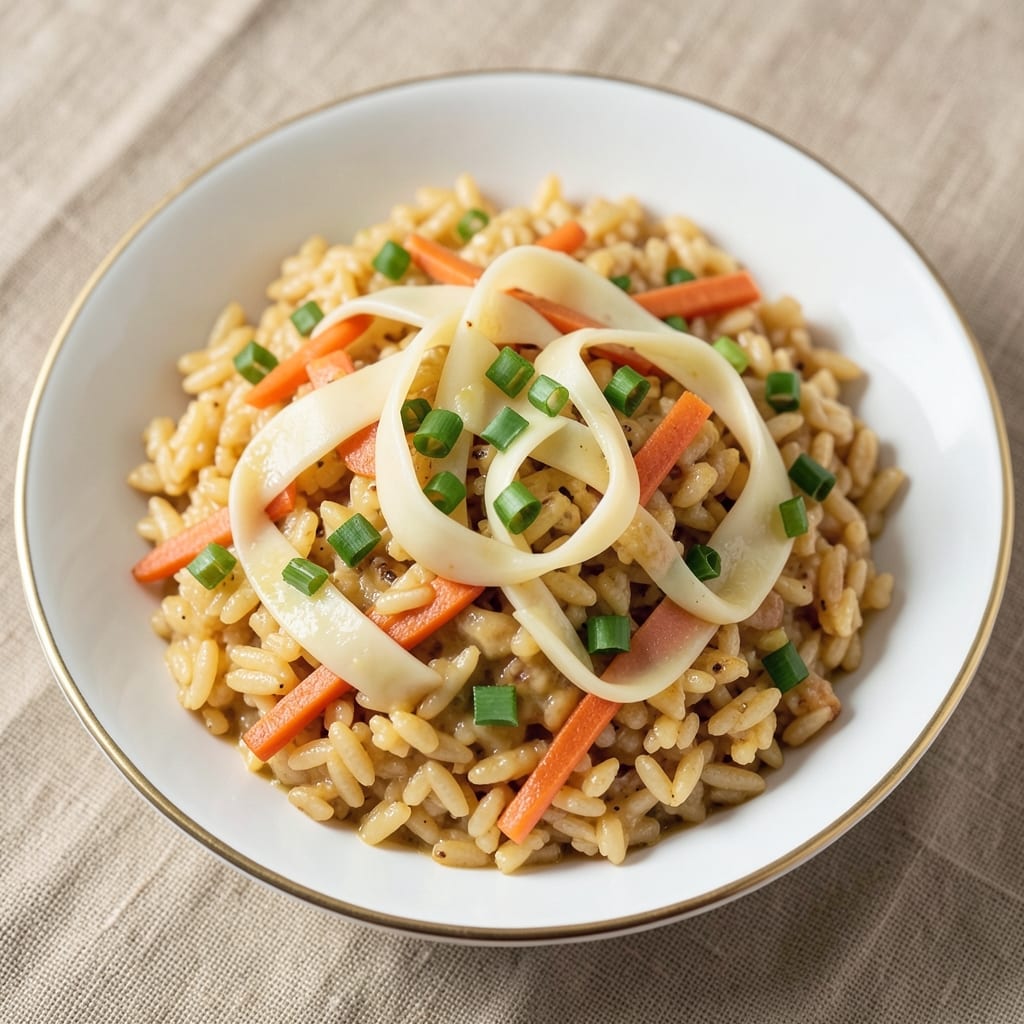
This arborio fried rice recipe transforms creamy, buttery rice into a restaurant-worthy dish with wok-tossed texture and perfect bite. The secret lies in arborio's unique ability to absorb flavor while maintaining a delicate stickiness that traditional fried rice simply can't match—think tender, slightly chewy grains that cling together just enough to hold sauce and veggies in every bite.
The magic happens in the stir-fry: high heat, rapid tossing, and precise timing create those signature crispy edges while keeping the centers tender. Unlike regular fried rice, arborio's starch content makes it ideal for soaking up flavors without turning mushy, and the buttery finish elevates it from side dish to star of the meal. This technique delivers a balance of textures that's both satisfying and elegant.
What sets this recipe apart is the harmony of ingredients—savory, umami, and fresh elements working together to complement the rice's natural creaminess. The result is a dish that's hearty enough for a main course but flexible enough for leftovers, with each forkful offering that perfect combination of crispy, tender, and buttery. Ready in under 20 minutes, it's the kind of meal that makes weeknights feel special.
Whether you're serving a crowd or meal prepping for the week, this arborio fried rice delivers restaurant-quality results at home. The technique is straightforward once you understand the key principles, and the flavor combinations are endlessly adaptable to whatever proteins and vegetables you have on hand. Let's get cooking!
Ingredients for arborio fried rice
Transform creamy arborio rice into restaurant-quality fried rice with these key ingredients.
| Ingredient | Amount | Notes |
|---|---|---|
| Arborio Rice 🍚 | 2 cups | Uncooked, day-old preferred |
| Unsalted Butter 🧈 | 4 tbsp | Cold, cubed for frying |
| Eggs 🥚 | 2 whole | Fresh, beaten for coating |
| Green Onions 🧅 | ½ cup | White and green parts, chopped |
| Carrots 🥕 | ½ cup | Diced into small pieces |
| Garlic Cloves 🧄 | 3 cloves | Minced for aromatic base |
| Soy Sauce 🍶 | ⅓ cup | Light or all-purpose |
| Sesame Oil 🫒 | 1 tbsp | Toasted for aroma |
| Peas 🌱 | ½ cup | Frozen works perfectly |
| Vegetable Oil 🫒 | 2 tbsp | High smoke point preferred |
| Salt 🧂 | ½ tsp | Kosher or sea salt |
| Black Pepper 🌶️ | ¼ tsp | Freshly ground preferred |
| Chicken Breast 🍗 | 1 lb | Diced into small pieces |
| Dried Shiitake Mushrooms 🍄 | ¼ cup | Rehydrated and sliced |
Arborio rice is non-negotiable here—its high starch content creates that signature buttery texture. Day-old rice works best as it's drier and less sticky, but if you're short on time, freshly cooked rice will work (just spread it on a tray to cool faster). For the best quality, grab Lundberg Family Farms or Uncle Ben's Arborio from the rice aisle. The chicken breast should be boneless, skinless, and cut into small, even pieces for consistent cooking. Fresh shiitake mushrooms add depth—soak them in hot water for 20 minutes to rehydrate, then slice. Green onions bring freshness, so grab a bunch and use both the white and green parts.
No soy sauce? Coconut aminos or tamari work in a pinch, though the flavor will differ slightly. Short on peas? Corn or bell peppers add sweetness and color. The eggs are essential for that wok-tossed texture—room temperature eggs scramble more evenly. If you're vegetarian, swap the chicken for tofu or chickpeas, but increase the protein amount by 50% since plant proteins are less dense. For extra umami, add a dash of fish sauce or miso paste to the soy sauce mixture. The carrots can be any color—orange, purple, or even baby carrots—but dice them uniformly for even cooking.
Store any leftovers in an airtight container for up to 3 days in the fridge, though it reheats best within 2 days. The rice will dry out if refrigerated longer, so consider freezing portions for up to 3 months. For meal prep, cook a larger batch and portion into containers with a thin layer of oil on top to keep the rice from sticking. The sesame oil should be stored in the fridge once opened—it goes rancid quickly at room temperature. If you're making this for a crowd, double the rice and protein amounts, but keep the sauce-to-rice ratio the same to avoid sogginess.
Why You'll Love This Recipe
- Here’s what sold me: that crispy, toasty edge on the rice from the butter and high heat, while the inside stays tender. Add the eggs and carrots, and it’s like a hug for your taste buds—salty, sweet, and just a little chewy. (Yes, even on a Tuesday night.)
- One-Pan Magic: I swear by this—just one skillet, no extra dishes. Toss in leftover Arborio rice, a pat of butter, and a quick scramble of eggs, and you’ve got dinner. The butter clings to those starchy grains like a dream, turning it into something ridiculously satisfying without the fuss.
- Butter-Kissed Crunch: Here’s what sold me: that crispy, toasty edge on the rice from the butter and high heat, while the inside stays tender. Add the eggs and carrots, and it’s like a hug for your taste buds—salty, sweet, and just a little chewy. (Yes, even on a Tuesday night.)
- Leftover Hero: This recipe loves being made ahead. Cold fried rice? Still delicious. Pack it for lunch or reheat it for a lazy evening—it’s forgiving that way. My kids actually ask for it the next day, which, in my book, means it’s a win.
Step-by-step instructions for wok-tossed arborio fried rice
This method delivers restaurant-quality fried rice with perfectly buttery Arborio grains and crisp-tender chicken.
Prepare the Chicken and Rehydrate Shiitake Mushrooms
Cut the 1 lb chicken breast into ½-inch dice and season immediately with ½ tsp salt and ¼ tsp black pepper. Set aside in a bowl. For the mushrooms, place the ¼ cup dried shiitake mushrooms in a small heatproof bowl and cover with 1 cup hot water. Let them soak for 15 minutes until plump, then drain and slice into thin strips.
The key here is proper chicken prep—small, even pieces cook faster and absorb flavors better. I like to pat the chicken dry before cutting to prevent excess moisture in the wok. The mushrooms should yield about ½ cup after rehydration, which adds meaty texture to the dish. Don't skip draining the mushrooms completely—excess water will steam your rice instead of crisping it.
Cook the Chicken and Aromatics
Heat 2 tbsp vegetable oil in a wok or large skillet over medium-high heat until shimmering. Add the chicken in a single layer and cook for 4-5 minutes, stirring occasionally, until golden brown and cooked through. Remove and set aside. In the same wok, add 2 tbsp unsalted butter and swirl to coat.
Add the ½ cup diced carrots and 3 minced garlic cloves, cooking for 2 minutes until the carrots soften slightly. Here's where the flavor foundation builds—don't rush this step. The butter should foam but not brown. Add the ½ cup green onions and cook for 30 seconds until fragrant. This quick sauté preserves the vegetables' texture while building depth of flavor.
Scramble the Eggs and Prepare the Rice
Push the vegetables to one side of the wok and add the 2 beaten eggs to the empty space. Scramble quickly over medium heat for 30-45 seconds until just set but still slightly moist. Immediately fold the eggs into the vegetables and add the ½ cup peas and rehydrated mushrooms. Stir for 1 minute until everything is evenly coated.
Now add the 2 cups day-old Arborio rice, breaking up any clumps with your spatula. The rice should look dry at this point—this is normal. Drizzle in ⅓ cup soy sauce and 1 tbsp sesame oil, tossing vigorously to coat every grain. The rice will absorb the sauce quickly, so work fast. This is where the magic happens—the rice grains should begin to glisten with oil, indicating proper coating.
Wok-Toss to Perfection
Increase heat to high and continue tossing the rice for 3-4 minutes until the grains are golden brown in spots and the mixture sounds dry when shaken in the wok. This high-heat tossing creates the signature wok texture—each grain should be distinct with crisp edges. If the rice starts sticking, add 1-2 tbsp hot water and toss again.
Taste and adjust seasoning with additional soy sauce if needed. The rice should be savory but not salty. Transfer to a serving platter and garnish with remaining green onions. Serve immediately while the rice is hot and the chicken is still juicy. The Arborio grains should be tender but still hold their shape, with a satisfying bite from the crisp-tender chicken and vegetables.
Pro Tips For Making Arborio Fried Rice
- USE DAY-OLD RICE: Arborio rice loses its sticky texture when fresh—it’ll turn mushy if you toss it in hot oil straight from the pot. I learned this the hard way after making a gummy mess. Spread leftover rice on a tray and refrigerate for 4-6 hours (or overnight) to dry it out. This gives you that perfect, separate-but-sticky bite every time.
- SALT THE BUTTER FIRST: Unsalted butter is your friend here, but skip the salt until the very end if you’re using it. Melt the butter first, then add a pinch of salt—this way, you control the flavor instead of guessing. I used to add it later and end up with uneven seasoning. Trust me, a little salt in the butter makes everything taste richer.
- STIR IN CARROTS LAST: Carrots take forever to soften, and if you add them too early, they’ll turn to mush while the eggs and green onions stay al dente. Dice them small (¼-inch pieces) and toss them in the last 30 seconds of cooking—just enough to warm through without losing their texture. This keeps your dish looking fresh and colorful.
- SCRAMBLE EGGS SEPARATELY: Frying eggs in the same pan as the rice means they’ll steam instead of crisp up. Whisk them in a small bowl first, then slide them into a hot, oiled skillet to scramble until just set—soft yolks, no rubbery bits. Once done, chop them and fold into the rice at the end. This keeps the eggs creamy and the rice dry. (Yes, it’s an extra step, but it’s worth it.)
Perfect pairings for this arborio fried rice
Classic Side Pairings
For a complete meal, serve this arborio fried rice with a simple steamed bok choy—its crisp stems and tender greens cut through the richness beautifully. I like to blanch 4 cups baby bok choy in boiling water for 30 seconds before serving with a sprinkle of toasted sesame seeds. Another great option is quick-pickled cucumbers—slice 1 English cucumber into half-moons, toss with 2 tbsp rice vinegar, 1 tsp sugar, and ¼ tsp red pepper flakes. Let it sit for 15 minutes before serving to balance the fried rice's bold flavors. 🥬
Protein Upgrade Options
Want to make this a heartier main course? Swap the chicken for seared shrimp—peel and devein 1 lb large shrimp, toss with 1 tsp cornstarch, and sear in 1 tbsp oil per side for 2 minutes until pink. Add them to the wok during the final 2 minutes of cooking. For a vegetarian twist, stir-fry 1 lb extra-firm tofu (pressed and cubed) in 1 tbsp oil until golden before mixing with the rice. Both options keep the dish's signature texture while adding protein variety. 🍤
Sauce Enhancements
Elevate the dish with a drizzle of spicy chili oil—mix 2 tbsp neutral oil with 1 tsp gochujang paste and ½ tsp crushed red pepper flakes, then heat until fragrant. Alternatively, a ginger-scallion sauce adds brightness: blend 2 tbsp soy sauce, 1 tbsp rice vinegar, 1 tsp grated ginger, and 2 tbsp chopped scallions. Drizzle lightly over the finished fried rice for a fresh, tangy contrast. For extra richness, top with a soft-boiled egg—crack it over the rice and let the yolk blend slightly into the dish. 🌶️
Beverage Pairings
A crisp juniper-infused gin and tonic complements the dish's savory notes perfectly. I like to muddle 4 juniper berries with 2 slices cucumber in a glass, add 2 oz gin, and top with tonic. For a non-alcoholic option, try iced hibiscus tea—steep 1 tbsp dried hibiscus flowers in 2 cups boiling water for 10 minutes, then chill and serve over ice. Both drinks cleanse your palate between bites and highlight the fried rice's umami depth. 🍹
Garnish Finishing Touches
Before serving, add a pop of color and texture with toasted coconut flakes—heat 2 tbsp unsweetened coconut flakes in a dry pan for 2 minutes until golden, then sprinkle over the top. For a smoky twist, drizzle with 1 tsp chili crisp (store-bought or homemade). Fresh cilantro leaves add a bright finish—chop ¼ cup** and scatter lightly. These garnishes not only look stunning but also enhance the dish's layered flavors. ✨
Nutrition facts
Frequently asked questions
Why does arborio rice work better than jasmine or basmati for fried rice?
Arborio rice's high starch content creates that signature creamy, buttery texture while maintaining a slight stickiness that holds sauce and veggies beautifully. Unlike jasmine or basmati, it absorbs flavors without turning mushy—perfect for wok-tossed dishes! The grains stay distinct yet tender, giving each bite that satisfying combination of crisp edges and soft centers.
Can I use freshly cooked arborio rice instead of day-old?
Yes, but spread it on a tray to cool and dry slightly first—fresh rice releases too much moisture and will turn soggy. For best results, cook the rice 1 day ahead and refrigerate uncovered for 30 minutes before using. This mimics restaurant-style fried rice where rice is always prepped the night before.
How do I prevent my fried rice from being dry or sticky?
Use day-old rice (never fresh) and cook it over high heat with constant tossing—this creates crisp edges while keeping centers tender. If it sticks, add 1-2 tbsp hot water during cooking. The key is proper seasoning: ⅓ cup soy sauce for 2 cups rice balances moisture without over-salting.
What's the secret to getting crispy edges on the rice?
Work in batches if needed, and use a well-heated wok or skillet—the rice must sizzle when it hits the pan. Toss vigorously for 3-4 minutes until the grains turn golden in spots. A high smoke-point oil (like avocado or grapeseed) prevents burning while promoting crispiness. The butter at the end adds richness without steaming the rice.
Can I make this vegetarian? What would you swap in?
Replace the chicken with 1 lb extra-firm tofu (pressed and cubed) or 1 lb shrimp for seafood lovers. For umami depth, add ¼ cup mushrooms (shiitake or oyster) and 1 tbsp miso paste to the soy sauce. The tofu should be pan-fried until golden before mixing with the rice to mimic the chicken's texture.