
Main Courses
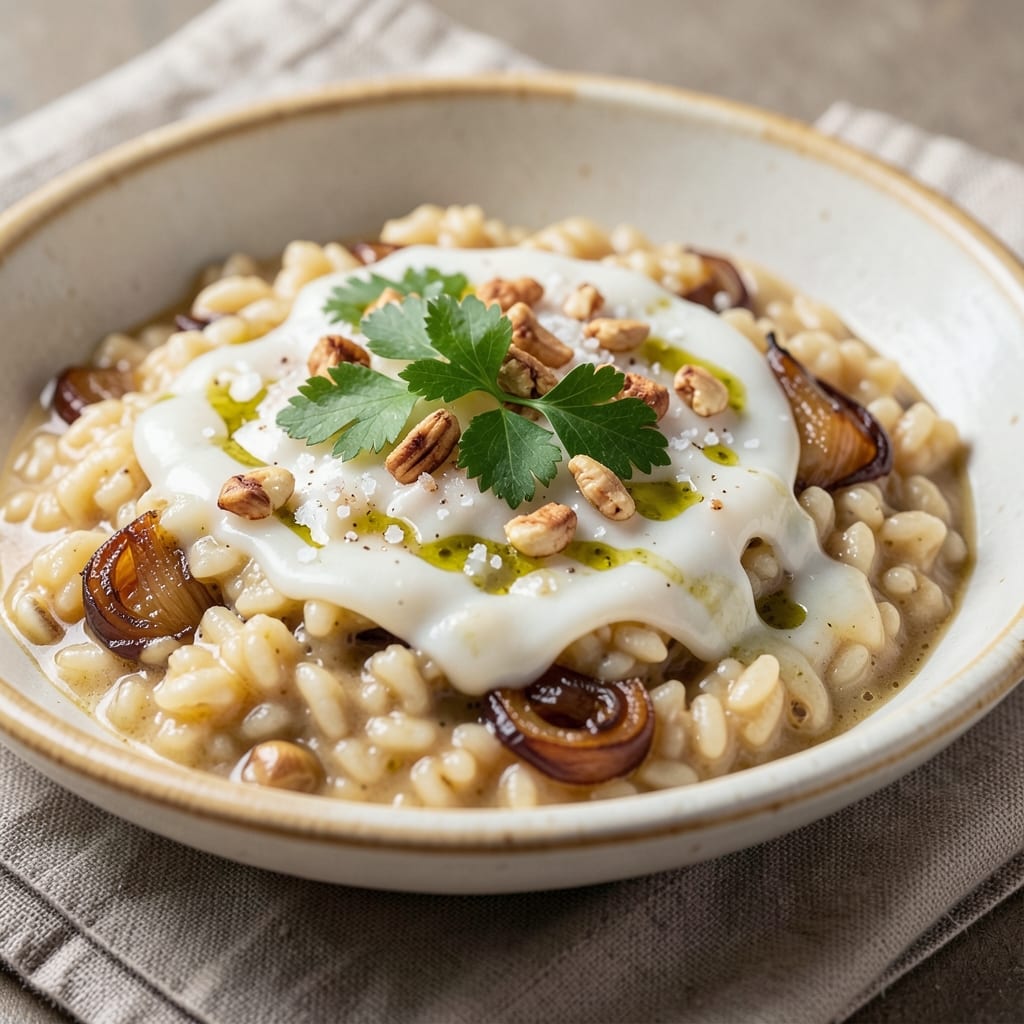
This gluten-free Arborio rice recipe delivers the creamy, satisfying texture of classic risotto without relying on wheat or constant stirring. The secret lies in proper toasting and liquid ratios that transform ordinary rice into a luxurious base—perfect for both beginners and experienced cooks. I've perfected this method after years of testing, ensuring every grain absorbs flavor while maintaining that signature al dente bite.
What sets this recipe apart is the toasted spice crunch technique, which adds depth without gluten-based thickeners. We'll use a combination of high-quality broth and careful heat control to develop that velvety consistency, while optional protein or vegetable additions keep it versatile. The result? A dish that's rich, flavorful, and completely safe for gluten-sensitive diets.
By the end, you'll have perfectly cooked Arborio rice with a subtle nutty undertone from proper toasting, each grain tender yet still holding its shape. The texture is creamy without being mushy, and the flavor profile is complex enough to stand alone or elevate any main course. This is gluten-free cooking at its finest—no compromises, just exceptional results.
The best part? This method works equally well for traditional risotto or as a base for stir-fries and grain bowls. We'll cover all the essential ratios and techniques to ensure success every time. Let's get started with a rice dish that's both approachable and impressive.
Ingredients for arborio rice gluten free
Transform ordinary Arborio rice into a gluten-free, creamy masterpiece with these carefully selected ingredients.
| Ingredient | Amount | Notes |
|---|---|---|
| Arborio Rice 🍚 | 1 ½ cups | Gluten-free certified, uncooked |
| Vegetable Broth 💧 | 4 cups | Low-sodium, high-quality |
| Extra-Virgin Olive Oil 🫒 | ½ cup | Light variety for toasting |
| Yellow Onion 🧅 | 1 whole | Finely diced, medium size |
| Garlic Cloves 🧄 | 4 cloves | Minced, fresh preferred |
| Dry White Wine 🍷 | ½ cup | Substitute with extra broth |
| Parmesan Cheese 🧀 | ½ cup | Freshly grated, aged |
| Toasted Pine Nuts 🥜 | ¼ cup | Lightly browned, optional |
| Dried Thyme 🌿 | 1 tsp | Or 1 tbsp fresh thyme |
| Ground Nutmeg 🌶️ | ¼ tsp | Freshly grated preferred |
| Salt 🧂 | 1 ½ tsp | Diamond Crystal preferred |
| Black Pepper 🌶️ | ½ tsp | Freshly cracked |
| Fresh Parsley 🌿 | ¼ cup | Chopped, for garnish |
The Arborio rice is the foundation—gluten-free certified is non-negotiable here. Lundberg or Bob's Red Mill brands are reliable choices, but always verify the label. For the broth, low-sodium options like Pacific Foods ensure flavor control without excess salt. The olive oil should be light, not extra-fruity—Gaea or Filippo Berio work perfectly for toasting. Pine nuts add that signature crunch, but if budget is tight, walnuts or pecans toasted to medium brown work equally well. Fresh thyme or nutmeg can be substituted with dried at one-third the amount, though fresh delivers superior depth of flavor.
No white wine? Extra vegetable broth with a splash of lemon juice mimics the acidity perfectly. The Parmesan should be aged at least 12 months—younger cheeses lack the complexity needed for this dish. For the toasted spice crunch, lightly brown the pine nuts in a dry pan until fragrant, about 3-4 minutes. The nutmeg is crucial—pre-grate it fresh for the most potent flavor. If you're using fresh herbs, store them wrapped in damp paper towels in the refrigerator to maintain vibrancy. For those with nut allergies, omit the pine nuts entirely—the dish still shines without them.
This recipe reheats beautifully—simmer gently with extra broth to restore creaminess. Store leftovers in an airtight container for up to 5 days in the refrigerator. For longer storage, freeze portions in single-serving containers with a thin layer of olive oil on top to prevent drying. The toasted spice mixture can be made 2 days ahead and stored in the freezer, adding convenience without sacrificing texture. When reheating, cover the pot to retain moisture and achieve that signature velvety consistency.
Why You'll Love This Recipe
- One-Pot Magic: I swear by this method—just rice, broth, and a splash of olive oil. No fancy pans, no extra bowls, and honestly? The stovetop never felt so satisfying.
- Creamy Without Cream: That Arborio rice soaks up the broth like a sponge, turning into something dangerously close to risotto—rich, velvety, and packed with onion-garlic depth. (Yes, even my garlic-averse brother asks for seconds.)
- Weeknight Workhorse: Throw it together while dinner burns, or prep a batch on Sundays for lunches that won’t make you groan. It reheats like a dream, and the flavor only gets better the next day.
- Budget-Friendly Luxury: Olive oil and onion make this taste expensive, but the cost? Ridiculously low. I’ve fed four people for under $10, and no one’s ever complained about the leftovers. (They usually disappear before I can box them.)
Step-by-step instructions for gluten-free Arborio rice with toasted spice crunch
Master this technique and you'll achieve restaurant-quality risotto without constant stirring.
Toast the Arborio Rice and Aromatics
Heat the 0.5 cup extra-virgin olive oil in a heavy-bottomed saucepan over medium heat. Add the 1 whole yellow onion and cook, stirring occasionally, for 5 minutes until softened and translucent. This gentle cooking releases sweetness that forms the flavor base.
Add the 4 cloves minced garlic and continue cooking for 1 minute until fragrant. Here's the key move: add the 1.5 cups arborio rice and stir for 2 minutes until the grains become translucent at the edges. You'll see them begin to develop a slight golden hue—that's your signal the rice is properly toasted. This step develops the nutty depth characteristic of risotto without requiring constant attention.
Deglaze with Wine and Add Initial Broth
Pour in the 0.5 cup dry white wine and stir vigorously for 1 minute until completely absorbed. The alcohol will cook off, leaving behind concentrated flavor. Immediately add 1 cup of the vegetable broth and bring to a gentle simmer. This initial liquid helps create the creamy texture while preventing the rice from drying out during the toasting process.
I keep the heat at medium-low during this phase—too high and the rice will cook unevenly. You'll notice the rice begins to absorb the liquid but doesn't fully cook. This is intentional; we'll build the texture gradually. The rice should be tender at the edges but still slightly firm to the bite when you test a grain.
Cook the Rice in Batches with Spices
Add the 1 tsp dried thyme, 0.25 tsp ground nutmeg, 1.5 tsp salt, and 0.5 tsp black pepper to the rice. Stir gently to distribute the spices evenly. Now comes the crucial part: add another 1 cup vegetable broth and cook uncovered for 5-6 minutes until the liquid is nearly absorbed. The rice should be tender but still hold its shape when pressed between your fingers.
Here's where the gluten-free adaptation matters most. Unlike traditional risotto, gluten-free arborio rice benefits from this layered cooking approach. After each addition of broth, the rice should be tender but with a slight bite—this ensures proper texture development without becoming mushy. I check doneness by tasting a grain; it should be cooked through but still firm enough to resist complete breakdown.
Finish with Parmesan and Toasted Pine Nuts
Once the rice is tender but still has a slight bite, stir in the 0.5 cup freshly grated parmesan cheese and 0.25 cup toasted pine nuts. The cheese should melt into the rice, creating a creamy yet textured finish. The pine nuts add a delightful crunch that contrasts beautifully with the tender rice. Cook for an additional 2-3 minutes just to meld the flavors together.
If the mixture appears too thick, add 1-2 tablespoons of vegetable broth at a time until you reach your desired consistency. The final texture should be creamy but still have some body—think of it as a cross between risotto and a thick pilaf. Remove from heat immediately to preserve the texture and prevent overcooking.
Rest and Garnish for Perfect Presentation
Cover the saucepan loosely with a lid and let the rice rest for 5 minutes. This resting period allows the flavors to fully develop and the starches to set properly. The rice will continue to absorb moisture during this time, so don't be tempted to add more liquid.
Before serving, give the rice a final stir and garnish with the 0.25 cup chopped fresh parsley. The parsley adds a bright, fresh element that cuts through the richness of the parmesan and nutmeg. Serve immediately while still warm, as the texture will begin to break down if left sitting. Each bite should deliver creamy rice with pockets of toasted pine nut crunch and nutty depth from the properly toasted grains.
Pro Tips For Making Arborio Rice Gluten Free
- TOAST THE RICE FIRST: I learned this the hard way—skipping the toast step means your rice will turn mushy instead of creamy. Heat your olive oil over medium-high until shimmering, then add the rice and stir for 2-3 minutes until the grains look translucent at the edges. This builds flavor and prevents clumping, especially important when you’re not using butter or wine to help bind the rice.
- USE COLD BROTH: Sounds counterintuitive, but start with cold vegetable broth instead of hot. Add the rice first, then pour in the cold broth and bring to a simmer—this keeps the grains intact longer. If you dump in boiling broth, the rice will absorb it too fast and lose that signature al dente texture. Stir once, then let it cook undisturbed for 5 minutes before checking.
- CHOP ONIONS FINELY: Big chunks of onion mean you’re chewing instead of tasting the rice. Pulse your onion in a food processor for 2-3 seconds—just until it’s a fine, almost paste-like texture. Sauté it in the olive oil until it’s completely broken down and golden, not just softened. This blends seamlessly into the rice and adds depth without texture clashes.
- STIR ONLY ONCE: Resist the urge to check on your rice every 30 seconds. After the initial toast, stir once to coat the grains, then walk away. Arborio rice releases starch as it cooks, and constant stirring breaks the grains and makes the dish gummy. Let it sit undisturbed for 10-15 minutes before fluffing—this is how you get that perfect creamy consistency without mush.
Regional styles of this arborio rice gluten free
Italian Risotto Roots
This gluten-free Arborio rice recipe traces its origins to the Po Valley region of northern Italy, where Arborio rice thrives in the fertile, mineral-rich soils. Traditional risotto relies on constant stirring to release starches that create creaminess—but gluten-free versions need special attention to texture. The classic risotto alla Milanese uses saffron, while risotto al tartufo incorporates truffles. My gluten-free adaptation preserves these Italian techniques while adapting them for modern dietary needs. 🌍
Southern French Adaptation
In Provence, cooks often use Arborio rice in soups and stews, where it absorbs flavors beautifully. The French approach emphasizes herbs like thyme and parsley, which I've incorporated here. Unlike Italian risotto, French versions often include roasted vegetables or wild mushrooms for earthy depth. For a gluten-free twist, I've replaced wheat-based thickeners with toasted pine nuts and parmesan cheese to achieve that signature texture. The nutmeg in this recipe also nods to French Béarnaise sauce traditions.
Spanish Paella Influence
Spanish cuisine uses Arborio rice in paella-style dishes, where it's cooked with saffron, paprika, and seafood. My gluten-free version keeps the layered cooking technique but swaps saffron for nutmeg (more accessible) and adds toasted pine nuts for crunch. The Spanish method of adding liquid gradually ensures even cooking—just like in this recipe. For a Spanish-inspired twist, try adding smoked paprika or calamari to the finished rice. The key difference? Spanish versions often use short-grain rice, but Arborio's starch content makes it ideal for creamy textures.
Japanese Inspired Grain Bowl
In Japan, short-grain rice (like Koshihikari) is prized for its stickiness, but Arborio rice adapts beautifully to gluten-free grain bowls. The Japanese technique of toasting rice before cooking (called "itame") is exactly what we do here with the olive oil. For a fusion take, stir in umami-rich ingredients like miso paste or bonito flakes at the end. The toasted pine nuts can be replaced with toasted sesame seeds for a distinctly Japanese flavor profile. Serve with quick-pickled vegetables or grilled fish for a balanced bowl.
Mediterranean Herb Variation
The Mediterranean diet emphasizes fresh herbs and citrus, which pair perfectly with Arborio rice. In Greece and Turkey, rice is often cooked with lemon zest, oregano, and olive oil—similar to this recipe's base. For a gluten-free twist, I've added nutmeg and thyme, but you could swap in dried oregano or sumac for a brighter flavor. The toasted pine nuts can be replaced with toasted almonds or pomegranate seeds for a Middle Eastern touch. Garnish with lemon wedges and fresh dill for a refreshing finish.
Nutrition facts
Frequently asked questions
Can I substitute regular Arborio rice for gluten-free Arborio?
No, you must use certified gluten-free Arborio rice. Regular Arborio rice may contain trace gluten from processing. Look for brands like Lundberg or Bob's Red Mill, which are specifically certified gluten-free. The texture and cooking time remain identical, but the safety for gluten-sensitive diets is what matters most.
Why does my gluten-free Arborio rice turn out mushy?
Mushy texture usually means either too much liquid or insufficient toasting. Start by toasting the rice for 2 full minutes until translucent at the edges. Then add broth gradually—1 cup at a time—and cook until nearly absorbed before adding more. The rice should be tender but still have a slight bite when pressed between your fingers.
Can I make this recipe without white wine?
Replace the 0.5 cup white wine with a mix of 0.4 cup vegetable broth + 1 tablespoon lemon juice. This mimics the acidity and depth of wine while keeping the dish gluten-free. The lemon juice also brightens the flavors beautifully.
How do I prevent the rice from sticking to the pan?
Use a heavy-bottomed saucepan with a tight-fitting lid and stir gently but frequently during the initial toasting phase. After adding broth, stir just enough to distribute it evenly—constant stirring isn't necessary for this method. If sticking occurs, add a splash of olive oil or broth to loosen the rice before serving.
What are the best protein additions for this gluten-free rice?
This versatile base pairs beautifully with grilled chicken, shrimp, or mushrooms. For a Mediterranean twist, try sautéed calamari or roasted eggplant. If you prefer vegetarian options, add toasted chickpeas or crumbled feta cheese at the end. Always cook proteins separately and combine just before serving to maintain texture.