
Main Courses
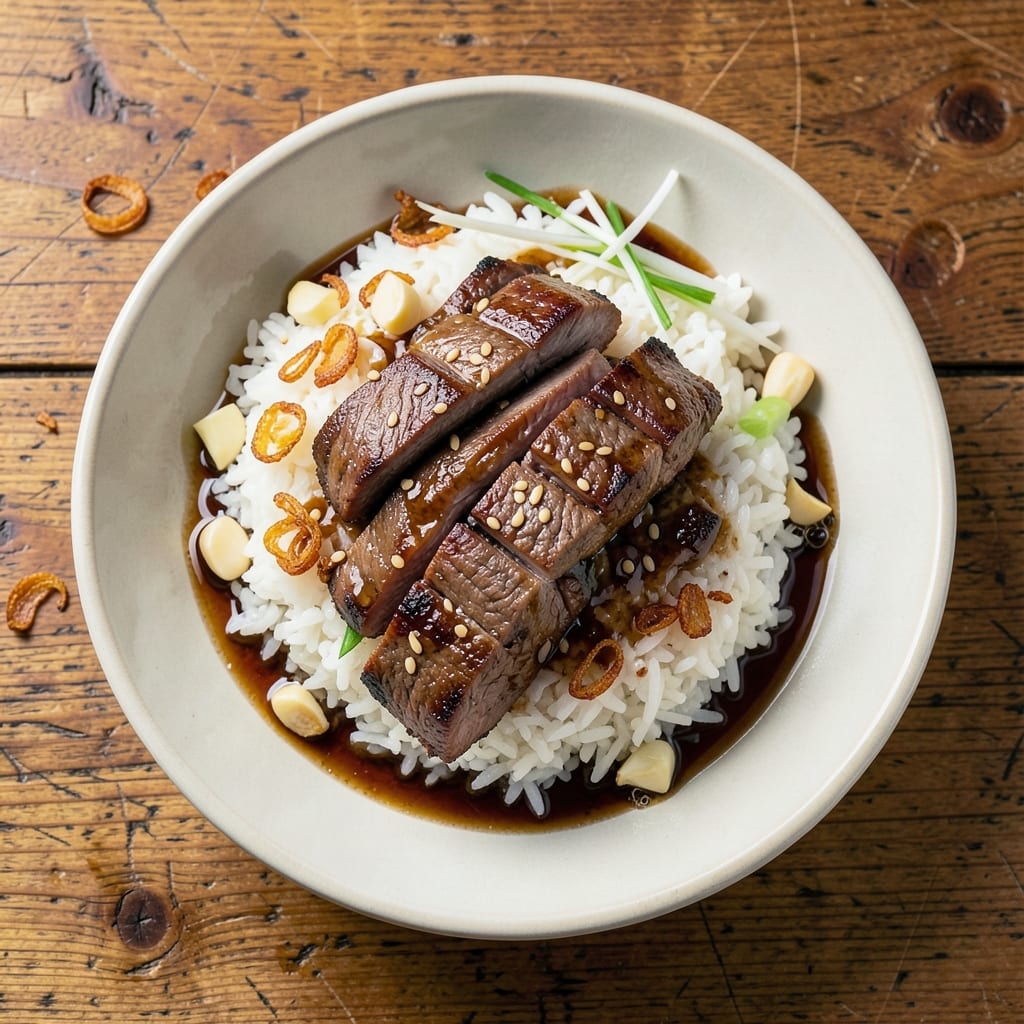
This Asian beef and rice bowl recipe delivers restaurant-quality flavor with tender marinated beef, fragrant jasmine rice, and a perfect balance of textures and sauces. The secret lies in the marinade—soy sauce, sesame oil, and garlic create deep umami that transforms even simple flank steak into something extraordinary. I developed this recipe after years of experimenting with different Asian-inspired bowls, and it consistently receives rave reviews for its harmonious blend of sweet, savory, and slightly spicy notes.
The foundation starts with perfectly cooked jasmine rice—light, fluffy, and fragrant—that serves as the perfect canvas for the bold flavors. Thinly sliced beef gets marinated for at least 30 minutes (longer is better) before quick stir-frying to maintain tenderness while developing a caramelized crust. The vegetables—crisp quick-pickled carrots and cucumbers, plus wok-seared mushrooms—add freshness and crunch that contrast beautifully with the tender beef.
What sets this bowl apart is the sauce combination: a homemade teriyaki glaze for the beef and a creamy peanut sauce drizzled over everything. The teriyaki caramelizes during cooking, creating pockets of sweetness, while the peanut sauce adds richness and nutty depth. Garnishes like toasted sesame seeds and fresh cilantro elevate each bite with texture and aroma, making this bowl as visually appealing as it is delicious.
This recipe serves four as a complete meal or can be easily doubled for meal prep. The components come together quickly—just 20 minutes of active cooking time—while the marinating can be done ahead. Whether you're serving this for a weeknight dinner or meal prepping for the week, each bowl delivers balanced nutrition with protein, fiber, and complex flavors that satisfy any craving.
Ingredients for asian beef and rice bowl
Restaurant-quality Asian beef bowls start with these carefully selected ingredients—each playing a precise role in the umami symphony.
| Ingredient | Amount | Notes |
|---|---|---|
| Flank Steak 🥩 | 1 lb | Thinly sliced against grain |
| Jasmine Rice 🍚 | 1 ½ cups | Uncooked, long-grain preferred |
| Low-Sodium Soy Sauce 🥢 | ½ cup | For marinade and teriyaki |
| Sesame Oil 🫒 | 1 tbsp | Toasted, for aroma |
| Garlic Cloves 🧄 | 6 cloves | Minced for marinade |
| Fresh Ginger 🌿 | 1 tbsp | Grated, for marinade |
| Brown Sugar 🍯 | 2 tbsp | Light or dark variety |
| Honey 🍯 | 1 tbsp | For teriyaki sweetness |
| Vegetable Oil 🫒 | 2 tbsp | For stir-frying |
| Carrots 🥕 | 1 whole | Julienned for pickling |
| Cucumber 🥒 | 1 whole | Thinly sliced for crunch |
| White Rice Vinegar 🍶 | 2 tbsp | For quick-pickling |
| Shiitake Mushrooms 🍄 | 8 whole | Stemmed, for wok-searing |
| Peanut Butter 🥜 | ½ cup | Creamy, for sauce |
| Sesame Seeds 🌰 | 1 tbsp | Toasted for garnish |
| Fresh Cilantro 🌿 | ¼ cup | Chopped, for garnish |
| Red Chili Flakes 🌶️ | ½ tsp | Optional for heat |
The flank steak is non-negotiable here—its lean yet tender texture transforms when marinated properly. Look for well-marbled cuts at specialty butchers or Asian markets; Costco or Trader Joe's carry pre-sliced versions that save time. For the marinade, low-sodium soy sauce prevents over-salting, while toasted sesame oil adds depth that regular oil can't match. The ginger and garlic should be freshly grated and minced—pre-minced jars lose potency quickly. Penzeys Hawaiian Gold ginger work beautifully for consistent results.
No flank steak? Sirloin or ribeye sliced thinly can substitute, though texture will differ. For the rice, jasmine rice from Thailand (like Thai Kitchen brand) delivers that signature fragrance, but long-grain basmati works in a pinch. The quick-pickled carrots and cucumbers need white rice vinegar—substitute apple cider vinegar if unavailable, but taste first. For the peanut sauce, natural peanut butter (no added sugar) balances perfectly; creamy style is preferred over crunchy. The mushrooms should be fresh shiitake—dried rehydrate well but lack the meaty texture.
Marinate the beef for at least 30 minutes (overnight is ideal) in an airtight container. The teriyaki sauce keeps 5 days refrigerated or 3 months frozen. For meal prep, cook the rice and store separately—it reheats best when steamed fresh. The quick-pickled veggies stay crisp for 3 days if stored in their vinegar brine. Toast the sesame seeds in a dry pan for 30 seconds until golden—this enhances their nutty aroma. Garnish with cilantro just before serving to preserve freshness.
Why You'll Love This Recipe
- Steak in 15 Minutes: I swear, that flank steak transforms from tough to tender with just a quick sear and a splash of soy sauce. No marinating, no fuss—just slice it thin, cook it fast, and let the garlic and sesame oil work their magic.
- Umami Bomb: Between the low-sodium soy sauce and sesame oil, this bowl packs a flavor punch without overpowering. The garlic? Oh, it’s there—crisp, aromatic, and hitting all the right notes. Honestly, I’ve had takeout that didn’t taste this good.
- Lunchbox Hero: Make a big batch on Sunday, and you’ve got dinner covered all week. The rice stays fluffy, the beef stays juicy, and it reheats like a dream. (Yes, even on a Tuesday night when you’re running late.)
- Budget Power Move: Flank steak is affordable, and a pound stretches far. Pair it with rice, a handful of veggies, and you’ve got a filling, restaurant-worthy meal for half the cost. My wallet thanks me every time.
Step-by-step instructions for Asian beef and rice bowl recipe
Master the balance of umami, sweetness, and texture with this professional technique guide.
👨🍳 Step 1: Marinate and Prepare the Flank Steak
Slice the 1 lb flank steak thinly against the grain into ¼-inch thick strips. In a bowl, combine 0.5 cup low-sodium soy sauce, 1 tbsp sesame oil, 6 minced garlic cloves, 1 tbsp grated fresh ginger, 2 tbsp brown sugar, and 1 tbsp honey. Add the steak strips and toss until fully coated. Cover and refrigerate for at least 30 minutes (or up to 4 hours for deeper flavor). The marinade should penetrate evenly, giving the beef a glossy sheen and tender texture.
Here's the thing—don't skip the resting time. The acidity in the soy sauce begins breaking down the muscle fibers immediately, but proper marination ensures juicy, flavorful slices. I press down gently on the steak strips to distribute the marinade evenly, especially in thicker sections. This step transforms tough flank steak into melt-in-your-mouth bites.
🍳 Step 2: Cook the Jasmine Rice to Perfection
Rinse 1.5 cups jasmine rice under cold water until the water runs clear, then drain. In a rice cooker or pot, combine the rice with 3 cups water and a pinch of salt. Bring to a boil, then reduce heat to low and simmer for 15 minutes. Cover and let steam for 10 minutes off heat. The rice should be tender with a slight bite—this is the ideal al dente texture for Asian bowls.
Don't skip the rinsing step. Unrinsed rice releases excess starch that makes the grains gummy. I like to fluff the rice with a fork after cooking to separate the grains and release any trapped steam. The aroma should be fragrant and slightly floral, signaling perfectly cooked jasmine rice that will serve as the perfect base for your bowl.
🍳 Step 3: Stir-Fry the Shiitake Mushrooms and Pickled Vegetables
Heat 2 tbsp vegetable oil in a wok or large skillet over medium-high heat. Add the 8 stemmed shiitake mushrooms and stir-fry for 3-4 minutes until golden brown and tender. Remove and set aside. In the same pan, add the 1 whole julienned carrot and 1 whole thinly sliced cucumber. Cook for 2 minutes until slightly softened.
In a separate bowl, combine the cooked vegetables with 2 tbsp white rice vinegar and 0.5 tsp red chili flakes (if using). Let sit for 10 minutes to develop the tangy, slightly spicy flavor. The vinegar will brighten the vegetables, cutting through the richness of the beef and peanut sauce. This quick-pickling step adds essential acidity that balances the dish.
🥘 Step 4: Create the Peanut Sauce and Cook the Beef
In the same wok, increase heat to high and add the marinated beef strips. Cook for 3-4 minutes until browned and cooked through. Remove beef and set aside. To the wok, add 0.5 cup creamy peanut butter and stir until melted. Pour in ½ cup water and 2 tbsp soy sauce from the marinade (reserved earlier), then simmer for 2 minutes until slightly thickened.
This is where the sauce comes together. The peanut butter adds richness while the soy sauce ties all the flavors. If the sauce is too thick, add 1-2 tablespoons water to reach your desired consistency. The sauce should coat the back of a spoon but still be pourable. Return the beef to the wok and toss to coat evenly in the sauce.
🍽️ Step 5: Assemble and Garnish the Bowls
Divide the cooked jasmine rice among four bowls. Top each with ¼ of the beef mixture, ¼ of the pickled vegetables, and ¼ of the shiitake mushrooms. Garnish with 1 tbsp toasted sesame seeds and 1 tbsp chopped fresh cilantro. The presentation should be vibrant—creamy peanut sauce contrasting with bright pickled veggies and earthy mushrooms.
Serve immediately while the rice is hot and the flavors are at their peak. The combination of tender beef, fragrant rice, and balanced peanut sauce creates a harmonious bite. Each component plays its role—umami from the beef, sweetness from the sauce, crunch from the vegetables, and freshness from the herbs. This is the moment that matters: where all your preparation comes together into a cohesive, restaurant-quality bowl.
Pro Tips For Making Asian Beef And Rice Bowl
- Slice Against the Grain: Flank steak’s fibers run long—cutting perpendicular makes each bite tender. Use a sharp knife and angle it at 45 degrees for clean slices; no one wants to chew leather, especially in a rice bowl where texture matters most.
- Marinate for 20 Minutes, Not Hours: I used to let this sit overnight, but 20 minutes in the fridge with soy sauce, sesame oil, and minced garlic is enough to tenderize without turning the meat mushy. The acid in soy sauce works fast—don’t overthink it.
- Don’t Crowd the Pan: Cook the steak in a single layer over high heat for 2-3 minutes per side. Piling it up steams the meat instead of searing it, and you’ll end up with sad, gray slices. A hot pan and space = flavor.
- Toast the Garlic in Oil First: Before adding the steak, fry the minced garlic in sesame oil until it’s golden and fragrant—about 30 seconds. This layers depth into the sauce without burning, and it’s the quickest way to make the bowl taste like it came from a restaurant.
Essential equipment for this dish
Wok Essentials
A carbon steel wok is my go-to for stir-frying the beef and mushrooms—it heats evenly and develops a natural nonstick patina over time. I recommend a 14-inch wok from Mauviel or De Buyer for professional results. For budget-friendly options, Amazon Basics carbon steel woks work well with proper seasoning. Always preheat your wok over high heat for 3-5 minutes until it's smoking hot before adding oil. 🔥
Rice Cooker Must-Haves
Jasmine rice needs precise water-to-rice ratios, so a programmable rice cooker like the Zojirushi NS-ZMC10U eliminates guesswork. This model maintains consistent temperatures and has a "keep warm" function perfect for Asian dishes. For manual control, a stainless steel pot with a tight-fitting lid works—just monitor the heat carefully to avoid burning. I avoid nonstick pots for rice as they can't handle the steam pressure needed for fluffy grains. ❄️
Knife and Cutting Tools
Thinly sliced beef is key, so invest in a sharp 8-inch chef's knife—I use Shun Premier for its razor-sharp edge retention. A mandoline slicer (like Benchmark Gourmet) makes quick work of julienned carrots and cucumbers, but always use the safety guard. For mushrooms, a serrated knife helps grip the slippery caps. Keep your knives honed with a Wüsthof whetstone for consistent performance. 💪
Marinating Containers
Use glass or food-grade plastic containers with tight seals for the beef marinade—I prefer Glasslock containers for their airtight fit. Avoid metal containers as they can react with acidic ingredients like soy sauce. For longer marination (overnight), a vacuum sealer like FoodSaver preserves freshness and prevents flavor transfer between foods. Label containers with dates to track freshness. ✨
Sauce Thickening Tools
A silicone spatula (like OXO Good Grips) is essential for scraping up peanut sauce remnants from the wok without scratching the surface. For adjusting sauce consistency, keep a small whisk handy to emulsify the peanut butter smoothly. I also recommend a digital kitchen scale (like OXO Good Grips) for precise measurements when balancing sweet and savory elements in sauces. 🥄
Garnish Essentials
Toasted sesame seeds need a small cast-iron skillet—heat it over medium-low until seeds sizzle for 30 seconds to avoid burning. For fresh cilantro, a pair of sharp kitchen shears makes quick work of chopping stems. Store sesame seeds in an airtight container to maintain freshness. I keep garnishes prepped in small bowls on a wooden serving board for easy assembly. 🌿
Nutrition facts
Frequently asked questions
Can I use ground beef instead of flank steak for this recipe?
Yes, but the texture will differ significantly. Ground beef works well for a more rustic, heartier bowl—just brown it thoroughly over medium-high heat for 4-5 minutes until fully cooked. For best results, use 80/20 lean-to-fat ratio ground beef and season with an extra pinch of salt since ground beef absorbs marinade differently. The dish will be more filling but slightly less tender than sliced flank steak.
How do I make this recipe gluten-free?
Replace the soy sauce with tamari or coconut aminos (both gluten-free soy alternatives) in equal amounts. For the peanut sauce, use gluten-free peanut butter and ensure any added spices (like red chili flakes) are certified gluten-free. The rest of the recipe remains unchanged—just verify all ingredients for hidden gluten sources. The flavor profile will still be rich and umami-packed!
Can I prepare this dish ahead of time for meal prep?
Cook the rice and store it separately (it reheats best when steamed fresh). Marinate the beef overnight for deeper flavor, then refrigerate until ready to cook. The peanut sauce keeps for 5 days refrigerated, and the quick-pickled veggies stay crisp for 3 days in their vinegar brine. Assemble bowls just before serving to maintain texture—reheat the beef and sauce separately and combine over warm rice.
What can I substitute if I don't have shiitake mushrooms?
Oyster mushrooms or cremini mushrooms work beautifully as substitutes—they have a similar meaty texture. For a different flavor profile, try sliced bell peppers or zucchini, though they'll add a distinct sweetness. If you prefer umami, dried shiitake mushrooms rehydrated in soy sauce make a great alternative (simmer for 10 minutes to restore texture). The key is maintaining that savory contrast to the beef.
How can I make this bowl spicier?
Add 1-2 teaspoons of sriracha or gochujang (Korean chili paste) to the peanut sauce for immediate heat. For extra depth, include ½ teaspoon of chili crisp in the beef marinade. Garnish with extra red chili flakes or sliced jalapeños for a fresh kick. Start with small amounts—you can always add more, but removing heat is tricky! Balance with a squeeze of lime to brighten the flavors.