
Main Courses
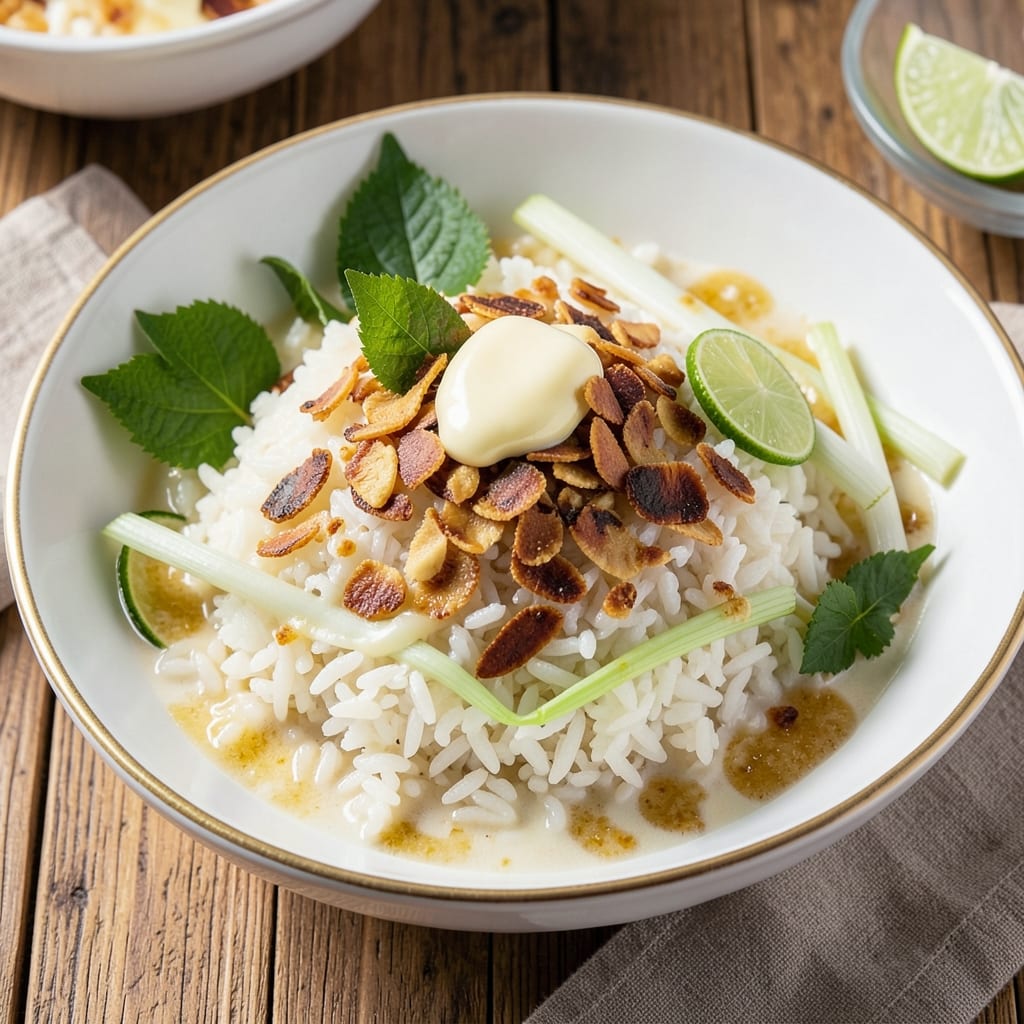
This Asian coconut rice recipe transforms simple jasmine rice into a fragrant, creamy masterpiece with toasted coconut crunch. The secret lies in infusing the rice with coconut milk and finishing it with crispy coconut flakes, creating a dish that balances sweet, savory, and nutty notes. I developed this recipe after years of experimenting with Southeast Asian flavors, and it's now a staple in my home—especially when I want to bring a taste of Thailand or Indonesia to my dinner table.
The process starts with perfectly steamed jasmine rice, then elevates it with coconut milk and aromatic spices like lemongrass and kaffir lime leaves. What sets this apart is the toasted coconut topping, which adds a delightful contrast in texture and flavor. The dish pairs beautifully with grilled chicken, tofu, or shrimp, making it versatile for any meal.
By the time you're done, you'll have a dish that's not only visually stunning but also packed with layers of flavor—creamy rice with a crispy, fragrant finish. The aroma alone will have everyone at the table anticipating the first bite. This recipe is designed to impress, whether you're serving it for a special occasion or a casual family dinner.
The best part? It's easier than it sounds. With just a few key ingredients and a simple technique, you'll achieve restaurant-quality results in under an hour. Let's get started on creating this fragrant, comforting dish that's sure to become a favorite.
Ingredients for asian coconut rice
Jasmine rice, coconut milk, and aromatic spices transform into this fragrant, creamy masterpiece.
| Ingredient | Amount | Notes |
|---|---|---|
| Jasmine Rice 🍚 | 1 ½ cups | Uncooked, long-grain preferred |
| Coconut Milk 🥥 | 1 ½ cups | Full-fat, canned preferred |
| Kaffir Lime Leaves 🍃 | 2 whole | Fresh, thinly sliced |
| Lemongrass 🌿 | 1 whole | Fresh, bruised stems only |
| Unsalted Butter 🧈 | 2 tbsp | For toasting rice |
| Dried Toasted Coconut Flakes 🥥 | ½ cup | Unsweetened, lightly toasted |
| Fresh Coconut Flakes 🥥 | ¼ cup | For garnish, toasted |
| Garlic Cloves 🧄 | 4 cloves | Minced for aroma |
| Shallots 🧅 | 2 whole | Minced, or sub onion |
| Fish Sauce 🍶 | 1 tbsp | For umami balance |
| Brown Sugar 🍯 | 1 tbsp | Lightly packed |
| Salt 🧂 | ½ tsp | Adjust to taste |
| Black Pepper 🌶️ | ¼ tsp | Freshly ground |
| Vegetable Oil 🫒 | 1 tbsp | For toasting coconut |
The jasmine rice is the foundation—look for long-grain varieties at Asian markets or the international aisle of Whole Foods for the best aroma. Thai Kitchen brand is a solid grocery store option if you're short on time. Fresh lemongrass and kaffir lime leaves make all the difference (freeze extras to keep them fresh longer). If you can't find kaffir lime leaves, substitute lime zest—it won't be identical, but it adds brightness. For the coconut milk, full-fat canned gives the richest texture—skip the carton versions, they're watery. Toast your coconut flakes in a dry pan until golden, then set aside for that perfect crunch.
No lemongrass? Galangal root works beautifully as a substitute, or just use extra lime zest. Running low on kaffir lime leaves? A splash of lime juice plus a pinch of salt mimics some of the tang. For a vegetarian version, reduce fish sauce to 1 tsp and add 1 tsp soy sauce instead. The brown sugar adds just enough sweetness—coconut sugar works too, but it's pricier. If you're making this ahead, toast the coconut flakes fresh before serving, or they'll lose their crunch. The shallots can be swapped for regular onions if needed, but they're milder and sweeter.
This rice keeps beautifully in the fridge for 3-4 days, though the texture gets softer with time. Reheat gently with a splash of water or coconut milk to restore creaminess. For freezing, portion into containers and store for up to 3 months. The toasted coconut topping should always be added fresh—toast it right before serving so it stays crisp. I like to double the coconut flakes and keep extras on hand for garnishing other dishes too. The aroma alone will have your whole house smelling like a tropical paradise.
Why You'll Love This Recipe
- One-Pot Magic: I swear by this recipe when I’m too tired to scrub pots—just rice, coconut milk, and a handful of whole spices. The rice steams right in the coconut milk, so no separate stovetop cooking or watching the water boil. Honestly, I’ve made it while scrolling through my phone.
- Creamy Yet Bright: That balance of rich coconut milk and zesty kaffir lime leaves? It’s like a hug in a bowl. The butter adds a velvety finish, but the lemongrass keeps it from feeling heavy—like a perfect contrast between indulgence and freshness.
- Lunchbox Hero: Between us, this is my go-to for meal prep. The rice stays fluffy for days, and I’ll often toss in leftover chicken or tofu to stretch it into a full meal. My kids grab it cold from the fridge—no reheating needed—and still beg for seconds.
- Budget Luxury: Coconut milk might seem fancy, but a can lasts me forever, and jasmine rice is cheaper than most grains. I’ll make a big batch on Sundays, and it feeds my family for days without breaking the bank. (Yes, even on a Tuesday night.)
Step-by-step instructions for Asian coconut rice
Here's how to make fragrant jasmine rice infused with tropical coconut and aromatic herbs.
Toast the Coconut and Aromatics
Heat the 1 tablespoon vegetable oil in a large skillet over medium heat. Add the 0.5 cup dried toasted coconut flakes and toast for 2-3 minutes until golden and fragrant. Remove from heat and set aside, keeping the oil in the pan.
In the same pan, add the 2 tablespoons unsalted butter and let it melt completely. Add the 2 whole shallots and 4 cloves garlic cloves, cooking for 1-2 minutes until softened and fragrant. This step builds the aromatic base that will infuse your rice with depth of flavor.
Prepare the Jasmine Rice
Rinse the 1.5 cups jasmine rice thoroughly under cold water until the water runs clear. This removes excess starch and prevents gummy rice. Drain well in a fine-mesh strainer and let it sit for 5 minutes to dry slightly.
Add the drained rice to the skillet with shallots and garlic, stirring to coat the grains evenly in the butter and oil. Cook for 1 minute until the rice begins to turn translucent at the edges. This initial toasting enhances the nutty flavor of the rice.
Cook with Coconut Milk and Herbs
Pour in the 1.5 cups coconut milk, stirring gently to combine. Add the 2 whole kaffir lime leaves (sliced) and 1 whole lemongrass (bruised stems only). Bring to a gentle simmer over medium-low heat. Once simmering, reduce heat to low and cover the skillet tightly with a lid.
Cook for 15 minutes without lifting the lid. The rice will absorb the coconut milk gradually, releasing its natural fragrance. After 15 minutes, check the rice - it should be tender but still slightly firm in the center. If it's not quite done, cook for another 5 minutes covered.
Season and Finish
Once the rice is tender, remove from heat and let it sit covered for 5 minutes. Stir in the 1 tablespoon fish sauce, 1 tablespoon brown sugar, 0.5 teaspoon salt, and 0.25 teaspoon black pepper. Gently fold in the toasted coconut flakes you set aside earlier.
Fluff the rice with a fork, being careful not to crush the grains. The texture should be light and fluffy with a subtle crunch from the toasted coconut. If the rice feels dry, stir in 1-2 tablespoons of water to restore moisture.
Garnish and Serve
Transfer the rice to a serving dish and sprinkle with the 0.25 cup fresh coconut flakes for a final touch of texture and presentation. Serve immediately while still warm, allowing guests to appreciate the fragrant aroma and delicate balance of flavors.
The rice should have a delicate coconut aroma with hints of citrus from the kaffir lime leaves and lemongrass. Each bite should be tender yet distinct, with the toasted coconut adding a pleasant crunch that contrasts beautifully with the soft rice.
Pro Tips For Making Asian Coconut Rice
- Toast the Rice First: Before adding coconut milk, dry-toast the jasmine rice in the pot for 2-3 minutes over medium heat—just until you smell that nutty aroma. This step prevents the rice from turning mushy when it absorbs the coconut milk later. (Yes, even if you’re impatient like me, resist the urge to skip it.) ---
- Bruise the Lemongrass: Instead of chopping lemongrass finely (which releases bitterness), smash the stalks flat with the side of your knife or a rolling pin first. This way, the flavor infuses gently into the coconut milk without overpowering it. My grandmother swore by this, and she was right: the rice tastes brighter, not harsh. ---
- Don’t Boil the Coconut Milk: Once you add the coconut milk, keep the heat at a simmer—not a rolling boil. Boiling splits the milk into a greasy mess, and you’ll end up with rice that tastes like coconut curry instead of fragrant, creamy rice. Low and slow is the way here. ---
- Reserve the Butter: Stir in the unsalted butter after the rice is fully cooked and off the heat. This locks in moisture and adds a luxurious finish without turning the rice greasy. (I used to add it earlier, and the rice always felt heavy—this change made a real difference.)
Troubleshooting perfect results
Rice Too Dry?
If your rice ends up dry or crumbly, it likely absorbed too much coconut milk or was cooked at too high heat. For next time, reduce heat to low once simmering and add 2-3 tablespoons of water or coconut milk after cooking to restore moisture. I've found that using full-fat coconut milk (like Thai Kitchen brand) helps maintain creaminess better than lighter versions. 🥥
Mushy Texture?
Overcooked rice becomes mushy because of excess moisture or heat. To fix this, cook the rice for exactly 15 minutes covered, then check for doneness by pressing a grain—it should be tender but still firm. If you've already overcooked it, spread the rice on a baking sheet and bake at 300°F for 10-15 minutes to dry it out slightly. 🌡️
Weak Coconut Flavor?
The coconut flavor might be muted if you used low-fat coconut milk or didn't toast the coconut flakes properly. Always use full-fat canned coconut milk (like Goya or Thai Kitchen) and toast your flakes until golden and fragrant in a dry pan. For extra depth, stir in 1 teaspoon of coconut extract with the seasonings. 🥥
Fish Sauce Overpowering?
Fish sauce can dominate if added too early or in excess. To balance it, add the 1 tablespoon fish sauce only after removing the rice from heat, along with the brown sugar and salt. For a vegetarian version, reduce fish sauce to 1 teaspoon and add 1 teaspoon soy sauce instead. Taste as you go—adjust gradually. 🍶
Lemongrass or Lime Leaves Missing?
If you can't find kaffir lime leaves, lime zest + a pinch of salt works in a pinch, though it won't be identical. For lemongrass, galangal root (common in Thai cuisine) is a great substitute—just bruise the outer layer like you would lemongrass. Both add citrusy brightness, but galangal has a spicier kick. 🍃
Coconut Flakes Not Crispy?
Toasted coconut flakes lose their crunch if stored too long or reheated. Always toast them fresh in a dry pan over medium heat for 2-3 minutes until golden. For extra crispiness, spread them on a baking sheet and bake at 350°F for 5 minutes after toasting. Keep them in an airtight container to preserve freshness. 🥥
Nutrition facts
Frequently asked questions
Can I use regular white rice instead of jasmine?
While you can substitute white rice, jasmine's natural fragrance and slightly sticky texture make it ideal for this recipe. If using white rice, increase the coconut milk to 1.75 cups to compensate for its lower absorption rate. For extra aroma, add 1/2 teaspoon pandan extract to the coconut milk before cooking.
How do I store leftovers without losing texture?
Store cooked rice in an airtight container in the fridge for up to 4 days. To reheat, add 1-2 tablespoons of water or coconut milk per cup of rice and microwave on medium heat for 2 minutes. Never reheat in the microwave uncovered—it dries out quickly. For best results, toast fresh coconut flakes before serving.
What proteins pair best with this coconut rice?
Grilled chicken, tofu, or shrimp work beautifully with this dish. For Thai-inspired meals, try pan-seared chicken with a fish sauce glaze. For a vegetarian option, marinate tofu in soy sauce, garlic, and ginger before baking. The coconut rice's creaminess balances grilled or steamed proteins perfectly.
Can I make this recipe without kaffir lime leaves?
Yes! Substitute with lime zest + pinch of salt for brightness, or use 1/2 teaspoon lime juice per lime leaf called for. For deeper flavor, add 1/4 teaspoon ground coriander to the seasonings. The dish will still taste amazing, just with slightly different citrus notes.
Why does my coconut rice taste bland?
Bland flavor usually comes from using low-fat coconut milk or skipping the aromatics. Always use full-fat coconut milk and toast the coconut flakes until golden. For extra depth, add 1/2 teaspoon coconut extract with the seasonings. Also ensure you're using fresh herbs—dried versions won't provide the same punch.