
Main Courses
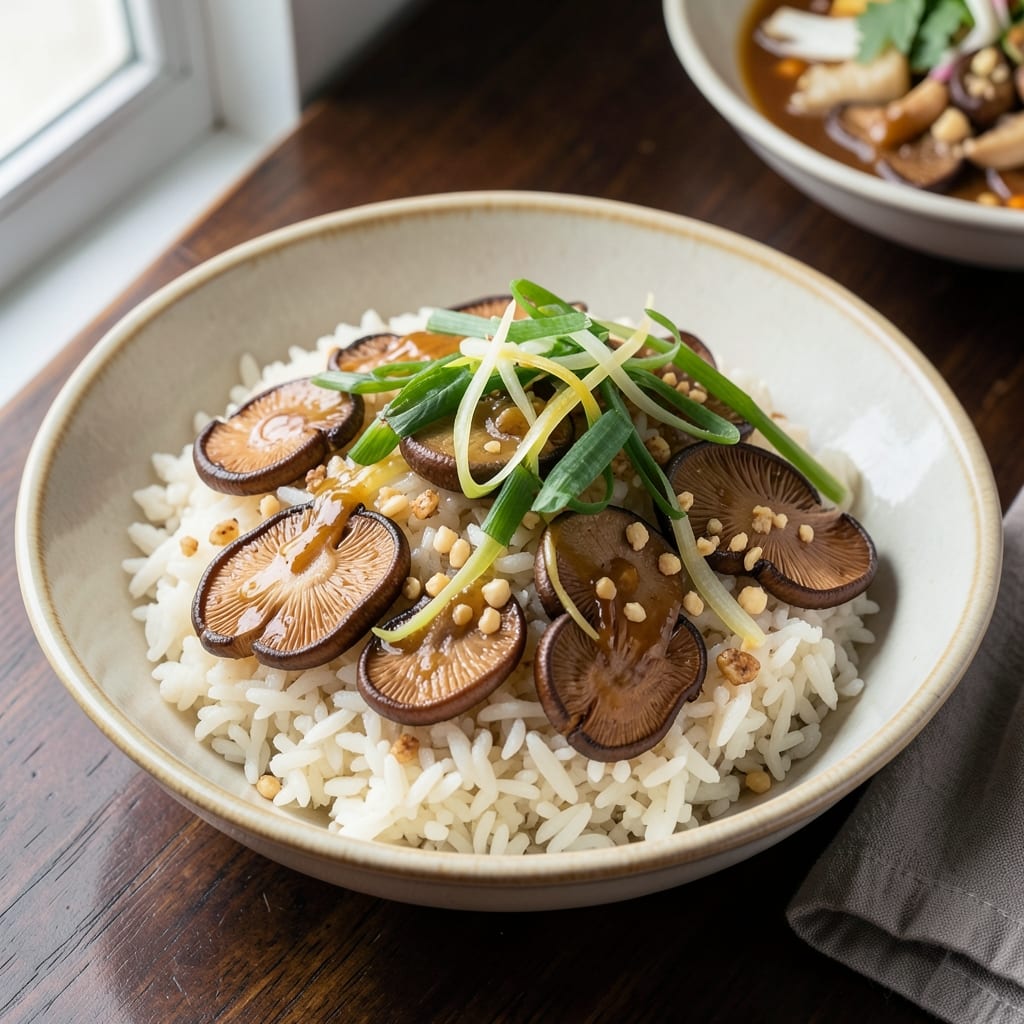
This Asian mushroom fried rice recipe transforms simple ingredients into a fragrant, umami-packed dish with wok-tossed texture and bold flavors in just 20 minutes. The secret lies in perfectly cooked jasmine rice—lightly sticky yet distinct—and mushrooms that develop a satisfying crunch through quick, high-heat sautéing. I’ve refined this technique over years of testing, balancing traditional methods with modern shortcuts to deliver restaurant-quality results at home without the fuss. What sets this recipe apart is the layered umami profile: mushrooms caramelize while developing earthy depth, soy sauce and fish sauce create a savory base, and a touch of sesame oil adds nutty warmth. The dish is versatile enough for weeknight dinners but impressive enough for guests, with optional protein additions like shrimp or tofu for extra heartiness. Every bite delivers a perfect harmony of textures—crisp mushrooms, tender rice, and silky sauce. The process is straightforward but requires attention to timing: toast your aromatics first to build flavor, then work quickly when tossing the rice to maintain its texture. Garnishes like green onions and sesame seeds add freshness, while a squeeze of lime brightens the dish at the end. This recipe isn’t just about the rice—it’s about the technique, the balance, and the satisfaction of creating something restaurant-worthy in your own kitchen. Serve it as a main dish with a side of quick-pickled vegetables or a simple miso soup, or let it stand alone as a complete meal. The beauty of this recipe is in its adaptability—whether you’re feeding a crowd or enjoying a solo dinner, it delivers consistent, delicious results every time.
Ingredients for asian mushroom rice
Perfectly balanced ingredients for restaurant-quality wok-tossed umami crunch in minutes.
| Ingredient | Amount | Notes |
|---|---|---|
| Jasmine Rice 🍚 | 3 cups | Day-old, cold, and slightly sticky |
| Shiitake Mushrooms 🍄 | 8 oz | Stemmed, sliced into even strips |
| Oyster Mushrooms 🍄 | 8 oz | Torn into bite-sized clusters |
| Green Onions 🧅 | ½ cup | White and green parts separated |
| Garlic Cloves 🧄 | 4 cloves | Minced for aromatic depth |
| Fresh Ginger 🌿 | 1 tbsp | Finely grated, for zesty kick |
| Sesame Oil 🫒 | 1 tbsp | Toasted, for nutty aroma |
| Light Soy Sauce 🥄 | 3 tbsp | High-quality, for umami base |
| Fish Sauce 🍜 | 1 tbsp | Red Boat preferred for balance |
| Vegetable Oil 🫒 | 2 tbsp | High smoke point for wok hei |
| Lime Juice 🍋 | 1 tbsp | Freshly squeezed, for brightness |
| Toasted Sesame Seeds 🌾 | 1 tsp | For garnish and crunch |
| Salt 🧂 | ½ tsp | Diamond Crystal preferred |
| Black Pepper 🌶️ | ¼ tsp | Freshly ground for finish |
The mushrooms are non-negotiable here—shiitake and oyster deliver the ideal texture contrast: shiitake for meaty chew, oyster for delicate clusters. Whole Foods or specialty Asian markets carry the freshest cuts, but grocery store shiitake work too if they're firm and plump. For maximum flavor, avoid pre-sliced mushrooms—they oxidize fast. Look for thick stems on shiitake and dense clusters on oyster mushrooms as quality indicators. If you can't find oyster mushrooms, enoki mushrooms add a similar delicate crunch, though they'll cook faster during the stir-fry.
Day-old rice is essential—fresh rice turns mushy when tossed. Jasmine rice should be slightly sticky but not dry; if yours is too firm, microwave it covered for 20 seconds with a splash of water. Fish sauce is the umami secret, but if you're avoiding it, vegetable-based fish-free sauce works at double the amount. The Red Boat brand has the cleanest profile. For extra protein, add shrimp or tofu during the final toss—just pre-cook them separately to avoid overcrowding the wok. The sesame oil should be toasted, not the cheap, flavorless kind—Kadoya or La Choy are reliable choices. And yes, that tiny amount of lime juice at the end makes all the difference.
Prep ahead where you can: slice mushrooms and separate green onions the night before. Store them in airtight containers—mushrooms stay fresh for 5-7 days in the fridge, but use them within 2 days if pre-sliced. The cooked rice keeps for 3 days refrigerated, but it's best served fresh. For meal prep, cook the rice and store it separately from the sauce/mushroom mix—reheat them together in a wok or skillet to maintain that wok-tossed texture. If you're doubling the recipe, use a 14-inch wok or large skillet; a standard 10-inch pan will get crowded and steam the rice instead of crisping it.
Why You'll Love This Recipe
- One-Pot Magic: I swear by this—just toss everything in one pan, cover it, walk away. The jasmine rice steams right into fluffy perfection while the mushrooms caramelize into something ridiculously good. No fancy techniques, no stress.
- Umami Bomb: That combo of shiitake and oyster mushrooms? It’s like a flavor explosion in your mouth. The garlic and green onions add this bright, fresh kick that cuts through the richness—honestly, I’ve never met a rice dish that balances savory and fresh this well.
- Lunchbox Hero: Between us, this is my go-to for meal prep. Cool it down, pack it in containers, and it stays fresh for days. My kids (yes, even the picky ones) actually finish their lunches with this—proof it’s a crowd-pleaser.
- Budget Meal Power: Fresh mushrooms might seem pricey, but dried shiitake stretch so far and pack just as much punch. A single batch feeds four for under $10, and leftovers reheat like a dream. My wallet and I both approve.
Step-by-step instructions for Asian mushroom fried rice
Master the wok hei technique for restaurant-quality texture and flavor in minutes.
🍳 Step 1: Prepare the Mushroom Base for Maximum Flavor
Heat the 2 tablespoons vegetable oil in a wok or large skillet over high heat until shimmering. Add the 8 ounces shiitake mushrooms and 8 ounces oyster mushrooms in a single layer, spreading them out to maximize surface contact. Cook undisturbed for 3-4 minutes until the mushrooms release their moisture and begin to develop a deep golden-brown crust.
This initial sear is critical—it builds the umami foundation. Stir occasionally with a spatula, then add the 4 cloves minced garlic and 1 tablespoon finely grated ginger. Cook for an additional 30 seconds until fragrant but not burned. Remove the mushrooms from the wok and set aside—they'll continue cooking later.
🍳 Step 2: Build Layers of Aromatics and Umami
In the same wok, add 1 tablespoon sesame oil and swirl to coat. Immediately add the white parts of 0.5 cup green onions and cook for 1 minute until softened. Pour in the 3 tablespoons light soy sauce and 1 tablespoon fish sauce, scraping up any browned bits from the bottom with a wooden spoon. This deglazing captures all the concentrated flavor.
Return the mushrooms to the wok and toss to combine. The sauce should coat the mushrooms evenly, creating a glossy sheen. Let the mixture cook for 2 minutes at high heat, allowing the flavors to meld. Here's the thing—don't rush this step. The mushrooms need time to absorb the sauce and develop their full umami potential.
🍳 Step 3: Incorporate the Jasmine Rice with Precision Timing
Add the 3 cups day-old jasmine rice to the wok and toss vigorously for 1-2 minutes using a wide spatula. The rice should break apart slightly as it absorbs the mushroom mixture. If the rice appears dry, add 1-2 tablespoons hot water to create steam and help distribute the sauce evenly.
Watch closely as the rice begins to take on color. You want it to develop a light golden hue rather than turning mushy. The key is high heat and constant tossing—this creates the signature "wok hei" or smoky aroma. If the rice starts to stick, add another splash of water and keep tossing until it's evenly coated and slightly crisp around the edges.
🍳 Step 4: Finish with Brightness and Texture
Reduce heat to medium-high and stir in the 1 tablespoon lime juice and remaining green onion greens. The acidity brightens the dish and balances the umami. Sprinkle with 0.5 teaspoon salt and 0.25 teaspoon black pepper, then toss once more to distribute evenly. Cook for an additional 30 seconds to heat through completely.
This is where the dish comes together. The lime juice cuts through the richness of the mushrooms and soy sauce, while the green onions add freshness. The texture should be a perfect balance—slightly crisp edges with tender, separate grains. If the rice seems underseasoned, add another ½ teaspoon soy sauce or fish sauce to taste.
🍽️ Step 5: Plate with Professional Presentation
Transfer the fried rice to serving plates immediately. Garnish each portion with 1 teaspoon toasted sesame seeds and a final sprinkle of black pepper. The sesame seeds add a nutty crunch that contrasts beautifully with the tender mushrooms and rice. Serve while steaming hot to maintain the perfect texture.
For an authentic touch, I like to serve this with a side of quick-pickled vegetables or a simple cucumber salad. The contrast of cool, crisp vegetables against the warm, umami-rich fried rice makes every bite more dynamic. The dish should have a complex flavor profile—savory, slightly sweet, with a bright finish—that keeps you reaching for more.
Pro Tips For Making Asian Mushroom Rice
- Sear Mushrooms in Two Batches: Oyster mushrooms release a ton of water when cooked—crowd them, and you’ll end up with a soggy pile instead of crispy edges. Split them into two pans and cook them low and slow (medium heat) until all the moisture evaporates. Trust me, your rice won’t turn into mush.
- Slice Shiitake Against the Grain: Those thick shiitake stems? Cut them lengthwise first, then slice thinly—it’s the only way to keep them tender without turning to sawdust. Thick slices hide in the rice; thin ones soak up flavors and stay chewy. (Yes, it’s extra work, but your dish will look and taste pro.)
- Toast Garlic Until Golden, Not Burnt: I used to rush this step and end up with bitter, acrid garlic. Instead, cook the minced cloves in oil over medium-low heat until they’re just golden—about 3-4 minutes. Pull them when they smell sweet, not smoky. Your rice will taste bright, not medicinal.
- Finish with Cold Rice, Hot Broth: Cook the rice until it’s slightly underdone (check the package time, then stop 1-2 minutes early). Spread it on a tray to cool for 5 minutes, then mix in the mushroom broth and green onions. The contrast keeps the grains separate and fluffy—no gluey, sad rice here.
Wine and beer pairings for these flavors
Japanese Sake Pairing
A crisp, dry junmai daiginjo sake like Dassai 23 from Japan cuts through the dish's umami richness while complementing its earthy mushroom notes. Look for a sake with a clean finish and subtle floral hints—it mirrors the delicate balance of the fried rice. Serve it slightly chilled (45-50°F) to enhance its crispness and let it refresh your palate between bites. 🍶
Thai White Wine Fusion
For a Thai-inspired twist, pair your mushroom fried rice with a Thai-inspired white wine like Sauvignon Blanc from Thailand's Chateau Thai label. Its citrusy acidity and herbal notes harmonize beautifully with the lime juice and ginger in the dish. If you prefer beer, a Thai Singha Beer (light lager) offers a clean, effervescent contrast that cleanses the palate between bites.
Korean Soju Cocktail
Korean soju adds a refreshing, slightly sweet contrast to the dish's savory depth. Mix 1.5 oz soju with 0.5 oz yuzu juice and serve over ice for a bright, citrusy sipper. The soju's clean finish won't overpower the fried rice, while the yuzu adds a zesty brightness that echoes the lime in the recipe. For a non-alcoholic option, try spicy ginger beer with a dash of gochujang for heat. 🍹
Chinese Rice Wine Elixir
A traditional Shaoxing wine (Chinese rice wine) enhances the dish's umami profile while adding a subtle sweetness. Use it to deglaze the wok during cooking for extra depth, or serve it warm as a digestif. For a modern twist, pair with a Chinese baijiu-infused cocktail—mix 1 oz baijiu with 0.5 oz honey syrup and a splash of soda water. The caramel notes complement the caramelized mushrooms beautifully.
Vietnamese Coffee Twist
For an unexpected but harmonious pairing, serve your fried rice with Vietnamese iced coffee (cà phê sữa đá). The strong, sweet coffee balances the dish's savory flavors, while the creamy milk adds a smooth contrast. If you prefer beer, a Vietnamese Bia Saigon (light lager) offers a crisp, clean finish that won't compete with the dish's bold flavors. 💛
Nutrition facts
Frequently asked questions
Can I use fresh mushrooms instead of dried ones?
Fresh mushrooms work beautifully in this recipe! The key is to use shiitake and oyster mushrooms for their distinct textures—shiitake for meaty chew and oyster for delicate clusters. Slice them thinly for even cooking, and remember they'll release moisture, so pat them dry before sautéing. Fresh mushrooms add vibrant flavor and maintain the dish's signature umami crunch.
What's the best way to cook the rice for this recipe?
Use day-old jasmine rice that's slightly sticky but not mushy. Cook fresh rice according to package instructions, then spread it on a tray to cool completely. This prevents mushiness when tossing. For extra flavor, cook the rice in lightly salted water or with a splash of fish sauce (1/2 tsp per cup of water). Never use freshly cooked rice—it'll turn gummy!
How can I make this vegetarian?
Skip the fish sauce and replace it with 1.5 tbsp vegetarian fish sauce substitute or 1 tbsp soy sauce + 1 tsp mushroom powder. Add extra umami with 1 tsp nutritional yeast or 1 tbsp miso paste during the sauce-building step. For protein, stir-fry 1 cup firm tofu (pressed and cubed) with the mushrooms. The dish will still be packed with savory depth!
Why does my fried rice turn out mushy?
Mushy texture usually means one of three things: using fresh rice, not enough heat, or too much liquid. Always use day-old rice and work over high heat with a well-seasoned wok. If the rice sticks, add just 1 tbsp hot water at a time while tossing. Overcrowding the pan also causes steaming—keep portions small and toss constantly for that signature crisp texture.
Can I make this ahead of time?
Yes! Cook the rice and mushroom mixture separately, then store them in airtight containers in the fridge for up to 3 days. To serve, reheat the mushrooms in a wok with a splash of water, then toss in the cold rice with a drizzle of soy sauce. For best texture, reheat only what you'll serve immediately—microwaving makes rice soggy. Garnish fresh after reheating for maximum flavor.