
Main Courses
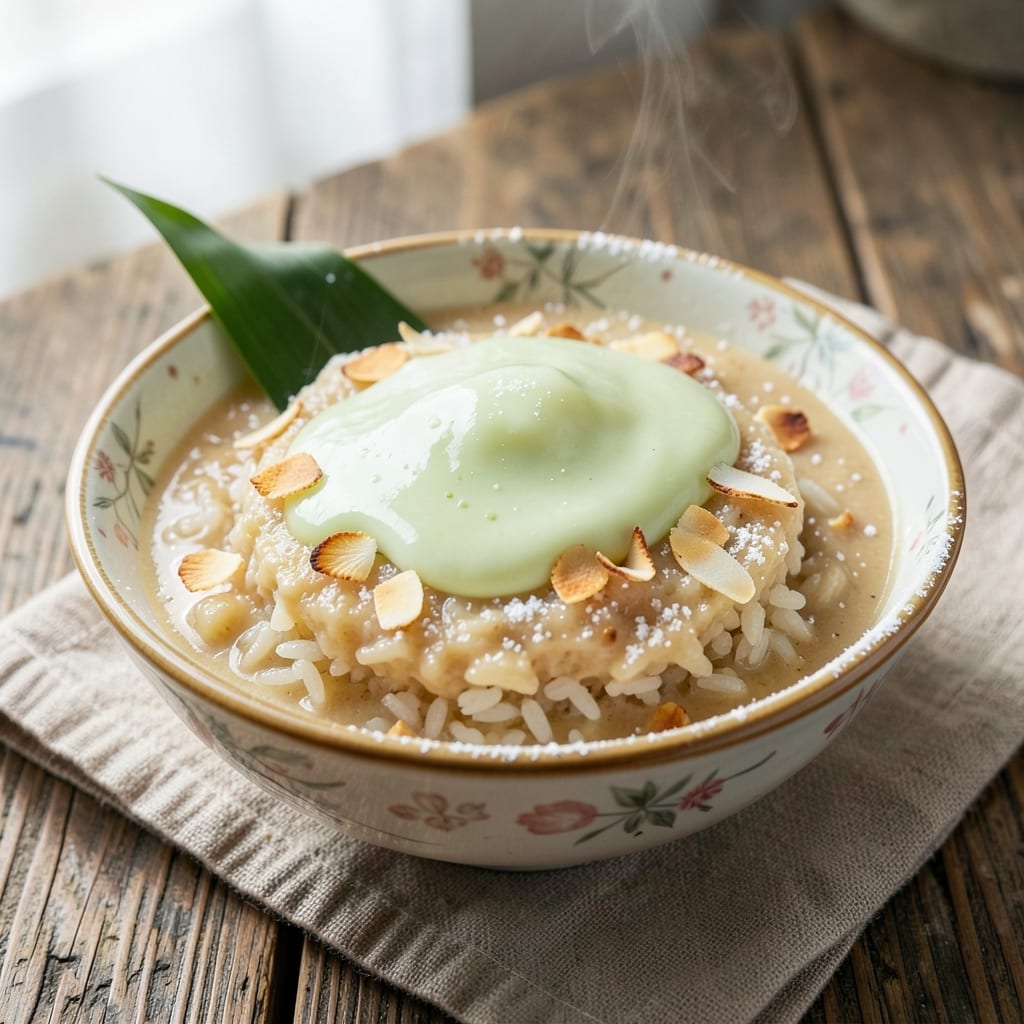
This Asian rice pudding recipe transforms simple ingredients into velvety, fragrant comfort that tastes like a hug in a bowl. 💛 The secret lies in jasmine rice's delicate aroma and coconut milk's creamy richness, simmered until tender with just the right touch of vanilla and pandan. I perfected this version after years of testing—each spoonful delivers that perfect balance of sweet, floral, and nutty warmth. What sets this apart is the one-pot simplicity that still feels special. No fancy equipment needed—just a heavy-bottomed pot, a few pantry staples, and about 45 minutes of hands-off cooking time. The rice soaks briefly to soften, then cooks slowly with milk and spices until it reaches that signature creamy texture. Top it with toasted sesame seeds or fresh fruit for extra texture and color. The result? A dish that's restaurant-quality yet homemade, with each bite offering that comforting blend of floral jasmine, creamy coconut, and subtle vanilla notes. It's the kind of dessert that disappears quickly but leaves everyone asking for seconds. The best part? It reheats beautifully, making it perfect for meal prep or serving guests. Whether you're making this for a special occasion or a cozy weeknight treat, the variations are endless. Add red bean paste for a Thai-inspired twist, or swap in almond milk for a lighter option. Here's how to make it—simple steps for maximum flavor.
Ingredients for asian rice pudding
Velvety rice, fragrant coconut, and a whisper of vanilla—just these ingredients make magic happen.
| Ingredient | Amount | Notes |
|---|---|---|
| Jasmine Rice 🍚 | 1 cup | Uncooked, long-grain preferred |
| Full-Fat Coconut Milk 🥥 | 1 ½ cups | Canned, for maximum creaminess |
| Light Coconut Milk 🥥 | ½ cup | Canned, for balance |
| Granulated Sugar 🍚 | ½ cup | Adjust to taste |
| Vanilla Extract 🍯 | 1 tbsp | Pure, high-quality preferred |
| Pandan Leaf 🌿 | 1 whole | Fresh or dried, tied in cheesecloth |
| Ground Cinnamon 🌶️ | ½ tsp | Freshly ground for warmth |
| Salt 🧂 | ¼ tsp | Fine sea salt preferred |
| Toasted Sesame Seeds 🥜 | 1 tbsp | For garnish, optional |
| Fresh Mango 🥭 | ½ cup | Diced, for topping |
| Water 💧 | 1 cup | For soaking rice |
Jasmine rice is the soul of this dish—Thai Kitchen brand is my go-to for consistent quality, but any long-grain works. The coconut milk? Full-fat canned is non-negotiable for that signature creaminess (none of that watered-down stuff). I grab mine from Trader Joe's because their cans are always fresh. The pandan leaf adds that floral depth—if you can't find it at Asian markets, substitute 1 tsp pandan extract, though fresh is better. Toasting the sesame seeds in a dry pan for 30 seconds? Game-changer—they pop and pack way more flavor.
No jasmine rice? Basmati or short-grain white rice works in a pinch, but texture won't be identical. Light coconut milk out of stock? Almond milk or oat milk keeps it lighter, though the flavor shifts. Vanilla extract? Vanilla bean paste adds flecks of real vanilla—worth the splurge if you're feeling fancy. For the sugar, I use coconut sugar sometimes for a caramel note, but plain white works perfectly fine. And if you're feeling adventurous, swap the mango for lychee or fresh berries—whatever's in season.
The rice soaks up flavors like a sponge, so keep everything at room temperature before combining. Store leftovers in an airtight container for 4-5 days—it actually tastes better the next day as flavors meld. Freezes beautifully too for up to 3 months, though texture gets slightly grainier. I always double the batch because it disappears faster than you'd think—perfect for meal prep or bringing to potlucks. Garnish with sesame seeds and fruit right before serving to keep it looking fresh.
Why You'll Love This Recipe
- No-Stir Magic: I swear by this—just toss jasmine rice, coconut milk, and sugar into a pot, simmer, and walk away. No whisking, no mashing, no stress. The rice softens into creamy perfection while you sip your tea.
- Velvet Coconut Hug: That first spoonful? Pure comfort. The full-fat coconut milk makes it rich but not heavy, while a whisper of vanilla turns it into something special. It’s the kind of dessert that feels like a warm embrace after a long day.
- Meal Prep MVP: Make a big batch on Sunday, and you’ve got breakfast, dessert, or a quick snack ready all week. The flavors only deepen overnight, and reheating it is as easy as microwaving—no reheating disasters here.
- Budget Luxury: I buy coconut milk in bulk, and a single can stretches into multiple servings. For under $5, you get a dessert that tastes like it cost ten times more. Fancy enough for guests, cheap enough for Tuesday nights.
Step-by-step instructions for fragrant coconut-jasmine rice pudding
Here's how to create this creamy, aromatic dessert that's pure comfort in every bite.
🍳 Step 1: Toast the Jasmine Rice for Deep Flavor
Heat a medium saucepan over medium heat and add the 1 cup jasmine rice. Toast the rice for 2-3 minutes, stirring constantly, until it turns a light golden color and releases a nutty aroma. This step develops the rice's natural flavors and prevents a gummy texture later.
I like to press down gently with a wooden spoon during the first minute—this prevents the rice from clumping and ensures even contact with the pan. Once toasted, immediately add the 1 cup water and 0.25 tsp salt. The water should just cover the rice—this creates a perfect base for our creamy pudding.
🍳 Step 2: Simmer with Coconut Milk and Pandan
Pour in the 1.5 cups full-fat coconut milk and 0.5 cup light coconut milk (don't skip the light version—it balances the richness). Tie the whole pandan leaf in cheesecloth to prevent it from breaking into pieces, then add it to the pot. Bring everything to a gentle boil over medium-high heat.
Once boiling, reduce heat to low and let it simmer uncovered for 25-30 minutes, stirring occasionally. You'll see the mixture thicken noticeably as the rice absorbs the liquid. Here's the thing—if it starts to stick, just add a splash of water to loosen it. The pudding should be creamy but still slightly loose when done.
🍳 Step 3: Sweeten and Infuse with Aromatics
After 25-30 minutes, stir in the 0.5 cup granulated sugar, 1 tbsp vanilla extract, and 0.5 tsp ground cinnamon. Taste and adjust the sweetness—Asian rice pudding should be sweet but not cloying. Return to a gentle simmer for another 10 minutes, stirring occasionally.
Remove the cheesecloth-wrapped pandan leaf and discard it. The mixture should now be thick and creamy, with the rice fully tender. If it's still too thin, simmer uncovered for another 5-10 minutes until it reaches your desired consistency. Real talk: this is where patience pays off—rushing leads to grainy pudding.
🥘 Step 4: Finish with Mango and Garnish
Transfer the pudding to serving bowls while still warm. Let it cool to room temperature, then refrigerate for at least 2 hours (or overnight) to develop maximum flavor. Before serving, top each portion with 0.5 cup diced fresh mango and sprinkle with 1 tbsp toasted sesame seeds.
The mango adds a bright contrast to the creamy coconut, while the sesame seeds give a nutty crunch. Serve chilled for the perfect balance of warm spices and cool creaminess. This pudding tastes even better the next day as the flavors meld together—trust me, it's worth the wait!
Pro Tips For Making Asian Rice Pudding
- SOAK THE RICE FIRST: Skip the dry rice—soak jasmine rice in water for 30 minutes before cooking. I learned this the hard way: dry rice absorbs coconut milk unevenly and turns gummy. Soaked rice cooks faster, stays fluffy, and soaks up those creamy flavors like a dream.
- USE BOTH COCONUT MILKS: Mix full-fat and light coconut milk (about 2:1 ratio) for texture that’s rich but not greasy. Full-fat gives depth, while light keeps it from feeling heavy—like a perfect balance. (Yes, even if you’re impatient like me, resist the urge to skip the light version.)
- STIR ONCE, LOW AND SLOW: Simmer the pudding on the lowest heat setting after the first 10 minutes, and only stir once more before it’s done. High heat burns the sugar; low heat lets the rice soften evenly. I used to babysit it constantly—now I walk away and let it do its thing.
- TOAST THE RICE (OPTIONAL BUT WORTH IT): Dry-toast jasmine rice in a pan for 2-3 minutes before cooking—just until fragrant. This adds a nutty depth that cuts through the sweetness. (Does it look weird? Yes. Does it work? Every single time.)
Creative variations of this asian rice pudding
Thai-Inspired Red Bean Twist
For a Thai-inspired variation, swap the mango topping for ½ cup sweet red bean paste (like Mama's Thai Kitchen brand) and add 1 tsp pandan extract to the cooking liquid. I like to fold in ¼ cup toasted coconut flakes at the end for extra texture. This version has a deeper, earthier flavor profile that reminds me of the khao tom I used to eat at street food stalls in Bangkok. 🌶️
Japanese Mochigome Style
Transform this into a Japanese-inspired mochigome (sweet rice) by using ½ cup glutinous rice mixed with the jasmine rice. Cook it with 1 cup sweetened condensed milk instead of coconut milk, and add 1 tsp matcha powder for color and earthiness. Top with kinako (roasted soybean flour) and black sesame seeds for that classic Japanese dessert look. The texture becomes slightly chewier, which I love for a more rustic feel.
Vegan Coconut Adaptation
Make this fully plant-based by using full-fat coconut milk and almond milk instead of dairy. I replace the vanilla extract with 1 tsp vanilla bean paste for extra richness. For sweetness, use coconut sugar or maple syrup instead of granulated sugar. This version is just as creamy—trust me, I've tested it multiple times in my small Boston kitchen. Garnish with fresh mango and toasted coconut flakes for a tropical vibe. 🥥
Spiced Chai Version
Add warmth with a chai-inspired twist by including ½ tsp ground cardamom, ¼ tsp ground cloves, and 1 cinnamon stick when simmering the rice. Remove the cinnamon stick before serving. The spices infuse beautifully with the coconut, creating a cozy, aromatic dessert that tastes like a hug in a bowl. I like to top this with diced apples and a sprinkle of crushed pistachios for crunch. Perfect for chilly New England evenings!
Tropical Fruit Fusion
Get creative with toppings by mixing ½ cup diced pineapple, ¼ cup shredded coconut, and a few fresh mint leaves. The pineapple's acidity cuts through the coconut creaminess, while the mint adds a refreshing note. For a more decadent option, drizzle with toasted coconut syrup (simmer ½ cup coconut milk with 2 tbsp sugar until thickened). This variation feels festive and is perfect for summer gatherings or potlucks. 🍍
Steamed vs. Simmered
For a lighter texture, try steaming the rice pudding instead of simmering. Line a steamer basket with cheesecloth, place the cooked rice mixture inside, and steam for 20-25 minutes until set. This method keeps the rice grains more distinct and the overall texture lighter. I find it works especially well with the red bean version or when using less coconut milk**. Serve warm or chilled—either way, it's delicious! ⚡
Nutrition facts
Frequently asked questions
Can I use regular white rice instead of jasmine?
While you can substitute, jasmine rice is ideal for its delicate floral aroma and tender texture. Regular white rice will work but may lack the signature fragrance and could become slightly gummy. If using it, rinse thoroughly first and reduce simmering time by 5 minutes to prevent overcooking.
Why did my rice pudding turn out grainy?
Grainy texture usually means the rice wasn't cooked long enough or was stirred too much. Always simmer uncovered on low heat and stir only occasionally. For extra creaminess, mash 2-3 rice grains at the end with a fork to thicken the mixture. Patience is key—don't rush the cooking process!
Can I make this dessert without coconut milk?
Yes! For a dairy-based version, use 2 cups whole milk plus 2 tbsp melted butter to replace the coconut milk. The flavor will be milder but still delicious. For a lighter option, try almond milk with an extra ½ tsp vanilla extract to enhance sweetness. The texture will be slightly less rich but still creamy.
How long can I store leftover rice pudding?
Store in an airtight container in the fridge for 4-5 days or freeze for up to 3 months. It actually tastes better the next day as flavors meld! When reheating, warm gently in a saucepan over low heat with 1-2 tbsp water to restore creaminess. Microwaving can make it watery.
What's the best way to make it extra creamy?
For ultra-creamy texture, blend ½ cup of the cooked rice mixture until smooth, then stir it back into the pot. You can also add 1 tbsp cornstarch mixed with 2 tbsp water at the end and simmer for 2 minutes to thicken. The key is patience—simmering longer on low heat yields the best results!