
Main Courses
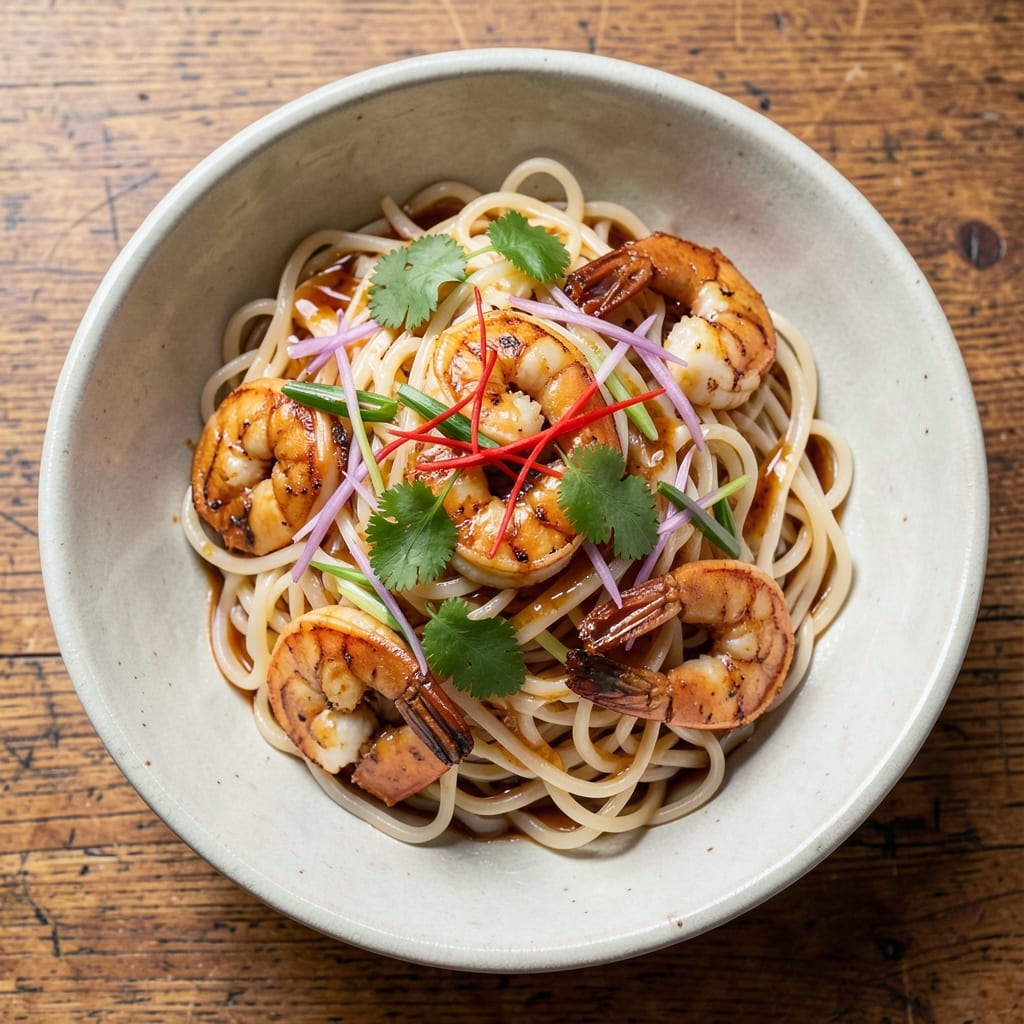
This Asian shrimp and rice noodles recipe delivers restaurant-quality wok-tossed flavor in just 20 minutes—no takeout needed. The secret lies in high-heat stir-frying shrimp until perfectly tender and crispy, then combining them with chewy rice noodles in a fragrant sauce that balances sweet, salty, and umami notes. I developed this dish after craving something quick yet sophisticated, and it’s since become a go-to weeknight dinner that feels like a special occasion.
The process is simpler than it sounds: marinate the shrimp briefly for extra flavor, cook the rice noodles just until pliable (not mushy), and stir-fry everything together in one pan. The sauce—a blend of soy sauce, garlic, ginger, and a touch of chili—infuses every bite with bold, aromatic depth. What you’ll end up with is a dish that’s crisp, tender, and packed with umami crunch, served over a bed of perfectly cooked noodles that soak up the sauce without turning soggy.
This recipe works for both weeknight dinners and weekend gatherings—scale it up easily for a crowd, or keep it intimate for two. Garnish with fresh herbs like cilantro or Thai basil, a squeeze of lime, and crushed peanuts for texture. The result? A meal that’s restaurant-worthy but simple enough for any home cook to master.
Ready to impress? Let’s get cooking—this dish comes together faster than you can order takeout, and the flavors will have everyone asking for seconds.
Ingredients for asian shrimp and rice noodles
Quick grocery run for shrimp and noodles—everything else is probably hiding in your pantry already.
| Ingredient | Amount | Notes |
|---|---|---|
| Large Shrimp (Peeled & Deveined) 🦐 | 1 ½ lb | Tail-on for presentation |
| Rice Noodles (Stir-Fry or Vermicelli) 🍜 | 8 oz | Uncooked, medium-width |
| Extra-Virgin Olive Oil 🫒 | 2 tbsp | For high-heat cooking |
| Garlic Cloves 🧄 | 4 cloves | Minced, fresh preferred |
| Fresh Ginger 🌿 | 1 tbsp | Grated, finely |
| Low-Sodium Soy Sauce 🥢 | 3 tbsp | Or tamari for gluten-free |
| Sesame Oil 🫒 | 1 tbsp | Toasted, for aroma |
| Honey or Maple Syrup 🍯 | 1 tbsp | For sweet balance |
| Red Chili Flakes 🌶️ | ½ tsp | Adjust to taste |
| Lime Wedges 🍋 | 2 whole | For serving |
| Fresh Cilantro or Thai Basil 🌿 | ¼ cup | Chopped, for garnish |
| Crushed Peanuts 🥜 | ¼ cup | Optional, for crunch |
| Salt 🧂 | ½ tsp | Kosher or sea salt |
| Black Pepper 🌶️ | ¼ tsp | Freshly ground |
The shrimp is the star here, so grab the freshest you can find—look for plump, translucent tails with no fishy smell. Trader Joe's or Whole Foods usually have great options, or hit the seafood counter at your local grocery. Tail-on shrimp holds its shape better during cooking and looks prettier on the plate. If you can't find tail-on, no biggie—just skip the presentation trick. For the rice noodles, medium-width stir-fry noodles work best—they're chewy but not too thick. Soak them in warm water for 10-15 minutes before cooking, but don't overdo it or they'll turn mushy.
No sesame oil? Toasted peanut oil works in a pinch, though it won't have that same nutty aroma. Short on honey? Maple syrup or agave keeps it vegan-friendly. The chili flakes can be swapped for sriracha or fresh chili paste if you've got it. For extra umami, add a dash of fish sauce or Worcestershire to the sauce—trust me, it elevates everything. And if you're feeling fancy, toasted shallots in the sauce add a whole new dimension (worth the extra minute).
Shrimp cooks in minutes—keep it cold until you're ready to stir-fry. The noodles soak up sauce fast, so have everything prepped before you start cooking. Leftovers? Store in an airtight container for 3 days in the fridge, but honestly, this tastes even better the next day once the flavors meld. For meal prep, portion into containers with a little extra sauce—just reheat with a splash of water to keep it tender. Garnishes like cilantro and peanuts can be added fresh when serving, so don't stress about prepping them ahead.
Why You'll Love This Recipe
- No Fuss, Big Payoff: I swear by this one—just toss peeled shrimp into a hot pan with olive oil, garlic, and ginger while the rice noodles soak in warm water. Five minutes later, you’ve got a dish that looks like it took hours (but didn’t).
- Umami Bomb: That crispy sear on the shrimp paired with the chewy noodles? It’s the kind of combo where you forget about bland takeout. The ginger and garlic linger just enough to make every bite feel like a little flavor explosion.
- Lunchbox Hero: Between us, this is my go-to for packed lunches—keeps well for days if you store it right, and the noodles stay tender. Toss in some leftover veggies or a fried egg for extra crunch, and suddenly you’ve got a meal that’s actually exciting.
- Budget Win: Fresh shrimp might sound fancy, but a single pound stretches across two meals for my family—no waste, no guilt. Plus, the noodles? Cheaper than takeout, and you’ll eat this before it gets boring. (Yes, even on a Tuesday night.)
Step-by-step instructions for wok-tossed Asian shrimp and rice noodles
Here's how to make this restaurant-quality dish in record time.
Prepare the Shrimp and Soak the Noodles
Start by patting the 1.5 lb large shrimp (peeled & deveined) completely dry with paper towels. This ensures they sear properly instead of steaming. In a small bowl, whisk together 3 tablespoons low-sodium soy sauce, 0.5 teaspoon salt, and 0.25 teaspoon black pepper. Add the shrimp to this marinade and let it sit for 10 minutes while you prep the rest.
Meanwhile, rinse the 8 oz rice noodles (stir-fry or vermicelli) under cold water to remove excess starch, then drain. Soak them in a large bowl of hot (not boiling) water for 8-10 minutes until pliable but still slightly firm. They should be tender enough to bend but not mushy. Drain and set aside, tossing with a little sesame oil to prevent sticking.
Sauté Aromatics and Cook the Shrimp
Heat a wok or large skillet over medium-high heat until it's smoking hot. Add 2 tablespoons extra-virgin olive oil and swirl to coat. Add the 4 cloves minced garlic and 1 tablespoon grated ginger, stirring constantly for 30 seconds until fragrant but not browned. Watch carefully—ginger burns quickly!
Increase heat to high and add the marinated shrimp in a single layer. Let them sear undisturbed for 1-2 minutes until the bottoms turn opaque and golden. Stir gently and cook for another 30-60 seconds until they're fully cooked through. Remove shrimp to a plate and set aside.
Build the Sauce and Toss Everything Together
In the same wok, reduce heat to medium and add 1 tablespoon sesame oil, 1 tablespoon honey or maple syrup, and 0.5 teaspoon red chili flakes. Stir for 30 seconds to combine. Pour in 1 tablespoon soy sauce (reserving the rest for later if needed) and let it bubble for 1 minute until slightly thickened.
Add the drained noodles to the wok and toss vigorously with tongs for 1-2 minutes until everything is well coated and heated through. Return the shrimp to the wok and toss again to distribute the sauce evenly. If the noodles seem dry, add a splash of hot water or the remaining soy sauce to loosen everything.
Finish and Serve with Fresh Garnishes
Remove the wok from heat and stir in the 0.25 cup crushed peanuts and 0.25 cup chopped fresh cilantro or Thai basil. Taste and adjust seasoning—you might want to add a little more soy sauce or chili flakes depending on your preference. The dish should balance sweet, savory, and spicy flavors.
Divide the noodles among bowls and serve immediately with the 2 whole lime wedges on the side. Squeeze fresh lime over each serving just before eating—the acidity brightens all the flavors. This dish comes together faster than you'd think, but every step matters for that perfect wok-tossed texture and umami crunch.
Pro Tips For Making Asian Shrimp And Rice Noodles
- CRISP THE SHRIMP FAST: Use a screaming-hot wok or skillet and cook shrimp in a single layer—no crowding. I learned this the hard way after rubbery shrimp from overpacking the pan; they’ll turn opaque in 30 seconds max, then pull them out immediately.
- SOAK NOODLES UNTIL TENDER: Toss dry rice noodles in warm water (not boiling) for 8-10 minutes until they’re pliable but still hold shape. Cold water makes them gummy; hot water turns them mushy—find that sweet spot.
- GINGER SLICES, NOT GRATES: Thinly slice fresh ginger (no need to peel) and add it whole to the oil first. It infuses flavor without bitterness, and you won’t waste time grating or straining—just fish out the slices when done.
- SALT THE NOODLES AFTER DRAINING: Sprinkle a pinch of salt over drained noodles while they’re still in the colander. It keeps them from sticking and adds a subtle seasoning that balances the dish—skip this, and you’ll end up with bland, clumpy noodles.
Storing and reheating this recipe
Fridge Storage Tips
Store leftovers in an airtight container with a splash of lime juice to prevent the shrimp from turning gray. The acidity helps preserve color and freshness. I like using glass Pyrex containers because they keep the dish tasting vibrant for up to 3 days in the fridge. Always let the noodles cool completely before storing to avoid condensation that makes them soggy. 💫
Freezer-Friendly Trick
For longer storage, freeze portions in single-serving airtight bags with a paper towel pressed between layers to absorb moisture. This keeps the noodles from sticking together. Label with the date—it stays good for up to 2 months. When reheating, add 1-2 tablespoons of water to the pan to restore moisture. 🧊
Reheating Like a Pro
For the best texture, reheat in a skillet over medium heat with a splash of water or soy sauce. Toss constantly for 2-3 minutes until everything is heated through. Microwaving works in a pinch—cover with a damp paper towel and heat in 1-minute intervals, stirring between each. The shrimp should reach 165°F for safety. 🔥
Reviving Texture
If your noodles seem dry after reheating, add 1-2 teaspoons of sesame oil or a splash of hot water while warming. For extra crunch, toast crushed peanuts in a dry pan for 30 seconds and sprinkle on top just before serving. This mimics the fresh-from-the-wok experience perfectly. 🥜
Garnish Refresh
Always add fresh cilantro or Thai basil and a squeeze of lime right before serving. These brighten the flavors and make reheated noodles taste almost as good as fresh. If you're short on time, a sprinkle of extra chili flakes adds a quick kick. 🍋
Nutrition facts
Frequently asked questions
Can I use frozen shrimp for this recipe?
Yes, but thaw them properly first! Place frozen shrimp in a bowl of cold water for 10-15 minutes or use the microwave defrost setting. Never cook frozen shrimp directly—they won't sear properly and may release excess water, making your dish soggy. Pat them completely dry before marinating to ensure that perfect crispy texture.
What if my rice noodles turn mushy?
This usually happens from over-soaking or reheating. For fresh noodles, soak only until pliable (8-10 minutes max). If reheating, add 1-2 teaspoons of sesame oil or a splash of hot water while warming to restore chewiness. The key is timing—noodles should be tender but still slightly firm when drained.
How can I make this spicier?
Boost the heat by adding 1-2 teaspoons of sriracha or fresh chili paste to the sauce, or swap the 0.5 teaspoon chili flakes for 1 teaspoon of cayenne pepper. For extra kick, serve with sliced jalapeños or a side of chili crisp. Adjust gradually—you can always add more heat later!
Is there a gluten-free version?
Use tamari instead of soy sauce and ensure your rice noodles are certified gluten-free. Double-check labels on sesame oil and crushed peanuts too—some brands process them in gluten-containing facilities. The rest of the recipe stays the same, and it’ll still taste amazing.
Can I make this ahead of time?
Prep the sauce and marinate the shrimp up to 1 day ahead, but don’t cook the noodles until serving. Store components separately in airtight containers in the fridge. When ready to eat, cook the noodles fresh, then toss with the prepped shrimp and sauce. This keeps everything crisp and flavorful!