
Main Courses
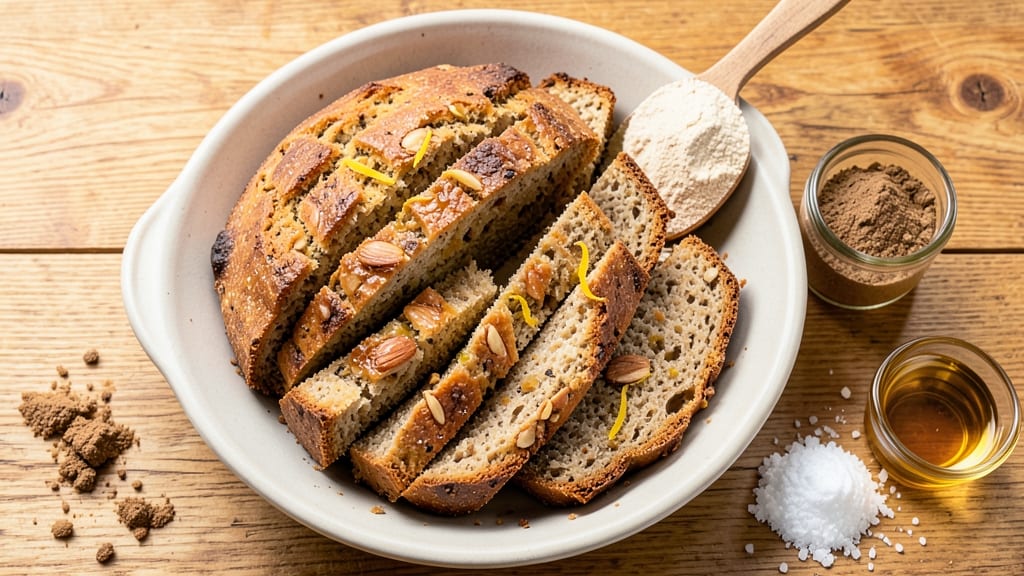
This brown rice bread recipe without yeast delivers a surprisingly light, airy loaf with warm spice notes and a tender crumb—no yeast required. The secret lies in a clever baking soda-vinegar reaction that creates lift while keeping the texture moist and satisfying.
Perfect for vegans or those avoiding yeast, this bread uses whole grains and plant-based ingredients without sacrificing flavor or structure.
What sets this recipe apart is its ability to mimic traditional yeasted bread while staying naturally leavened. The combination of brown rice flour, almond flour, and a touch of sweetener creates a subtle sweetness that balances the earthy rice flavor.
Baking at high heat ensures a crisp crust, while the interior remains soft and pillowy—ideal for sandwiches, toast, or serving alongside soups. Ready in under 1 hour, it’s a game-changer for quick, wholesome baking.
Ingredients for brown rice bread recipe without yeast
Whole grains and plant-based ingredients come together for a naturally leavened loaf.
| Ingredient | Amount | Notes |
|---|---|---|
| Brown Rice Flour 🌾 | 2 cups | Gluten-free, finely milled preferred |
| Almond Flour 🌰 | 1 cup | Blanched, finely ground |
| Whole Wheat Flour 🌾 | ½ cup | For added texture and nutrition |
| Granulated Coconut Sugar 🍯 | ¼ cup | Or maple syrup for liquid sweetener |
| Baking Soda 🧂 | 1 tbsp | Aluminum-free for best results |
| Apple Cider Vinegar 🍎 | 1 tbsp | Unfiltered for tangy flavor |
| Ground Cinnamon 🌿 | 1 tsp | Freshly ground preferred |
| Ground Nutmeg 🌿 | ¼ tsp | Freshly grated for warmth |
| Ground Ginger 🌶️ | ½ tsp | Freshly ground for zing |
| Sea Salt 🧂 | ¾ tsp | Fine grain preferred |
| Extra-Virgin Olive Oil 🫒 | ½ cup | Cold-pressed, fruity variety |
| Unsweetened Almond Milk 🥛 | ¾ cup | Vanilla or plain, unsweetened |
| Flaxseed Meal 🌾 | 2 tbsp | Ground flaxseed for binding |
| Water 💧 | ½ cup | Room temperature preferred |
The brown rice flour is the foundation here—Bob’s Red Mill or Anthony’s Goods brands deliver the finest grind for optimal texture. Almond flour adds richness, but blanched, finely ground is critical; pre-ground from bulk bins works if labeled 'blanched.' For coconut sugar, Wholesome! or Trader Joe’s brands offer the most consistent texture, though maple syrup is a seamless swap if you prefer liquid sweetener. The baking soda must be aluminum-free—check labels, as some brands include it to prevent clumping. Apple cider vinegar should be unfiltered for that authentic tang, and Bragg or Texas Cave are reliable choices.
No almond flour? Cashew flour or oat flour work in a pinch, though texture will shift slightly. Substituting maple syrup for coconut sugar requires reducing other liquids by 2 tbsp to maintain moisture balance. For the spices, Penzeys or bulk bins at natural grocery stores ensure maximum freshness—ground spices lose potency within 3 months, so avoid pre-ground if possible. The flaxseed meal can be swapped for chia seeds soaked in water (1 tbsp chia + 3 tbsp water = 2 tbsp flaxseed equivalent), though flaxseed offers a nuttier flavor. Olive oil should be extra-virgin and fruity—avoid 'light' or heavily processed varieties, which lack flavor.
This dough holds best in the fridge for 24 hours if prepped ahead, though it’s best baked fresh for optimal rise. Store wrapped in a clean kitchen towel to retain moisture, and slice with a serrated knife for clean cuts. Leftovers keep at room temperature for 3 days or frozen for 3 months when wrapped tightly. For reheating, wrap slices in foil and warm in a 350°F oven for 5-7 minutes—this restores crispness to the crust while keeping the interior soft.
Why You'll Love This Recipe
- No Yeast, No Stress: I’ll admit, I was skeptical about bread without yeast—until I tried this. The baking soda lift gives it a light, airy crumb that’s shockingly close to sourdough, but with zero waiting. Mix, pour, bake: that’s it.
- Nutty-Sweet Crunch: Between us, the almond flour adds this buttery richness that pairs perfectly with the coconut sugar’s caramel notes. Toast a slice, slather with almond butter, and you’ve got dessert for breakfast. (I’ve done it.)
- Lunchbox Legend: This bread holds up like a champ—slice it thick, pack it with peanut butter or hummus, and it’s still sturdy by lunchtime. My kid’s school lunchbox never gets complaints, and neither does my wallet when I make a big batch.
- Pantry Staple Power: Honestly, what’s not to love? Brown rice flour and whole wheat mean you’re using up what you’ve got, and the almond flour stretches the dough just enough to feed a crowd. Leftovers? Toss them in the toaster—crispy edges every time.
Step-by-step instructions for brown rice bread without yeast
This method delivers a perfectly light, airy loaf with warm spice notes—no yeast required.
Combine Wet Ingredients and Activate the Binder
In a medium bowl, whisk together the 0.5 cup extra-virgin olive oil, 0.75 cup unsweetened almond milk, and 0.5 cup water until fully emulsified. This creates the base for your batter. In a separate small bowl, combine the 2 tbsp flaxseed meal with 3 tbsp of the liquid mixture (reserve the rest). Let this sit for 5 minutes—the flax will thicken into a gel-like binder, replacing yeast's leavening function.
I find it's crucial to let the flax mixture thicken completely before adding it back. If you skip this step, your bread won't rise properly. The flaxseed creates a natural elasticity that mimics gluten development in traditional breads, which is essential for that light texture we're after.
Mix Dry Ingredients and Incorporate Wet Components
In a large mixing bowl, sift together the 2 cups brown rice flour, 1 cup almond flour, 0.5 cup whole wheat flour, 1 tbsp baking soda, 1 tbsp apple cider vinegar, 1 tsp ground cinnamon, 0.25 tsp ground nutmeg, 0.5 tsp ground ginger, and 0.75 tsp sea salt. The vinegar will react with the baking soda immediately—you'll see it fizz slightly. This chemical reaction begins the bread's rise process right in the bowl.
Once the dry ingredients are fully combined, add the thickened flax mixture and the remaining liquid mixture. Stir gently with a spatula until just combined—overmixing develops gluten-like properties in the flours, which can make the bread dense. The batter should be thick but pourable, similar to pancake batter. If it's too thick, add 1-2 tbsp more water until it reaches the right consistency.
Prepare the Loaf Pan and Pour the Batter
Preheat your oven to 350°F and lightly grease a 9x5-inch loaf pan with olive oil or line it with parchment paper. The pan should be warm when you pour in the batter to help with even baking. Pour the batter into the prepared pan and smooth the top with a spatula. Tap the pan gently on the counter 2-3 times to remove any air bubbles that might have formed during mixing.
Here's the thing—this bread doesn't rise much in the oven like yeast breads do. Instead, it relies on the chemical reactions we started in the bowl. For that reason, it's important to fill the pan completely to about ¾ full—this ensures you get a nice, tall loaf. The batter should come up to about ¾ inch below the top of the pan.
Bake Until Golden and Springy
Bake for 45-50 minutes until the top is golden brown and a toothpick inserted into the center comes out clean. The bread is done when it springs back slightly when pressed in the center—this is your best indicator of doneness. If you're unsure, check at the 40-minute mark as ovens vary in temperature accuracy.
I've found that opening the oven door early can cause the bread to sink, so resist the temptation to peek until at least 35 minutes have passed. The warm, moist environment in the oven is crucial for developing that light, airy crumb structure. When it's done, let the bread cool in the pan for 10 minutes before transferring to a wire rack to cool completely.
Rest and Slice for Perfect Texture
Allow the bread to cool completely on a wire rack for at least 1 hour before slicing. This resting period is crucial—it lets the internal structure set properly, preventing a gummy texture. The bread should be firm to the touch when fully cooled, with a slightly crisp exterior and a tender, moist interior.
When you're ready to slice, use a sharp serrated knife and cut against the grain for cleaner slices. Each piece should reveal a fine crumb with visible pockets of air—evidence of our successful leavening process. Store any leftovers in an airtight container at room temperature for up to 3 days, or freeze for longer storage.
Pro Tips For Making Brown Rice Bread Recipe Without Yeast
- STIR THE BATTER WELL: The brown rice flour loves to clump like a stubborn toddler refusing to share. Whisk it vigorously with your wet ingredients—no lazy stirring—until it’s smoother than your ex’s excuses. I learned this the hard way when my first loaf turned out dense enough to double as a doorstop.
- WEIGH YOUR FLOURS: Scooping flours by volume with this recipe is a one-way ticket to disappointment. Brown rice flour and almond flour pack differently, and your bread’s texture will pay the price. Use a kitchen scale—it’s the only way to guarantee that 1:1 ratio of whole wheat to brown rice flour actually means 1:1.
- DON’T OVERMIX AFTER SODA: Once you add baking soda, count to ten before folding in the rest. Overmixing activates the soda too fast, and your bread will taste bitter like a grudge you’ve held for years. Treat it like a shy guest—gently incorporate, then let it be.
- CHILL THE DOUGH: This isn’t yeast bread, but giving the batter a 30-minute rest in the fridge still works wonders. The flours absorb moisture evenly, and the coconut sugar dissolves properly, so your bread doesn’t turn out gummy or crumbly. (Yes, even if you’re impatient like me.)
Best sauces and condiments for brown rice bread recipe without yeast
Sweet Glazes
Drizzle warm maple-glazed walnuts (toss ½ cup chopped walnuts with 1 tbsp maple syrup and ¼ tsp cinnamon, then toast at 350°F for 8 minutes) over slices for crunch and natural sweetness.
For a richer option, brush slices with honey-cinnamon glaze (mix 2 tbsp honey, 1 tsp cinnamon, and 1 tsp water, simmer until thickened). Both pair beautifully with the bread's warm spices. 🍯
Herb Butter
Mix ½ cup softened vegan butter with 1 tbsp chopped fresh rosemary, 1 tsp lemon zest, and ½ tsp sea salt for a fragrant spread. This herb butter complements the bread's earthy flavors while adding a bright, citrusy contrast.
Serve it alongside soups or use it to elevate toasted slices. I love spreading it on warm bread straight from the oven. 🌿
Spiced Nutella
Create a vegan-friendly twist by combining ½ cup Nutella with ½ tsp cinnamon and ¼ tsp cayenne pepper for a spicy-sweet spread. The cayenne cuts through the richness while enhancing the bread's warm spices.
Spread thinly on toasted slices for a decadent treat that feels indulgent yet balanced. Store-bought Nutella works, but homemade versions with almond butter and date syrup are even better. 🌶️
Tahini Sauce
Blend ½ cup tahini, 2 tbsp lemon juice, 1 tbsp maple syrup, 1 garlic clove, and 2 tbsp water until smooth. This creamy, nutty sauce adds depth to sandwiches or as a dip for toasted bread slices.
The tahini's earthiness mirrors the brown rice flavor, creating a cohesive bite. Thin with water if needed for a pourable consistency. 🥛
Fruit Compote
Simmer 1 cup diced apples, 1 tbsp brown sugar, ½ tsp cinnamon, and 1 tbsp apple cider vinegar for 10 minutes until thickened. This compote adds a fruity tang that brightens each bite.
Serve it warm alongside breakfast toast or use it to fill sandwiches for a refreshing contrast to the bread's spiced warmth. 🍏
Smoky Avocado Mash
Mash 1 ripe avocado with 1 tbsp lime juice, ½ tsp smoked paprika, and salt to taste for a creamy, smoky spread. The avocado's richness balances the bread's earthy notes, while the smoked paprika adds a subtle depth.
Spread on toasted slices or use it as a dip for bread pieces. This mash keeps best when stored with plastic wrap pressed directly on the surface. 🥑
Nutrition facts
Frequently asked questions
Why does this bread use flaxseed instead of yeast?
The flaxseed creates a natural binder that mimics yeast's leavening effect when combined with liquid. When mixed with water, flaxseed forms a gel-like substance that provides structure and moisture retention—perfect for gluten-free baking. This method also eliminates the need for waiting hours for yeast to rise, making the whole process faster.
Can I make this bread gluten-free?
Yes! This recipe is already gluten-free thanks to the brown rice flour and almond flour base. Just ensure all your ingredients—like coconut sugar and spices—are certified gluten-free. For extra insurance, check that your baking soda and vinegar don't contain wheat additives. The texture will be slightly denser but still delicious.
What if I don't have apple cider vinegar?
White vinegar or lemon juice work perfectly as substitutes—they provide the same acidic reaction with baking soda to create lift. Use the same amount (1 tbsp) and adjust the flavor by adding a pinch of cinnamon or nutmeg if needed. White vinegar has a milder taste, while lemon juice adds a bright citrus note.
Why does my bread taste bitter?
Bitterness often comes from overbaking or using old spices. Check your oven temperature with a thermometer—it might be running hotter than 350°F. Also, ensure your spices are fresh (ground spices lose potency in 3-6 months). For extra flavor balance, try adding 1 extra tsp of cinnamon or a pinch of vanilla extract to the batter.
How can I make this bread more hearty?
Add texture with toasted seeds or nuts! Stir in ½ cup chopped walnuts or sunflower seeds before baking, or sprinkle ¼ cup pumpkin seeds on top before the final 10 minutes. For extra protein, fold in ¼ cup cooked quinoa or black beans into the batter. These additions will make each slice more satisfying.