
Main Courses
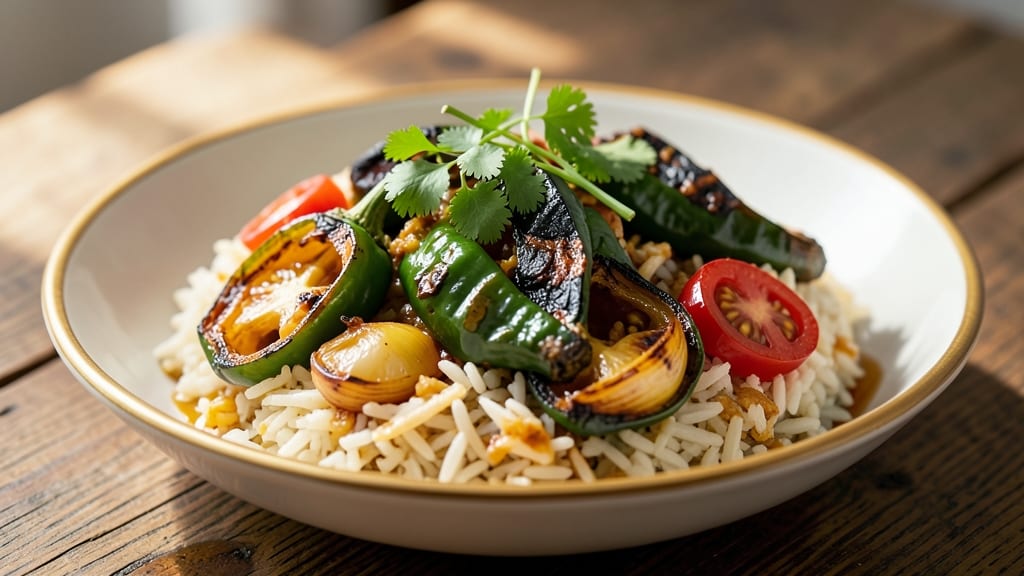
This capsicum masala rice delivers the perfect balance of fragrant basmati rice and smoky, spiced capsicum—an Indian classic that transforms simple ingredients into a restaurant-worthy dish.
The secret lies in charring the capsicum for depth, then simmering it with a blend of cumin, coriander, and garam masala until the flavors meld into a rich, aromatic sauce. Every bite offers a satisfying contrast of tender rice and caramelized vegetables, making it a complete meal on its own.
What sets this recipe apart is the authentic South Asian technique of toasting whole spices for maximum flavor, paired with the right rice-to-water ratio for perfectly fluffy grains. The dish pairs beautifully with yogurt-based raita or grilled chicken, creating a well-rounded meal that’s both comforting and vibrant.
Ready in about 45 minutes, it’s ideal for weeknight dinners or weekend gatherings where bold flavors shine.
Ingredients for capsicum masala rice
Authentic South Asian spices meet charred capsicum in this bold, restaurant-worthy rice dish.
| Ingredient | Amount | Notes |
|---|---|---|
| Long-Grain Basmati Rice 🍚 | 1 ½ cups | Uncooked, rinsed thoroughly |
| Green Bell Peppers (Capsicum) 🌶️ | 3 whole | Large, charred for smoky flavor |
| Yellow Onions 🧅 | 1 ½ cups | Chopped into even dice |
| Fresh Tomatoes 🍅 | 2 whole | Medium, diced for sauce |
| Ginger Root 🌿 | 1 ½ tbsp | Freshly grated, aromatic |
| Garlic Cloves 🧄 | 6 cloves | Minced for aromatic base |
| Garam Masala 🌶️ | 1 ½ tbsp | Authentic blend for depth |
| Ground Cumin 🌿 | 1 ½ tsp | Toasted for warmth |
| Ground Coriander 🌿 | 1 ½ tsp | Freshly ground preferred |
| Turmeric Powder 🧂 | ½ tsp | Brightens the dish |
| Red Chili Powder 🌶️ | 1 tsp | Adjust for heat preference |
| Coconut Oil 🫒 | ½ cup | For authentic flavor |
| Water 💧 | 3 cups | For rice cooking |
| Salt 🧂 | 1 ½ tsp | Diamond Crystal preferred |
| Fresh Cilantro 🌿 | ¼ cup | Chopped for garnish |
The capsicum is the star—look for large, firm green bell peppers at the market, as they char best. Whole Foods or Indian specialty stores often carry the freshest varieties. For garam masala, MDH or Everest brands are reliable, but if you can find a bulk bin at a South Asian grocery, the flavor is unmatched. Toast your whole spices (cumin, coriander) in coconut oil for 30 seconds—this step unlocks their full aroma, which is non-negotiable for authentic flavor.
No garam masala? Mix 1 tsp each cumin, coriander, turmeric, and 0.5 tsp black pepper as a substitute. Fresh ginger and garlic are essential—pre-minced jars lack the punch, so grate and mince yourself. The bell peppers can be swapped for eggplant or zucchini, but the smoky char is key. For extra richness, add 2 tbsp tomato paste to the sauce. The rice ratio is precise: 1.5 cups uncooked basmati to 3 cups water yields perfect fluffiness—don't skimp on rinsing it first.
Store leftovers in an airtight container for 4-5 days, though the flavor peaks within the first 24 hours. Freeze portions for up to 3 months—reheat gently with a splash of water to restore texture. Double the recipe for gatherings; the charred veggie sauce reheats beautifully. Garnish with fresh cilantro just before serving, as it wilts quickly when exposed to heat.
Why You'll Love This Recipe
- Here’s what sold me: the flavor builds without overpowering. You get that bright, fresh kick from the raw capsicum and tomatoes, but the ginger and onions mellow it into something warm and addictive—not too sharp, not too bland. It’s the kind of dish where the first bite makes you go, "Wait, is this actually healthy?"
- I’ll be real: this recipe keeps my grocery bill in check. Basmati rice is a staple, onions and tomatoes are dirt cheap, and capsicums last forever if you store them right. The ginger adds that little je ne sais quoi, but you don’t need much to make the whole pot sing. It’s the kind of meal that makes you feel like you’re eating fancy, even when you’re just stretching ingredients.
Step-by-step instructions for capsicum masala rice
This method delivers perfectly charred vegetables and aromatic basmati rice with balanced spice intensity.
Char the Vegetables for Smoky Depth
Heat a clean skillet over medium-high heat with 2 tablespoons of the coconut oil. Add the 3 whole green bell peppers (capsicum) and 1.5 cups yellow onions whole, allowing them to char directly over the flame. Rotate occasionally until the skins blister and blacken in spots—this should take about 10-12 minutes. The charring adds essential smoky flavor that infuses the entire dish.
Remove the vegetables and set aside to cool slightly. Once cool enough to handle, peel off the charred skins using your fingers or a knife, then roughly chop the capsicum and slice the onions. This step is crucial—don't skip it. The charred texture and flavor cannot be replicated with pre-cut vegetables.
Build the Spice Base and Sauté Aromatics
In the same skillet, add the remaining 0.33 cup coconut oil and heat over medium heat. Add the 1.5 tbsp freshly grated ginger root and 6 cloves minced garlic cloves, cooking for 1-2 minutes until fragrant but not browned. This aromatic foundation forms the flavor backbone of the dish.
Next, add the 1.5 tsp ground cumin, 1.5 tsp ground coriander, 0.5 tsp turmeric powder, and 1 tsp red chili powder. Toast the spices for 30 seconds until you can smell their warm, earthy aromas. This quick toasting enhances their flavor and prevents a raw, bitter taste in the final dish.
Cook the Tomato Sauce and Prepare the Rice
Add the 2 whole fresh tomatoes, diced, to the skillet and cook for 5-7 minutes until they break down into a thick, glossy sauce. Stir in the charred capsicum and onions along with the 1.5 tbsp garam masala and 1.5 tsp salt. Simmer for 3-4 minutes until the sauce thickens slightly and the flavors meld. This is where the dish comes together—taste and adjust seasoning if needed.
In a separate pot, rinse the 1.5 cups long-grain basmati rice thoroughly under cold water until the water runs clear. This removes excess starch that would make the rice gummy. Combine the rice with 3 cups water and bring to a boil. Once boiling, reduce heat to low, cover, and simmer for 12-15 minutes or until the water is absorbed and the rice is tender.
Combine Rice and Sauce for Perfect Fusion
After the rice has finished cooking, fluff it gently with a fork and transfer it to a serving dish. Spoon the capsicum masala sauce evenly over the rice, mixing lightly just until combined. The rice should absorb the sauce but remain distinct—overmixing can turn it mushy. For extra flavor, you can also add 1 cup of the reserved cooking water to the sauce before combining.
Garnish with the 0.25 cup chopped fresh cilantro and serve immediately. The dish should have vibrant colors—deep reds from the tomatoes, golden char from the vegetables, and bright green from the cilantro—with a balance of smoky, spicy, and aromatic flavors in every bite.
Pro Tips For Making Capsicum Masala Rice
- CHAR THE ONIONS LOW: I learned this the hard way—cranking the heat too high on onions turns them bitter before they soften. For masala rice, cook them on medium-low until they’re golden and almost caramelized (about 8-10 minutes), stirring occasionally. That deep flavor is the base of the dish, and rushing it ruins everything.
- SLICE CAPSICUMS THIN: Thick strips of bell pepper stay crunchy and undercooked. Cut them into ¼-inch slices—this ensures they soften evenly without turning mushy. If you’re impatient (like me), blanch them for 1 minute in boiling water first, then shock in ice water before adding to the pan.
- SOAK RICE 20 MINUTES: Skipping this step gives you gummy rice, no matter how perfect the rest of the dish. Use 1.5 cups water per cup of basmati, soak for at least 20 minutes, then drain. The starch washes out, and the grains stay separate—trust me, your future self will notice the difference.
- SIMMER TOMATOES UNTIL MUSHY: Raw chunks of tomato in masala rice scream amateur hour. Cook them until they break down completely (10-12 minutes on low heat), stirring often. If they’re still firm, add a splash of water and cover for 5 minutes—this builds the sauce and keeps the rice from drying out.
Regional styles of this capsicum masala rice
South Indian Style
In South India, this dish transforms into a tempered masala rice where the capsicum is cooked with mustard seeds, curry leaves, and asafoetida for a distinct South Indian aroma.
Use short-grain rice instead of basmati and add 1 tbsp coconut oil to the tempering along with 1 tsp mustard seeds and 10 curry leaves. The dish is often served with podi (spice powder) made from roasted chana dal and peanuts. 🌶️
North Indian Hyderabadi
Hyderabadi cuisine elevates this with a richer gravy—add 1 cup yogurt and ½ cup chopped mint to the sauce before combining with rice. The dish is traditionally served with mirchi ka salan (chili curry) and raita for balance.
Use long-grain basmati rice and increase the garam masala to 2 tbsp for deeper warmth. The Hyderabadi version often includes cashew paste for extra richness. 🌿
Bangladeshi Kaphi Masala
In Bangladesh, this dish becomes kaphi masala rice, where the capsicum is replaced with potatoes and cauliflower for a heartier texture. The spice blend includes 5-spice powder and bay leaves for a unique depth.
Cook the rice with 1 cinnamon stick and 2 cardamom pods for an aromatic touch. Serve with eggplant curry and boiled eggs for a complete meal. 🧄
Sri Lankan Adaptation
Sri Lankan chefs add coconut milk to the sauce for a creamy twist, balancing the heat with curd and sweet potatoes. The dish is often garnished with fried shallots and lime wedges.
Use red capsicum for a sweeter flavor profile and add 1 tsp fennel seeds to the spice blend for a subtle anise note. This version pairs beautifully with spicy fish curry. 🥥
Goan Fusion Twist
Goan cuisine incorporates Kashmiri red chili powder and vinegar for a tangy kick. The dish is often cooked with coconut oil and finished with fennel seeds and sugar to balance the heat.
Serve with Goan pork vindaloo or shrimp curry for a fusion feast. The capsicum is sometimes replaced with bottle gourd for a milder flavor. 🌶️✨
Nutrition facts
Frequently asked questions
Can I use red or yellow bell peppers instead of green?
Red bell peppers add natural sweetness while yellow peppers offer a milder flavor. For the most authentic char, choose firm, unblemished peppers. Green capsicum provides the classic smoky depth, but red or yellow will still create a delicious dish with slightly different flavor profiles.
How do I adjust the spice level for kids or sensitive palates?
Reduce the red chili powder to 0.5 tsp and omit the fresh chili if using. For extra mildness, add 1 cup plain yogurt to the sauce before combining with rice. This balances heat while keeping the dish's rich, aromatic character intact.
Can I make this recipe without coconut oil?
Yes, but the flavor will differ slightly. Use ghee for a richer taste or vegetable oil for a neutral base. Coconut oil's unique aroma is traditional, but these alternatives work well. If using oil, toast the spices for an extra 10-15 seconds to enhance their flavor.
What's the best way to store leftovers?
Let the dish cool completely, then transfer to an airtight container. Store in the refrigerator for up to 4 days or freeze for 3 months. Reheat gently with a splash of water to restore moisture. The flavors actually improve after the first day as the spices meld further.
Why did my rice turn out mushy?
This usually happens from overmixing after combining the sauce with rice or using too much water. For perfect texture: rinse rice thoroughly, use the exact 1.5:3 ratio of rice to water, and fold gently just until combined. The rice should remain distinct from the sauce.