
Main Courses
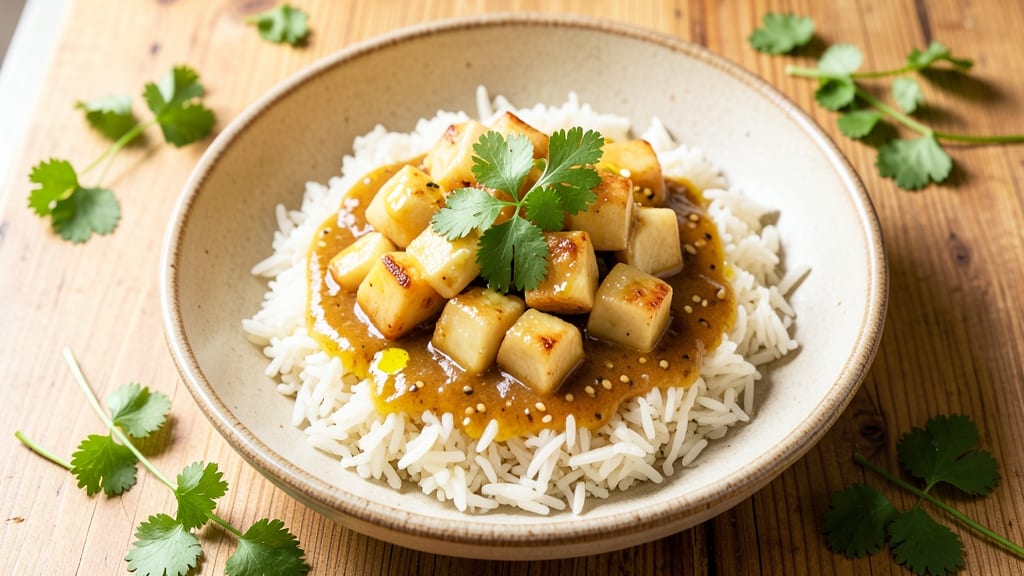
This cassava rice recipe transforms humble cassava into a light, fluffy base that absorbs flavors beautifully while keeping meals plant-forward. The key lies in properly grating and soaking the cassava to achieve that perfect texture—neither gluey nor dense—while maintaining its natural mild sweetness.
It's the ideal side for stews, curries, or grilled proteins, offering a satisfying bite without overpowering the main dish.
What makes this recipe stand out is its versatility—vegetarian by nature but easily adaptable for vegan diets by omitting butter or using plant-based oils. The cassava rice holds its shape when cooked properly, creating a sturdy yet tender foundation that pairs equally well with bold spices or delicate herbs.
Whether you're serving it as a side or a main, the result is consistently impressive.
Ingredients for cassava rice
Transform humble cassava into a fluffy, plant-forward base with these carefully selected ingredients.
| Ingredient | Amount | Notes |
|---|---|---|
| Fresh Cassava (Yuca) 🥔 | 2 cups | Grated, peeled, and soaked in cold water |
| Long-Grain White Rice 🍚 | 1 cup | Uncooked, rinsed thoroughly |
| Vegetable Broth 💧 | 2 ½ cups | Low-sodium preferred |
| Unsalted Butter 🧈 | 2 tbsp | Vegan butter for plant-based option |
| Extra-Virgin Olive Oil 🫒 | 1 tbsp | For even moisture distribution |
| Fresh Lemon Juice 🍋 | 2 tbsp | Brightens flavor profile |
| Garlic Cloves 🧄 | 2 cloves | Minced for aromatic depth |
| Fresh Cilantro 🌿 | ¼ cup | Chopped, for garnish |
| Ground Turmeric 🌶️ | ½ tsp | For vibrant color and earthiness |
| Ground Cumin 🌿 | ½ tsp | Toasted for enhanced flavor |
| Diamond Crystal Kosher Salt 🧂 | 1 tsp | Adjust to taste |
| Freshly Ground Black Pepper 🌶️ | ¼ tsp | For subtle heat |
The cassava is the foundation here—freshness is critical for texture. Look for firm, unblemished tubers at Latin markets or well-stocked grocery stores like Whole Foods or Trader Joe's. Peel and grate immediately after purchase to prevent browning. For the rice, jasmine or basmati adds subtle floral notes that complement cassava's mild sweetness. The vegetable broth should be rich but not overly salty—Imagine or Pacific Foods brands are excellent choices. Toast your spices briefly in a dry pan before adding to deepen their aromatic profiles.
No fresh cassava? Pre-grated frozen cassava works in a pinch, though texture may be slightly denser. Swap white rice for brown rice or quinoa for added nutrition, though cooking times will vary. For a vegan adaptation, replace butter with coconut oil or vegan butter—both work beautifully. The lemon juice is essential; it prevents the cassava from becoming gummy and brightens the final dish. If you're short on time, bottled lemon juice works fine, though fresh is preferred. For the spices, ground cumin loses potency quickly, so buy small quantities or store in an airtight container away from light.
Store cooked cassava rice in an airtight container in the refrigerator for up to 5 days, though it's best enjoyed within 2 days for optimal texture. For longer storage, freeze portions in single-serving containers for up to 3 months. Reheat gently in a skillet with a splash of water or broth to restore moisture. This dish reheats beautifully, making it perfect for meal prep. Garnish with fresh cilantro just before serving to preserve its vibrant color and fresh aroma.
Why You'll Love This Recipe
- No-Peel Hassle: Fresh cassava just needs a scrub and chop—no peeling, no fuss. I swear, the kids can help with this part while I stir the broth, and we still finish faster than my usual rice routine.
- Buttery Creamy Magic: That rich olive oil and butter combo turns plain rice into something ridiculously good. The cassava soaks up the flavor like a sponge, giving every bite a velvety texture that’s weirdly satisfying.
- Meal Prep MVP: Make a big batch on Sunday, and you’ve got lunch or dinner covered for days. Honestly, it reheats better than takeout—just add a splash of broth to keep it fluffy, and no one will guess it’s from yesterday.
- Budget Stretch: Cassava and rice? Two of the cheapest staples out there. Between us, this feeds four for under five bucks, and the leftovers taste just as good cold in wraps the next day. My wallet thanks me every time.
Step-by-step instructions for cassava rice
Here's the precise method to create a light, fluffy plant-based rice blend with cassava's signature texture.
Prepare the Cassava Base
Begin by peeling the 2 cups fresh cassava (yuca) using a vegetable peeler or sharp knife. Cut it into small, even cubes about ½-inch in size. Place the cassava cubes in a bowl and cover completely with cold water. Let it soak for 30 minutes while you prepare the remaining ingredients. This soaking step removes excess starch and prevents the cassava from becoming gummy during cooking.
After soaking, drain the cassava thoroughly using a fine-mesh strainer. Transfer it to a food processor and pulse until you achieve a coarse, gritty texture similar to rice grains. You want the cassava to resemble raw rice rather than a fine powder. This texture ensures proper absorption of the broth and creates the ideal consistency for your dish.
Toast the Spices and Aromatics
Heat a large skillet over medium heat and add the 1 tablespoon extra-virgin olive oil. Once the oil shimmers, add the 2 minced garlic cloves and toast for 30 seconds until fragrant but not browned. Immediately add the 0.5 teaspoon ground turmeric and 0.5 teaspoon ground cumin, stirring constantly for 1 minute until the spices release their aromas and the mixture smells earthy and warm.
Remove the skillet from heat and transfer the spice mixture to a medium bowl. Add the 1 cup long-grain white rice and toss gently to coat the grains evenly. This step ensures every bite carries the warm, aromatic flavors of the spices while maintaining the rice's natural texture. The turmeric will also give your dish a beautiful golden hue.
Cook the Cassava-Rice Mixture
Return the skillet to medium heat and add the 2 tablespoons unsalted butter. Once melted, add the prepared cassava-rice mixture along with the 2.5 cups vegetable broth. Stir gently to combine, then bring to a gentle simmer. Cover the skillet with a tight-fitting lid and reduce heat to low. Cook for 15 minutes without disturbing the mixture.
After 15 minutes, check the mixture. The cassava should be tender but still slightly firm to the bite, and the rice should be just beginning to soften. If the mixture looks dry, add 2 tablespoons water and continue cooking. The cassava absorbs liquid differently than rice, so you may need to monitor it more closely. The goal is to create a blend where both ingredients are tender but still hold their shape.
Finish with Bright Flavors
Once the cassava and rice are tender, remove the skillet from heat and stir in the 2 tablespoons fresh lemon juice. This brightens the dish and cuts through the earthiness of the cassava and spices. Add the 1 teaspoon Diamond Crystal kosher salt and 0.25 teaspoon freshly ground black pepper, stirring well to distribute the seasoning evenly.
Let the mixture rest, covered, for 5 minutes. This resting period allows the flavors to meld and ensures the cassava absorbs any remaining liquid. Before serving, fluff the mixture gently with a fork and garnish with 0.25 cup chopped fresh cilantro. The cilantro adds a fresh, herbal note that complements the earthy cassava and aromatic spices.
Pro Tips For Making Cassava Rice
- PEEL AND GRATE COLD: Cassava gets gummy when warm, so shove it in the fridge for 30 minutes first—yes, even if you’re eager to start. I used to rush this and ended up with a gluey mess that clung to the grater like regret. Cold cassava grates cleanly and stays dry, which means your rice won’t turn into a sad, sticky puddle.
- COOK CASSAVA FIRST: Simmer the grated cassava in broth for 10–12 minutes before adding rice—this is non-negotiable. I learned this the hard way when I tossed everything in at once and ended up with half-cooked cassava and mushy rice. The cassava needs time to soften properly; rushing it makes the whole dish suffer.
- USE HALF THE RICE: This isn’t rice pilaf—it’s cassava rice. Swap half the rice for cassava (like 1:1 ratio) and adjust the broth accordingly. Full rice = dense, heavy texture. Half rice = light, fluffy, and actually tastes like a dish, not a sidekick. Trust me, your taste buds will notice.
- SWEAT THE BUTTER: Melt that unsalted butter with olive oil over medium-low heat until it’s foamy but not browned—about 2 minutes. Skipping this step means the butter burns or stays in clumps, and your rice will taste like a greasy afterthought. A little patience here makes the whole dish smell like heaven.
Dietary considerations for cassava rice
Vegetarian-Friendly Base
This cassava rice recipe starts as a naturally vegetarian dish, making it perfect for plant-based diets. The combination of cassava, rice, and vegetable broth creates a satisfying, protein-rich base without any animal products.
The 2 tablespoons unsalted butter can easily be swapped for vegan butter or coconut oil to keep it dairy-free while maintaining the same creamy texture. 🌱
Gluten-Free Naturally
Both cassava and rice are inherently gluten-free, so this recipe is safe for anyone with gluten sensitivities or celiac disease. Unlike wheat-based grains, cassava provides a neutral, slightly sweet flavor that pairs beautifully with gluten-free sauces or proteins.
Always double-check your broth label to ensure it's certified gluten-free if you're highly sensitive. The natural starch in cassava helps bind the dish together without any gluten-containing additives.
Low-FODMAP Adaptations
For those following a low-FODMAP diet, this recipe can be modified with care. Skip the garlic and onion powder (if used) and opt for asafetida or ginger for flavor depth. Use gluten-free vegetable broth and ensure your cassava is fresh and properly soaked to minimize oligosaccharide content.
The lemon juice and cilantro add bright, safe flavors that keep the dish exciting without triggering digestive issues.
Nutrient Boost Options
Elevate the nutritional profile by adding black beans or lentils for extra protein and fiber. Stir in ½ cup cooked beans during the final 5 minutes of cooking to warm them through.
For a vegan powerhouse, mix in toasted pumpkin seeds or hemp seeds for healthy fats and crunch. These additions keep the dish hearty while staying true to its plant-based roots.
Allergen Considerations
This recipe is nut-free and egg-free, making it safe for common allergies. The only potential allergens are dairy (butter) and gluten (if using non-certified broth). For soy allergies, avoid any soy-based broths and opt for chicken-free vegetable broth instead.
Always check labels on spices and broths, as some brands may process ingredients in shared facilities with allergens.
Meal Prep Flexibility
Cooked cassava rice stores beautifully for 5 days in the fridge or 3 months in the freezer, making it ideal for meal prep. Portion into airtight containers with a sprinkle of lemon juice to preserve freshness.
Reheat gently with a splash of water or broth to restore moisture. The texture holds up well when reheated, making it perfect for busy weeks where you want nutrient-packed, allergen-friendly meals ready to go. ✨
Nutrition facts
Frequently asked questions
Why does cassava rice turn gummy if I don't soak it first?
Fresh cassava contains natural starches that release when cooked, creating a gluey texture. Soaking for 30 minutes removes excess starch before processing, ensuring a light, fluffy result. Think of it like rinsing rice—it prevents clumping and keeps the texture perfect. Never skip this step if you want that ideal consistency!
Can I substitute frozen cassava for fresh in this recipe?
Yes, but expect a slightly denser texture. Thaw frozen cassava completely first, then follow the soaking instructions. For best results, pulse it in the food processor 5-10 seconds longer than fresh to achieve a similar gritty consistency. The flavor stays identical, just the texture may be marginally firmer.
What's the best way to reheat cassava rice without drying it out?
Add 1-2 tablespoons water or broth per cup of rice when reheating in a skillet over low heat. Cover with a lid for 2-3 minutes to steam gently. Microwaving works too—just sprinkle with water and cover with a damp paper towel. The key is moisture control to restore that fluffy texture.
How can I make this recipe more flavorful without adding meat?
Boost umami with 1 tablespoon soy sauce or coconut aminos, ½ teaspoon smoked paprika, or 1 teaspoon nutritional yeast. For freshness, stir in chopped scallions or fresh herbs like parsley or basil. The cassava's mild sweetness pairs beautifully with bold spices—try garam masala or berbere for global flavors.
Is cassava rice safe to eat if it's slightly undercooked?
Cassava contains natural toxins that break down only when fully cooked (165°F internal temp). Undercooked cassava can cause digestive discomfort. Always cook until tender with no firm centers—test by piercing with a fork. When in doubt, cook 5 more minutes to ensure safety. The texture will be perfect once fully done!