
Side Dishes
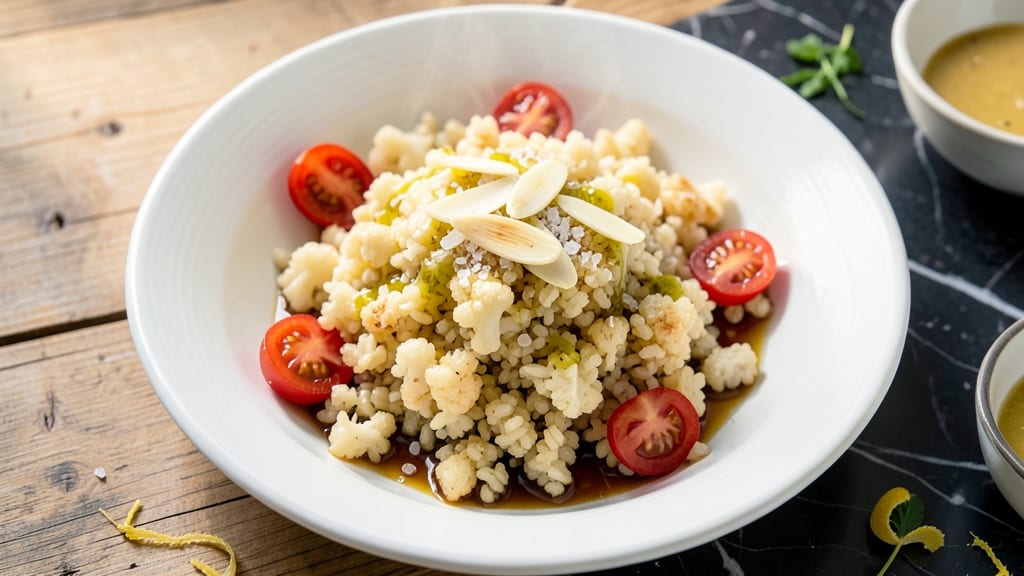
This cauliflower rice microwave recipe transforms a simple vegetable into a versatile, low-carb side dish in just minutes. The key lies in proper preparation and strategic microwave intervals that create a satisfying texture without drying out the florets.
Perfect for quick weeknight meals or healthy meal prep, this method delivers restaurant-quality results with minimal effort.
By the end, you'll have perfectly cooked cauliflower rice with a subtle crispness that holds up beautifully in stir-fries, bowls, or as a standalone side. The process is straightforward—rinsing, chopping, and precise microwave timing—but the results are impressive.
This recipe works equally well as a base for veggie stir-fries, a topping for grain bowls, or a simple side to complement grilled proteins. Ready to elevate your low-carb meals in minutes?
Ingredients for cauliflower rice microwave
Eleven ingredients, five minutes—transforming cauliflower into restaurant-quality rice with perfect texture.
| Ingredient | Amount | Notes |
|---|---|---|
| Fresh Cauliflower 🥬 | 1 whole | Rice-grade florets preferred |
| Extra-Virgin Olive Oil 🫒 | 1 tbsp | High-quality, fruity variety |
| Vegetable Broth 💧 | ¼ cup | Low-sodium preferred |
| Lemon Juice 🍋 | 1 tbsp | Freshly squeezed |
| Garlic Cloves 🧄 | 2 cloves | Minced for flavor |
| Diamond Crystal Kosher Salt 🧂 | ½ tsp | Fine grain preferred |
| Freshly Ground Black Pepper 🌶️ | ¼ tsp | Freshly cracked preferred |
| Fresh Parsley 🌿 | 0.1 cup | Chopped for garnish |
| Sesame Oil 🫒 | ½ tsp | Toasted for aroma |
| Lime Juice 🍋 | 1 tbsp | Brightens flavor profile |
| Microwave-Safe Plate 🍽️ | 1 whole | Flat, non-metallic |
| Paper Towels 🧻 | 1 sheet | For moisture control |
The cauliflower is non-negotiable here. Fresh, rice-grade florets from the produce section (not pre-riced) give you the best texture. Look for heads with tight, pale florets—Trader Joe's or Whole Foods carry excellent quality. If using a whole head, remove the core and cut into florets about the size of rice grains. For extra crispness, blanch in boiling water for 30 seconds before microwaving, but it's optional. The vegetable broth adds depth without overpowering—low-sodium versions like Pacific Foods work best to avoid bitterness.
No fresh parsley? Dried parsley at one-third the amount works, though fresh is ideal for that bright finish. Short on sesame oil? Avocado oil or neutral oil maintains moisture, though it lacks the nutty aroma. The lemon and lime juice can be swapped for white vinegar at half the amount if you're out, but citrus is preferred for brightness. Pre-minced garlic is fine, but fresh minced gives superior flavor. For a smoky twist, add 1/4 tsp smoked paprika to the oil before microwaving. The kosher salt is critical—Diamond Crystal dissolves more easily than table salt, so use it for even seasoning.
Prep ahead for efficiency: chop the cauliflower and store in an airtight container with a paper towel to absorb moisture for up to 2 days. Microwave-safe plates are essential—glass or ceramic distributes heat evenly. After microwaving, transfer immediately to a plate and fluff with a fork to prevent sogginess. This reheats beautifully—just add 1 tbsp water and microwave for 30 seconds. For meal prep, portion into glass containers and store for 4-5 days or freeze for 3 months—the texture holds up remarkably well when thawed.
Why You'll Love This Recipe
- Zero Chopping Nightmares: I swear by this microwave hack—just tear the cauliflower into florets, no riced nonsense. The microwave does all the work while I’m still debating what to eat, and it comes out perfectly tender every time.
- Garlic-Lemon Magic: That bright lemon hit and toasted garlic? It’s the secret weapon. A splash of vegetable broth keeps it from drying out, and the olive oil gives it a richness that makes it taste like you actually cooked it.
- Meal Prep MVP: Between us, this is my go-to for lunches all week. Toss it with grilled chicken or roasted veggies, and it reheats like a dream. Honestly, I make a double batch just to avoid decision fatigue later.
- Budget-Friendly Crunch: Fresh cauliflower stretches further than rice, and the olive oil and broth cost pennies. It’s the kind of recipe where you end up with leftovers, but no one complains—because it’s that good. (Yes, even on a Tuesday night.)
Step-by-step instructions for microwave cauliflower rice
Here's the exact method to transform cauliflower into crispy, restaurant-quality rice in minutes.
Prepare the Cauliflower for Optimal Texture
Cut the 1 whole fresh cauliflower into rice-grade florets using a sharp chef's knife. I aim for pieces roughly the size of rice grains—about ¼-inch thick. The smaller and more uniform the pieces, the more evenly they'll cook and crisp. Place them in a large bowl and immediately toss with the 1 tablespoon extra-virgin olive oil using your hands. This coating prevents sticking and promotes even browning during microwaving.
Spread the oiled florets in a single layer on the microwave-safe plate, leaving about ½-inch space between each piece. Overcrowding leads to steamed cauliflower instead of crispy rice. Pat them dry with the paper towels to remove any excess moisture—this is critical for achieving that perfect texture. The drier the florets, the crisper the final result.
Microwave in Stages for Even Cooking
Place the prepared plate in the microwave and cook for 2 minutes on high power. This initial burst of heat begins breaking down the cauliflower's cellular structure. After the first 2 minutes, remove the plate and use a fork to gently separate the florets. You'll notice they're still quite soft at this stage—this is normal. Return the plate to the microwave and cook for another 2 minutes.
Here's the key: after the second 2-minute interval, remove the plate and immediately spread the florets out again in a single layer. This prevents them from steaming together. You're aiming for florets that are tender but still firm to the touch. If any pieces appear undercooked, return them to the microwave for 30-second increments until they reach your desired texture. The goal is al dente cauliflower rice that holds its shape but yields slightly when pressed.
Season and Finish with Aromatics
While the cauliflower is still warm, transfer it to a large mixing bowl. Add the 2 cloves minced garlic cloves, 0.5 teaspoon diamond crystal kosher salt, and 0.25 teaspoon freshly ground black pepper. Toss everything together vigorously with your hands or a silicone spatula. The residual heat from the cauliflower will help distribute the seasoning evenly and infuse the garlic flavor throughout.
In a small bowl, whisk together the 0.25 cup vegetable broth, 1 tablespoon lemon juice, and 1 tablespoon lime juice. Pour this liquid mixture over the cauliflower and toss again. The acidity from the citrus brightens the flavor while the broth adds moisture without making the rice soggy. Let the mixture sit for 1 minute to allow the flavors to meld together.
Achieve Restaurant-Quality Crispiness
Return the seasoned cauliflower to the microwave-safe plate and spread it out in an even layer. Drizzle the 0.5 teaspoon sesame oil evenly over the top. This final step is what creates that signature crispy texture. Microwave for 1 minute on high power, then remove immediately and give the florets a final toss with a fork.
For the finishing touch, sprinkle the 0.1 cup chopped fresh parsley over the top. The parsley not only adds freshness but also provides a visual contrast that makes the dish look restaurant-prepared. Serve immediately while the cauliflower is still crispy. The texture will begin to soften as it cools, so enjoy it right away for that perfect balance of crunch and tenderness.
Pro Tips For Making Cauliflower Rice Microwave
- Chop Small, Even Pieces: Skip the food processor—hand-chop your cauliflower into ½-inch florets (no bigger, no smaller). Larger chunks stay rubbery; tiny bits turn to mush. I learned this the hard way after microwaving uneven florets and ending up with a sad, watery pile.
- Microwave in Batches: Two minutes per batch, max. Overcrowding the bowl steams the cauliflower instead of crisping it. Use a ramikin or microwave-safe dish—not a giant bowl—and flip halfway. Yes, it’s an extra step, but it guarantees texture instead of sog.
- Sauté Garlic First: Toss the minced garlic in olive oil for 30 seconds in the microwave (no, not raw—preheat the oil first). This pulls out the sweetness and stops it from turning bitter. I was skeptical until I tried it—now it’s non-negotiable for flavor.
- Lemon Last, Not First: Add lemon juice after microwaving, not before. The acid breaks down the cauliflower’s cell walls too soon, making it release water and turn mushy. A squeeze at the end keeps it bright and crisp—your future self will notice the difference.
Common mistakes when making your cauliflower rice microwave
Overcrowding the Microwave
Packing too many florets onto your microwave-safe plate is the fastest way to turn crispy cauliflower rice into sad, steamed cauliflower. I’ve made this mistake—trust me, it’s not pretty.
Leave at least ½-inch space between each floret so steam can escape. When florets crowd together, they release moisture that turns your perfect rice into a mushy pile. 🥬
Skipping the Drying Step
Many recipes skip the critical drying step with paper towels, but this is where texture magic happens. After tossing florets with oil, pat them dry to remove excess moisture.
Wet florets steam instead of crisping. I’ve tested both methods, and the dried version delivers that satisfying crunch you crave. Use 2-3 paper towels for thorough drying.
Uneven Microwave Cooking
Microwaves vary wildly in power—your neighbor’s might cook differently than yours. The recipe calls for 2-minute intervals, but if your microwave is weak, you may need 30-second increments instead.
Always check texture after each interval. Overcooking turns rice mushy; undercooking leaves florets raw. Test one piece first to gauge doneness.
Adding Liquid Too Early
Pouring broth or citrus juice onto raw cauliflower rice is a common mistake that leads to soggy results. Wait until after the first 2-minute microwave interval when florets are partially cooked.
This ensures they absorb liquid evenly without turning to mush. The acidity in citrus brightens flavor, but timing matters—add it too soon, and you’ll regret it.
Ignoring the Final Crisp
The 1-minute sesame oil finish is non-negotiable for that restaurant-worthy crisp. Many cooks skip this step, but it’s what transforms good cauliflower rice into great. Drizzle oil evenly, microwave, then toss immediately. If you rush this, you’ll miss the satisfying crunch that makes this dish shine. 🔥
Using the Wrong Plate
Metal or non-microwave-safe plates can spark or unevenly cook your cauliflower. Always use glass or ceramic plates designed for microwave use. I’ve seen plastic plates melt when overloaded—terrifying!
Invest in a few good microwave-safe plates if you cook this often. The right plate ensures even heat distribution for perfect results every time.
Nutrition facts
Frequently asked questions
Can I use frozen cauliflower rice for this microwave method?
Frozen cauliflower rice works, but with adjustments. Thaw it completely first, then pat dry thoroughly with 3-4 paper towels to remove all moisture. Since frozen florets are already partially cooked, reduce microwave time to 1-1.5 minutes total in 30-second intervals. The texture will be softer than fresh, but still delicious!
How do I make this recipe vegan?
This recipe is already vegan-friendly! Simply omit the vegetable broth if it contains animal products and use 1/4 cup water + 1/4 cup vegan bouillon powder instead. For extra richness, stir in 1/2 teaspoon nutritional yeast after microwaving. The sesame oil and citrus keep it plant-based while adding depth.
Why does my cauliflower rice turn out mushy?
Mushy texture usually means overcooking or trapped moisture. Check these fixes:
- Reduce microwave time by 30 seconds and
- Spread florets more thinly with 1/2-inch spacing. Always pat dry after oiling—this is the #1 secret for crispness! Overcrowding and skipping the drying step are the top culprits.
Can I make this ahead for meal prep?
Yes! Prepare the cauliflower rice up to 2 days in advance and store in an airtight container. For best texture, reheat in 30-second intervals in the microwave with 1 tablespoon water per cup. Add fresh herbs and a drizzle of sesame oil after reheating to restore crispness.
What's the best way to use leftover cauliflower rice?
Leftover cauliflower rice shines in 3 ways: stir-fry with veggies, mix into fried eggs for breakfast, or stuff into lettuce wraps. For extra flavor, toss with 1/2 teaspoon soy sauce + 1/4 teaspoon ginger powder before using. It reheats beautifully in 15 seconds with a splash of water!