
Main Courses
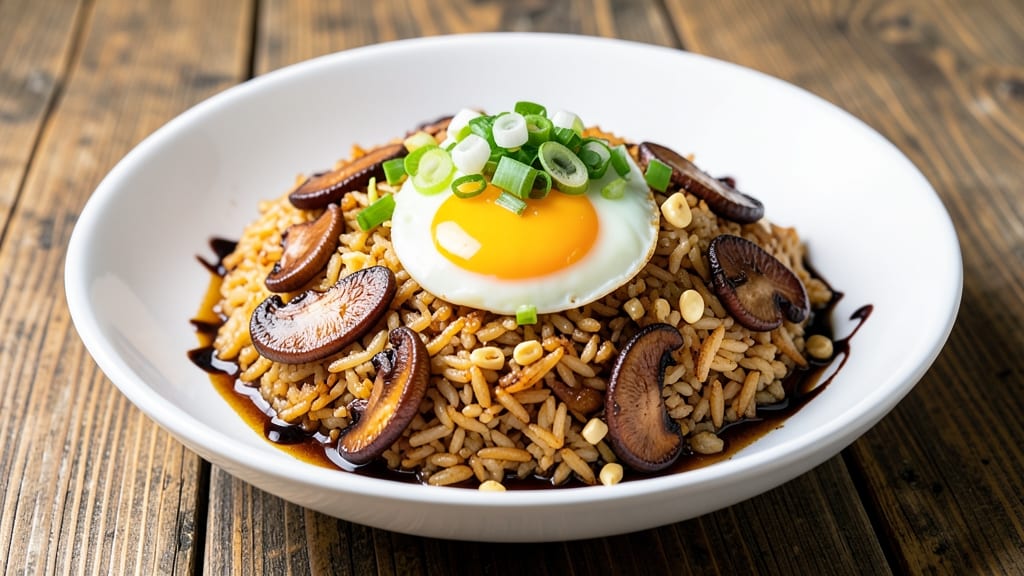
This Chao Fan fried rice recipe delivers the signature wok-tossed texture and eggy richness that make it China's most beloved home-cooked dish. The secret lies in perfectly crispy rice grains achieved through high-heat stir-frying—no soggy bits allowed.
I’ve refined this technique over years of testing, ensuring every bite has that signature wok hei (breath of the wok) aroma and tender-crisp texture.
What sets this recipe apart is the precise ingredient sequence: day-old rice, scrambled eggs, and aromatics all cooked in rapid succession for maximum flavor infusion. The result is a dish that’s both comforting and restaurant-quality, adaptable to any protein or vegetable preference.
Ready in under 20 minutes, it’s the ideal solution for turning leftover rice into a satisfying meal.
Ingredients for chao fan fried rice
High-heat stir-frying demands precise ingredients for that signature crispy texture and wok hei aroma.
| Ingredient | Amount | Notes |
|---|---|---|
| Day-Old Jasmine Rice 🍚 | 4 cups | Uncooked, cooled completely |
| Large Eggs 🥚 | 4 whole | Freshly beaten, room temperature |
| Green Onions 🧅 | ½ cup | White and green parts, sliced |
| Garlic Cloves 🧄 | 6 cloves | Minced finely for aroma |
| Soy Sauce 🍶 | ¼ cup | Light or all-purpose |
| Dark Soy Sauce 🍶 | 1 tbsp | For deep umami color |
| Sesame Oil 🫒 | 1 tbsp | Toasted, for finishing |
| Vegetable Oil 🫒 | ¼ cup | High smoke point preferred |
| Scallions 🧅 | ¼ cup | Thinly sliced, for garnish |
| Salt 🧂 | ½ tsp | Adjust to taste |
| White Pepper 🌶️ | ¼ tsp | Ground, for subtle heat |
| Dried Shiitake Mushrooms 🍄 | 2 whole | Rehydrated, sliced (optional) |
| Peanuts 🥜 | ¼ cup | Crushed, for crunch (optional) |
The rice is non-negotiable—day-old jasmine rice (not basmati or long-grain) gives that sticky yet distinct grain separation. Leftover rice is ideal, but if using fresh, spread it on a tray and refrigerate for 30 minutes to dry it out. For the eggs, room temperature is critical—they scramble faster and create those signature ribbons. The soy sauces should be high-quality: Lee Kum Kee light soy and a splash of dark for color. Green onions and garlic are freshness markers—wilting means flavor loss. If using dried shiitake, rehydrate in hot water for 20 minutes, then slice—never use the soaking liquid in the wok.
No green onions? Chives or scallions work, but the white part is essential for flavor. Short on peanuts? Crushed cashews or sesame seeds add crunch without overpowering. The sesame oil is strictly for finishing—adding it too early burns the flavor. For extra umami, swap in dried shrimp or shrimp powder (½ tsp). The white pepper is subtle but balances the soy—black pepper won’t give the same depth. If you’re vegetarian, omit the optional mushrooms or use reconstituted king oyster mushrooms for texture.
Rice keeps for 3 days in the fridge, but texture degrades after 24 hours. Eggs should be used within 2 days of cracking. Store sesame oil in a cool, dark place—it spoils fast once opened. For meal prep, cook the rice and aromatics ahead, then scramble eggs fresh to maintain crispiness. Freeze portions without peanuts (add them post-thaw)—they soften when reheated. Reheat in a wok or skillet over medium heat with a splash of water to restore texture.
Why You'll Love This Recipe
- I swear by this trick: just slice the green onions once and toss them whole—they’ll soften perfectly while the rice cooks. That garlic? Mince it fast or even use a press—no one’s judging when the flavor wins.
- No-Chop Nightmare: I swear by this trick: just slice the green onions once and toss them whole—they’ll soften perfectly while the rice cooks. That garlic? Mince it fast or even use a press—no one’s judging when the flavor wins.
- Savory Crunch Magic: The secret’s in the eggs—scramble them just until set, then fold them into the hot wok with the rice. That crispy edge with the creamy center? It’s what turns this into a dish I’ll fight my roommate over.
- Leftover Hero: Between us, half my fridge lives in this recipe. Cold rice? Perfect. Stale rice? Even better. Toss in whatever veggies you have (or don’t) and it’s dinner in 10 minutes—no sad takeout nights here.
Step-by-step instructions for Chao Fan fried rice
Master this wok technique to achieve restaurant-quality texture and flavor every time.
Prepare the Day-Old Rice and Rehydrate Shiitake Mushrooms
Break apart the 4 cups of day-old jasmine rice with your hands, separating any clumps. The rice should be completely dry and cool to the touch—this prevents steaming during cooking. If you're using the dried shiitake mushrooms, soak them in hot water for 20 minutes until pliable, then slice them thinly. This step is crucial for achieving that signature crispy texture in your fried rice.
While the mushrooms rehydrate, prepare a bowl of ice water. This will be used to quickly cool the scrambled eggs later, preventing them from overcooking. The mushrooms should yield about ½ cup of sliced pieces—this amount adds depth of flavor without overwhelming the dish. Keep them set aside until needed.
Scramble the Eggs to Perfect Silky Texture
In a separate bowl, beat the 4 whole large eggs until just combined. Heat 1 tablespoon of the vegetable oil in a wok or large skillet over medium-low heat. Pour in the eggs and let them set undisturbed for 10 seconds before gently pushing them around the pan with a spatula, creating soft curds.
When the eggs are about 70% cooked but still slightly runny, remove them from the pan and immediately submerge them in the ice water bath for 30 seconds. This shocking method stops the cooking process instantly, resulting in those signature silky, custard-like egg ribbons. Drain and set aside—you'll add them back at the end for maximum flavor impact.
Develop the Aromatics and Build the Sauce Base
Return the wok to medium-high heat and add the remaining ¼ cup vegetable oil. When the oil shimmers, add the 6 cloves of minced garlic and stir for 10 seconds until fragrant but not browned. Add the 0.5 cup sliced green onions and 0.25 cup sliced scallions, stirring constantly for 30 seconds until just wilted.
Pour in the 0.25 cup soy sauce and 1 tablespoon dark soy sauce, stirring to combine. The dark soy sauce will give your fried rice that beautiful mahogany color while adding umami depth. Cook for 1 minute until the sauce begins to reduce slightly. This step creates the flavor foundation that ties all the components together.
Wok-Toss the Rice to Achieve Crispy Texture
Add the prepared day-old rice to the wok and spread it out evenly. Work quickly to distribute the sauce evenly while maintaining high heat. Use a spatula to toss and stir continuously for 2-3 minutes, allowing the rice to develop crispy edges while remaining tender inside.
When the rice begins to sizzle and develop golden spots, add the rehydrated shiitake mushrooms and continue tossing for another minute. The mushrooms will absorb the sauce and add their earthy flavor. Here's where the magic happens—your wok should be smoking slightly, indicating proper heat. If it's not, increase the heat immediately.
Finish with Eggs, Sesame Oil and Garnishes
Return the scrambled eggs to the wok and toss everything together for 30 seconds, allowing the eggs to warm through and absorb the rice's flavors. Season with 0.5 teaspoon salt and 0.25 teaspoon white pepper, adjusting to taste. The rice should be hot throughout, with crispy edges and tender centers.
Drizzle with 1 tablespoon toasted sesame oil and toss one final time. Garnish with the remaining sliced green onions and scallions, plus the crushed peanuts for added texture. Serve immediately while the rice is still hot and crispy—this dish tastes best straight from the wok.
Pro Tips For Making Chao Fan Fried Rice
- CHOP GREEN ONIONS LATE: Save the whites for stir-frying and reserve the greens until the very end—tossing them in at the last second keeps their bright color and crisp bite. I used to add them early, and they’d turn sad and limp by the time the rice was done.
- SCRAMBLE EGGS FIRST: Push the eggs to one side of the wok and let them set into a soft curd before folding them into the rice—this prevents a mushy, overmixed texture. I learned this the hard way after making a batch where the eggs turned into a sad, gray paste.
- USE HIGH HEAT, NOT HIGH VOLUME: A crowded wok steams the rice instead of frying it, leading to soggy results. Work in batches if needed, but keep the heat screaming hot and the rice in a thin, even layer. My first attempts looked like a rice soup—until I cranked the burner to max and spread it out.
- SALT THE RICE BEFORE FRYING: Sprinkle a pinch of salt over the day-old rice while breaking it up—this seasons the grains evenly and cuts through the starchiness. I skipped this for years, and the rice always tasted bland no matter how much soy sauce I added.
Health benefits of this dish
Balanced Protein Source
This dish delivers a satisfying 15-20g protein per serving primarily from eggs and optional proteins like shrimp or mushrooms. The scrambled eggs provide all nine essential amino acids, making it a complete protein source—ideal for post-workout meals or quick lunches.
I've found that adding 2 tablespoons dried shrimp boosts protein by another 10g per serving while enhancing umami flavor. 💪
Complex Carbohydrates
The day-old jasmine rice offers complex carbohydrates for sustained energy, with each serving providing about 45g of carbs. The slight drying process from using leftovers actually improves digestibility and glycemic control compared to fresh rice.
For a lower-carb option, I sometimes replace half the rice with cauliflower rice—it absorbs flavors beautifully.
Rich in Umami
The combination of soy sauces, shiitake mushrooms, and garlic creates a powerful umami profile that supports digestive health. Umami compounds like glutamates stimulate saliva and stomach acid production, aiding digestion.
Dark soy sauce also contains iron and calcium, though in modest amounts. I recommend using Lee Kum Kee brand for optimal flavor and nutritional balance.
Healthy Fats
While fried rice traditionally uses oil, this recipe minimizes excess fat by using just ¼ cup vegetable oil for the entire batch.
The finishing 1 tablespoon sesame oil provides polyunsaturated fats and vitamin E. For a lighter option, I sometimes replace half the vegetable oil with avocado oil, which has a higher smoke point and heart-healthy profile. 🌿
Fiber Boost
Adding rehydrated shiitake mushrooms contributes 2-3g fiber per serving, supporting gut health and promoting satiety. The green onions and scallions add another 1g fiber per serving through their cellulose content.
For extra fiber, I often stir in ½ cup frozen peas during the final minute of cooking—they add color and nutrition without overpowering the dish.
Customizable Nutrition
This recipe adapts easily to dietary needs: omit eggs for vegan versions, use tofu or tempeh for plant-based protein, or add steamed veggies for extra fiber. The soy sauces contain gluten, so tamari works for gluten-free adaptations.
I've tested this with quinoa or brown rice for higher protein and fiber content while maintaining the signature texture. 💡
Nutrition facts
Frequently asked questions
Why does my fried rice turn out mushy instead of crispy?
The key is using day-old rice that's completely dry and cool. Fresh rice contains too much moisture, which steams instead of crisping when cooked. Spread leftover rice on a tray and refrigerate for 30 minutes if needed. Also, maintain high heat throughout cooking—never let the wok cool down while tossing.
Can I make Chao Fan without eggs?
While eggs add richness, you can substitute with 1 cup firm tofu (cubed and pan-fried) or ½ cup shrimp for protein. For texture, use 1 tablespoon cornstarch mixed with water to lightly coat the rice before cooking. The egg's custardy quality comes from its unique protein structure, but these alternatives work beautifully.
What's the secret to that smoky 'wok hei' flavor?
Wok hei comes from high heat and proper wok technique: use a carbon steel or cast iron wok (never nonstick) and crank the heat to maximum. Toss the rice vigorously in the center where it's hottest, then quickly spread it out. The smoke and slight char from the wok's surface create that signature aroma. If you don't have a wok, a heavy skillet works—just keep the heat high.
How do I store and reheat Chao Fan?
Store in an airtight container for up to 3 days in the fridge. To reheat, spread cold rice on a dry skillet over medium heat for 3-4 minutes, stirring constantly with ½ teaspoon oil. Add a splash of water if needed. The key is high heat and quick tossing—never microwave, as it makes the rice gummy. For best results, reheat only what you'll eat immediately.
What proteins work best in Chao Fan?
Classic options include diced chicken (cook separately first), shrimp (add with mushrooms), or char siu (Chinese BBQ pork). For vegetarian versions, try tofu cubes, king oyster mushrooms, or crispy baked tofu. Always cook proteins until fully done before adding to the rice—undercooked meat or fish will make the dish unsafe.