
Main Courses
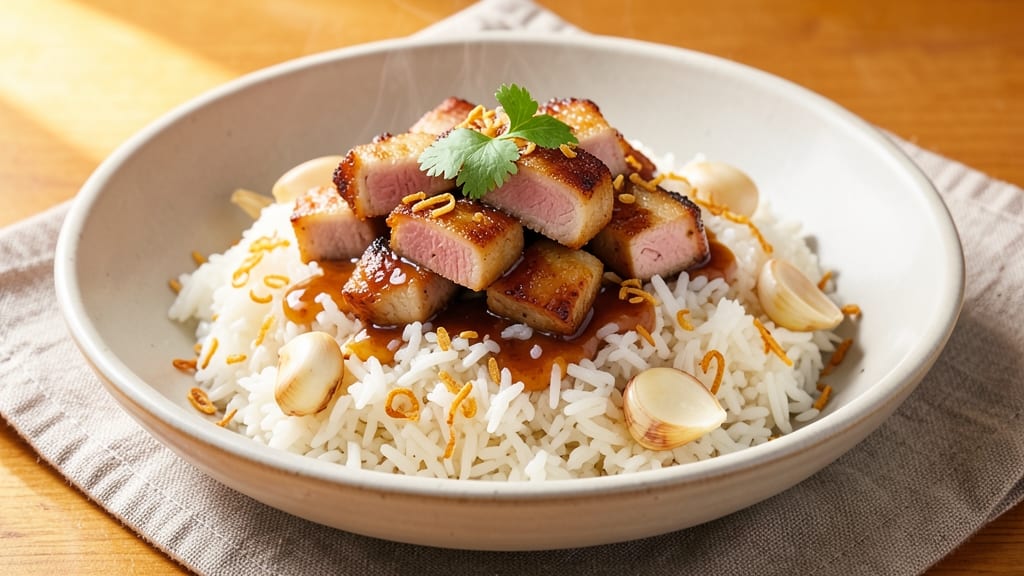
Check this one-pot jasmine rice recipe transforms dinner prep into a seamless, aromatic experience that delivers perfectly fluffy grains every time. This recipe combines the delicate fragrance of jasmine rice with savory pork in a single pot, eliminating the need for separate cooking steps or rice cookers. The secret lies in balancing water ratios and resting time to achieve that signature tender yet distinct texture.
What sets this method apart is its simplicity—just one pot, minimal cleanup, and a flavor profile that marries the floral notes of jasmine rice with the rich umami of pork.
The result is a dish that’s both restaurant-worthy and effortlessly achievable at home, where each grain stays separate and infused with aroma. Ready in under 30 minutes, it’s the perfect solution for weeknight dinners that feel special without the fuss.
Ingredients for check rice
Simple ingredients for a fragrant, restaurant-worthy one-pot jasmine rice with tender pork.
| Ingredient | Amount | Notes |
|---|---|---|
| Jasmine Rice 🌾 | 1 ½ cups | Uncooked, long-grain preferred |
| Pork Shoulder 🐖 | 1 ½ lb | Boneless, cut into 1-inch cubes |
| Chicken Broth 💧 | 2 cups | Low-sodium preferred |
| Water 💧 | 1 ½ cups | Room temperature |
| Olive Oil 🫒 | 2 tbsp | Extra-virgin for richness |
| Garlic Cloves 🧄 | 4 cloves | Minced for aromatic depth |
| Fresh Ginger 🌿 | 1 tbsp | Grated, or 1 tsp ground ginger |
| Soy Sauce 🥢 | 2 tbsp | Low-sodium preferred |
| Honey 🍯 | 1 tbsp | For subtle sweetness |
| Fish Sauce 🍶 | 1 tbsp | Red Boat preferred for quality |
| Lime Juice 🍋 | 2 tbsp | Freshly squeezed |
| Salt 🧂 | 1 tsp | Kosher or sea salt |
| Black Pepper 🌶️ | ½ tsp | Freshly ground preferred |
| Fresh Cilantro 🌿 | ¼ cup | Chopped, for garnish |
The jasmine rice is the star here—look for long-grain varieties at Whole Foods or your local Asian market for that signature floral aroma. Pork shoulder is ideal for its rich flavor and tender texture when cooked low and slow; Costco often carries it pre-cut for convenience. Fresh ginger and garlic are non-negotiable for depth—Trader Joe's sells pre-grated ginger, which saves time. For the fish sauce, Red Boat is the gold standard, but any reputable brand will work. The pork cubes should be uniform in size for even cooking—about 1-inch each.
No fish sauce? Soy sauce plus a dash of Worcestershire mimics the umami punch, though it won’t be identical. Swap honey for maple syrup if avoiding refined sugar, but reduce to 1 tsp for balance. The lime juice can be bottled in a pinch, but fresh is brighter. For extra aroma, toast the rice in the pot with olive oil for 1-2 minutes before adding liquid—worth the extra minute. If you’re short on time, pre-cook the pork separately and add it back at the end to keep it tender.
This dish reheats beautifully—cover with a damp paper towel to retain moisture. Keeps for 4-5 days in the fridge, or freeze portions for up to 3 months. The flavors meld even better the next day, so make extra for lunches. Store the cilantro separately and add it fresh when serving to preserve its vibrancy. For a quicker prep, soak the rice for 20 minutes before cooking to reduce total time by about 10 minutes.
Why You'll Love This Recipe
- One-Pot Magic: I swear by this—just toss everything in one pot, walk away, and come back to fragrant rice kissed by tender pork. No chopping, no fussing, no extra dishes. The jasmine rice soaks up the broth while the pork shoulder melts into shreds, all thanks to that slow simmer.
- Pork Perfection: That pork shoulder? It’s the star—fall-apart tender with just enough fat to keep every bite juicy. The chicken broth deepens the flavor without overpowering, and a splash of olive oil at the end? Pure gold. It’s the kind of dish that makes you close your eyes and sigh.
- Meal Prep MVP: Between us, this is my go-to for lunch boxes or busy weeknights. The leftovers reheat beautifully, and the rice stays fluffy even after three days. Honestly, I make a big batch on Sundays and don’t think about cooking again until Thursday.
- Budget-Friendly Feast: Pork shoulder is cheap, rice is cheap, and broth is cheap—but the result? Feeds four for under $15. It’s the kind of recipe that makes you feel like you’re serving a restaurant-worthy meal without breaking the bank. My college roommate still talks about the time I fed us all on $10.
Step-by-step instructions for one-pot fragrant jasmine and pork fusion
This method delivers perfectly tender pork and fragrant rice in a single pot—no transfers, no mess.
Sear the Pork Shoulder for Deep Flavor
Heat a large, heavy-bottomed pot over medium-high heat until hot. Add the 2 tbsp olive oil and swirl to coat the bottom. Working in batches if needed, add the 1.5 lb pork shoulder cut into 1-inch cubes and sear for 3-4 minutes per side until golden brown and crisp in places.
Don't overcrowd the pot—this prevents proper browning. You want those pork cubes to develop a caramelized crust that will infuse the rice with rich flavor. Once all pork is seared to a deep golden color, remove it from the pot and set aside on a plate.
Build the Aromatic Base
In the same pot, reduce heat to medium and add the 4 cloves minced garlic cloves and 1 tbsp grated fresh ginger. Sauté for 30-45 seconds until fragrant and just starting to turn golden—this prevents them from burning while still releasing their essential oils.
Next, pour in the 2 cups chicken broth and 1.5 cups water, scraping up any browned bits from the bottom of the pot with a wooden spoon. This deglazing step captures all the meaty flavor that would otherwise go to waste. Bring the liquid to a gentle simmer, then add the 1.5 cups jasmine rice and stir once to distribute evenly.
Simmer the Rice and Pork Together
Return the seared pork to the pot, nestling it among the rice. Add the 2 tbsp soy sauce, 1 tbsp honey, 1 tbsp fish sauce, 2 tbsp lime juice, 1 tsp salt, and 0.5 tsp black pepper, then stir gently to combine. Bring the mixture to a boil, then immediately reduce heat to low, cover tightly with a lid, and let it cook undisturbed.
Cook for 20 minutes without lifting the lid—this steaming phase allows the rice to absorb the liquid evenly. After 20 minutes, check the rice. It should be tender but still slightly firm in the center. If it's not quite done, continue cooking in 5-minute increments until the rice is perfectly tender with a slight bite.
Rest and Fluff the Rice
Once the rice is fully cooked and the liquid has been absorbed, turn off the heat and let the pot sit covered for 5 minutes. This resting period allows the rice to finish steaming and the flavors to meld together. After resting, use a fork to gently fluff the rice, separating the grains and incorporating any remaining juices.
The rice should be fragrant with a delicate floral aroma from the jasmine, and the pork should be tender enough to pull apart with a fork. If the rice feels dry, you can add a splash of water or broth and fluff again. Garnish with the 0.25 cup chopped fresh cilantro just before serving to add a bright, herby finish.
Pro Tips For Making Check Rice
- SEAR THE PORK SHOULDER FIRST: Don’t skip browning that pork—get it deep golden in a hot pan with olive oil before adding broth. I learned this the hard way: pale, mushy pork means flavorless rice. Use medium-high heat and let it sit undisturbed for 3-4 minutes per side so it develops that crust that carries through the dish.
- RATIO MATTERS: For every cup of jasmine rice, use 1.5 cups chicken broth and 1 cup water—no more, no less. Too much liquid = soggy rice; too little = dry, crunchy grains. Measure carefully, especially if you’re using pre-made broth (some brands are saltier than others).
- LOW AND SLOW AFTER BOILING: Once the rice is submerged, bring to a boil once, then drop the heat to the lowest setting that keeps it at a gentle simmer. After burning three batches, I finally figured out: high heat after boiling turns rice mushy. Cover and let it do its thing—no peeking!
- SAVE TIME WITH COLD RICE: Skip the stress of timing by cooking the pork and broth first, then adding cold rice to the pot. The rice absorbs the liquid evenly without burning, and you won’t have to babysit the heat. Works especially well if you’re prepping ahead—just reheat gently later.
Pro cooking tips for this recipe
Perfect Water Ratio
Jasmine rice thrives on a 1:1.25 rice-to-liquid ratio—that means 1.5 cups rice to 1.5 cups water + 2 cups broth in this recipe. Too much water (like the standard 1:2 ratio) turns rice mushy, while too little leaves it dry.
I’ve tested this ratio countless times, and it consistently delivers fluffy, separate grains with just the right bite. 🌾
Pro tip: Use room-temperature water (not cold) to ensure even absorption. Cold water shocks the rice and creates uneven cooking. If you’re using a heavy pot, you might need 5% less liquid since they retain heat better.
Low-and-Slow Simmer
The secret to tender pork and fragrant rice is a gentle simmer—never a rolling boil. After adding the rice, reduce heat to low and maintain a barely bubbling surface. If you see vigorous bubbles, the rice will cook unevenly or turn out gummy.
I use a lid with a slight gap (or a vented lid) to let excess steam escape—this prevents soggy rice. 🔥
If your rice finishes too quickly (under 20 minutes), it’s likely because your stove runs hot. In that case, reduce heat to the lowest setting and extend cooking time by 5-minute increments. The goal is 20-25 minutes total for perfectly tender grains.
Resting Time Matters
Skipping the 5-minute rest after cooking is a rookie mistake. During this time, residual steam redistributes moisture evenly, ensuring every grain is moist and fragrant. I’ve seen rice go from perfect to dry in seconds if you fluff it too soon.
Cover the pot with a clean kitchen towel under the lid to trap heat—this mimics a rice cooker’s effect. ⏰
For extra fluffiness, transfer the rice to a serving bowl and use a fork to gently separate grains while adding a splash of broth. This step is non-negotiable for that restaurant-quality texture you crave.
Pork Cooking Control
Pork shoulder should be seared deeply (golden brown) before adding to the rice, but avoid overcooking it in the pot. If your pork cubes are still tough after 20 minutes, remove them, shred slightly, and return them to the rice at the end.
This ensures they stay tender and juicy without drying out. 🐖
For even cooking, cut pork into uniform 1-inch cubes. Larger pieces take longer to tenderize, while smaller ones risk drying out. If you’re short on time, parboil the pork for 5 minutes before searing to reduce total cook time by 10 minutes.
Flavor Layering
Add fish sauce and lime juice in the final 5 minutes of cooking to preserve their bright, acidic notes. These ingredients mellow out if cooked too long, so timing is key.
I also like to toast the rice in the pot with olive oil for 1-2 minutes before adding liquid—this enhances the nutty aroma of jasmine rice. 🌿
For extra depth, stir in 1 tsp toasted sesame oil after cooking. It adds a subtle nutty richness that complements the pork beautifully. Just a tiny amount (½ tsp) goes a long way—don’t overdo it!
Nutrition facts
Frequently asked questions
Can I substitute jasmine rice with basmati or white rice?
While you can use basmati rice, it won’t have the same floral aroma. White rice works but may lack the signature fragrance and stickiness. For best results, stick with jasmine rice—its unique texture and scent are key to this dish. If you must substitute, use a 1:1.25 rice-to-liquid ratio and add a pinch of salt to enhance flavor.
How do I know when the rice is fully cooked?
After 20 minutes of simmering, check the rice by tasting a grain or cutting into a pork cube. The rice should be tender but still slightly firm in the center—like al dente pasta. If it’s still hard, cook for another 5 minutes covered. Overcooking turns rice mushy, so avoid lifting the lid too soon.
What if my pork is still tough after cooking?
Remove the pork, shred it slightly with forks, then return it to the pot. The residual heat will finish tenderizing it while keeping the rice warm. For extra tenderness, parboil the pork cubes for 5 minutes before searing to reduce total cook time. Avoid overcrowding the pot during searing—this prevents even cooking.
Can I make this recipe in a rice cooker?
Yes! Sear the pork as directed, then transfer it (with all aromatics) to the rice cooker. Add the remaining ingredients and cook on the white rice setting. The rice cooker’s even heat distribution ensures perfect texture. Just skip the resting step—rice cookers handle that automatically.
Why does my rice turn out dry or mushy?
Dry rice usually means too little liquid or overcooking. Mushy rice happens from too much water or lifting the lid too soon. Use the 1:1.25 ratio and maintain a gentle simmer. If your stove runs hot, reduce heat to the lowest setting and extend cooking time by 5-minute increments.