
Main Courses
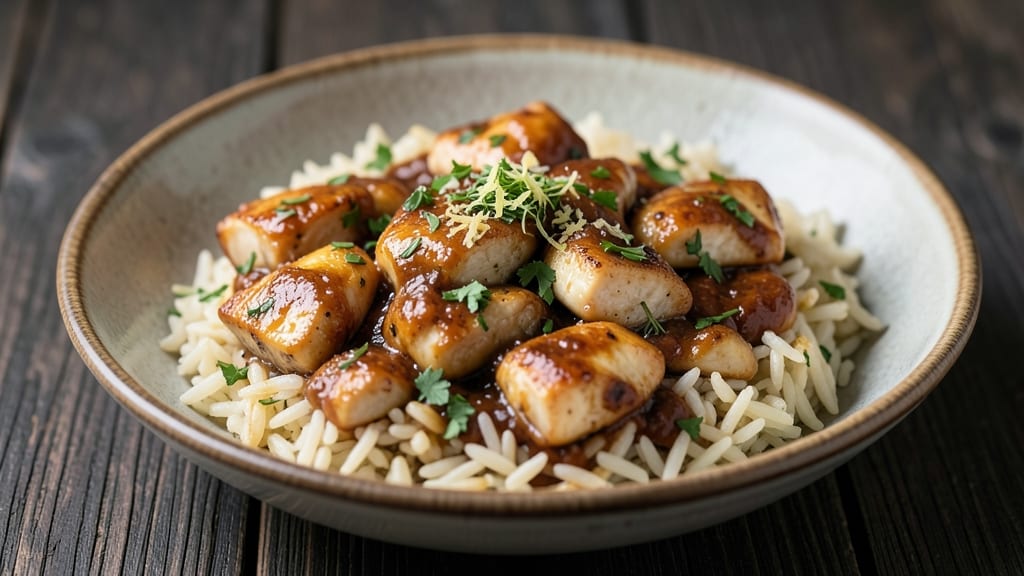
This chicken flavored rice pilaf recipe transforms a simple one-pot dish into a restaurant-worthy centerpiece with tender chicken and aromatic herbed gravy. The secret lies in cooking the chicken and rice simultaneously, allowing flavors to meld perfectly without overcrowding the pot.
Perfect for weeknight dinners or special occasions, this method delivers golden, fluffy grains and juicy chicken in under 45 minutes.
What sets this pilaf apart is the balanced seasoning—savory chicken stock, fresh herbs, and a touch of lemon zest elevate every bite. The chicken stays moist while the rice absorbs the rich, herbed gravy, creating a harmonious texture that’s both comforting and elegant.
No fancy techniques required, just a few simple steps for a dish that feels like a gourmet creation.
Ingredients for chicken flavored rice pilaf
Balanced flavors and aromatic herbs create a restaurant-quality one-pot chicken pilaf.
| Ingredient | Amount | Notes |
|---|---|---|
| Boneless, Skinless Chicken Thighs 🍗 | 1 ½ lb | Cut into 1-inch pieces |
| Long-Grain White Rice 🍚 | 1 ½ cups | Uncooked, rinsed thoroughly |
| Chicken Stock 💧 | 2 cups | Homemade or quality low-sodium |
| Unsalted Butter 🧈 | 4 tbsp | Cold, cubed for even melting |
| Shallots 🧅 | 2 whole | Finely minced, about 2 tbsp |
| Garlic Cloves 🧄 | 4 cloves | Minced finely for aroma |
| Fresh Thyme Leaves 🌿 | ½ cup | Stems removed, chopped |
| Fresh Parsley Leaves 🌿 | ¼ cup | Chopped, for garnish |
| Lemon Zest 🍋 | 1 tbsp | From 1 medium lemon |
| Dry White Wine 🍷 | ½ cup | Substitute with extra stock if needed |
| Salt 🧂 | 1 ½ tsp | Diamond Crystal preferred |
| Ground Black Pepper 🌶️ | ½ tsp | Freshly ground for best flavor |
| Extra-Virgin Olive Oil 🫒 | 2 tbsp | For searing chicken |
The chicken thighs are key—bone-in, skin-on stays juicier than breasts, but boneless works too. Costco or butcher counters often have the best cuts, but any grocery store butcher section will do. Look for thighs with good marbling (white flecks of fat) for tenderness. If using breasts, pound them to even thickness. The rice? Jasmine or basmati absorbs flavors beautifully, but long-grain white is foolproof. Rinse it until the water runs clear to remove excess starch, which prevents clumping.
No white wine? Chicken stock with a splash of lemon juice mimics the acidity. Fresh herbs elevate the dish—Trader Joe's sells pre-washed thyme and parsley bundles, saving time. Dried herbs work at half the amount, but fresh is ideal. The shallots and garlic should be finely minced for even distribution. For the butter, European-style (like Plugrá) has higher fat content, which adds richness. If you're short on time, pre-minced garlic from the jar works, but fresh is always better.
This pilaf reheats beautifully—cover with foil and warm on the stove for 5 minutes. Keeps in the fridge for 4 days or frozen for 3 months (portion into airtight containers first). For extra flavor, deglaze the pan with a splash of stock after searing the chicken. The lemon zest adds brightness, so zest only the outer layer—avoid the bitter white pith. Garnish with extra parsley right before serving for a pop of color.
Why You'll Love This Recipe
- One-Pot Magic: I swear by this—just brown the chicken, toss in rice, stock, and butter, then let it simmer. No separate pots, no extra bowls, and honestly? The cleanup is almost nonexistent.
- Rich Without Effort: The chicken thighs stay juicy while the rice soaks up that golden stock, and the shallots? They caramelize just enough to add this deep, savory sweetness that makes it taste like you spent hours. (Between us, it’s foolproof.)
- Weeknight Hero: This is my go-to when I’m exhausted but still need something hearty. It reheats beautifully, so I make a big batch on Sundays—perfect for lunches or when unexpected company drops by. (Yes, even on a Tuesday night.)
- Budget-Friendly Luxury: Chicken thighs are cheaper than breasts, and a single pan of this feeds four for under $10. The butter and stock make it feel fancy, but the grocery bill stays friendly. My daughter picks out the best pieces, but still asks for seconds.
Step-by-step instructions for chicken flavored rice pilaf
This one-pot method delivers perfectly balanced rice with tender chicken and aromatic herbed gravy.
Sear the Chicken and Sauté Aromatics
Heat the 2 tablespoons extra-virgin olive oil in a heavy-bottomed pot over medium-high heat until shimmering. Add the 1.5 lb boneless, skinless chicken thighs, cut into 1-inch pieces, and cook undisturbed for 4-5 minutes until golden brown on all sides. You want a deep crust forming—this builds flavor foundation.
Remove the chicken and set aside. In the same pot, add 2 tablespoons unsalted butter and let it melt completely. Add the 2 whole shallots and 4 cloves garlic cloves, cooking for 3-4 minutes until the shallots soften and garlic becomes fragrant. Here's the thing—don't let the garlic burn. It should smell sweet and nutty, not bitter.
Toast the Rice and Deglaze the Pot
Add the 1.5 cups long-grain white rice to the pot and stir to coat it evenly in the butter and aromatics. Toast the rice for 2 minutes until it becomes translucent at the edges. This step develops nutty flavors in the rice and prevents mushy texture.
Pour in the 0.5 cup dry white wine and scrape up any browned bits from the bottom of the pot. Let it simmer for 1-2 minutes until mostly evaporated. This deglazing captures all the flavor from the searing process. If you're using the wine substitute, add 0.5 cup extra chicken stock instead.
Simmer the Pilaf with Herbs and Stock
Return the chicken to the pot and add the 2 cups chicken stock, 1.5 teaspoons salt, and 0.5 teaspoon ground black pepper. Stir gently to combine, then bring to a gentle boil. Once boiling, reduce heat to low and cover the pot with a tight-fitting lid.
Simmer for 15 minutes without lifting the lid. This initial cooking time allows the rice to absorb liquid and the chicken to begin tenderizing. After 15 minutes, stir in the 0.5 cup fresh thyme leaves and 1 tablespoon lemon zest. These herbs will infuse the rice with bright, aromatic flavors during the remaining cooking time.
Finish with Herbed Gravy and Rest
Continue simmering for another 10-12 minutes until the rice is tender and all liquid has been absorbed. If the rice appears dry before the chicken is fully cooked, add 2-3 tablespoons hot chicken stock to maintain moisture. The chicken should be fork-tender with an internal temperature of 165°F.
Remove from heat and let the pilaf rest, covered, for 5 minutes. This resting period allows the rice to finish steaming and the flavors to meld. Before serving, stir in the 0.25 cup fresh parsley leaves and adjust seasoning if needed. The final dish should have tender chicken pieces nestled in fluffy rice, coated with a fragrant herbed gravy.
Pro Tips For Making Chicken Flavored Rice Pilaf
- CRISP THE SHALLOTS FIRST: Cook the shallots in butter until they’re deep golden—almost caramelized—before adding the chicken. I used to rush this step and wondered why my pilaf tasted flat; those shallots are the flavor bridge between the rice and stock. High heat, 3-4 minutes max, or they’ll burn.
- TOAST THE RICE DRY: Don’t rinse the rice—pat it dry after rinsing, then toast it in the butter for 2 minutes before adding liquid. This step makes all the difference in texture; my rice used to turn mushy until I learned to crisp the grains first.
- SIMMER NOT BOIL: Once the stock is added, reduce to the lowest possible simmer—just enough to keep a gentle bubble at the edges. I’ve ruined batches by letting it boil, which turns the rice gluey instead of fluffy.
- SALT THE STOCK: Season the chicken stock before adding it to the rice, even if it’s labeled "low-sodium." Unsalted butter and dried rice absorb flavor poorly, and you’ll end up guessing later. A pinch of salt in the stock ensures every grain tastes bright.
Common mistakes when making your chicken flavored rice pilaf
Overcrowding the Pot
One of the biggest mistakes is adding all the chicken pieces at once, which can lead to uneven cooking and steaming instead of searing. I’ve seen people dump all the chicken into the pot, and it just sits there, barely browning.
Instead, work in batches—2-3 pieces at a time—to ensure each piece develops a golden crust. This crust is what locks in flavor and moisture, so don’t rush it. 🔥
Skipping the Rice Toast
Many recipes call for rice to be added directly to the liquid, but toasting the rice first makes a world of difference. When you toast the rice for 2 minutes in the butter and aromatics, you develop nutty flavors and prevent that dreaded mushy texture.
Skipping this step often results in rice that’s either undercooked or gummy. Trust me, those 2 minutes are worth it.
Using Low-Quality Stock
I can’t stress enough how much the stock impacts the final dish. Using low-quality or heavily salted store-bought stock will make your pilaf taste flat or overly salty. Opt for homemade chicken stock or a high-quality low-sodium brand like Pacific Foods.
If you’re in a pinch, simmer 2 cups water with a chicken bouillon cube (like Knudsen) for 5 minutes to boost flavor. The difference is night and day.
Lifting the Lid Too Soon
Pilaf is all about steam, and lifting the lid too early releases that steam, which can make the rice dry out or cook unevenly. Once you cover the pot and start simmering, resist the urge to peek for at least 15 minutes.
If you must check, lift the lid just enough to peek, then cover it back up immediately. Patience here ensures fluffy, even rice every time. ⏰
Overcooking the Chicken
Chicken thighs are forgiving, but overcooking them turns them dry and tough. Use a meat thermometer to check for 165°F internal temperature—this is the sweet spot for juicy, tender chicken.
If you don’t have one, cut into the thickest piece: it should be fork-tender with just a hint of resistance. Overcooking is a common mistake, but a little attention to timing prevents it.
Ignoring the Resting Time
Rushing to serve the pilaf right after cooking is another mistake. Letting it rest for 5 minutes under the lid allows the rice to finish steaming and the flavors to meld together.
Skipping this step often results in rice that’s still slightly underdone or sauce that’s separated. It’s a small step, but it makes a big difference in the final texture and taste. 💫
Nutrition facts
Frequently asked questions
Can I use chicken breasts instead of thighs?
Yes, but you'll need to adjust the cooking time and method. Chicken breasts cook faster and are more prone to drying out. Cut them into 1-inch pieces and sear them for just 3-4 minutes per side. After adding to the rice, reduce the simmering time to 12-15 minutes total (instead of 25) and check for 165°F internal temperature early. For extra moisture, add 2 tbsp chicken stock when the rice is nearly done.
What if I don't have white wine?
No problem! Use 0.5 cup extra chicken stock plus 1 tbsp lemon juice to replicate the acidity. For a richer flavor, add 1 tsp Dijon mustard to the stock mixture. The key is balancing the acidity—this combo mimics wine's depth while keeping the dish cohesive.
How do I make this dish vegetarian?
Replace the chicken with 1.5 cups sliced mushrooms (cremini or shiitake) and 1 cup diced firm tofu (pressed and pan-fried). Use vegetable stock instead of chicken stock, and add 1 tsp smoked paprika to the rice for depth. The cooking time remains the same, but check the mushrooms for tenderness at 10 minutes.
Can I prepare this ahead of time?
This pilaf reheats beautifully. Cook it as directed, then let it cool completely. Store in an airtight container in the fridge for up to 4 days or freeze for 3 months. To reheat, cover with a damp paper towel and warm on low heat for 5-7 minutes, stirring occasionally. Add 1-2 tbsp water or stock if it seems dry.
What's the secret to fluffy rice?
Three key steps: rinse the rice until water runs clear (removes excess starch), toast the rice in butter for 2 minutes (develops nutty flavor), and don't lift the lid during the first 15 minutes of simmering (traps steam). The resting time of 5 minutes after cooking also helps distribute moisture evenly.