
Main Courses
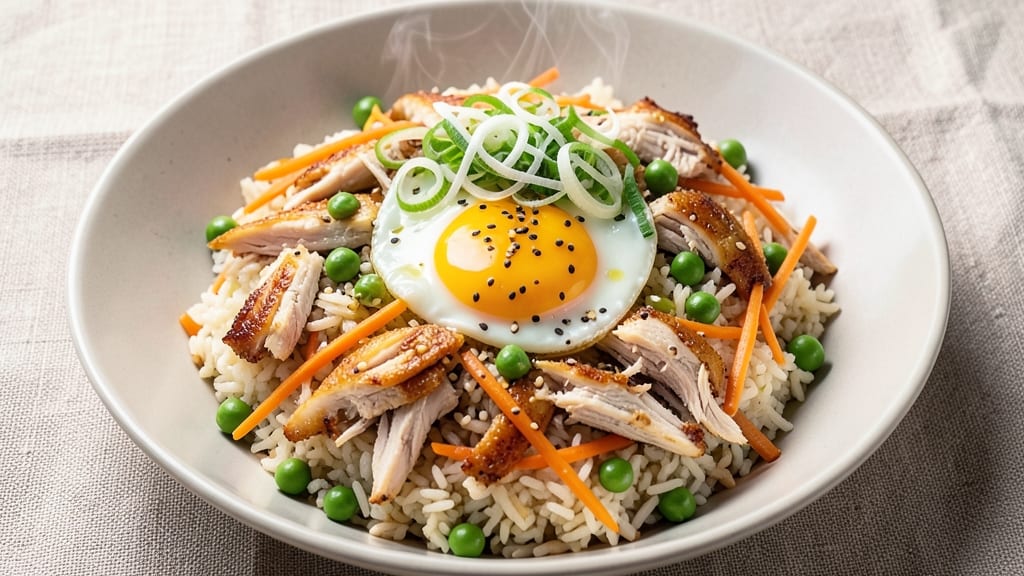
This chicken fried rice recipe using rotisserie chicken transforms leftover rotisserie into a restaurant-worthy dish with crispy veggies and savory depth. I developed this after realizing how much flavor gets wasted when we toss out those leftovers—this method turns them into a satisfying, one-pan meal in under 30 minutes.
The secret? Stir-frying the rice and veggies at high heat to achieve that perfect crisp-tender texture while keeping the chicken juicy and flavorful.
What makes this recipe stand out is the balance of textures and flavors—crispy edges on the vegetables, tender rice, and perfectly seasoned chicken all come together in every bite.
The technique is simple but effective: we'll start by prepping the chicken, then stir-fry the veggies until they're golden and caramelized before mixing everything together with a quick soy-ginger sauce. No fancy ingredients or complicated steps—just a foolproof method that delivers professional results at home.
The best part? This recipe is incredibly versatile. Use day-old rice for the best texture, and feel free to swap in whatever vegetables you have on hand—peas, carrots, bell peppers, or even frozen mixed veggies all work beautifully.
The rotisserie chicken adds richness and depth, while the stir-fry process ensures every bite is packed with flavor. It's the kind of dish that turns a simple weeknight dinner into something special without requiring much effort.
Ready in just 25 minutes, this chicken fried rice is perfect for busy weeknights, meal prep, or even a quick lunch. The crispy veggies and savory chicken make it a satisfying meal that feels indulgent, while the simplicity of the recipe ensures you'll want to make it again and again.
Let's get started!
Ingredients for chicken fried rice recipe using rotisserie chicken
Transform leftover rotisserie into crispy, savory magic with these simple yet powerful ingredients.
| Ingredient | Amount | Notes |
|---|---|---|
| Rotisserie Chicken 🍗 | 2 cups | Shredded meat, skin removed |
| Day-Old Cooked White Rice 🍚 | 3 cups | Cold, unseasoned rice preferred |
| Carrots 🥕 | 1 cup | Julienned or thinly sliced |
| Green Onions 🧅 | ½ cup | White and green parts, sliced |
| Peas 🌱 | ½ cup | Fresh or frozen, thawed |
| Large Eggs 🥚 | 2 whole | Beaten for scrambling |
| Vegetable Oil 🫒 | 2 tbsp | High smoke point preferred |
| Soy Sauce 🍶 | 2 tbsp | Low-sodium preferred |
| Sesame Oil 🫒 | 1 tbsp | Toasted for aroma |
| Fresh Ginger 🌿 | 1 tbsp | Finely grated, fresh |
| Garlic Cloves 🧄 | 3 cloves | Minced, fresh preferred |
| Salt 🧂 | ½ tsp | Kosher or sea salt |
| Black Pepper 🌶️ | ¼ tsp | Freshly ground preferred |
The rotisserie chicken is the star—look for a store-bought bird with juicy, flavorful meat (Costco or Trader Joe's have great options). Shred it yourself for maximum texture, but if you're in a rush, the pre-shredded kind works too. Day-old rice is non-negotiable—it's drier and absorbs flavors better. I always grab extra carrots and peas at Aldi because they're cheap and fresh. The green onions? Use the whole stalk—white parts add depth, green parts bring brightness. For the eggs, room temperature makes all the difference in achieving that silky scramble texture.
No fresh ginger? Substitute with 1 tsp ground ginger—it's less vibrant but works in a pinch. Short on sesame oil? Toasted walnut oil gives a similar nutty depth. The soy sauce can be swapped for coconut aminos if you're avoiding sodium. For the veggies, frozen mixed stir-fry veggies cut prep time by half—just thaw and drain well. Want extra crispiness? Add 1/4 cup cornstarch to the veggies before stir-frying. The garlic can be pre-minced from a jar if you're in a hurry, but fresh is always better.
This dish reheats beautifully—microwave for 90 seconds with a splash of water to revive crispiness. Keeps for 4 days in the fridge or 3 months frozen. I double the recipe and freeze portions for lazy weeknights. Store eggs in their original carton in the coldest part of your fridge. The ginger and garlic can be prepped ahead and stored in the fridge for up to 5 days—just keep them in airtight containers. The oil should be stored in a cool, dark place to preserve its quality.
Why You'll Love This Recipe
- No Grocery Run Needed: I just grab the rotisserie chicken from my fridge—no shopping, no chopping mountains of raw meat. That crispy skin? It adds texture without extra work, and the shredded breast falls apart perfectly with a fork.
- Umami Bomb Combo: The rotisserie chicken’s smoky, herby notes mix with the day-old rice’s slight dryness—like a hug for your taste buds. Add a splash of soy sauce and a cracked egg, and suddenly, you’ve got depth without fancy ingredients.
- Lunchbox Hero: Pack it cold or reheat it—this dish travels like a champ. My kids take it to school, my husband eats it for breakfast, and I sneak bites straight from the fridge. (Yes, even on a Tuesday night.)
- Leftovers That Don’t Suck: Unlike takeout, this tastes better the next day. The rice softens just enough, the peas stay bright, and the chicken stays juicy. I make a big batch Sunday, and by Wednesday, I’m still grateful for it.
Step-by-step instructions for chicken fried rice using rotisserie chicken
Transform leftover rotisserie chicken into a restaurant-worthy fried rice with perfectly crispy veggies and tender eggs.
Prep the Ingredients for Maximum Crispiness
Start by shredding the 2 cups rotisserie chicken into bite-sized pieces using two forks. The smaller the pieces, the better they'll incorporate into the rice. In a large bowl, combine the shredded chicken with the 3 cups day-old cooked white rice, 1 cup julienned carrots, 0.5 cup sliced green onions, and 0.5 cup thawed peas. Cold rice is essential—it prevents the dish from turning mushy when cooked.
Grate the 1 tablespoon fresh ginger and mince the 3 cloves garlic cloves. I like to use a microplane for the ginger to get fine, even shreds that'll infuse flavor without overpowering. Set these aside—they'll be your aromatic foundation. This prep work ensures everything comes together quickly when you're ready to cook.
Scramble the Eggs to Perfect Texture
In a separate bowl, crack the 2 whole large eggs and whisk them vigorously until the yolks and whites are completely combined. I add a pinch of the 0.5 teaspoon salt to the eggs while whisking—this enhances their flavor and prevents the scrambled eggs from tasting bland when mixed with the rice.
Heat 1 tablespoon of the 2 tablespoons vegetable oil in a wok or large skillet over medium-high heat. The oil should shimmer but not smoke. Pour in the egg mixture and let it sit undisturbed for 5-10 seconds before gently pushing it around the pan with a spatula. You want soft, creamy curds—not dry, rubbery eggs. As soon as the eggs are just set but still slightly runny, remove them from the pan and set aside on a plate.
Stir-Fry the Aromatics and Base
Increase the heat to high and add the remaining 1 tablespoon vegetable oil to the same pan. Add the minced garlic and grated ginger, stirring constantly for 20-30 seconds until they become fragrant and just begin to color. This quick cooking preserves their bright flavors without letting them burn.
Add the rice mixture to the pan, breaking up any clumps with your spatula. Stir-fry vigorously for 2-3 minutes until the rice begins to separate and take on color. Here's where the magic happens—the high heat creates those signature crispy edges on the rice and vegetables. If the mixture seems dry, add 1-2 tablespoons of water and keep stirring.
Combine and Season to Perfection
Return the scrambled eggs to the pan along with the 2 tablespoons soy sauce and 1 tablespoon sesame oil. Toss everything together for another 2 minutes, letting the flavors meld. The soy sauce should coat each grain of rice evenly, while the sesame oil adds that signature nutty aroma.
Season with the remaining 0.25 teaspoon black pepper and taste. You might need a touch more soy sauce or salt to balance the flavors—adjust to your preference. The dish should be savory, slightly sweet from the carrots, and aromatic from the ginger and garlic. For that final touch, sprinkle the remaining 0.25 cup sliced green onions over the top just before serving.
Serve Immediately for Best Results
Transfer the fried rice to serving plates right away—this dish doesn't wait. The residual heat will continue to develop those crispy textures and meld the flavors. I like to serve it with an extra drizzle of sesame oil and a sprinkle of sesame seeds for garnish, if you have them on hand.
Each bite should deliver tender chicken, perfectly cooked rice with crispy edges, sweet carrots, and creamy eggs all tied together with that savory-sweet soy sauce base. The key to crispy veggies is high heat and constant stirring—don't let the rice sit in the pan too long after it's cooked, or it'll lose that coveted texture.
Pro Tips For Making Chicken Fried Rice Recipe Using Rotisserie Chicken
- SHRED CHICKEN FIRST: Rotisserie chicken skin sticks like glue—save yourself a fight by pulling the meat off the bone before shredding. Use two forks or your hands to break it into bite-sized pieces; no one wants chewy chunks in fried rice.
- USE COLD RICE: Day-old rice is non-negotiable, but don’t skip spreading it on a tray to dry out for 10 minutes first. Cold, separate grains fry up crispier and soak up sauce better—no mushy, gluey messes here.
- SALT THE RICE: Toss your day-old rice with a generous pinch of salt (about ½ teaspoon per cup) before frying. It crisps the edges and balances flavors—trust me, bland rice ruins everything.
- DON’T OVERCROWD THE PAN: Fried rice needs space to sizzle, not steam. Cook in batches if needed—pack it in, and you’ll end up with soggy rice and unevenly heated chicken. Keep the heat medium-high and work in stages.
Essential equipment for this dish
Wok or Skillet
Your choice of pan makes all the difference here. I swear by a carbon steel wok for its even heat distribution and natural non-stick properties after seasoning—it's my go-to for stir-fries. If you don't have one, a large non-stick skillet (like Calphalon or All-Clad) works perfectly.
The key is using a pan that's at least 12 inches wide—this gives you enough surface area to stir-fry everything without overcrowding, which kills crispiness. If your wok is new, season it first by coating it with oil and heating it until it smokes. 🔥
High-Heat Oil
You need an oil with a high smoke point—avocado oil or vegetable oil are my top picks. I keep a bottle of Mazola vegetable oil in my pantry because it's affordable and performs reliably. Avoid olive oil—it burns too easily and imparts a bitter flavor.
For extra flavor, I sometimes add 1 teaspoon toasted sesame oil at the end, but it's not necessary for the base cooking. Just 2 tablespoons total of your high-heat oil is all you need for this recipe.
Sharp Knife and Cutting Board
A sharp chef's knife (I love my Wüsthof) and a sturdy cutting board are essential for prepping veggies quickly. The goal is to get everything cut into uniform, bite-sized pieces—this ensures even cooking.
For the carrots, I use a mandoline for julienne strips if I'm feeling fancy, but hand-slicing works fine too. The green onions should be cut into ½-inch pieces for even distribution. A good knife makes this process safer and faster—never force a dull blade through ingredients. ✨
Two Forks for Shredding
Shredding rotisserie chicken efficiently requires two forks—one to hold the meat and one to pull it apart. I learned this trick from my neighbor Mrs. Henderson when I was a kid helping her make chicken pot pie.
The forks give you better control than your hands, and you'll get smaller, more manageable pieces that blend perfectly with the rice. If you're using pre-shredded chicken, skip this step—but I always shred mine fresh for maximum flavor and texture.
Microplane for Ginger
A microplane is my secret weapon for ginger—it creates fine, even shreds that dissolve into the dish without overpowering it. If you don't own one, a grater works in a pinch, but you'll get larger pieces.
Fresh ginger is non-negotiable here—it adds a bright, zesty kick that dried ginger can't match. I keep a small piece of ginger in my fridge at all times for quick stir-fries.
For garlic, I use a garlic press for convenience, but mincing with a knife gives you more control over the texture. 🌿
Whisk for Eggs
A balloon whisk is perfect for beating the eggs to silky perfection. I whisk them in a heatproof bowl (like CorningWare) that can go straight from fridge to pan. Room-temperature eggs scramble more evenly, but if they're cold, just let them sit out for 10 minutes before whisking.
The whisk creates tiny air pockets that help the eggs cook into soft, creamy curds rather than dry, rubbery bits. Never overmix—just until the yolks and whites are fully combined is all you need. 🥚
Nutrition facts
Frequently asked questions
Can I use fresh chicken instead of rotisserie?
Swap the rotisserie chicken for 2 cups cooked chicken breast or thigh (about 1.5 lbs raw). Cook it separately first—roast, bake, or poach—then shred before mixing with the rice. Fresh chicken gives you more control over seasoning, but rotisserie adds that convenient, flavorful shortcut.
Why does my fried rice turn out mushy?
Freshly cooked rice is too moist—always use day-old rice (or refrigerated overnight). The starches dry out slightly, creating the perfect crispy texture when stir-fried. If you're in a hurry, spread freshly cooked rice on a tray and refrigerate for 30 minutes before using. Also, avoid overcrowding the pan—cook in batches if needed.
What's the best way to make it vegetarian?
Replace the chicken with 2 cups firm tofu (pressed and cubed) or 2 cups cooked mushrooms. For extra protein, add 1 cup edamame or 1 cup chickpeas. Boost umami with 1 tbsp miso paste or 1 tsp fish sauce (vegan fish sauce works too). The stir-fry technique stays the same—high heat and constant stirring are key!
How do I prevent the eggs from getting rubbery?
Remove the eggs from the pan as soon as they're just set but still slightly runny—they'll finish cooking when mixed with the hot rice. Use room-temperature eggs (or let cold eggs sit 10 minutes before scrambling) and cook them over medium-high heat in a well-oiled pan. Never overmix the eggs before cooking, and avoid stirring them too much once in the pan.
Can I make this ahead of time?
This dish is best served immediately, but you can prep components ahead: cook the rice, shred the chicken, and chop veggies the day before. Store everything separately in the fridge. When ready to cook, simply stir-fry the prepped mixture (it'll reheat faster). For leftovers, reheat in a pan with a splash of water to restore crispiness. Microwaving works but may make veggies soggy.