
Main Courses
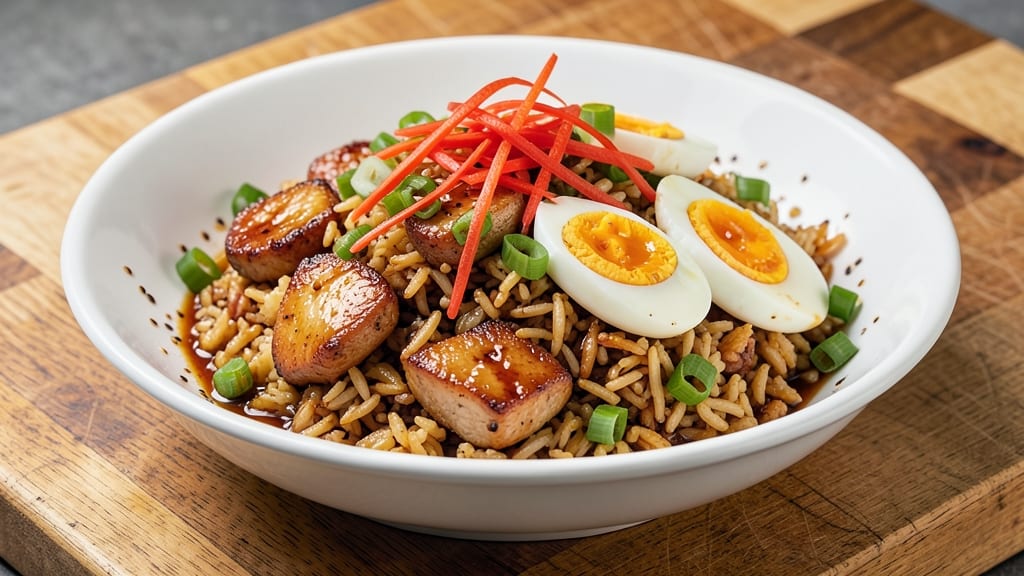
This chicken fried rice recipe with ginger delivers restaurant-quality flavor with every wok-tossed bite—crispy chicken, fragrant ginger, and perfectly balanced seasoning. The secret lies in high-heat stir-frying, which transforms day-old rice into golden, aromatic grains while keeping the chicken juicy and tender.
I developed this version after years of takeout cravings, and it never fails to impress.
What sets this recipe apart is the ginger, which adds a bright, zesty kick that cuts through the richness of the chicken and soy sauce. We start with properly cooked chicken thighs—juicier and more flavorful than breast—and crispy fried rice that stays separate without turning mushy.
The wok technique ensures even cooking, while a splash of sesame oil adds depth at the end.
By the time you serve this dish, your kitchen will smell like a bustling Asian restaurant, and every forkful will deliver that perfect harmony of textures and flavors. The ginger’s sharpness balances the savory, umami notes from the soy and garlic, while the chicken adds hearty protein.
This recipe is foolproof, restaurant-quality, and ready in under 30 minutes.
Whether you prefer crispy or slightly softer rice, this method adapts easily. The key is timing—stir-fry quickly over high heat to maintain texture while building layers of flavor.
Serve with a side of steamed vegetables or a simple egg roll for a complete meal. Let’s make this takeout-worthy dish at home!
Ingredients for chicken fried rice recipe with ginger
Crispy chicken, fragrant ginger, and perfectly balanced seasoning—these ingredients transform simple pantry staples into restaurant-quality fried rice.
| Ingredient | Amount | Notes |
|---|---|---|
| Day-Old Cooked White Rice 🍚 | 4 cups | Cold, dry, and separate |
| Boneless Chicken Thighs 🍗 | 1 ½ lb | Skin removed, cut into 1-inch pieces |
| Fresh Ginger 🧄 | 2 tbsp | Finely grated, aromatic |
| Large Eggs 🥚 | 3 whole | Beaten, for scrambling |
| Green Onions 🧅 | ½ cup | White and green parts, sliced |
| Low-Sodium Soy Sauce 🥢 | 3 tbsp | For umami depth |
| Sesame Oil 🫒 | 1 tbsp | Toasted, for aroma |
| Vegetable Oil 🫒 | 3 tbsp | High smoke point |
| Garlic Cloves 🧄 | 4 cloves | Minced, aromatic |
| Salt 🧂 | 1 tsp | Kosher or sea salt |
| Black Pepper 🌶️ | ½ tsp | Freshly ground |
| White Pepper 🌶️ | ¼ tsp | For subtle heat |
| Toasted Sesame Seeds 🌾 | 1 tbsp | For garnish |
The ginger is non-negotiable here—fresh, not powdered. Grab the root from the produce section at Whole Foods or your local Asian market for the brightest flavor. Look for firm, knobby pieces with no soft spots. I like to use about 2 tablespoons of grated ginger, but adjust to taste. For the chicken, thighs are key—bone-in, skin-on if you can find them, as they stay juicier. If using breast, pound it thin to prevent dryness. The day-old rice is crucial too; it needs to be completely cold and dry for that perfect crispy texture.
No fresh ginger? Powdered works at half the amount, but you'll lose that bright zing. Swap the soy sauce for coconut aminos if you're avoiding sodium. The eggs can be replaced with tofu cubes for a veggie version, though texture will differ. For extra crispiness, add 1/4 cup cornstarch to the rice before frying. If you're short on time, frozen peas (thawed) can bulk up the dish without extra prep. The sesame oil should be toasted—look for the dark, nutty kind in the international aisle.
Store any leftovers in an airtight container for up to 3 days in the fridge. The flavor actually improves overnight as everything melds. Freeze portions for up to 3 months if you're prepping for the week. I like to reheat in a skillet with a splash of water to keep it crispy. For extra restaurant flair, serve with a side of steamed bok choy or a simple miso soup. The sesame seeds should go on last—just sprinkle them over each serving for that final touch.
Why You'll Love This Recipe
- No Chopping Chaos: I swear by this recipe because the prep is actually minimal—just dice the chicken and slice the ginger (no finicky mincing). The rice stays cold from the fridge, the eggs get scrambled in seconds, and those green onions? Just snip the ends and toss them in whole. Honestly, it’s the kind of dish that lets me talk to my neighbor while cooking.
- Ginger Zing Magic: That fresh ginger isn’t just background flavor—it’s the star. The way it sizzles in the pan with the chicken, then gets absorbed into the rice? Warm, peppery, and bright. Between us, the first bite is always a “wait, how is this so good?” moment. (Yes, even on a Tuesday night.)
- Lunchbox Hero: This feeds my family for days—packed in containers or reheated in minutes. The chicken stays juicy, the rice holds its shape, and my kids actually eat it cold from the fridge. I’ll be real: it’s my go-to for work lunches, potlucks, or when I need to feed a crowd without stressing over sides.
- Budget-Friendly Powerhouse: Chicken thighs stretch farther than breasts, day-old rice saves money, and eggs add richness without breaking the bank. One pan, one spatula, and you’ve got a meal that costs less than takeout but tastes like you slaved over it. Not the prettiest, but the taste makes up for it—every time.
Step-by-step instructions for chicken fried rice with ginger
Master this wok-tossed classic with crispy chicken and aromatic ginger for restaurant-quality results at home.
Prepare the Chicken and Ginger Base
Heat 3 tablespoons vegetable oil in a wok or large skillet over medium-high heat until shimmering. Add the 1.5 lb boneless chicken thighs cut into 1-inch pieces and cook for 5-6 minutes until the chicken is golden brown and cooked through. Remove the chicken and set aside on a plate.
In the same wok, add the 2 tablespoons finely grated fresh ginger and 4 cloves minced garlic. Stir-fry for 30 seconds until fragrant—this releases the ginger's bright, zesty aroma that will infuse the entire dish. You'll know it's ready when the garlic turns golden and the ginger stops sizzling aggressively. Keep the heat at medium-high to maintain energy for the next steps.
Scramble the Eggs and Stir-Fry Vegetables
Push the ginger and garlic to one side of the wok, then add another 1 tablespoon vegetable oil to the empty space. Pour in the 3 whole beaten large eggs and scramble quickly for 20-30 seconds until just set but still slightly soft. The eggs should form small, tender curds—overcooking makes them rubbery.
Add the 0.5 cup sliced green onions (white and green parts) to the wok and stir-fry for 1 minute until the onions soften slightly but remain vibrant. Here's the thing—don't let the green parts overcook or they'll turn bitter. The white parts should blister just enough to add texture without losing their snap. This is where the dish gets its signature freshness.
Combine All Ingredients for Perfect Texture
Return the cooked chicken to the wok and add the 4 cups day-old cooked white rice. Break up any large clumps with your spatula as you stir. The rice should be dry—if it's sticky, spread it on a tray and let it dry in the sun for 10 minutes before proceeding. This is critical for getting that authentic wok-tossed texture.
Pour in the 3 tablespoons low-sodium soy sauce and 1 tablespoon sesame oil, then toss everything together vigorously for 2-3 minutes. You're aiming for a crisp-tender texture where each grain of rice is separate but still holds its shape. The soy sauce should coat everything evenly, and the sesame oil will add that nutty aroma that makes this dish irresistible.
Season and Finish with Toasted Sesame Seeds
Remove the wok from heat and stir in the 1 tsp salt, 0.5 tsp black pepper, and 0.25 tsp white pepper. Let the mixture sit for 1 minute to allow all the flavors to meld together. The white pepper adds a subtle heat that complements the ginger beautifully—this is what elevates this dish beyond basic fried rice.
Garnish immediately with the 1 tablespoon toasted sesame seeds and the remaining green onion tops. The sesame seeds should be toasted to a deep golden color—they'll add both visual appeal and a nutty crunch that contrasts perfectly with the tender rice. Serve immediately while hot, straight from the wok, for that authentic takeout experience.
Pro Tips For Making Chicken Fried Rice Recipe With Ginger
- CRISP THE CHICKEN FIRST: I learned this the hard way—overcooking chicken in the stir-fry makes it dry and rubbery. Sear the thighs in a separate pan with a splash of soy sauce until golden and just cooked through (165°F internal temp), then slice thinly. This keeps them juicy when they hit the rice later.
- GRATE THE GINGER FINE: Skip the chunky slices—you want the ginger to dissolve into the rice, not just sit as a garnish. Use the small holes of a box grater (or pulse in a food processor) for a smooth, aromatic paste. This makes a real difference in flavor distribution.
- SCRAMBLE EGGS SEPARATELY: I used to toss eggs in with the rice and chicken, but they’d turn out greasy and uneven. Scramble them in a cool, nonstick pan with a touch of oil until just set (soft curds), then fold them in at the very end. This keeps them fluffy and prevents a soggy mess.
- USE DAY-OLD RICE (AND DRY IT): Fresh rice is a disaster—it turns mushy and gummy. Spread your leftover rice on a tray and let it dry out for 10 minutes before stirring it into the pan. This gives each grain that perfect crisp edge when it hits the wok. (Yes, even if you’re impatient like me.)
Flavor customization for this chicken fried rice recipe with ginger
Ginger Heat Levels
Fresh ginger adds a bright, zesty kick that brightens the dish. For mild heat, use 1 tablespoon of finely grated ginger—just enough to enhance flavor without overpowering. If you love spice, go up to 3 tablespoons for a fiery punch.
I like to lightly toast the ginger in the wok for 10 seconds before adding other ingredients—this deepens its aroma and mellows the sharpness slightly. 🔥
Sweet-Savory Balance
Balance the ginger’s sharpness with a touch of sweetness. Add 1 tablespoon honey or 1 teaspoon brown sugar to the soy sauce mixture for a caramelized depth. Alternatively, stir in ½ cup diced pineapple or ¼ cup raisins for natural sweetness that pairs beautifully with the ginger’s zing.
The sweetness rounds out the dish, especially if you’re using extra-spicy ginger.
Umami Boosters
Enhance the savory profile with 1 teaspoon fish sauce or ½ teaspoon oyster sauce—both add depth without overpowering. For a vegetarian option, use 1 tablespoon mushroom soy sauce or 1 teaspoon nutritional yeast.
I often add 1 teaspoon toasted sesame paste to the ginger and garlic mixture for an extra layer of nutty umami that complements the dish perfectly. 💫
Herb and Spice Variations
Add 1 teaspoon coriander seeds or ½ teaspoon cinnamon for warmth, or 1 tablespoon chopped cilantro for freshness. For a smoky twist, sprinkle in ½ teaspoon smoked paprika with the ginger.
If you love garlic, increase to 6 cloves for a bold, aromatic punch. Each variation keeps the ginger as the star while adding new dimensions to the dish.
Texture Contrasts
For extra crunch, toss in ¼ cup crushed peanuts or 2 tablespoons fried shallots at the end. If you prefer softer textures, swap the peanuts for ¼ cup shredded carrots or ½ cup bell peppers—they add moisture and color.
The contrast between the crispy chicken, tender rice, and crunchy garnishes makes every bite exciting. 🌟
Regional Twists
For a Thai-inspired version, add 1 teaspoon red curry paste and 1 tablespoon lime juice to brighten the ginger. A Japanese-style twist uses 1 teaspoon mirin and ½ teaspoon furikake for a lighter, sweeter profile.
For a Korean-inspired dish, include 1 teaspoon gochujang (Korean chili paste) and 1 teaspoon sesame seeds for a spicy, nutty kick. Each regional adaptation keeps the ginger central while adapting to local flavors.
Nutrition facts
Frequently asked questions
Why does the recipe call for day-old rice?
Day-old rice is crucial because its dry texture prevents clumping and creates those perfect crispy edges when stir-fried. Freshly cooked rice releases too much moisture, making it sticky and mushy. Spread leftover rice on a tray and let it dry for 10 minutes if you're short on time.
Can I use chicken breast instead of thighs?
Yes, but you'll need to take extra care to keep it juicy. Pound the breast meat to ¼-inch thickness and cook it for just 3-4 minutes until 165°F internally. Remove it from the wok immediately after cooking to prevent drying out. Thighs are preferred because they stay tender even with longer cooking.
How do I adjust the ginger heat for sensitive palates?
Start with just 1 tablespoon grated ginger for mild flavor, or use ½ teaspoon ginger powder (though fresh is always better). For extra zing without heat, add a pinch of ground cardamom—it mimics ginger's warmth with no spiciness. Lightly toasting the ginger in the wok for 10 seconds also mellows its sharpness slightly.
What's the best way to reheat leftovers?
Reheat in a skillet over medium heat with 1 teaspoon oil and 1 tablespoon water per serving. Stir constantly for 2-3 minutes until hot through. Microwaving works but can make the rice soggy. For extra crispiness, spread reheated portions on a baking sheet and broil for 1-2 minutes.
Can I make this vegetarian?
Swap the chicken for 1 cup cubed tofu (pressed and pan-fried) or ½ cup shiitake mushrooms. For extra protein, add 2 scrambled eggs or ½ cup chickpeas. Keep the ginger quantity the same—it'll still shine as the flavor anchor. The texture contrast remains with crispy tofu/mushrooms replacing the chicken.