
Main Courses
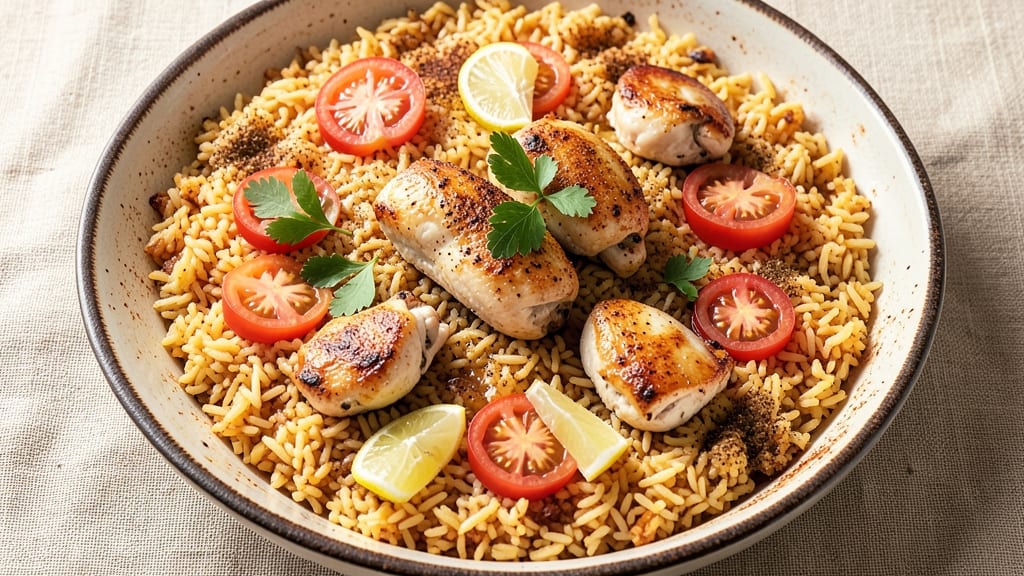
This chicken paella rice recipe delivers the bold flavors of Spain in a single, impressive pan. The secret lies in proper rice toasting and layering ingredients to create that signature crispy bottom, or socarrat—a technique I've perfected after years of testing.
What makes this recipe special is balancing the delicate saffron aroma with smoky paprika and fresh herbs, resulting in perfectly cooked rice that's tender yet firm in the center.
With just a few key techniques—starting with a hot pan, toasting the rice until golden, and maintaining a gentle simmer—you'll achieve restaurant-quality paella without needing a specialized paella pan. The chicken cooks slowly in the broth, absorbing all the aromatic flavors while the rice develops its signature texture.
This method ensures every bite delivers that perfect harmony of smoky, spicy, and saffron-infused notes.
By the time you serve this dish, your kitchen will smell like a Spanish tapas bar, and your guests will be impressed by the crispy, caramelized rice at the bottom—the socarrat—that's the hallmark of a well-made paella.
The dish pairs beautifully with a crisp rosé or a glass of sangria, completing the authentic Spanish dining experience. Whether you're cooking for a special occasion or just craving something flavorful, this recipe delivers every time.
Don't worry if you don't have a traditional paella pan—a heavy-bottomed skillet works just as well. The key is patience and attention to the rice's texture, ensuring it's perfectly cooked without turning mushy.
This recipe is designed to be your go-to Spanish masterpiece, bringing the vibrant flavors of the Mediterranean to your dinner table.
Ingredients for chicken paella rice
Spanish saffron, smoky paprika, and tender chicken thighs—just 15 ingredients for a one-pan masterpiece.
| Ingredient | Amount | Notes |
|---|---|---|
| Bomba or Calasparra Rice 🍚 | 1 ½ cups | Short-grain, preferred for paella texture |
| Boneless Chicken Thighs 🍗 | 1 ½ lb | Skin-on for crispy edges, cut into bite-sized pieces |
| Saffron Threads 🌼 | ¼ tsp | High-quality, steeped in 2 tbsp warm water |
| Smoked Paprika 🌶️ | 1 tbsp | Spanish pimentón for authentic smokiness |
| Ground Cumin 🌿 | ½ tsp | Toasted for deeper aroma |
| Fresh Tomato 🍅 | 1 whole | Ripe, diced, or 0.5 cup canned crushed tomatoes |
| Yellow Onion 🧅 | 1 whole | Diced, for sweet base flavor |
| Garlic Cloves 🧄 | 4 cloves | Minced, for aromatic depth |
| Chicken Broth 💧 | 2 ½ cups | Homemade or quality low-sodium store-bought |
| Extra-Virgin Olive Oil 🫒 | ½ cup | For toasting rice and sautéing |
| Fresh Flat-Leaf Parsley 🌿 | ¼ cup | Chopped, for bright finish |
| Lemon Zest 🍋 | 1 tsp | Fresh, for citrus brightness |
| Sea Salt 🧂 | 1 ½ tsp | Diamond Crystal preferred for even dissolving |
| Black Pepper 🌶️ | ½ tsp | Freshly cracked for heat |
| Green Bell Pepper 🧅 | 1 whole | Diced, for crunch and color |
The rice is non-negotiable here. Bomba or Calasparra from a Spanish market (or Uncle Ben's Converted Rice in a pinch) gives that signature sticky texture. For saffron, La Boqueta is the gold standard—anything else tastes like dust. Chicken thighs stay juicier than breasts, and skin-on ensures crispy edges. Toast the rice in olive oil until golden—this creates the socarrat crust. If you can't find smoked paprika, substitute regular paprika with a pinch of liquid smoke, but it won't taste quite the same. The onions and bell pepper should caramelize slightly before adding the tomatoes—this builds the flavor base.
No saffron? Turmeric plus a pinch of paprika mimics the color (though it lacks the floral aroma). Fresh herbs are ideal, but dried parsley at half the amount works in a bind. The chicken broth makes or breaks this—homemade is best, but Swanson or Pacific Foods low-sodium versions are solid backups. If you're short on time, pre-diced frozen bell peppers save chopping. The lemon zest might seem small, but it cuts through the richness—zest only, no juice. For extra depth, add a bay leaf while simmering and remove before serving. And if you're feeling fancy, top with toasted almonds for crunch.
This reheats surprisingly well—just add a splash of broth and cover tightly. Keeps for 3 days in the fridge, though the rice gets drier. For leftovers, reheat gently with a splash of water or broth to restore moisture. Freezes for up to 2 months if portioned airtight. The socarrat crust is best eaten fresh, so serve immediately if you're going for that crispy bottom. Store saffron in the fridge (not the pantry)—it loses potency fast. And if you're making this for a crowd, double the broth and rice—the same technique applies.
Why You'll Love This Recipe
- One-Pan Magic: I swear by this—just toss everything in one deep skillet, and walk away while the chicken browns and the rice soaks up all that smoky cumin and saffron. No chopping, no stirring every five minutes, no mess. That Bomba rice? It’s like a sponge for flavor, so you don’t even need to fuss over perfect timing.
- Saffron Kiss: Honestly, a single pinch of saffron threads transforms this from "weeknight rice" to "I might actually cook more often." The color alone makes it feel special, but the flavor? Warm, floral, and just a little earthy—like sunshine in a bowl. (Yes, even the kids notice.)
- Leftovers That Don’t Suck: Between us, most rice dishes turn into sad, dry mush by day two. Not this one. The chicken stays juicy, the rice holds its shape, and the smoky paprika keeps it tasting fresh. I meal prep this all the time—just reheat with a splash of water, and it’s like it was made yesterday.
- Budget-Friendly Feast: Chicken thighs are cheap, rice is cheap, and a few saffron threads stretch far. Here’s what sold me: you’re getting restaurant-quality flavor for half the price of a takeout order. Plus, it feeds four easily, so you’re not stuck eating cereal because you overspent on dinner. Win.
Step-by-step instructions for chicken paella rice
Let's create a vibrant, saffron-infused paella where every bite delivers crispy chicken and perfectly toasted rice.
Prepare the Saffron Infusion and Chicken
Begin by steeping the 0.25 teaspoon saffron threads in 2 tablespoons warm water for 10 minutes—this releases the vibrant color and delicate aroma. In a separate bowl, combine the 1.5 pounds boneless chicken thighs cut into bite-sized pieces with 1.5 teaspoons sea salt, 0.5 teaspoon black pepper, 1 tablespoon smoked paprika, and 0.5 teaspoon ground cumin. Toss until evenly coated, ensuring every piece gets that smoky, aromatic crust.
Here's the thing—don't skip the cumin. It adds that deep, earthy warmth that's essential for authentic paella flavor. Let the seasoned chicken rest for 15 minutes while you prep the rest of the ingredients. This resting period allows the spices to penetrate the meat, giving you more flavorful bites.
Sauté the Aromatics and Chicken
Heat 0.5 cup extra-virgin olive oil in a wide, shallow paella pan or large skillet over medium-high heat. Add the diced 1 whole yellow onion and cook for 5-6 minutes until softened and translucent. Add the 4 minced garlic cloves and cook for another 30 seconds until fragrant—you'll smell that sweet, pungent aroma wafting through your kitchen.
Increase heat to medium-high and add the seasoned chicken in a single layer. Cook undisturbed for 5-6 minutes until golden brown on the bottom. Only then should you stir occasionally to ensure even browning. The chicken needs that initial sear to develop flavor and texture. If the pan gets too crowded, work in batches to avoid steaming the meat.
Build the Paella Base
Add the diced 1 whole fresh tomato and 1 whole green bell pepper to the pan. Cook for 3-4 minutes until the tomatoes break down and release their juices, creating a rich, slightly sweet base. Stir in the saffron infusion and cook for another 1 minute, allowing that golden liquid to meld with the other flavors.
Now add the 1.5 cups Bomba or Calasparra rice and stir gently to coat each grain in the oil and tomato mixture. This step is crucial—properly toasting the rice develops its nutty flavor and prevents mushiness. Cook for 2 minutes until the rice grains become translucent at the edges and you can smell that toasted aroma.
Add Broth and Simmer
Pour in the 2.5 cups chicken broth and bring to a gentle boil. Here's where it gets important: reduce heat to medium-low and let it simmer uncovered. The broth should just barely bubble at the edges—this creates that signature paella crust at the bottom while keeping the rice tender.
Sprinkle the 1 teaspoon lemon zest over the top and let the paella cook for 15 minutes without stirring. This resting period allows the rice to absorb the broth evenly and develop its characteristic texture. If you notice the edges are browning too quickly, you can carefully rotate the pan to distribute the heat more evenly.
Finish and Rest
After 15 minutes, sprinkle the 0.25 cup chopped fresh flat-leaf parsley over the top and let the paella cook for another 3-5 minutes until the rice is tender and the liquid has mostly been absorbed. The bottom should have a crispy, golden crust—this is what makes paella special.
Remove from heat and let it rest for 5 minutes before serving. This resting period allows the flavors to meld and the rice to finish cooking from residual heat. Serve family-style directly from the pan, letting everyone scoop their portion. The contrast between the crispy socarrat at the bottom and the tender rice above is what makes this dish truly magical.
Pro Tips For Making Chicken Paella Rice
- TOAST THE SPICES FIRST: I used to just toss smoked paprika and cumin into the pan with the chicken, but toasting them in a dry skillet for 30 seconds—until they smell like a Spanish forest—adds depth that stirring won’t. Do this before adding oil, or you’ll just be masking their flavor.
- SAFFRON SOAKS BETTER WET: Skip the "just sprinkle it in" approach—crush those saffron threads between your fingers, then steep them in a splash of warm chicken broth for 10 minutes. This releases the pigment and aroma way more than throwing them dry into the pot. (Yes, even if you’re in a hurry.)
- CHICKEN NEEDS A HEAD START: Remove the chicken thighs from the pan when they’re just no longer pink inside—about 12-14 minutes—and let them rest on a plate while you finish the rice. Overcooking them in the paella turns them rubbery, and you’ll have to fight to get them tender again.
- RICE TOUCHES, NOT STIRS: After adding the rice, give it one gentle fold to distribute the liquid, then leave it alone. Stirring breaks the grains and turns your paella into mush. If you’re worried about burning, lower the heat to medium-low—Bomba rice handles patience better than constant attention.
Troubleshooting this dish
Burning Rice Fix
If your paella rice starts burning at the edges before the center is cooked, you're likely using too high heat. Immediately reduce to medium-low and gently rotate the pan to redistribute heat. For future attempts, use a heavy-bottomed paella pan—it distributes heat more evenly than thin skillets.
I've ruined more paellas than I'd admit from this exact mistake, so trust me when I say patience is key. 🔥
Mushy Rice Solution
Overcooking or insufficient rice toasting causes mushy rice. First, ensure you're using short-grain Bomba or Calasparra rice—long-grain varieties won't work. Toast the rice in olive oil for exactly 2 minutes until translucent edges form.
If it's already mushy, drain any excess liquid and spread the rice on a baking sheet to crisp slightly in a 350°F oven for 5-10 minutes.
Undercooked Center
An undercooked center means the rice absorbed too much broth too quickly. Next time, reduce the broth by ¼ cup (use 2.25 cups instead of 2.5). For immediate fixes, cover the paella with a tight lid and let it steam for 5 more minutes off the heat.
If you're using a shallow pan, consider adding a small metal bowl filled with water on the stovetop to create steam—this works surprisingly well. ✨
Saffron Not Vibrant
Dull saffron color usually means low-quality threads or insufficient steeping. Always use La Boqueta saffron—it's worth the splurge. Steep 0.25 tsp threads in 2 tbsp warm water for 10 minutes minimum before adding to the pan.
Pro tip: Crush the threads slightly between your fingers to release more pigment. If you're in a pinch, turmeric + pinch of paprika mimics the color (though not the aroma).
Dry Chicken
Skin-on chicken thighs should stay juicy, but overcrowding the pan causes steaming instead of browning. Cook in single layers with space between pieces, and never stir during the initial sear.
If your chicken is dry, try brining it for 30 minutes in ¼ cup salt + 4 cups water before cooking. I also recommend adding 1 tablespoon olive oil to the pan after removing the chicken to prevent sticking and dryness. 💪
No Socarrat Crust
The socarrat (crispy bottom) forms when the rice at the edges cooks longer than the center. Use a wide, shallow pan—this creates more surface area for browning. In the final 3-5 minutes, increase heat slightly to medium and let the edges caramelize.
If your pan isn't deep enough, try placing it on the back burner for the last few minutes to concentrate heat. And remember: never stir once the rice is added—this breaks the crust. 🌟
Nutrition facts
Frequently asked questions
What type of rice should I use for authentic paella?
For the best results, use Bomba or Calasparra rice—these short-grain varieties are specifically bred for paella and absorb liquid perfectly while maintaining texture. If you can't find them, Uncle Ben's Converted Rice works in a pinch, but avoid long-grain varieties like basmati or jasmine—they'll turn out dry and separate.
Can I substitute saffron with something else?
While nothing truly replaces saffron's floral aroma, you can mimic its golden color by mixing ½ teaspoon turmeric with ¼ teaspoon smoked paprika. For flavor, add an extra pinch of ground cumin (up to ½ teaspoon total). Steep the spices in warm water for 5 minutes before adding to the pan. Remember—this won't taste identical, but it'll save you from a bland dish.
How do I get that crispy bottom (socarrat) without burning the rest?
The secret is patience and heat control. Once the rice is added, never stir—this breaks the crust. In the final 3-5 minutes, increase heat slightly to medium and let the edges caramelize while the center stays tender. Use a wide, shallow pan (like a paella pan or cast-iron skillet) for even browning. If your pan isn't deep enough, try placing it on the back burner for the last few minutes to concentrate heat.
Can I make paella ahead of time?
Paella reheats surprisingly well! Cover tightly and refrigerate for up to 3 days—the rice will dry out slightly but stays flavorful. To reheat, add 2-3 tablespoons broth or water per cup of rice, cover, and steam on low heat for 10-15 minutes. For leftovers, the socarrat won't be crispy, but the flavors remain rich. Freeze for up to 2 months in airtight containers, thawing overnight in the fridge.
What wine pairs best with chicken paella?
A crisp Spanish Albariño or Verdejo complements the dish's saffron and citrus notes beautifully. For red lovers, try a light Tempranillo or Garnacha—avoid heavy cabernets. Non-alcoholic? A sparkling sangria (mix white wine, citrus, and herbs) or rosé lemonade works wonderfully. Serve chilled to cut through the richness.