
Main Courses
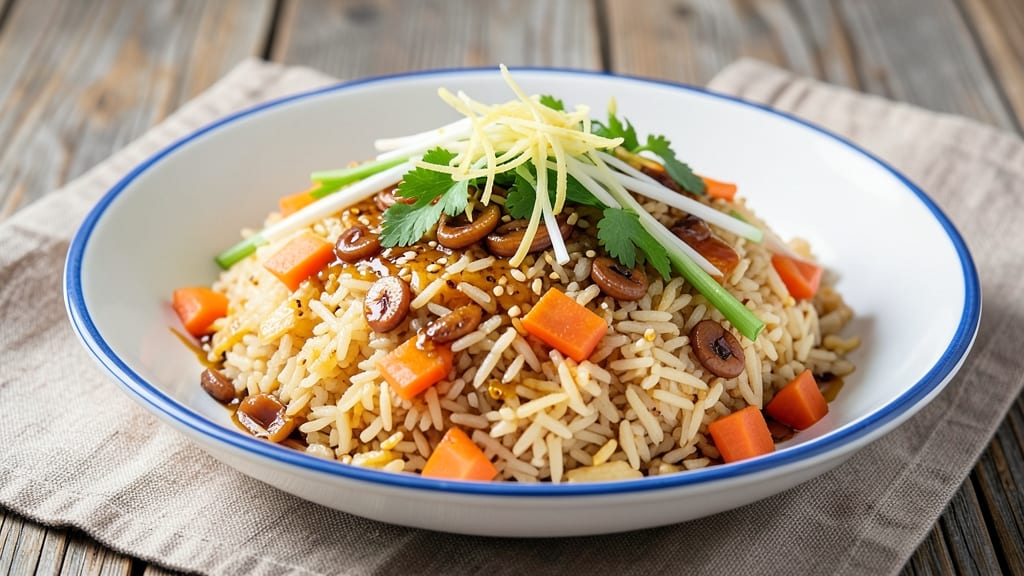
This Chinese basmati fried rice recipe delivers the perfect balance of wok-tossed texture and separated grains—just like your favorite takeout. The key lies in using day-old basmati rice that stays distinct yet tender, paired with a high-heat stir-fry technique that creates those signature smoky aromas and crispy edges.
I've refined this method over years of testing to ensure every grain remains individual while absorbing the savory-sweet sauce.
What sets this version apart is the authentic flavor profile: a mix of light soy sauce, dark soy for color, and a touch of sesame oil that adds depth without overpowering.
The recipe builds flavor in layers—first charring the aromatics, then incorporating the rice with just enough moisture to create that signature "sticky-yet-separate" texture. Optional proteins like shrimp or scrambled egg can be added at the end for extra richness.
Ingredients for chinese basmati fried rice
Four cups of day-old rice and a handful of pantry staples transform into restaurant-quality fried rice.
| Ingredient | Amount | Notes |
|---|---|---|
| Day-Old Basmati Rice 🍚 | 4 cups | Cooked and cooled completely |
| Light Soy Sauce 🍶 | ½ cup | For authentic umami flavor |
| Dark Soy Sauce 🍶 | 1 tbsp | For rich color |
| Sesame Oil 🫒 | 1 tbsp | Toasted for aroma |
| Garlic Cloves 🧄 | 4 cloves | Minced for depth |
| Fresh Ginger 🌿 | 1 tbsp | Grated, fresh preferred |
| Carrots 🥕 | 1 cup | Diced into small pieces |
| Green Onions 🧅 | ½ cup | Sliced, white and green parts |
| Vegetable Oil 🫒 | 3 tbsp | High smoke point preferred |
| Salt 🧂 | ½ tsp | Adjust to taste |
| White Pepper 🌶️ | ¼ tsp | Freshly ground preferred |
| Optional Shrimp 🦐 | 1 lb | Peeled and deveined |
The basmati rice must be day-old—fresh rice turns mushy from the moisture. Jasmine works too, but basmati's long grains stay distinct. For the soy sauces, Lee Kum Kee is my go-to (the red and dark bottles)—they're balanced and widely available. Sesame oil should be toasted, not the cheap, flavorless kind. If you can't find it, lightly toast regular sesame oil in a dry pan for 30 seconds before using. Garlic and ginger are non-negotiable—they build the aromatic base that carries the whole dish.
No sesame oil? Toasted peanut oil at half the amount adds a similar depth. Swapping shrimp? Scrambled eggs or diced chicken work perfectly—just cook proteins separately and add at the end. The carrots can be baby carrots or julienned for a fancier look. Green onions are essential for freshness, but if you're out, extra scallions or chives will do. For the oil, avocado oil handles high heat better than vegetable oil, but both work. The white pepper is key—black pepper would overpower the delicate flavors here.
Rice reheats beautifully—microwave with a splash of water for 1 minute to revive texture. Store leftovers in an airtight container for 3-4 days in the fridge. Freezes well for up to 3 months—thaw overnight in the fridge before reheating. I always double the batch: one for dinner, one for lunch the next day. The flavors actually improve as the sauce penetrates the grains overnight.
Why You'll Love This Recipe
- No Leftover Waste: I swear by using day-old Basmati—it’s the secret to that perfect texture. No soggy rice, no sad leftovers sitting in the fridge. Just crispy edges and fluffy centers every time.
- Umami Bomb: That combo of light and dark soy sauce? It’s like a flavor explosion in your mouth. The dark soy gives it that deep, caramelized richness, while the light keeps it bright and savory—plus, a drizzle of sesame oil ties it all together with nutty warmth.
- Lunchbox Hero: Pack it cold or reheat it—this fried rice holds up like a champ. I make a big batch on Sundays, and by Wednesday, I’m still digging into jars of it. Perfect for work lunches, kids’ school meals, or when you just don’t feel like cooking.
- Pantry Magic: Honestly, this recipe is my go-to when I’m broke or lazy. Basmati rice is cheap, soy sauce lasts forever, and garlic? You always have that. Throw in whatever veggies or protein you’ve got lying around, and boom—dinner’s sorted in 15 minutes.
Step-by-step instructions for wok-tossed basmati fried rice
Master the wok hei technique for perfectly separated grains and restaurant-quality flavor.
Prep All Ingredients for Quick Assembly
Start by mincing the 4 cloves garlic cloves and grating the 1 tablespoon fresh ginger using a microplane. Dice the 1 cup carrots into small, even pieces—about ¼-inch cubes—so they cook quickly without turning mushy. Slice the ½ cup green onions into ½-inch pieces, separating the white and green parts if you prefer distinct textures. If using the 1 lb optional shrimp, peel and devein them, then cut into ½-inch pieces. Keep all prepped ingredients within easy reach.
This prep work ensures everything is ready to go as soon as your wok hits high heat. I like to arrange ingredients in small bowls or plates in the order I'll use them—garlic and ginger first, then carrots, shrimp, and finally green onions. The key here is speed; once you start cooking, you'll want to move quickly to maintain that signature wok hei smokiness.
Heat the Wok and Cook the Aromatics
Heat a wok or large skillet over high heat until it's smoking slightly. Add 2 tablespoons vegetable oil and swirl to coat the surface evenly. Once the oil shimmers, add the 4 cloves minced garlic cloves and 1 tablespoon grated fresh ginger, stirring constantly for 30-45 seconds until fragrant and just beginning to turn golden. Be careful not to burn them—garlic turns bitter quickly when overcooked.
This step builds the flavor foundation. The high heat draws out the natural oils in the aromatics, creating depth that carries through the entire dish. If you're using the 1 lb shrimp, add them now and cook for 1-2 minutes until they turn opaque. Remove the shrimp and set aside—you'll add them back later to prevent overcooking.
Stir-Fry Vegetables and Incorporate Sauces
Add the remaining 1 tablespoon vegetable oil to the wok, then toss in the 1 cup diced carrots. Stir-fry for 2-3 minutes until they begin to soften but still retain a slight crunch. Push the carrots to one side of the wok and add another ½ tablespoon vegetable oil if needed. Add the ½ cup sliced green onions, stirring for 30 seconds to wilt the whites while keeping the greens bright.
Now it's time for the sauces. Pour in the ½ cup light soy sauce and 1 tablespoon dark soy sauce, stirring vigorously to coat the vegetables. The dark soy sauce will give your fried rice that signature rich color. Let the mixture cook for 1 minute to allow the flavors to meld. This is where the magic happens—the sauces should cling to the vegetables, not pool at the bottom.
Add Rice and Toss with Precision
Working quickly, add the 4 cups day-old basmati rice, breaking up any large clumps with your spatula. Use a folding motion to toss the rice continuously for 2-3 minutes until it's evenly coated and begins to sizzle. The rice should look dry at first, but as it heats, it will start to release moisture and steam slightly. This is normal—keep tossing to prevent sticking.
Here's the thing—you want the rice to be hot and slightly crispy on the outside while staying tender inside. If the rice starts to stick, add 1-2 tablespoons hot water and toss again. The goal is perfectly separated grains with a slight char in spots. If you're using the 1 lb shrimp, add them back now and toss for 30 seconds to warm through without overcooking.
Finish with Sesame Oil and Season to Taste
Remove the wok from heat and drizzle in the 1 tablespoon sesame oil, tossing immediately to distribute it evenly. The sesame oil adds a nutty aroma that elevates the dish. Return the wok to medium heat and stir in the ½ teaspoon salt and ¼ teaspoon white pepper. Taste and adjust seasoning—you might need a touch more soy sauce for saltiness or a pinch of sugar to balance any bitterness from the shrimp.
Serve immediately while the rice is still hot and the shrimp (if using) is just cooked through. The final dish should have distinct, separated grains with a glossy sheen from the sauces, crisp-tender vegetables, and a perfect balance of savory, umami, and aromatic notes. Each bite should deliver that classic wok hei smokiness—proof you've nailed the technique.
Pro Tips For Making Chinese Basmati Fried Rice
- CRACK THE RICE FIRST: Break up the day-old basmati into rough, uneven pieces with your hands—no need for perfection, just enough to expose the starchy bits. I used to chop it finely, thinking it looked prettier, but the uneven texture grabs the sauce better and toasts faster on the wok.
- USE DARK SOY FOR COLOR: Swap half the light soy for dark soy sauce after the rice is mostly cooked—just a teaspoon or two. The dark soy adds that signature deep brown hue without overpowering the flavor, and it does it in seconds. (Yes, even if you’re impatient like me.)
- STOP WHEN IT’S 90% DONE: Pull the rice off the heat before it’s fully cooked—it’ll finish steaming in the pan. Overcooking turns basmati gummy, and no one wants that. Taste a grain: if it’s still slightly firm, you’re golden. (Your future self will thank you.)
- GARLIC: SMASH, DON’T MINCE: Crush the garlic cloves with the flat side of your knife before slicing—this releases more flavor without burning. Toss them in at the very end and stir for 10 seconds max, or they’ll turn bitter. (I learned this the hard way after a batch of sad, acrid fried rice.)
Regional styles of this chinese basmati fried rice
Cantonese Style
The Cantonese approach to fried rice is all about balance—savory, slightly sweet, and aromatic. In this version, I add 1 tbsp oyster sauce along with the soy sauces for that signature umami depth. The Cantonese method also includes ½ cup peas and ½ cup corn kernels for texture and color.
I like to finish with a sprinkle of toasted sesame seeds for extra crunch. This style is lighter on the heat, focusing more on the natural flavors of the ingredients. 🥢
Sichuan Spicy
For a fiery kick, the Sichuan style swaps out some of the soy sauce for 1 tbsp chili bean paste and adds 1 tsp Sichuan peppercorns toasted and ground. I also include 1 tbsp doubanjiang (fermented chili bean paste) for that signature numbing-spicy heat.
The rice is tossed with 1 tsp sugar to balance the heat, and I finish with 2 tbsp chopped cilantro for freshness. This version is bold, complex, and perfect for those who love a little heat with their fried rice. 🌶️
Hong Kong Egg Fried Rice
The Hong Kong classic is all about the egg—scrambled to perfection and mixed right into the rice. Start by beating 2 large eggs in a bowl, then pour them into the wok after the aromatics and stir-fry until just set.
The key is to keep the eggs soft and creamy, not fully cooked. I also add ½ cup diced ham or Chinese sausage for extra richness. The sauce ratio shifts slightly here: ¼ cup light soy sauce and 1 tbsp dark soy sauce with a pinch of white pepper.
This version is hearty, comforting, and a staple in Hong Kong cafes. 🍳
Modern Fusion Twist
For a contemporary take, I love adding ½ cup diced bell peppers and ½ cup shredded cabbage for extra veggies, along with ½ cup cooked quinoa mixed into the rice for added protein.
The sauce gets a fusion upgrade with 1 tbsp hoisin sauce and a splash of rice vinegar for brightness. Top with crispy fried shallots and a drizzle of sriracha mayo for a trendy yet balanced flavor. This version keeps the traditional technique but updates it for today’s tastes. 🌟
Taiwanese Seafood
Taiwanese fried rice often features seafood, so I load up on ½ lb shrimp, ½ lb scallops, and ½ cup clams (or mussels). The sauce is lighter here, with ¼ cup light soy sauce and 1 tbsp mirin for sweetness.
I also add 1 tsp grated daikon radish for a subtle crunch and finish with 1 tbsp chopped cilantro. The seafood is cooked separately and added at the very end to keep it tender. This version is fresh, briny, and full of texture. 🦑
Nutrition facts
Frequently asked questions
Why does my fried rice turn out mushy instead of separate?
Using fresh rice is the #1 mistake—it's too moist and sticky. Always use day-old basmati rice that's completely cooled and dry. If your rice still sticks, you're likely not tossing it vigorously enough over high heat. Break up clumps with your spatula and add 1-2 tablespoons hot water only if needed to prevent burning. The rice should sizzle and separate within 2-3 minutes of tossing.
Can I substitute jasmine rice for basmati in this recipe?
Both work well, but jasmine rice has a slightly stickier texture. For best results, use day-old jasmine rice and toss it for 30-60 seconds longer than basmati to achieve that separated-grain look. The flavor profile remains identical—both deliver that authentic wok-tossed taste. Just avoid freshly cooked rice of either type, or you'll end up with gluey fried rice.
What's the secret to getting that smoky wok hei flavor?
The magic happens with high heat and proper technique. Use a wok or cast-iron skillet and heat it until it's smoking slightly before adding oil. Keep your ingredients moving constantly—this creates steam that carries aromatic compounds into the air. Also, use toasted sesame oil at the very end (never during cooking) to add depth. For extra smokiness, char your aromatics (garlic/ginger) for 30-45 seconds until fragrant but not burnt.
How do I make this recipe vegetarian or vegan?
Skip the shrimp and replace it with ½ cup diced tofu (pressed and pan-fried) or ½ cup mushrooms (like shiitake or oyster). For extra protein, add ½ cup edamame or ½ cup chickpeas. Use vegan soy sauce (check for fish-free versions) and ensure your sesame oil is vegan. The recipe remains identical—just focus on getting those veggies tender-crisp while keeping the rice separate. The flavor profile stays rich and satisfying!
Can I make this ahead of time for meal prep?
Yes! This fried rice actually tastes better the next day as flavors meld. Cook and cool it completely, then store in an airtight container for 3-4 days in the fridge. Reheat in a skillet with 1-2 tablespoons oil over medium heat for 3-4 minutes, stirring occasionally. For freezing, portion into single servings and freeze for up to 3 months. Thaw overnight in the fridge before reheating. Pro tip: Add a splash of water while reheating to restore moisture.