
Main Courses
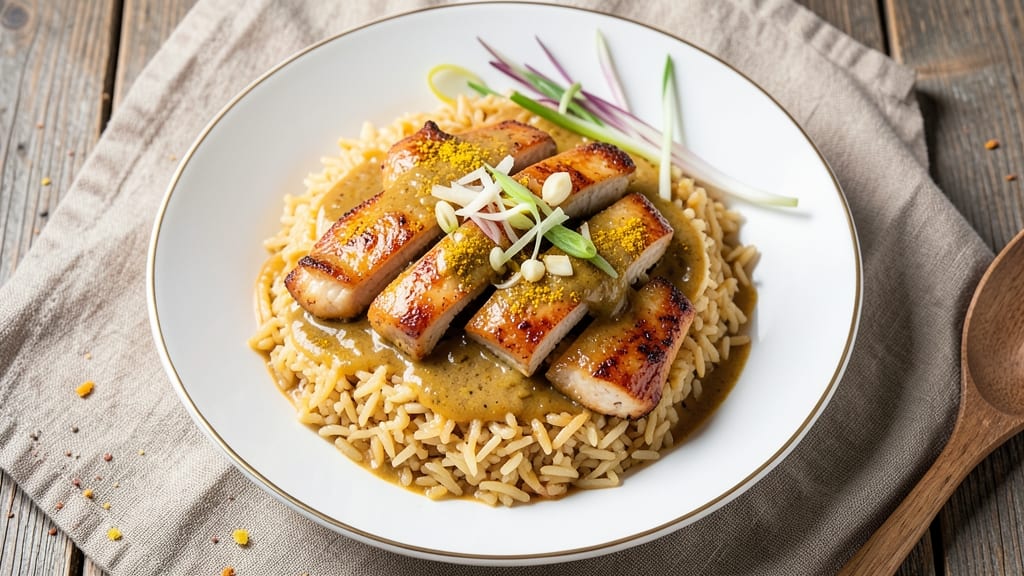
This Chinese curry rice recipe delivers bold, aromatic flavors in a single pot—where fragrant jasmine rice transforms into a rich, spiced dish with tender chicken and velvety coconut curry. The secret lies in balancing traditional spices with modern convenience, creating a dish that feels both authentic and approachable.
What makes this recipe special is the one-pot method, where rice and sauce cook together, absorbing flavors perfectly without extra cleanup.
The result is a fragrant, golden-brown curry with tender rice grains infused with ginger, garlic, and curry powder, all topped with succulent chicken pieces. Each bite delivers a harmonious blend of savory, slightly sweet, and spicy notes—ideal for a comforting weeknight dinner or a weekend meal with friends.
Ready in 45 minutes, this dish proves restaurant-quality Chinese cuisine can be yours at home.
Ingredients for chinese curry rice
Jasmine rice and aromatic spices create this restaurant-style curry rice in one pot.
| Ingredient | Amount | Notes |
|---|---|---|
| Jasmine Rice 🍚 | 1 cup | Uncooked, long-grain preferred |
| Boneless Chicken Thighs 🍗 | 1 ½ lb | Cut into 1-inch pieces |
| Coconut Milk 🥥 | 13 ½ oz | Full-fat canned variety |
| Yellow Curry Powder 🌶️ | 2 tbsp | Authentic Thai brand preferred |
| Fresh Ginger 🌿 | 2 tbsp | Finely grated, aromatic |
| Garlic Cloves 🧄 | 4 cloves | Minced for aromatic base |
| Red Curry Paste 🌶️ | 1 tbsp | Maesri brand recommended |
| Fish Sauce 🍶 | 1 tbsp | Red Boat brand preferred |
| Vegetable Oil 🫒 | 2 tbsp | High smoke point preferred |
| Green Onions 🧅 | ¼ cup | Sliced for garnish |
| Lime Juice 🍋 | 1 tbsp | Freshly squeezed |
| Brown Sugar 🍯 | 1 tbsp | Light, for subtle sweetness |
| Salt 🧂 | 1 tsp | Diamond Crystal kosher |
| Black Pepper 🌶️ | ½ tsp | Freshly ground |
The jasmine rice is non-negotiable—its delicate fragrance absorbs flavors beautifully. Thai Kitchen brand is available at most grocery stores, but any long-grain variety works. Chicken thighs stay juicier than breasts during the long simmer. For the coconut milk, Thai Kitchen or Aroy-D brand (found in the Asian aisle) ensures authentic creaminess. The yellow curry powder should be labeled 'Thai'—avoid Indian curry blends, which have different spices. Fresh ginger and garlic are essential for that bright, aromatic base, but if you must use powdered, reduce to half the amount.
No red curry paste? Maesri brand is the gold standard, but Thai Kitchen paste works in a pinch. Fish sauce can be tricky—if you're avoiding it, substitute with soy sauce plus a pinch of sugar. For extra depth, toast the curry powder and spices in the oil for 30 seconds before adding wet ingredients. The green onions should be fresh—no dried substitutes here. Lime juice brightens the dish, but if you're out, a splash of rice vinegar works. Brown sugar adds just enough sweetness to balance the heat.
Prep the chicken and rice first—they'll sit while you build the sauce. This dish tastes even better the next day as flavors meld. Store leftovers in an airtight container for up to 4 days in the fridge. For freezing, portion into single servings—3 months max. Reheat gently with a splash of water to restore moisture. Garnish with extra green onions and lime wedges before serving for that restaurant-quality presentation.
Why You'll Love This Recipe
- One-Pot Magic: Honestly, I swear by this recipe because it’s literally one pot. Toss in the chicken, stir in the curry powder and ginger, pour on that coconut milk—boom. The rice cooks right in the sauce, so no extra pans or timers. My lazy Sundays thank me every time.
- Creamy-Ginger Kick: Between us, that fresh ginger and coconut milk combo is chef’s kiss. The curry powder gives it warmth, but the ginger cuts through it with this bright, zesty punch—like a hug in a bowl. Even my picky teenage son finishes his plate.
- Leftovers That Don’t Suck: I make a double batch on Sundays, and these leftovers? Still taste fresh three days later. The rice soaks up the curry flavors, so reheating is just a quick microwave or stovetop sizzle. Pack it for lunch or freeze portions—no sad, dry rice here.
- Budget-Friendly Feast: Chicken thighs are cheap, jasmine rice is a staple, and coconut milk stretches far. For under $10, I feed four people a meal that feels fancy. Plus, the curry powder and ginger are pantry staples, so it’s an easy splurge without breaking the bank.
Step-by-step instructions for Chinese curry rice
Master this fragrant one-pot dish where aromatic spices and tender chicken create a harmonious fusion.
Prepare the Chicken and Aromatics
Cut the 1.5 lb boneless chicken thighs into 1-inch pieces for even cooking. In a large, heavy-bottomed pot, heat the 2 tbsp vegetable oil over medium-high heat until shimmering. Add the chicken pieces in a single layer and cook undisturbed for 4-5 minutes until lightly browned on all sides. This initial sear locks in juices and develops deep flavor.
Remove the chicken from the pot and set aside. In the same pot, add the 4 cloves minced garlic and 2 tbsp finely grated fresh ginger. Sauté for 30 seconds until fragrant—you should smell their bright, pungent aromas filling the kitchen. This quick cooking prevents bitterness while building the flavor foundation.
Build the Curry Base
Reduce heat to medium and add the 1 tbsp red curry paste, stirring constantly for 1 minute to toast the spices. The paste will darken slightly as it releases its complex flavors. Immediately add the 2 tbsp yellow curry powder and continue stirring for another 30 seconds until the spices are fully incorporated and aromatic.
Pour in the 13.5 oz coconut milk and scrape up any browned bits from the bottom of the pot with a wooden spoon. These flavorful bits, called fond, contain concentrated taste that elevates the entire dish. Stir in the 1 tbsp fish sauce and 1 tbsp brown sugar, then return the chicken to the pot. Bring the mixture to a gentle simmer over medium heat.
Cook the Rice and Season
Add the 1 cup jasmine rice, spreading it evenly throughout the liquid. Stir gently to distribute the rice without breaking the grains. Increase heat to medium-high and bring to a boil, then immediately reduce to low heat. Cover the pot with a tight-fitting lid and cook for 15 minutes without disturbing it.
After 15 minutes, check the rice. If it's not fully tender, continue cooking for another 5-10 minutes, checking periodically. The rice should absorb all the liquid and develop a slightly sticky texture. If the mixture looks dry before the rice is fully cooked, add 2-3 tablespoons of water and continue cooking. This step ensures perfectly tender rice with maximum flavor absorption.
Finish and Rest
Once the rice is fully cooked and tender, remove the pot from heat. Stir in the 1 tbsp lime juice, 1 tsp salt, and 0.5 tsp black pepper. The lime juice brightens the dish while the salt and pepper balance the rich, spiced flavors. Let the curry rice rest, covered, for 5 minutes to allow the flavors to meld completely.
Garnish with the 0.25 cup sliced green onions just before serving. The green onions add a fresh contrast to the rich, spiced rice. Serve immediately while hot, with steamed vegetables or a simple cucumber salad to complement the bold flavors. Each bite should deliver perfectly balanced heat, sweetness, and umami from the carefully layered ingredients.
Pro Tips For Making Chinese Curry Rice
- CRISP THE CHICKEN FIRST: Skip the slow cook—sear those chicken thighs in a screaming-hot pan for 4-5 minutes per side until deep golden. I used to braise them straight in the curry, but crisping first adds texture that turns soggy when you simmer. Save the rendered fat too; it’s liquid gold for the rice.
- GINGER: GRATE, DON’T CHOP: Use a microplane or the smallest holes on a box grater for fresh ginger—no fibrous chunks. I learned this the hard way when my curry tasted like a mouthful of string. A tablespoon of finely grated ginger (peeled!) is enough; it blooms flavor without overpowering the coconut milk.
- LOW AND SLOW FOR RICE: Once you add the coconut milk and curry powder, drop the heat to a barely simmer—think tiny bubbles, not rolling. I used to rush it, and the rice ended up mushy. Let it cook uncovered for 15 minutes after the chicken’s done; the liquid will reduce just enough to cling to the grains.
- UPGRADE: TOAST THE CURRY POWDER: Dry-toast the yellow curry powder in the same pan you crisped the chicken for 30 seconds until fragrant. Sounds weird, but it works—it deepens the spices’ aroma and cuts through the coconut’s richness. Just don’t let it brown, or it’ll turn bitter.
Essential equipment for this recipe
Heavy-Bottomed Pot
Invest in a large, heavy-bottomed pot with a tight-fitting lid—this is non-negotiable for even heat distribution. I swear by my Calphalon 5.5-quart enameled Dutch oven—it handles the long simmer beautifully without hot spots.
A stainless steel pot with a lid works too, but avoid thin aluminum that warps under heat. The pot should comfortably hold all ingredients without overflowing when simmering. 🔥
Wooden Spoon
A long-handled wooden spoon is essential for stirring the curry without scratching your pot. I prefer Oxo Good Grips for its sturdy build and comfortable handle. Avoid metal spoons—they can react with acidic ingredients like lime juice and fish sauce over time.
The wooden spoon also helps scrape up those precious flavorful browned bits from the bottom.
Curry-Specific Tools
For authentic flavor, a mortar and pestle comes in handy if you're making your own curry paste from scratch. I keep Maesri brand paste on hand, but when I experiment, I toast whole spices like coriander seeds and turmeric in a small skillet before grinding.
A microplane for fresh ginger and garlic ensures maximum aromatic release compared to pre-minced versions.
Measuring Tools
Precision matters with spices—use a gram scale for curry powder and paste if possible, as volume measurements can vary dramatically. My OXO Good Grips digital scale makes this effortless.
For liquids, a liquid measuring cup with clear markings prevents overfilling the pot. Remember: 13.5 oz coconut milk is equivalent to 1½ cups—measure carefully to avoid watery curry.
Garnish Essentials
Fresh green onions and lime wedges elevate presentation. I keep a sharp chef's knife and cutting board handy for quick slicing. For extra flair, a small bowl for lime wedges keeps them fresh while serving.
Don't skimp on these final touches—they make all the difference between homemade and restaurant-quality curry rice. ✨
Optional Upgrades
For spice enthusiasts, a spice grinder lets you customize your curry powder blend. I love Penzeys Spices for their high-quality whole spices. A steamer basket becomes useful if you want to serve steamed veggies on the side.
And for leftovers, glass storage containers maintain freshness better than plastic—they're also microwave-safe for easy reheating.
Nutrition facts
Frequently asked questions
Can I substitute chicken with another protein?
This recipe works beautifully with tofu for a vegetarian version, shrimp for a seafood twist, or beef for extra richness. Just adjust cooking times—chicken needs 4-5 minutes per side, while shrimp cooks in just 2-3 minutes. Tofu should be pressed and cubed before adding to absorb flavors better.
How do I adjust the spice level?
Start with the 2 tbsp yellow curry powder and 1 tbsp red curry paste as written for medium heat. For milder flavor, reduce the red curry paste to ½ tbsp and add ½ tsp sugar to balance. For extra heat, increase the red curry paste to 2 tbsp and add ½ tsp cayenne pepper. Taste and adjust gradually!
What if my rice turns out mushy?
Mushy rice usually means too much liquid or overcooking. Next time, reduce coconut milk to 12 oz (1½ cups) and check rice after 12 minutes of simmering. If it still looks dry, add 2 tbsp water instead of more liquid. Always use a heavy-bottomed pot to prevent uneven cooking.
Can I make this in an Instant Pot?
Yes! Sauté chicken, garlic, and ginger first. Add all remaining ingredients (except lime juice) and cook on high pressure for 5 minutes. Quick-release the pressure, stir in lime juice, and let sit covered for 5 minutes before serving. The rice may be slightly firmer—add 2 tbsp water if needed after cooking.
How do I store leftovers?
Store in an airtight container for up to 4 days in the fridge. For freezing, portion into single servings and freeze for 3 months max. Reheat gently with 1 tbsp water per serving to restore moisture. The flavors actually improve after the first day!