
Main Courses
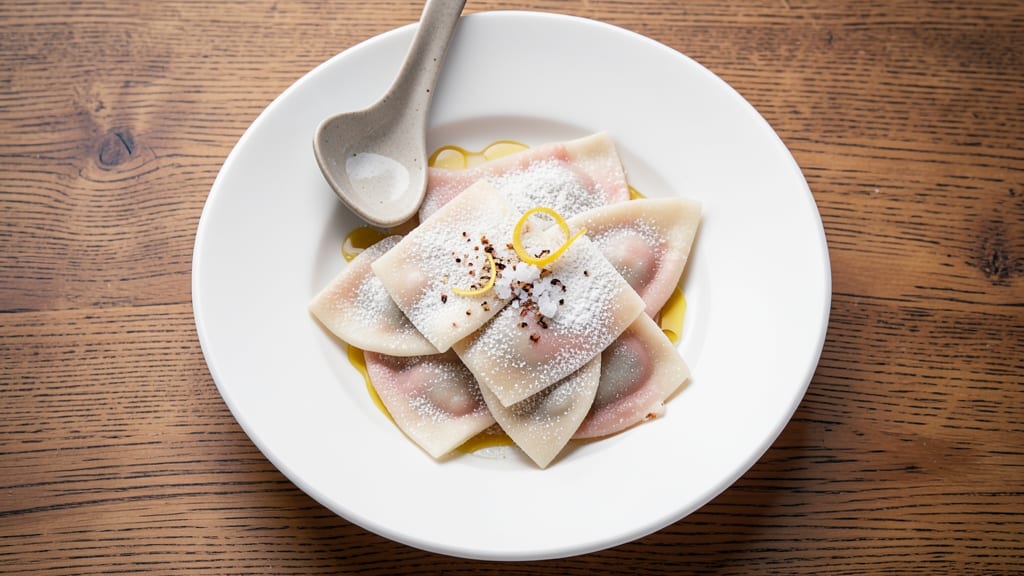
Mastering Chinese dumpling dough with rice flour unlocks silky, pliable wrappers that stay true to tradition while preventing tears or stickiness. The secret lies in precise ingredient ratios and gentle handling—no special tools required. This recipe delivers authentic texture and structure, whether you're steaming, boiling, or pan-frying your dumplings.
Rice flour creates a naturally tender, translucent dough that contrasts beautifully with traditional wheat-based versions. The dough's delicate nature makes shaping easier while maintaining the signature delicate bite of Chinese dumplings.
With just five simple ingredients and 15 minutes of active prep time, you'll have perfect wrappers ready for any filling—from classic pork to modern vegan options.
Ingredients for chinese dumpling dough recipe rice flour
Five simple ingredients transform into silky dumpling dough that won’t tear or stick.
| Ingredient | Amount | Notes |
|---|---|---|
| Rice Flour 🌾 | 2 cups | Glutinous or jasmine rice flour preferred |
| Tapioca Starch 🌾 | ½ cup | For elasticity and pliability |
| Water 💧 | 1 ¼ cups | Room temperature preferred |
| Vegetable Oil 🫒 | 1 tbsp | Light, neutral flavor preferred |
| Salt 🧂 | ½ tsp | Fine sea salt preferred |
Rice flour is the star here—jasmine or glutinous rice flour gives that signature translucent texture. Bob’s Red Mill or Trader Joe’s carry good options, but any quality rice flour works. Tapioca starch is non-negotiable for elasticity; it’s what prevents those dreaded cracks when shaping. Keep an eye out for arrowroot powder as a backup if needed, though it’s not identical. Water temperature matters: room temp mixes better than cold straight from the tap. If you’re in a rush, just let it sit out for 10 minutes.
No rice flour? Sweet rice flour (mochiko) is your best bet, but it’s pricier. Tapioca starch can be swapped with potato starch at the same amount, though the texture will be slightly less delicate. Vegetable oil can be replaced with neutral-flavored coconut oil if you prefer, but it adds a faint coconut note. Salt is optional if your fillings are already seasoned, but I always include it—Diamond Crystal kosher salt dissolves perfectly. For extra tenderness, add 1 tsp cornstarch to the mix, but it’s not required.
This dough keeps for 2 days in the fridge, wrapped tightly in plastic. For longer storage, freeze portions between parchment paper for up to 3 months. Thaw at room temp before using. The dough is best used within 8 hours of mixing—it dries out faster than wheat-based doughs. If it feels too sticky, dust your work surface with a tiny bit of rice flour, but don’t overdo it or the texture suffers.
Why You'll Love This Recipe
- No Fuss, No Mess: I swear by this dough—just rice flour, tapioca starch, and water. No kneading, no resting, no stress. The oil keeps it tender without sticking to my fingers, and the salt? Just a pinch to balance the neutral base.
- Chewy Magic: That perfect bite—soft inside, slightly chewy from the tapioca—is ridiculously satisfying. It’s the kind of texture that makes you pause mid-bite, and honestly? It’s worth the extra 10 seconds of kneading to get it right.
- Leftover Hero: This dough doesn’t dry out or turn rubbery. I’ve made it days ahead, stored it in the fridge, and it still wraps like a dream. Freeze extras for quick dumpling nights—no defrosting needed, just shape and cook.
- Budget Dumpling Hack: Rice flour and tapioca starch are cheap staples that stretch further than wheat-based doughs. Plus, the neutral flavor means I can stuff it with whatever’s on sale—pork, veggies, or even just scallions and chili oil. Frugal but never boring.
Step-by-step instructions for silky rice flour dumpling wraps
Here's how to make dumpling dough that's perfectly elastic, never sticky, and holds its shape.
Combine Dry Ingredients in a Mixing Bowl
In a large mixing bowl, whisk together the 2 cups rice flour and 0.5 cup tapioca starch. This blend gives you the ideal balance of chewiness from the rice flour and flexibility from the tapioca. Sift the mixture if you have any lumps—this ensures even distribution and prevents dry spots in your dough.
I like to use a fine-mesh sieve for this step. The tapioca starch is particularly prone to clumping, and breaking those up now saves you frustration later. Give everything a good stir so the starch coats the rice flour evenly—this prevents grittiness in your final dough.
Gradually Add Water and Oil While Mixing
Create a well in the center of your dry ingredients and pour in the 1.25 cups water and 1 tbsp vegetable oil. Start whisking immediately to prevent the formation of a sticky paste. You want to incorporate the liquid gradually to avoid overworking the dough at this stage.
Use a fork or chopsticks to gently fold the mixture from the edges into the center. The dough will start as a shaggy mass, but keep mixing until it comes together into a rough, cohesive ball. If it's still crumbly, add 1 teaspoon water at a time until it holds when pressed. The texture should be soft but not wet—think of it like playdough that's slightly tacky but not sticky.
Knead Until Smooth and Elastic
Turn the dough out onto a lightly floured surface and knead for 5-7 minutes using the heel of your hand. Press down firmly, then fold over and push away—this develops the gluten and creates that silky, elastic texture we're after. The dough should become smooth and slightly translucent, with no visible dry spots.
Here's the thing—rice flour dough can be tricky. If it starts to stick to your hands, add just enough rice flour to coat your palms, not the entire dough. Over-flouring makes the dough tough. You'll know it's ready when it springs back slightly when poked and feels cool to the touch from the kneading.
Rest the Dough for Maximum Pliability
Shape the dough into a ball, place it in a clean bowl, and cover tightly with plastic wrap. Let it rest at room temperature for 30 minutes. This resting period allows the dough to relax and redistribute its moisture evenly. I've found that skipping this step results in dough that tears easily when rolling.
After resting, the dough should feel more supple and easier to work with. If you're in a hurry, you can refrigerate it for up to 24 hours—just let it come to room temperature before using. The longer it rests, the more flavor develops, but the texture remains perfect for up to 48 hours when properly stored.
Divide and Roll for Perfect Wraps
Divide the rested dough into 4 equal portions (about 4 ounces each). Roll each portion into a 6-inch circle using a rolling pin. For even thickness, roll from the center outward, rotating the dough as you go. The ideal thickness is about 1/16 inch—thin enough to seal dumplings properly but thick enough to hold their shape.
If the dough sticks to your surface, lightly dust with rice flour between rolls, but don't overdo it. The goal is to keep the dough workable without making it dry. For extra-smooth wraps, I like to use a glass rolling pin—it gives me better control over the thickness and prevents the dough from sticking to the tool.
Pro Tips For Making Chinese Dumpling Dough Recipe Rice Flour
- STEAM THE FLOUR FIRST: Heat your dry rice flour and tapioca starch in a dry pan over medium-low for 2-3 minutes—just until it smells toasty. This removes raw starch smell and makes the dough less sticky when mixed with water. (Yes, it’s extra work, but your dumplings will actually hold shape instead of turning to mush.)
- WEIGH YOUR WATER: Rice flour absorbs water like a sponge, but tapioca starch clings like glue. Use a scale for both ingredients—aim for 120g water per 200g flour mix. Too much water now means gummy wrappers later. (I learned this after making dumplings that stuck together like wet paper.)
- KNEAD BY HAND: Skip the mixer—this dough needs gentle coaxing. Work it in the bowl with wet hands, folding and pressing until just smooth (about 5 minutes). Over-kneading turns it elastic and chewy. (Your future self will thank you when the wrappers don’t snap mid-folding.)
- REST THE DOUGH COLD: Wrap the dough in plastic and refrigerate for at least 30 minutes before rolling. Cold dough is firmer, rolls cleaner, and doesn’t stick to the rolling pin. (I was skeptical until I tried it—now I never skip this step.)
Perfect pairings for this chinese dumpling dough recipe rice flour
Dipping Sauce Pairings
For steamed or boiled dumplings, a light soy-ginger dipping sauce is my go-to. Mix 3 tablespoons soy sauce, 1 tablespoon rice vinegar, 1 teaspoon grated ginger, and ½ teaspoon sugar.
The ginger brightens the rice flour's natural sweetness while the vinegar cuts through any richness in your filling. 🍶
Pan-Fry with Garlic Oil
When pan-frying dumplings, drizzle the pan with 1 tablespoon garlic-infused oil (infuse ¼ cup neutral oil with 3 minced garlic cloves for 10 minutes on low heat). The aromatic oil crisps the bottoms beautifully while adding depth.
Serve with a side of chili oil for heat lovers—just mix ¼ cup neutral oil with 1 tablespoon chili crisp and ½ teaspoon sugar.
Sweet and Tangy Glaze
For a modern twist, brush dumplings with a honey-soy glaze before steaming. Combine 2 tablespoons soy sauce, 1 tablespoon honey, and ½ teaspoon sesame oil. The glaze caramelizes slightly during steaming, creating a sticky, glossy finish.
Pair with a cucumber salad—slice 1 English cucumber thinly, toss with 1 tablespoon rice vinegar, ½ teaspoon salt, and 1 teaspoon toasted sesame seeds.
Spicy Sesame Dip
This dip elevates any dumpling style. Blend ¼ cup tahini, 2 tablespoons soy sauce, 1 tablespoon lime juice, 1 teaspoon sriracha, and 2 tablespoons water until smooth. The sesame adds nutty richness that complements the dough's delicate texture.
Garnish with crushed peanuts for extra crunch—just toast 2 tablespoons peanuts in a dry pan for 2 minutes until fragrant. 🌶️
Herbed Oil Finish
For a restaurant-quality touch, drizzle finished dumplings with herbed oil. Heat 2 tablespoons neutral oil with 1 teaspoon chopped cilantro, ½ teaspoon chopped Thai basil, and a pinch of salt.
The herbs infuse instantly, adding freshness. This works especially well with shrimp and chive dumplings—the oil brightens the seafood flavor without overpowering it.
Tea Pairings
Match your dumplings with tea for a complete experience. Jasmine tea enhances the rice flour's floral notes, while pu-erh tea complements rich fillings like pork or mushrooms. For a modern pairing, try oolong tea—its toasty aroma balances the dough's delicate sweetness.
Brew a small pot and serve in small porcelain cups to elevate the ritual. ☕
Nutrition facts
Frequently asked questions
Why does this rice flour dough feel different from wheat flour dumpling wrappers?
Rice flour dough is naturally more delicate and translucent due to its lower gluten content. The addition of tapioca starch creates elasticity without toughness, while the oil keeps it supple. Unlike wheat-based wrappers, this version won't shrink as much when cooked, making it ideal for pan-frying or delicate shapes like har gow.
Can I make this dough without tapioca starch?
You can substitute with ½ cup potato starch, though the texture will be slightly less elastic. For best results, use arrowroot powder (same amount) if available. The starch is key for preventing cracks during shaping—skip it at your own risk of tears!
How do I prevent my dumplings from sticking to the steamer basket?
Line your steamer with parchment paper cut to fit, or use cabbage leaves as a natural barrier. For extra insurance, lightly dust the basket with rice flour before adding dumplings. Keep them 1 inch apart to allow steam circulation.
What's the best way to store leftover rice flour dough?
Wrap tightly in plastic wrap and refrigerate for up to 2 days. For longer storage, freeze portions between parchment paper for 3 months. Thaw at room temperature—never microwave! The dough dries out faster than wheat-based versions, so keep it sealed tightly.
Can I use this dough for spring rolls instead of wrappers?
Roll the dough into 6x4-inch rectangles and use like spring roll wrappers. The rice flour creates a lighter, more delicate texture than traditional wheat wrappers. For extra crispiness when fried, brush with egg wash before cooking.