
Main Courses
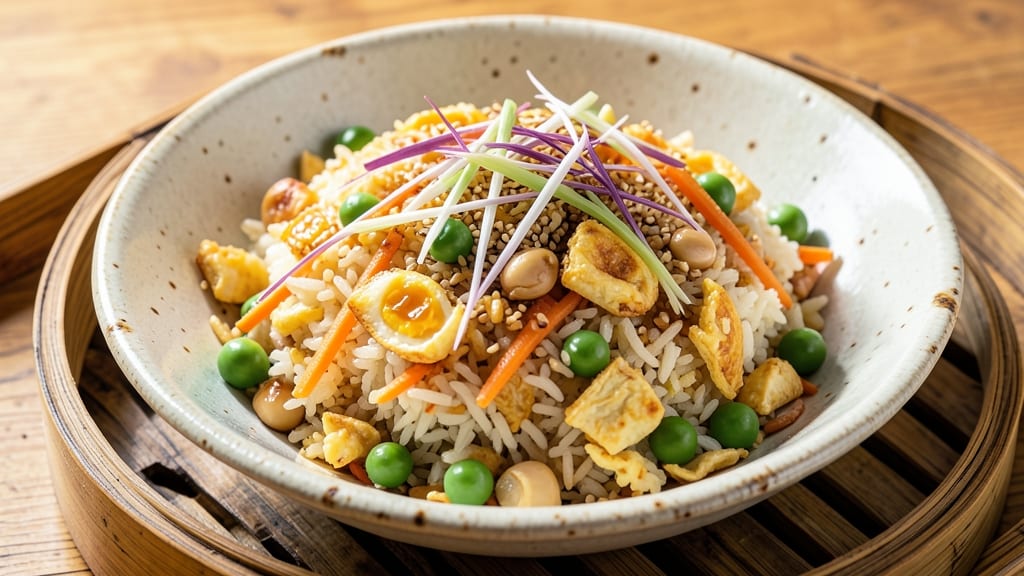
This Chinese fried rice original recipe delivers the wok-heated crisp and eggy protein bites that make it a restaurant classic. ✨ The secret lies in perfectly cooked jasmine rice, high-heat stir-frying, and the right balance of soy, sesame, and garlic—all combined in under 20 minutes for a dish that feels both comforting and refined.
What sets this recipe apart is the wok hei technique—those signature smoky, charred edges that come from proper wok heating and quick, constant stirring. We'll use day-old rice for ideal texture, scrambled eggs for protein-rich bites, and a mix of peas, carrots, and scallions for freshness.
The result? A fragrant, savory dish that's as satisfying as it is authentic.
Ingredients for chinese fried rice original
Jasmine rice, eggs, and fresh vegetables form the foundation of this authentic wok-heated dish.
| Ingredient | Amount | Notes |
|---|---|---|
| Day-Old Jasmine Rice 🍚 | 4 cups | Cold, broken into pieces |
| Large Eggs 🥚 | 4 whole | Room temperature for even cooking |
| Scallions 🧅 | ½ cup | White and green parts, thinly sliced |
| Peas 🌱 | ½ cup | Frozen or fresh, thawed if frozen |
| Carrots 🥕 | ½ cup | Diced into small pieces |
| Garlic Cloves 🧄 | 4 cloves | Minced finely for aromatic depth |
| Sesame Oil 🫒 | 1 tbsp | Toasted for authentic flavor |
| Light Soy Sauce 🥢 | 2 tbsp | High-quality for umami balance |
| Dark Soy Sauce 🥢 | 1 tbsp | For color and depth |
| Vegetable Oil 🫒 | 3 tbsp | High smoke point for wok hei |
| White Pepper 🌶️ | ½ tsp | Freshly ground for subtle heat |
| Sesame Seeds 🌱 | 1 tsp | Toasted for garnish |
The jasmine rice is non-negotiable—its floral aroma and slightly sticky texture are essential for that signature restaurant-quality bite. Use day-old rice (cooked and chilled) for optimal texture, breaking it into even pieces with your hands before cooking. For the best quality, Lotus Foods or Thai Kitchen brands deliver consistent results. If you're short on time, pre-cooked frozen jasmine rice works in a pinch, but thaw and drain it thoroughly before using. The eggs should be room temperature—cold eggs release steam and won't scramble properly, ruining the delicate protein bites that define this dish.
No sesame oil? Toasted peanut oil at half the amount provides a similar nutty depth, though the flavor won't be identical. Substituting dark soy sauce with an extra 1/2 teaspoon of molasses can mimic its rich color, though purists will notice the difference. Fresh peas are ideal, but frozen peas work perfectly if thawed and drained well. For the carrots, orange baby carrots save prep time, but regular carrots diced into even 1/4-inch pieces ensure consistent cooking. The scallions should be cut into 1/4-inch slices—white parts for flavor, green for color—though if you're in a rush, green onions work too.
Store any leftovers in an airtight container for up to 3 days in the refrigerator, though the texture will soften slightly. For longer storage, freeze portions for up to 3 months, reheating in a wok or skillet over medium-high heat to restore that crisp texture. The sesame seeds and oil should be kept in a cool, dark place—once opened, they'll stay fresh for about 6 months. For meal prep, cook a double batch and portion it into containers with a drizzle of soy sauce—ready to reheat and serve in minutes.
Why You'll Love This Recipe
- No-Chop Necessary: I swear by this trick—just rough-chop the carrots and toss in whole peas. The high heat in the wok breaks them down while you’re scrambling the eggs, so you’re really only dicing scallions (and even that’s optional if you’re in a rush).
- Eggs First, Always: That crispy, slightly chewy egg at the base? Non-negotiable. I learned the hard way—if you mix the egg in too early, it turns rubbery. Scramble it first, then fold in the rice, and you’ve got that perfect texture contrast every time.
- Lunchbox Hero: Between us, this is my go-to for packed lunches. The rice stays warm for hours, the peas don’t get mushy, and the scallions add a fresh bite. Honestly, it’s the only thing my picky teenager will eat straight from the fridge—no reheating required.
- Pantry Magic: I make a double batch on Sundays with whatever veggies I have (carrots, peas, or even leftover corn). It turns into dinner, lunch, and a quick fried rice bowl for my roommate—all without breaking the bank or spending extra time chopping.
Step-by-step instructions for wok-heated Chinese fried rice
Master the wok technique and you'll achieve that signature crisp-tender texture with perfect eggy protein bites.
🔥 Step 1: Prep the Wok and Break Down the Rice
Heat a wok over high heat until it's smoking slightly. Add 3 tablespoons vegetable oil and swirl to coat the entire surface. The oil should shimmer but not burn—this is your foundation for wok hei. While the wok heats, break apart the 4 cups day-old jasmine rice with your hands into small, uneven pieces. Cold rice prevents mushiness and ensures each grain gets properly toasted.
I like to spread the rice out in a single layer on a plate first to cool slightly if it's still warm from the fridge. This prevents steam from making the rice soggy when it hits the hot wok. Keep the broken rice within reach—you'll add it to the wok immediately after the eggs.
🍳 Step 2: Scramble the Eggs to Perfect Protein Bites
Push the oil to one side of the wok, creating space for the 4 whole large eggs. Crack them directly into the wok and let them sit undisturbed for 5-7 seconds until the edges begin to set. This creates those signature eggy protein bites that are crispy on the outside and tender within.
Using a spatula, gently push the eggs toward the center of the wok in small sections, creating space for more oil to seep underneath. Continue folding and pushing until the eggs are 75% set but still slightly runny in the center. Remove the eggs and set aside—you'll add them back later. The residual heat will finish cooking them perfectly when they rejoin the rice.
👨🍳 Step 3: Stir-Fry Aromatics and Vegetables
Add 3 tablespoons vegetable oil to the wok and increase heat to medium-high. Toss in the 4 cloves minced garlic and 0.5 cup diced carrots, stirring constantly for 30 seconds until the garlic turns golden and fragrant. Add the 0.5 cup peas and 0.5 cup sliced scallions, cooking for another 1-2 minutes until the peas are bright green and the carrots begin to soften.
Here's where the dark soy sauce comes into play—add 1 tablespoon dark soy sauce now. It won't fully dissolve yet, but it'll create that beautiful mahogany color as it cooks. The vegetables should be tender-crisp, not mushy—this is the texture we're after in authentic fried rice.
🥘 Step 4: Combine and Season the Rice
Return the scrambled eggs to the wok along with the broken rice. Stir-fry vigorously for 2-3 minutes until the rice begins to sizzle and take on color. This is where the magic happens—don't rush it. The rice should be hot enough to create that wok hei flavor while absorbing the egg juices.
Add the 2 tablespoons light soy sauce, 0.5 teaspoon white pepper, and 1 tablespoon toasted sesame oil. Toss everything together for another 2 minutes until the rice is evenly coated and the flavors meld. The dish should smell intensely aromatic with notes of garlic, soy, and toasted rice. Taste and adjust seasoning if needed—you can always add more light soy sauce for saltiness.
⏰ Step 5: Finish and Garnish for Authentic Presentation
Remove the wok from heat and let it sit for 30 seconds to allow the residual heat to finish cooking the rice. Give it one final toss with a spatula to ensure even distribution of flavors. Transfer to a serving platter and immediately sprinkle with 1 teaspoon toasted sesame seeds.
The rice should be crisp-tender with individual grains visible, the eggs forming distinct protein bites, and the vegetables retaining their vibrant colors. Serve immediately while hot—fried rice loses its texture as it cools. The aroma should be intoxicating, with layers of garlic, soy, and that unmistakable wok hei flavor that defines authentic Chinese fried rice.
Pro Tips For Making Chinese Fried Rice Original
- Prep Carrots Like Granny: I learned this the hard way—shredding carrots too fine makes them turn to mush. Use a mandoline or sharp knife to cut them into thin, even matchsticks (about 1/8-inch thick), then soak in cold water for 10 minutes to remove excess starch. Drain well before frying—this keeps them crisp and bright in your fried rice.
- Scramble Eggs in Two Stages: High heat first, then low. Push the eggs into a rough scramble with a spatula, then pull them off the wok in chunks—this mimics restaurant-style texture. Once set, set them aside and finish the rest of your veggies before tossing the eggs back in. (Yes, even if you’re impatient like me.)
- Don’t Crowd the Wok: After burning three batches, I finally figured out: fried rice needs space to crisp. Work in batches if needed—overcrowding steams the rice instead of frying it. A wok half-full of ingredients at a time gives you that golden, wok-hei crust everyone talks about.
- Use Cold Rice, Hot Wok: Sounds weird, but it works: spread your day-old rice in a thin layer on the wok first, letting it sizzle and dry out for 30 seconds before stirring. This locks in flavor and prevents gummy rice. (Your future self will thank you.)
Common mistakes when making great chinese fried rice original
Overcooking the Rice
One of the biggest mistakes is letting the rice sit too long in the wok. Once you add the broken rice to the hot wok, it should cook for just 2-3 minutes—any longer and you'll end up with mushy, gluey rice instead of that perfect crisp-tender texture.
I've learned this the hard way: overcooked rice loses its individual grains and absorbs too much oil, making the dish greasy. Keep a close eye on the clock and focus on constant, vigorous stirring to maintain that signature texture. 🌡️
Skipping the Egg Rest
Many home cooks make the error of adding the eggs directly to the wok with the rice, but this ruins the delicate protein bites that define authentic fried rice. The key is to scramble the eggs to 75% doneness, remove them, and let them rest briefly.
This allows the residual heat to finish cooking them perfectly when they rejoin the rice, creating those crispy, flavorful egg pieces.
If you're impatient and cook the eggs all the way through before adding them, you'll end up with dry, rubbery egg chunks instead of the tender, juicy bites you want.
Using Fresh Rice
Freshly cooked rice is a common culprit for soggy, uneven fried rice. The moisture in fresh rice causes it to steam rather than sizzle, leading to a gummy texture. Always use day-old, cold jasmine rice that's been broken into even pieces.
If you're short on time, cook your rice a day ahead or use pre-cooked frozen jasmine rice that's been thoroughly thawed and drained. The extra effort pays off with that perfect crisp-tender texture that makes restaurant-quality fried rice so satisfying.
Insufficient Wok Heating
The wok needs to be properly heated to achieve that signature wok hei flavor. If your wok isn't hot enough when you start cooking, you'll miss out on the smoky, charred edges that give fried rice its authentic taste.
Heat your wok over high heat until it's smoking slightly before adding oil. I like to test the heat by tossing a few grains of rice into the wok—they should sizzle and pop immediately.
If they don't, your wok isn't hot enough and you'll need to wait a few more minutes before starting.
Overcrowding the Wok
Adding all your ingredients at once leads to steaming instead of stir-frying, which is the fastest way to ruin your fried rice. The wok needs space to work its magic—keep your ingredients moving constantly and add them in stages.
Start with the eggs, then the aromatics, followed by the vegetables, and finally the rice. This layered approach ensures each component gets properly cooked and develops that beautiful caramelized color.
I typically work in batches if I'm cooking for a larger group, using the same wok technique for each portion to maintain consistency.
Ignoring the Soy Sauce Balance
Using only light soy sauce or only dark soy sauce creates an imbalance in both flavor and color. Light soy sauce provides the saltiness and umami, while dark soy sauce adds that rich mahogany color and deeper flavor.
The recipe calls for 2 tablespoons light soy sauce and 1 tablespoon dark soy sauce for a reason—this ratio creates the perfect harmony. If you're missing that restaurant-quality depth, taste your fried rice and adjust the balance accordingly.
You can always add more light soy sauce for saltiness, but there's no going back if you've overdone the dark soy sauce.
Nutrition facts
Frequently asked questions
Why does my fried rice turn out mushy?
Mushy fried rice usually happens when using fresh rice or overcooking it. Always use day-old, cold jasmine rice broken into even pieces—this prevents steaming and creates that signature crisp-tender texture. Cook the rice for just 2-3 minutes after adding it to the wok, stirring constantly. Overcooking releases starch and makes it gummy.
Can I make Chinese fried rice without a wok?
A heavy-bottomed skillet or cast-iron pan works perfectly. The key is to use high heat and keep ingredients moving constantly to mimic wok hei. If your pan isn't wide enough, cook in batches. Just ensure your pan gets hot enough to create those smoky edges—test by tossing a few rice grains in before starting.
What's the best way to store leftover fried rice?
Store leftovers in an airtight container for up to 3 days in the fridge. For longer storage, freeze portions for 3 months. To reheat, use a wok or skillet over medium-high heat with a splash of water or oil to restore crispness. Never microwave—it makes the rice soggy and loses that wok hei flavor.
How do I make vegetarian fried rice?
Swap the eggs for 1 cup firm tofu (pressed and cubed) or 1/2 cup mushrooms for umami. Add 1/2 cup corn kernels and 1/4 cup bell peppers for extra texture. Boost flavor with 1 teaspoon miso paste or 1/2 teaspoon nutritional yeast. The same wok technique applies—just adjust cooking times for tofu (3-4 minutes) and mushrooms (2-3 minutes).
What's the secret to perfect eggy protein bites?
The secret lies in cooking eggs to 75% doneness before removing them, then letting them rest briefly. This creates crispy edges while keeping the centers tender. Use room-temperature eggs for even cooking, and stir constantly in the wok to prevent sticking. The residual heat finishes cooking them perfectly when they rejoin the rice.