
Main Courses
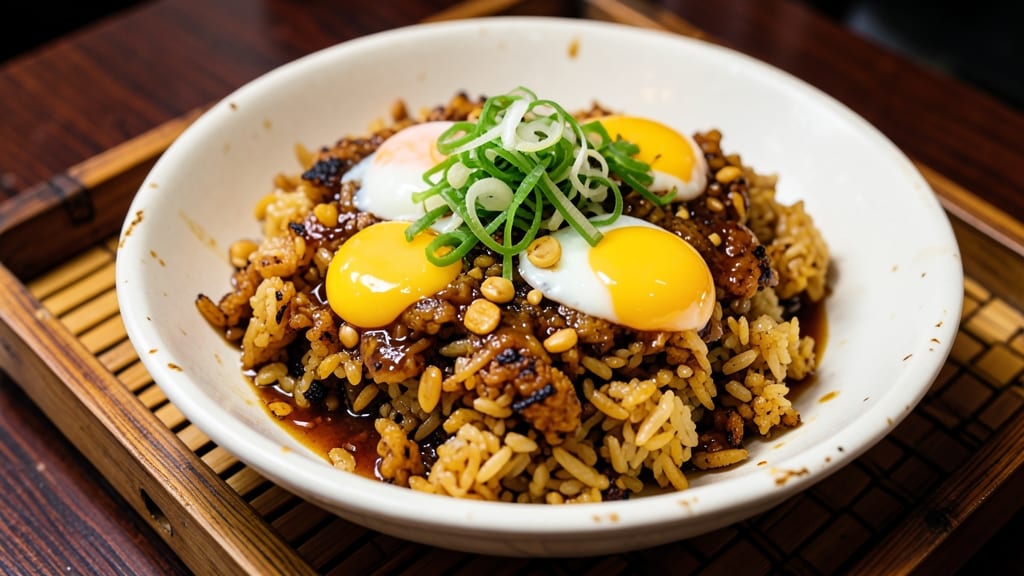
This Chinese restaurant egg fried rice recipe delivers the perfect balance of scrambled eggs and wok-heated crispness you crave after a long day. The secret lies in using day-old rice—fresh rice turns mushy, while properly cooled grains absorb flavors beautifully.
High heat and constant stirring create that signature smoky aroma (wok hei) and crispy edges that make every bite satisfying.
What sets this dish apart is the layered flavor profile: salty from soy sauce, umami-rich oyster sauce, and nutty sesame oil that ties everything together. We'll scramble eggs separately for tender, fluffy curds that stay distinct from the rice, then combine everything in a sizzling wok.
The result? A restaurant-quality dish with authentic texture and depth that's easier to make at home than you'd think.
Ingredients for chinese restaurant egg fried rice
Day-old rice, eggs, and wok-heated aromas—this is the core of Chinese restaurant fried rice.
| Ingredient | Amount | Notes |
|---|---|---|
| Day-Old Cooked White Rice 🍚 | 4 cups | Cold and broken into pieces |
| Large Eggs 🥚 | 4 whole | Room temperature for even cooking |
| Green Onions 🧅 | ¼ cup | White and green parts, sliced |
| Garlic Cloves 🧄 | 4 cloves | Minced for aromatic base |
| Soy Sauce 🍶 | 2 tbsp | Light or regular, not low-sodium |
| Oyster Sauce 🍲 | 1 ½ tbsp | For umami depth (check for no added MSG) |
| Sesame Oil 🫒 | 1 tbsp | Toasted for nutty aroma |
| Vegetable Oil 🫒 | 2 tbsp | High smoke point for wok |
| Salt 🧂 | ½ tsp | Adjust to taste after cooking |
| Black Pepper 🌶️ | ¼ tsp | Freshly ground for heat |
| Peas 🌱 | ½ cup | Frozen or fresh, thawed |
| Carrots 🥕 | ¼ cup | Diced small for even cooking |
The rice is non-negotiable—day-old, cold, and broken into pieces (the key to crispy edges). Leftover rice works perfectly, but if you're cooking fresh, spread it on a tray to cool quickly. For the eggs, room temperature makes all the difference—they scramble faster and stay fluffy. Green onions add freshness, but the white parts (where most flavor lives) are just as important as the greens. Garlic? Freshly minced—pre-minced from a jar tastes sad in comparison. Grab a whole bulb and chop it yourself for that authentic wok aroma.
No oyster sauce? Hoisin sauce or a splash of fish sauce gets you close—just remember fish sauce is potent, so start with half a teaspoon. Skip the sesame oil? Toasted peanut oil works in a pinch, though it’ll taste different. Frozen peas and carrots are fine (they’re often sweeter), but if using fresh, blanch them first to keep that bright color. The soy sauce should be light or regular—low-sodium versions lack that salty punch. Pro tip: Use a mix of white and green onion parts—the whites add flavor, the greens add color. And if you’re feeling fancy, add a dash of white pepper for that classic Chinese restaurant touch.
This dish reheats beautifully—honestly, it’s even better the next day as flavors meld. Store leftovers in an airtight container for up to 4 days in the fridge. For freezing, portion into single servings first—the rice gets rubbery if frozen in one big block. Double the recipe and freeze half—perfect for lazy weeknights. If you’ve got leftover rice, break it up into small pieces before cooking to ensure those crispy edges. And trust me, the wok hei (smoky aroma) is worth the high heat—don’t skimp on the oil or rush the cooking.
Why You'll Love This Recipe
- No Chopping Nightmare: That day-old rice? Just scoop it straight from the fridge—no prepping, no stress. Honestly, I’ve made this with rice that’s been sitting for three days (yes, even on a Tuesday night), and it still comes out perfect. The only knife work is mincing garlic and slicing green onions, which takes less time than waiting for a takeout order.
- Umami Bomb: The secret’s in the soy sauce—don’t skimp. That salty, savory punch from the sauce, plus the crispy edges on the eggs (scramble them just until set, trust me), turns this into something dangerously addictive. Between us, I’ve seen people go back for seconds before the plate’s even empty.
- Leftover Hero: This dish begs for seconds—or thirds. Make a big batch, and you’ll have lunch covered for days. I’ll be real: my freezer’s got a stash of this from last month, and it reheats like a dream. Toss in a splash of water while warming it up, and it’s almost as good as fresh.
- Budget Magic: Five ingredients, zero guilt. Eggs, rice, and a few pantry staples—this is the kind of meal that stretches your grocery money without sacrificing flavor. Plus, it’s the kind of dish where you can use whatever veggies you’ve got lying around (peas, carrots, even leftover chicken). My wallet and my taste buds thank me.
Step-by-step instructions for restaurant-style egg fried rice
Here's how to nail that perfect wok-hei texture and tender scrambled eggs every time.
Prep the Rice and Veggies for Even Cooking
Break the 4 cups day-old cooked white rice into small, uneven pieces with your hands—this creates more surface area for the wok heat to work its magic. Spread it on a plate and let it sit for 5 minutes to dry out slightly. This prevents gummy rice and ensures each grain gets crispy edges.
While the rice dries, prep the veggies: thinly slice the 0.25 cup green onions and dice the 0.25 cup carrots into tiny 1/8-inch cubes. Mince the 4 cloves garlic cloves and thaw the 0.5 cup peas if using frozen. Having everything prepped lets you cook fast and hot—just like in a restaurant kitchen.
Scramble the Eggs Separately for Perfect Texture
Whisk the 4 whole large eggs in a bowl until the yolks and whites are fully combined. Heat 1 tablespoon vegetable oil in a 14-inch wok or large skillet over medium-high heat until shimmering. Pour in the eggs and let them sit undisturbed for 10 seconds before gently pushing them around with a spatula.
Keep the heat at medium—you want soft, custardy curds, not rubbery scrambled eggs. Once the eggs are 80% set (still slightly moist), remove them from the wok and set aside. You'll add them back later for that classic restaurant-style presentation where eggs peek through the rice.
Stir-Fry Veggies and Aromatics for Maximum Flavor
Add the remaining 1 tablespoon vegetable oil to the same wok and turn the heat to high. Add the minced garlic cloves and stir for 10 seconds until fragrant—don't let them brown. Toss in the diced carrots and peas, cooking for 1 minute until the carrots just begin to soften but still have a slight bite.
Push the veggies to one side of the wok and add the 0.25 cup sliced green onions, stirring constantly for 20 seconds until they wilt. This quick cooking preserves their bright color and crisp texture. The high heat and constant motion prevent the veggies from turning mushy.
Combine Everything for Wok-Hei Crispness
Add the broken-up rice to the wok, spreading it out evenly. Drizzle over the 2 tablespoons soy sauce, 1.5 tablespoons oyster sauce, 1 tablespoon sesame oil, 0.5 teaspoon salt, and 0.25 teaspoon black pepper. Toss everything together vigorously for 1-2 minutes until the rice is heated through and begins to develop crispy edges.
Here's the pro move: Work in batches if needed, but keep the heat high and the wok moving. You're looking for rice that's hot, slightly charred in spots, and still separate—this is what gives authentic egg fried rice its signature texture. The sauces should coat the rice evenly without making it soggy.
Finish with Eggs and Serve Immediately
Return the scrambled eggs to the wok and gently fold everything together for 30 seconds until the eggs are warmed through and the rice is evenly coated. Taste and adjust seasoning—you might need a little more soy sauce for saltiness or a splash of water if the rice is too dry.
Serve immediately while the rice is still sizzling hot. The contrast of crispy rice edges, tender scrambled eggs, and bright green onions makes every bite exciting. For extra restaurant flair, garnish with additional green onions and a drizzle of sesame oil right before serving.
Pro Tips For Making Chinese Restaurant Egg Fried Rice
- STIR-FRY RICE DRY FIRST: Spread your day-old rice on a baking sheet and microwave it for 1-2 minutes before cooking—this removes excess moisture so it sizzles instead of steams. I learned this the hard way after making a soggy mess the first five times.
- SCRAMBLE EGGS SEPARATELY: Push the rice to one side of the wok, scramble the eggs in the empty space with a splash of water, then mix—this keeps them fluffy and prevents them from turning rubbery. My grandmother swore by this, and she was right: restaurant-style eggs stay distinct.
- SAVE THE GREEN ONIONS LAST: Add chopped green onions in the final 30 seconds of cooking so they stay bright and crisp, not wilted into oblivion. Sounds obvious, but I used to toss them in early and wonder why my dish looked sad.
- USE LESS SOY SAUCE: Start with 1 tablespoon and taste as you go—restaurant versions pack way more salt from other ingredients (like garlic or eggs), so you’ll need less than you think. I was skeptical until I tried it, and now I never overdo it.
Regional styles of these flavors
Cantonese Classic
The Cantonese version of egg fried rice is all about balance—light, fluffy rice with tender scrambled eggs that stay distinct. I use less soy sauce (just 1.5 tablespoons) to keep the dish bright, and more oyster sauce (2 tablespoons) for that signature umami depth.
Garnish with crispy fried shallots on top for an extra crunch that’s a restaurant staple. 🥢
Sichuan Spicy Kick
For heat lovers, the Sichuan style swaps sesame oil for 1 tablespoon chili oil and adds 1 teaspoon doubanjiang (fermented chili bean paste) when stir-frying the veggies. I also toss in 1 tablespoon chopped Sichuan peppercorns for that signature numbing spice.
Serve with a side of pickled vegetables to cut through the heat—just like at home in Chengdu.
Hong Kong-Style
The Hong Kong version keeps things simple but elevated: day-old jasmine rice, extra green onions (white parts only for flavor), and a dash of white pepper instead of black. I like to add 1 tablespoon shrimp paste when cooking the veggies for a seafood umami boost.
The eggs are scrambled separately and folded in at the very end to keep them silky and bright yellow—just like the dish you’d order in a Hong Kong café.
Taiwanese Comfort Version
Taiwanese egg fried rice often includes diced ham or bacon (about 2 ounces) for extra richness, and I like to add 1 tablespoon light soy sauce plus 1 teaspoon dark soy sauce for color.
The key here is extra peas (up to 1 cup) and a drizzle of maltose syrup (just ½ teaspoon) at the end for a touch of sweetness that balances the savory flavors. This version feels hearty and homey—perfect for breakfast or leftovers.
Singapore-Inspired
Singapore’s take on egg fried rice often incorporates sweet potato cubes (about ½ cup) alongside carrots and peas, and I like to add 1 tablespoon curry powder when cooking the veggies for a subtle warmth.
The eggs are scrambled with a pinch of turmeric for color, and I finish with chopped cilantro instead of green onions. Serve with a side of sambal for dipping—this fusion style is bold and flavorful, just like Singapore’s street food scene. 🌶️
Nutrition facts
Frequently asked questions
Why does restaurant-style egg fried rice need day-old rice?
Fresh rice releases too much starch when cooked, making it mushy. Day-old rice has dried out slightly, so it absorbs flavors better and develops those crispy edges when stir-fried. If you only have fresh rice, spread it on a tray to cool for 30 minutes before using.
Can I make this with frozen peas and carrots?
Just thaw them first and pat dry with a paper towel to remove excess moisture. Frozen veggies actually work better—they're often sweeter and more uniform than fresh. For extra color, add ½ teaspoon turmeric when cooking the veggies.
What if my eggs turn out rubbery instead of fluffy?
Overcooking is the most common mistake. Keep the heat at medium and remove eggs when they're 80% set (still slightly moist). For next time, whisk eggs with 1 tablespoon cold water per egg to make them more tender. Also, use room-temperature eggs—they scramble faster and more evenly.
How do I get that smoky wok-hei aroma at home?
Use a 14-inch wok or cast-iron skillet on the highest heat your stove allows. Keep the oil hot and work quickly—don't overcrowd the pan. A charcoal or gas burner works best, but electric stoves can work if you preheat the pan for 2 minutes first. The key is high heat and constant stirring.
Can I make egg fried rice without oyster sauce?
Yes, but it'll lack that restaurant-quality umami depth. Substitute with 1 tablespoon hoisin sauce or ½ teaspoon fish sauce (start small—it's potent!). For a vegetarian version, use 1 tablespoon mushroom sauce plus ½ teaspoon soy sauce extra. The color will be different, but the texture stays the same.